

Emergency Contacts and Urgent Care During Treatment in Turkey
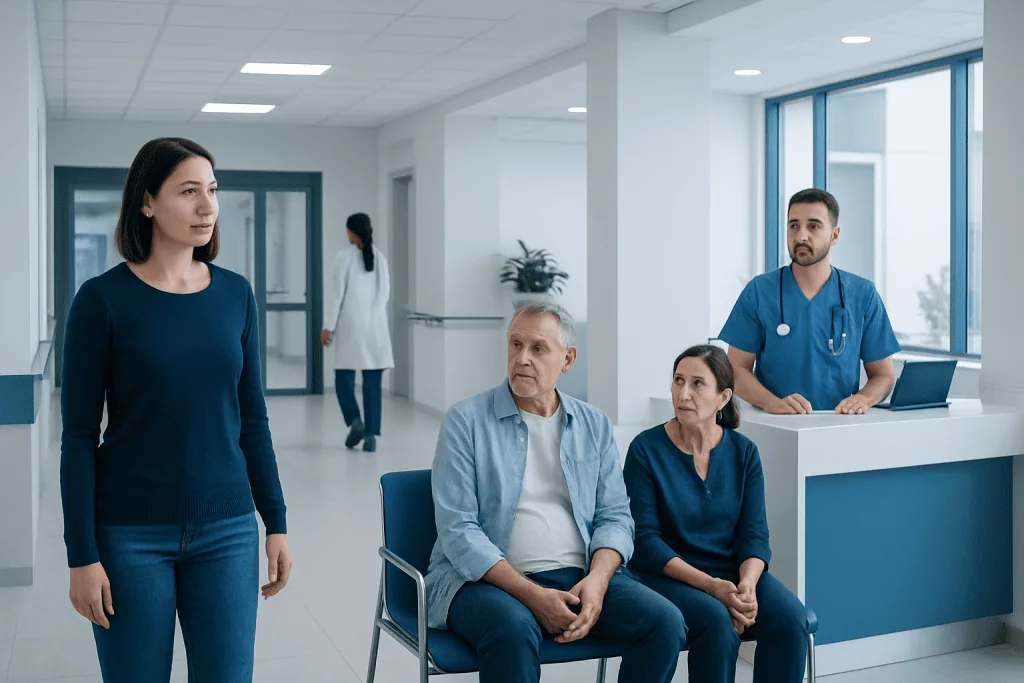
Emergency contacts and urgent care in Turkey: call 112 for emergencies, contact your hospital team, and keep your passport, meds list, and insurer details…
If you need urgent medical help while receiving treatment in Turkey, the safest first steps are to call 112 for emergencies and contact your treating hospital team as soon as possible. This guide helps you stay calm, prepare the right information, and know where Acibadem International and local emergency services can support you.
At a glance
- National emergency number: 112
- Best first step for severe symptoms: Call 112 immediately, then inform your hospital
- Keep with you: Passport, treatment summary, medicines list, insurance details
- Language support: Ask your hospital's international patient team for interpreter help
- When to contact your treating team: For new symptoms, wound concerns, fever, uncontrolled pain, or medication questions
What to do first if something feels urgent
If you feel suddenly unwell during treatment in Turkey, the most important thing is to act early rather than wait and hope symptoms pass. If you have severe chest pain, trouble breathing, heavy bleeding, fainting, confusion, seizures, signs of stroke, or a serious accident, call 112 immediately. This is Turkey’s main emergency number and should be your first move in a life-threatening situation.
If the problem feels urgent but not immediately life-threatening, contact your treating hospital or the international patient team that has been coordinating your care. They usually know your diagnosis, recent treatment, medicines, and follow-up plan, which helps them guide you quickly. If you are receiving care through Acibadem International, its international patient services can often help with practical coordination, interpreter support, and directing you to the right department.
Try not to travel to a different clinic without informing your main treating team unless it is an emergency and you need the nearest available help. Continuity matters, especially after surgery, imaging, or specialist treatment. Your own doctors or care coordinators can often tell you whether you need an emergency department, an urgent same-day review, or simple self-care until you are seen.
Know the key numbers and who to contact
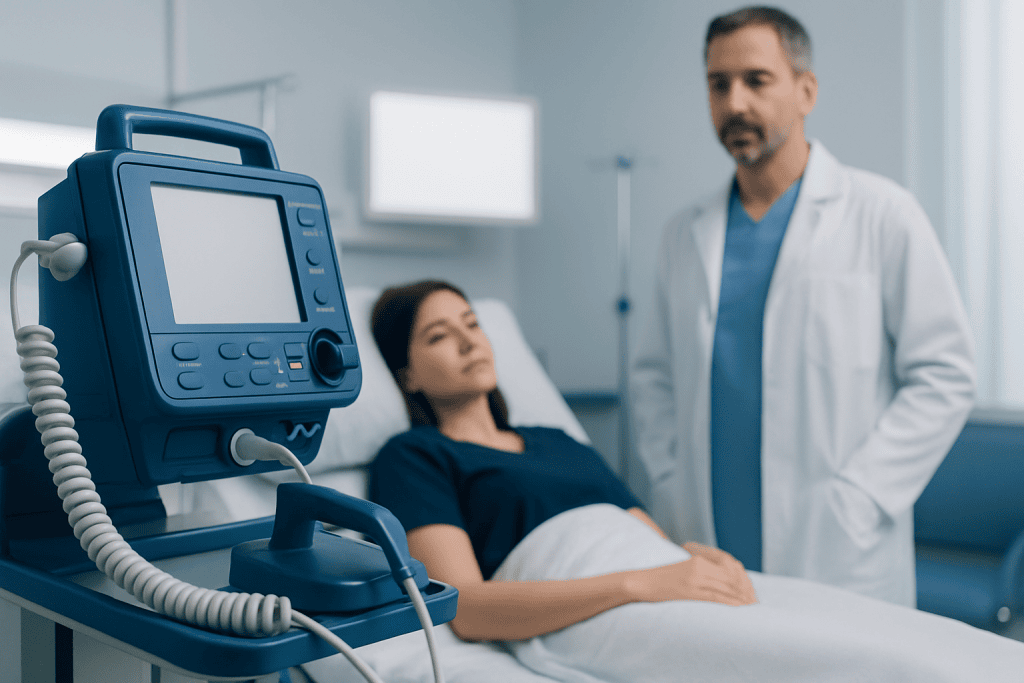
Before you arrive in Turkey, save the essential numbers in your phone and also keep them written on paper in case your battery dies. At minimum, you should have: the national emergency number 112, your hospital’s main number, your consultant’s office if provided, your international patient coordinator, your travel insurer or medical assistance line, and the contact details of your hotel or host.
If you are being treated at a large hospital group such as Acibadem International, ask for one clear emergency contact pathway before your procedure or treatment starts. This may include daytime contacts, out-of-hours instructions, and what to do on weekends or public holidays. Having a single point of contact reduces stress when you are tired, in pain, or trying to explain symptoms in an unfamiliar setting.
It also helps to label contacts clearly in your phone, for example: ‘Turkey Emergency 112,’ ‘Hospital International Desk,’ and ‘Insurer Emergency Line.’ If a family member or companion is traveling with you, share the same contact list with them. In urgent moments, they may be the person making calls, translating your needs, or accompanying you to hospital.
- 112: emergency ambulance and urgent emergency response
- Your treating hospital: treatment-specific advice and records access
- International patient team: language, logistics, coordination
- Insurer assistance line: approval, coverage, transfer guidance
What information to keep ready at all times
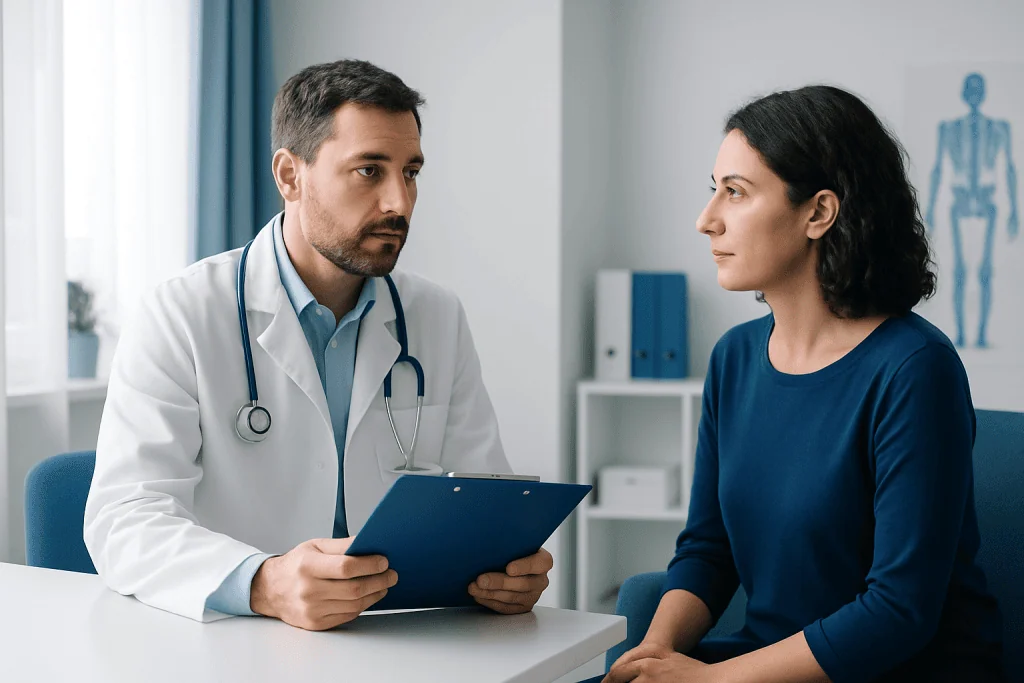
In an urgent situation, a small amount of organized information can make a big difference. Keep your passport, hospital ID or patient number if you have one, a short treatment summary, a list of current medications, known allergies, and any recent test or discharge documents easy to access. Save digital copies on your phone, but carry paper copies too.
Your medication list should include the exact name, dose, and how often you take each medicine. This is especially important if you are using blood thinners, insulin, pain medication, antibiotics, steroids, or medicines prescribed after surgery. If you do not know the spelling, take a photo of the packaging and keep it in a dedicated album on your phone.
You should also keep your insurance policy details, emergency assistance number, and payment method available. If you have had treatment recently, note the date of your procedure, the name of the hospital, and any specific aftercare instructions you were given. For international patients, Acibadem International teams can often help you gather or translate practical treatment information if you need to attend urgently within their network.
When to call 112 versus when to contact your hospital team
A useful rule is this: if delay could put your life, breathing, circulation, or brain function at risk, call 112. That includes severe shortness of breath, crushing chest pain, sudden weakness on one side, major injury, heavy bleeding, loss of consciousness, severe allergic reaction, or uncontrolled seizures. In these situations, do not wait for a message reply from your care coordinator.
If your concern is significant but more treatment-related, your hospital team may be the best first contact. Examples include a new fever after a procedure, increasing redness or discharge from a wound, worsening pain not controlled by prescribed medication, persistent vomiting, trouble passing urine, swelling in the legs, or uncertainty about medication instructions. These may still be urgent, but your team can often assess whether you need same-day review, emergency department assessment, or a change in your aftercare plan.
If you are ever unsure, err on the side of safety. Contact both: call 112 if symptoms are serious, then inform your hospital once help is on the way. A JCI-accredited hospital system like Acibadem International is used to structured safety processes and multidisciplinary communication, which can be especially reassuring if your urgent issue relates to recent treatment.
Getting urgent help if you do not speak Turkish
Language worries are common, especially if an urgent issue happens outside regular hours. If you can, speak slowly and clearly in English when calling for help, and keep your location ready to share exactly as written in your hotel booking or maps app. If you are with a companion, let one person make the call while the other gathers documents and prepares for transport.
Interpreter support can be very helpful once you are connected to your treating hospital. Acibadem International, for example, supports international patients with coordination and interpretation services in many situations, which can help you understand instructions, consent steps, discharge advice, and follow-up arrangements. If you are alone, ask the emergency department or hospital desk to contact your international patient representative.
It is also wise to prepare a simple note on your phone in English stating your condition, allergies, and current treatment. You can show this quickly to ambulance staff, reception teams, or clinicians. A short message such as ‘I had surgery on [date], I am allergic to [medicine], and I now have fever and pain’ is often enough to speed up the first steps.
Practical safety tips for your stay in Turkey
Urgent care is easier to navigate when you build a few habits into your daily routine. Keep your phone charged, carry a power bank, and make sure mobile data or local calling works from the day you arrive. Save your accommodation address in both English and, if possible, as a pin in your maps app so you can share it quickly in an emergency.
If you have just had a procedure, do not explore alone too early, especially if you are taking pain medication, feel weak, or have mobility limits. Let your companion know where you are, keep water with you, and avoid long journeys without discussing them with your treating team. Follow discharge instructions carefully, including wound care, medicines, hydration, activity limits, and review appointments.
Finally, trust your instincts. If you feel that your recovery is changing suddenly or something is not right, do not minimize it because you are abroad. International patient teams at hospitals such as Acibadem International are there to help with the practical side as well as clinical coordination, so asking for support early is part of staying safe, not overreacting.
Step by step
- Assess whether it is an emergency. If symptoms are severe, sudden, or life-threatening, call 112 right away. Do not wait for a callback from your doctor if you have trouble breathing, severe chest pain, heavy bleeding, collapse, or stroke-like symptoms.
- Call your treating hospital or coordinator. For urgent treatment-related concerns, contact the hospital team that knows your case. Give your name, patient number if you have one, the treatment date, and a clear description of what has changed.
- Gather your key documents. Take your passport, insurance details, discharge papers, medication list, and allergy information with you. If you are going by ambulance or taxi, bring your phone charger and any medicines you are currently using.
- Share your exact location. Use the address from your hotel booking or a live map pin so emergency responders or hospital staff can find you quickly. If you are in a large hotel, include the room number and the main entrance if possible.
- Inform your companion or family. If someone is traveling with you, ask them to come with you or help with calls and paperwork. If you are alone, send a short message to a family member and to your patient coordinator so someone knows where you are.
- Follow the first medical advice you receive. If emergency services or your hospital instruct you to go to an emergency department, do so without delay. Avoid taking extra medication or using home remedies unless a qualified clinician has advised it.
- Update your main treatment team afterward. Once the immediate issue is under control, make sure your treating specialists know what happened. This helps them adjust your follow-up plan, medications, travel timing, or aftercare instructions if needed.
Your checklist
- Save 112 in your phone before traveling
- Store your hospital, coordinator, and insurer numbers in one place
- Carry your passport and a copy of your treatment summary
- Keep an up-to-date medicines and allergies list
- Have your accommodation address ready in writing and on your map app
- Bring a charger or power bank when you go out
- Share your emergency plan with your companion or family
- Ask your hospital what to do after hours and on weekends
Key takeaways
- Use 112 in Turkey for serious or life-threatening emergencies.
- Keep your hospital team and international patient coordinator easy to reach at all times.
- Carry your passport, medicines list, allergies, and recent treatment documents.
- Do not ignore new symptoms after treatment just because you are traveling.
- Interpreter and coordination support can make urgent care much easier to manage.
Frequently asked questions
What is the emergency number in Turkey?
The main emergency number in Turkey is 112. If you have a serious medical emergency, call 112 immediately and then contact your treating hospital as soon as you can.
Should I call 112 or my hospital first?
If the problem is severe or potentially life-threatening, call 112 first. If it is urgent but appears related to your treatment and you are stable, contact your hospital team or international patient coordinator for guidance.
What symptoms after treatment should never be ignored?
You should seek urgent advice for chest pain, difficulty breathing, heavy bleeding, fainting, new confusion, severe allergic reactions, high fever, worsening wound problems, or pain that becomes significantly worse. If symptoms are intense or sudden, treat them as an emergency.
What should I carry with me during treatment in Turkey?
Carry your passport, hospital documents, medication list, allergy details, insurance information, and your key contact numbers. Keeping both paper and phone copies is helpful if your battery runs low or internet access is limited.
What if I do not speak Turkish during an urgent situation?
Use simple English, speak slowly, and show written notes with your condition, allergies, and treatment details if needed. International patient services, including those at Acibadem International, can often help with interpretation and coordination once you reach the hospital.
Can my travel insurance help during an urgent medical problem?
Yes, many travel or international health insurance policies include emergency assistance lines and care coordination. Contact them as soon as practical, especially if they need to authorize treatment, transport, or reimbursement steps.
What should I do after I receive urgent care from a different facility?
Inform your main treating team as soon as possible and share any reports, prescriptions, or discharge notes you received. This helps protect continuity of care and allows your specialists to update your treatment or travel plans safely.
Add us as a Preferred Source to see more of our trusted health content across Google Search, AI Overviews and Discover.
More Patient Guides
After-Hours Medical Help in Turkey: What International Patients Should Do
After-hours medical help in Turkey starts with urgent triage, emergency services, and your hospital’s international team in Istanbul or beyond.
9 min read
When to Delay Travel for Treatment in Turkey: Warning Signs to Discuss First
Delay travel for treatment in Turkey if you have fever, chest pain, breathing trouble, new infection, or unstable symptoms—speak to your doctor…
9 min read
How to Recognize Official Hospital Messages and Avoid Medical Travel Scams in Turkey
Official hospital messages in Turkey come from verified channels, clear hospital domains, and documented coordinators—not pressure, personal accounts, or urgent payment demands.
8 min read