

Flying to Turkey with a CPAP Machine: What Patients Should Plan

Pack your CPAP in your carry-on, never in checked luggage, and keep your prescription, a short medical letter and your device details with you. Check your airline's rules for medical devices and batteries before you fly, allow extra time for security screening, and plan power: voltage, plug type, and a bedside outlet at your hotel or hospital.
Wondering whether your CPAP will make it through security, fit in the cabin, and actually work once you reach your hotel room in Turkey? Most patients find the trip straightforward. It just takes a little planning around airport security, airline rules, power needs, and your stay.
A few points cover most of it. Your CPAP belongs in your carry-on bag, not in checked luggage. Useful documents to have with you are your prescription, a medical letter, and your device details. For power, check the voltage, the plug type, and your airline’s battery rules. At the airport, allow extra time for medical equipment screening. And once you arrive at your hotel or hospital, ask about distilled water guidance and bedside power access.
This guide walks you through each step, so you can travel more comfortably and avoid last-minute stress.
At a glance
- Best place for your CPAP: Carry-on bag, not checked luggage
- Helpful documents: Prescription, medical letter, and device details
- Power planning: Check voltage, plug type, and airline battery rules
- Airport security: Allow extra time for screening of medical equipment
- At your hotel or hospital: Request distilled water guidance and bedside power access
Why planning ahead makes CPAP travel easier
When you are flying to Turkey with a CPAP machine, the main goal is to keep your treatment routine as uninterrupted as possible. Most travelers can bring a CPAP without major problems, but a smoother trip usually depends on simple preparation: knowing your airline’s rules, packing the machine safely, and having the right paperwork ready if anyone asks questions.
Your CPAP is an important medical device, not just another electronic item. That means it deserves its own travel plan. Think through the full journey from home to the airport, during the flight, through arrival in Turkey, and into your hotel or hospital room so you are not trying to solve power, water, or baggage issues when you are tired.
If you are traveling to Acibadem International for treatment, it can help to tell the international patient team in advance that you use CPAP. They can often guide you on practical points such as room setup, interpreter support for local questions, and what to bring for your stay, especially if you expect to spend nights in hospital.
What to pack with your CPAP machine
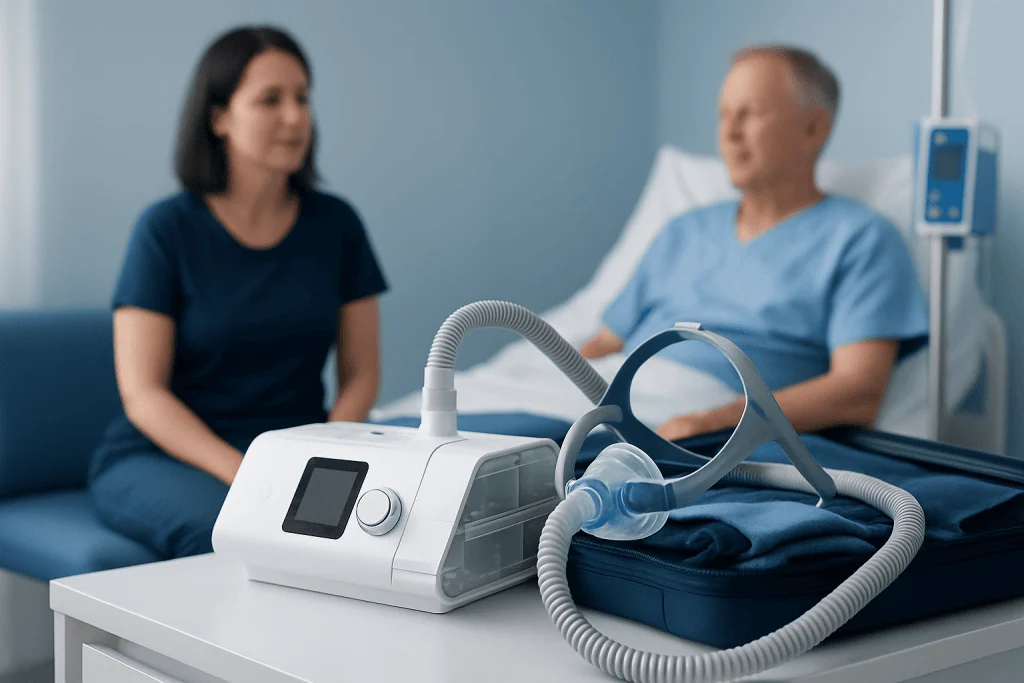
Your CPAP should travel in your carry-on bag whenever possible. Checked baggage can be delayed, exposed to rough handling, or lost, and you do not want to arrive in Turkey without the device you rely on for sleep and breathing support. Keep the machine in its protective case and label it clearly with your name and contact details.
Pack all essential parts together so you are not searching through different bags after a long flight. This usually includes the machine, mask, tubing, power supply, plug adapter if needed, and any filters or small replacement parts you may need during your trip. If you use a humidifier chamber, empty it completely before travel to avoid leaks.
A practical packing list may include:
- Your CPAP machine and carrying case
- Mask, tubing, headgear, and spare cushion if you have one
- Power cord, adapter, and extension cord if helpful
- A copy of your prescription and a brief medical letter
- Cleaning wipes or supplies recommended for travel
- A copy of the device model and manufacturer information
- If required, approved batteries for flight use
It is also smart to pack one or two nights of the items you absolutely cannot do without in an easy-to-reach place. If you arrive late in Istanbul or another city in Turkey, you will appreciate being able to set up quickly without unpacking everything.
Airline and airport rules to check before you fly
Different airlines handle medical devices a little differently, so check your airline’s website before your departure date and, if needed, call them directly. Confirm whether your CPAP counts separately from your standard carry-on allowance, whether you may use it onboard if necessary, and what notice they require for battery-powered use during the flight.
If you think you may need to use your CPAP on the plane, do not assume it will be possible on every route. Some airlines require advance approval, specific battery types, or forms completed before travel. Others may not allow use in certain seats or phases of the flight. Get these details in writing if you can, especially on long-haul journeys.
At airport security, a CPAP machine is common enough that staff usually recognize it, but screening can still take extra time. Keep the device accessible in your bag, follow the officers’ instructions, and consider placing the machine in a clear protective liner if it needs to be removed from its case for screening. Arriving earlier than usual helps you manage this without feeling rushed.
If you are flying onward within Turkey after arriving internationally, check both the international and domestic airline rules. Low-cost carriers and regional flights may have different baggage processes, and it is easier to clarify these points before you begin your journey than while changing terminals.
Documents that can help if questions come up
You may not be asked for any paperwork at all, but carrying a small document folder can make things much easier if airline staff, security teams, or border personnel have questions. A copy of your CPAP prescription is useful, and a short letter from your doctor stating that you use CPAP for sleep apnea or another diagnosed condition can add reassurance.
It also helps to have the device brand, model, and serial number written down or saved on your phone. If your machine is lost, damaged, or delayed, this information can support an insurance claim or help you explain your needs more clearly. Keep digital copies of important documents in cloud storage so you can access them even if papers are misplaced.
If you are coming to Turkey for treatment, send your travel and device details to your care coordinator in advance. At Acibadem International, international patient services can often note your CPAP use in your planning file, which is helpful if you are being admitted, having testing, or discussing overnight arrangements with the hospital team.
Power, water, and using your CPAP in Turkey
Before you travel, check whether your CPAP power supply is compatible with Turkey’s electrical system. Many modern CPAP devices accept a range of voltages, but you should verify this on the label or manufacturer guidance rather than guessing. You may also need a plug adapter, and bringing one from home is usually easier than trying to find one after arrival.
If you use a humidifier, think ahead about water. Follow the manufacturer’s instructions for the safest type of water to use and ask your hotel or hospital what is available locally. If you are unsure, ask before the first night rather than improvising with unfamiliar options. For shorter stays, some travelers choose to use the CPAP without humidification if that is comfortable and medically acceptable for them, but you should only do what fits your usual care plan.
Bring a simple extension cord if it helps you place the machine safely beside the bed, especially if outlets in a hotel room are far from the headboard. Keep the tubing positioned so you will not trip over it at night. If you are staying at an Acibadem International hospital, let the team know that you use CPAP so the room setup can support safe overnight use where appropriate.
If your travel includes long layovers, overnight airport stays, or train or road transfers within Turkey, plan how long your device can remain unused and whether battery backup matters for your situation. Even if you do not expect to use CPAP in transit, it is reassuring to know your options.
If you are having treatment or staying overnight in hospital
If you are traveling for a procedure, test, or inpatient treatment, tell your medical team well before arrival that you use CPAP. This is especially important if you have sleep apnea and expect sedation, anesthesia, postoperative monitoring, or overnight admission. Your team needs this information as part of your wider safety planning.
Bring your own machine unless the hospital specifically tells you otherwise. Using your familiar equipment may be more comfortable, and it reduces confusion about your usual settings and mask fit. Keep the settings unchanged unless a clinician responsible for your care advises something different.
At Acibadem International, multidisciplinary teams and international patient coordinators can help connect the practical and medical sides of your stay. That may include making sure staff know you use CPAP, helping with communication if English is not your first language, and supporting transitions between hotel, hospital, and discharge planning.
If your schedule includes early-morning admission or fasting before a procedure, ask exactly when to stop eating and drinking and whether there are any special instructions about bringing, cleaning, or using your CPAP the night before. Clear instructions reduce stress and help you arrive prepared.
What to do if plans change or something goes wrong
Even well-planned trips can have delays, lost baggage, or last-minute airline changes. The most important safeguard is keeping your CPAP with you in your cabin baggage. If a gate agent asks to check your bag because overhead bins are full, explain that it contains a medical device and ask to keep it with you if possible.
If your equipment is damaged during travel, contact the airline right away before leaving the airport and document the issue with photos. If you have travel insurance, check whether medical devices are covered and how claims must be reported. Keep receipts for emergency purchases if replacement parts become necessary.
If you feel unusually sleepy, unwell, or short of breath because your CPAP routine has been disrupted, do not ignore it. Contact your treating doctor or the hospital team you are traveling to. If you are under the care of Acibadem International, your coordinator can help you navigate the next practical steps and direct you to the right service.
Finally, build a little flexibility into your itinerary. Arriving in Turkey a day before a major appointment, when possible, gives you time to rest, check your equipment, and settle in before treatment or consultations begin.
Step by step
- Check your airline's CPAP policy. Before you book, or at least before you fly, review the airline's rules for medical devices, carry-on allowance, and onboard use. If you may need to use the CPAP in flight, ask about notice periods, forms, seat restrictions, and battery requirements.
- Prepare your documents. Pack a copy of your prescription, a brief doctor's letter, and the device model details. Store digital copies on your phone and in email or cloud storage so you can retrieve them easily if needed.
- Pack the machine in your carry-on. Keep your CPAP, mask, tubing, and power supply together in a protective case inside your cabin baggage. Empty any humidifier chamber before travel and add a luggage label with your contact information.
- Plan for power and bedtime setup. Check voltage compatibility for Turkey, bring the right plug adapter, and consider a small extension cord. If you use humidification, confirm in advance how you will manage water based on the manufacturer's instructions.
- Tell your care team or hotel. If you are staying in hospital or arriving for treatment, let your coordinator know that you use CPAP. If you are staying in a hotel first, you may also want to request a room with accessible bedside outlets and space for your device.
- Allow extra time on travel day. Arrive at the airport earlier than usual because medical equipment screening can take longer. Keep the CPAP easy to access so security checks feel straightforward rather than stressful.
- Reconfirm your plan on arrival. Once you reach Turkey, check that your machine, mask, and power accessories are all working before bedtime. If anything is missing or damaged, address it immediately rather than waiting until you are exhausted at night.
Your checklist
- CPAP machine packed in carry-on
- Mask, tubing, headgear, and any spare parts
- Power cord, plug adapter, and optional extension cord
- Prescription and doctor's letter
- Device model and serial number saved on phone
- Airline policy checked for medical device and battery rules
- Humidifier chamber emptied before travel
- Hotel or hospital informed about CPAP use
Key takeaways
- Carry your CPAP in cabin baggage and avoid checking it if possible.
- Check airline rules early, especially if you may need in-flight use or battery support.
- Bring a prescription and brief medical letter even if you are not always asked for them.
- Plan ahead for Turkey power outlets, voltage compatibility, and humidifier water needs.
- Tell your hospital or coordinator about your CPAP before admission or overnight treatment.
Frequently asked questions
Can I bring a CPAP machine on a flight to Turkey?
In most cases, yes. A CPAP machine is generally treated as a medical device, but airline policies still vary, so you should check your specific carrier's rules before travel, especially for cabin baggage and onboard use.
Should I pack my CPAP in checked luggage or carry-on?
Carry-on is the safer choice. Your CPAP is essential equipment, and checked bags can be delayed, lost, or handled roughly. Keeping it with you also makes security screening and late-night arrival much easier to manage.
Do I need a doctor's letter to travel with a CPAP?
You may not always be asked for one, but it is wise to carry it. A short letter explaining that the CPAP is a prescribed medical device can help if airline staff, security personnel, or hospital teams need clarification.
Can I use my CPAP during the flight?
Sometimes, but only if the airline allows it and you meet their requirements. Many airlines need advance notice, approved battery arrangements, and sometimes extra forms, so do not leave this question until the airport.
Will my CPAP work in Turkey?
Many CPAP devices are compatible with a range of voltages, but you must confirm this on your own machine's power information. You will likely also need a plug adapter for Turkey, and it is best to test your setup as soon as you arrive.
What if I am going to hospital for a procedure and use CPAP every night?
Tell your care team in advance, especially if your treatment involves sedation, anesthesia, or an overnight stay. Bring your CPAP unless the hospital advises otherwise, and make sure staff know your usual routine and settings.
Can Acibadem International help if I travel with a CPAP machine?
Yes, the international patient services team can help with practical planning around your stay, such as noting your CPAP use, supporting communication, and helping coordinate hotel or hospital arrangements. This is especially useful if you are traveling from abroad and want fewer logistics to manage alone.
Add us as a Preferred Source to see more of our trusted health content across Google Search, AI Overviews and Discover.

Update history
- PublishedJuly 8, 2026
- Medical review approvedAugust 25, 2026
- Last content updateAugust 24, 2026
References2
- Sleep apnea: MedlinePlus medlineplus.gov
- CDC Travelers' Health wwwnc.cdc.gov
More Patient Guides

Airport Wheelchair Assistance: How to Book It for a Medical Trip
Airport wheelchair assistance is free, it exists at every commercial airport, and airlines are legally required to provide it, yet half…

Travelling With a Stoma: Flights, Supplies and Airport Screening
Traveling to Turkey with a stoma is manageable with the right supplies, airport screening plan, and recovery support in Istanbul or Turkey.

Mobility Aids in Turkey: Renting a Wheelchair, Walker, or Crutches
Mobility aids in Turkey can be rented through medical suppliers, pharmacies, and hospital-linked services in Istanbul and other cities.

Traveling to Turkey with Food Allergies or Special Diet Needs
Traveling to Turkey with food allergies or special diet needs is manageable with planning, translated allergy cards, and hotel and hospital support…