

Hair Transplant Aftercare: Complete Post-Op Care Instructions

Hair transplant aftercare means protecting the grafts from friction and pressure for roughly the first 7–10 days, washing only with the method your surgeon approved, letting scabs release on their own, and avoiding heat, sweat and strong sun for the period you were given. Temporary shedding after a few weeks is a normal part of the growth cycle, not a sign of failure.
You have had your procedure, and now you are looking at your scalp in the mirror wondering what is normal and what is not. That is the right question. Hair transplant aftercare comes down to three things: protecting newly placed grafts, cleaning the scalp exactly as instructed, and letting normal healing changes, scabbing, redness, temporary shedding, run their course. Those rules are the same whether you chose Bosley hair restoration or a clinic in Istanbul. One rule sits above everything in this guide: your own surgeon’s instructions come first, because the right plan varies with your technique, donor area, medications and how you heal.
At a glance
- Most delicate period: the first 7–10 days, when grafts need protection from rubbing, pressure and accidental knocks.
- Washing: usually begins with a gentle, surgeon-approved method after the first days. Do not improvise products or technique.
- Normal early changes: mild swelling, redness, tenderness, crusting and itching are common parts of healing.
- Scab shedding: typically happens over roughly one to two weeks with approved washing. Do not pick or scratch.
- Shedding phase: transplanted hairs often fall out in the first weeks before new growth develops over several months.
- Outside normal healing: worsening pain, fever, discharge, spreading redness or significant bleeding are not expected parts of recovery.
Hair Transplant Aftercare: The Same Rules Apply Whether You Chose Bosley Hair Restoration or a Clinic in Turkey
A surprising number of people reading aftercare guides are still comparing providers: Bosley hair restoration in the United States, a clinic in Istanbul, or a surgeon closer to home. Here is the honest part: the biology of a healing scalp does not know which brand operated on it. A Bosley hair transplant, an FUE session in Turkey and a procedure at a local hospital all leave you with the same task in week one, keep the grafts undisturbed while they anchor.
Hair transplant surgery removes follicles from a donor area, usually at the back and sides of the head, to replant hair where it has thinned. Those relocated follicles are living tissue. In the first days they are held in place by nothing stronger than clotting and early healing, which is why every reputable clinic, Bosley included, hands you a written protection plan before you leave the building. If you had your procedure through a hair transplant unit at Acibadem, that plan is part of your discharge documents.
Your immediate priorities are simple. Keep hands, pillows, hats and door frames away from the recipient area. Take prescribed medicines exactly as directed. Use only the shampoo, spray or lotion your surgeon approved. Sleep with your head elevated if you were told to: the position matters more than most people expect, and there is a dedicated guide on how to sleep after a hair transplant if you want the detail.
Healing often looks more dramatic than it feels. Small crusts, redness, tightness, tenderness and itching are common early findings, and some people develop temporary swelling around the forehead or eyes. These changes should gradually settle over the first week or two.
Hair Transplant Aftercare Timeline: Day by Day and Week by Week
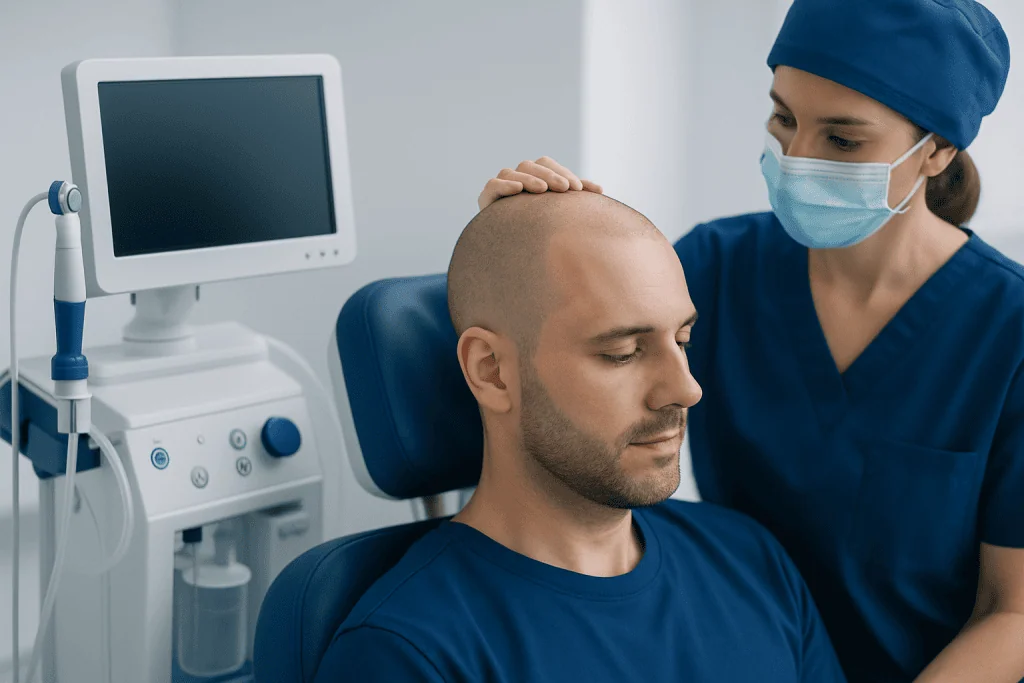
Your schedule may differ, particularly after a large session, a combined procedure or if you have specific skin or scalp conditions. Treat the timeline below as orientation, not a replacement for the instructions you were given. And resist the urge to type “hair transplant before after” into a search engine during week two, comparing a healing scalp with someone else’s twelve-month photograph tells you nothing useful.
| Time after surgery | What you may notice | What to focus on |
|---|---|---|
| Day 0–2 | Tenderness, tiny dried blood spots, mild swelling or tightness. | Rest, protect the scalp, avoid bending forward and follow medication and sleep-position guidance. |
| Days 3–5 | Crusting begins; swelling may peak then improve. The donor area may feel sore or numb. | Begin approved gentle cleansing only as instructed. Avoid scratching, unapproved headwear, exercise and sun. |
| Days 6–10 | Scabs soften and start coming away during washing. Redness can still be visible. | Continue gentle washing. Do not pick crusts; avoid friction, pressure or trauma to the grafts. |
| Weeks 2–4 | Most crusting has usually resolved. Transplanted hairs may shed. | Resume activities only on your surgeon’s schedule; protect the scalp from strong sun. |
| Months 1–3 | Temporary shedding or a quieter-looking phase is common. | Attend follow-up, use any prescribed treatment and be patient with the growth cycle. |
| Months 3–12+ | New growth gradually emerges and matures at different rates across the scalp. | Keep follow-up appointments and raise questions about growth, texture or scalp health at those reviews. |
Do not judge the outcome in the first weeks. Transplanted hair commonly sheds as part of the normal follicular cycle before the follicles begin producing new hair. This is one reason honest clinics only take meaningful hair transplant before and after photographs many months apart.
What Should I Do to Care for My Hair After Hair Transplant Surgery?

Treat the transplanted area as fragile for the entire early healing period. Keep your hands away unless you are applying an approved product or washing exactly as shown. Wash your hands first, use lukewarm rather than hot water, and never direct high-pressure water at the grafts until your surgeon confirms it is safe. Pat the area dry gently if instructed, never rub with a towel.
Follow your clinic’s specific guidance on sleeping, washing, headwear, exercise, work, driving and travel. Most surgeons ask you to pause strenuous activity, swimming, saunas, steam rooms, heavy sweating and direct sun exposure for a defined period, because each of these can irritate the healing scalp or increase swelling. Many also advise against smoking and heavy alcohol use around surgery, as both can affect healing and interact with medicines: the exact guidance is your surgeon’s to give.
- Take prescribed pain relief, antibiotics or anti-inflammatory medicines only as directed by your treating doctor.
- Do not use hair fibres, styling gels, sprays, dye, oils or any non-approved scalp product until you are cleared.
- Avoid combing over grafts, and do not use clippers or a razor in the recipient area until your team confirms the timing.
- Wear loose, front-opening clothing in the first days so garments do not catch on the scalp when dressing.
- If your clinic recommended a moisturising spray, use it on their schedule: the guide to panthenol spray after a hair transplant explains how these products typically fit in.
Headwear deserves its own mention, because it is the question most travellers ask before their flight home. Timing varies between clinics and depends on how loose the hat is and how your grafts are healing: the guide on when you can wear a hat after a hair transplant covers the usual reasoning.
Can I Touch My Grafts After 10 Days?
Many grafts are more securely anchored by around ten days, but that does not mean you can rub, scratch, massage or handle the area freely. Anchoring is gradual, it differs between people, and the exact timing depends on the technique used, the condition of your scalp and how your recovery has progressed. Your surgeon’s advice is the only reliable guide here.
At this stage, gentle contact during your approved washing method is often acceptable, and softened scabs may begin releasing on their own. Do not pull at hairs, pick remaining crusts or test graft security with your fingers. If a crust comes away with a small hair attached, this does not automatically mean the follicle is lost, shed hairs and surviving follicles are separate things, which is why clinics explain in advance how they review healing photographs during follow-up.
Itching is the biggest temptation to touch. Rather than improvising with over-the-counter products, ask at your follow-up which relief measures suit your scalp, approved saline or moisturising sprays are the usual answer. Itch that comes with heat, spreading redness or discharge is a different matter: that pattern sits outside normal healing.
How Painful Is Hair Transplant Recovery?
Recovery is usually described as uncomfortable rather than severely painful, though pain is personal and varies. Expect tenderness, pressure, tightness or stinging in the donor area and mild soreness in the recipient area during the first few days. Your surgeon may prescribe or recommend pain relief based on your medical history and the medicines you already take.
The trend matters more than the level: discomfort should generally improve rather than intensify over time. Careful sleeping, avoiding pressure on the scalp and following your medication schedule make the early days considerably easier. Do not add extra medicines, anti-inflammatories or supplements on your own initiative, some are unsuitable after surgery, and only your treating doctor can judge which.
Pain that becomes severe or suddenly worsens, or that arrives together with fever, warmth, swelling or discharge, is not part of expected recovery.
How Should a Hair Transplant Look After 5 Days?
At five days, the recipient area commonly looks red or pink with small dark crusts around the transplanted hairs. The donor area may show small healing marks, scabbing or short regrowing hair, depending on how it was harvested. Mild swelling may still be present or just beginning to settle, particularly around the forehead.
The appearance is often uneven and is not a preview of the final result. You may see tiny hairs, patchy crusting and areas that look temporarily more noticeable than you expected. This is precisely why comparing your day-five scalp with polished hair transplant before and after galleries is misleading: those images sit many months apart on the healing curve. Continue the gentle washing and protection plan you were given and let the timeline do its work.
What does not belong in a normal day-five picture: active or persistent bleeding, rapidly spreading redness, marked warmth, yellow or green discharge, a foul smell, fever or severe swelling. These fall outside expected healing.
Does the Brand Matter? Bosley Hair, HairClub and Clinics Abroad
Search results push people towards brand comparisons, Bosley versus HairClub, US clinics versus Turkey, so it is worth being clear about what a guide like this can and cannot tell you. Bosley is a long-established American hair restoration brand; this page is written by a Turkish hospital group and cannot speak to any other provider’s results, pricing or protocols. What we can say is that the aftercare fundamentals in this guide apply to a transplant performed anywhere, because they follow from how grafted follicles heal, not from who placed them.
A related honesty note: questions like “what did Elon Musk use to regrow his hair” cannot be answered responsibly. Public figures rarely confirm their treatments, and speculation is not medical information. What is true for everyone is that a transplant redistributes your existing follicles: it does not create new ones, and it does not stop untreated pattern loss from progressing elsewhere on the scalp. That last point is why many surgeons discuss ongoing medical treatment alongside surgery; the guide on finasteride and minoxidil after a hair transplant explains how that conversation usually goes. Whether either medicine suits you is a decision for your treating doctor alone.
Returning Home and Looking After Your Scalp Long Term
If you travelled to Turkey for treatment, the days before your flight are part of aftercare. Confirm when you are cleared to fly, which medicines to carry and how to handle airport security with sprays or liquids. Keep medications in their original packaging, carry your discharge summary in hand luggage, and keep essential aftercare products out of checked bags where possible: the guide on aftercare supplies to buy in Turkey before leaving the hospital lists what patients typically stock up on. During the flight, protect your scalp from knocks and avoid lifting heavy bags into overhead compartments if lifting is restricted.
At Acibadem, international patients leave with written aftercare instructions, medication information and a defined follow-up plan for after they return home. If you later see a local doctor, your operative notes and medication list make that consultation far more useful.
Long-term scalp care is a broader conversation: existing hair loss, scalp conditions, nutrition, styling choices and whether medical treatment has a role for you. These belong in your follow-up appointments, where your treating clinician can see how your scalp has actually healed rather than working from a general timeline.
Step by step
- Protect the grafts immediately after surgery. Keep the recipient area free from rubbing, pressure and accidental bumps. Wear clothing that opens at the front, and use the sleep position your surgeon recommended.
- Use medicines and products exactly as prescribed. Take prescribed medicines on time and use only the sprays, shampoos or lotions approved for your scalp. Check with your treating doctor before adding any pain relief, supplement or topical product.
- Wash with the technique you were shown. Begin washing only when your surgeon says so. Use gentle pressure, approved products and lukewarm water; never rub with towels or fingernails, and never aim a forceful shower stream at grafts.
- Manage swelling and discomfort sensibly. Rest, keep your head elevated if instructed and avoid activities that increase swelling. Mild discomfort is expected in the first days and should trend downwards.
- Avoid heat, sweat and scalp trauma. Pause strenuous exercise, swimming, saunas, steam rooms and strong sun for the period you were given. Skip tight hats, helmets, combing over grafts and styling products until cleared.
- Let scabs release naturally. Do not pick crusts or pull transplanted hairs. With approved washing, scabs generally soften and shed over one to two weeks on their own.
- Keep the follow-up plan running. Attend the scheduled reviews, send progress photographs on the agreed schedule through the agreed channel, and save your questions for those reviews rather than online forums.
Your checklist
- Written post-operative instructions and your clinic’s aftercare contact details
- All prescribed medicines, with a clear dosing schedule
- Surgeon-approved shampoo, spray or lotion
- Loose, front-opening clothing for the first days
- Clean pillowcases and any advised neck pillow or protective bedding
- A plan for gentle washing and scalp drying
- Sun protection strategy for when your surgeon permits outdoor exposure
- Travel documents, discharge summary and medication list if returning home
- An agreed schedule and channel for follow-up photographs
Key takeaways
- Protect grafts carefully during the first 7–10 days and avoid rubbing, scratching or pressure.
- Use only the washing method, medicines and scalp products your surgeon approved.
- Crusting, redness, mild swelling and temporary shedding are normal parts of recovery.
- Around day ten, gentle approved washing contact is often possible, but picking, pulling and testing grafts are not.
- The aftercare fundamentals are the same whether the surgery was done in the US or at a hospital in Turkey.
- Worsening pain, fever, discharge, spreading redness and significant bleeding sit outside normal healing.
Frequently asked questions
What is the aftercare after a hair transplant?
Aftercare means protecting the grafts from friction and pressure for roughly the first week to ten days, washing only with the method and products your surgeon approved, taking prescribed medicines as directed, and avoiding sweat, heat, swimming and strong sun for a defined period. Scabs are left to shed on their own, and temporary shedding of transplanted hairs in the following weeks is a normal part of the cycle.
Does Bosley really regrow hair?
We cannot speak for any other provider’s results. What is true of transplant surgery in general is that it relocates your existing living follicles rather than creating new ones; whether the outcome looks like regrowth depends on graft survival, donor hair quality, the surgeon’s planning and how untreated hair loss progresses around the grafts. No clinic anywhere can honestly promise a specific result.
How much does Bosley actually cost?
We cannot quote another company’s prices, and you should be wary of any third-party page that does. Hair transplant pricing anywhere depends on the same structural factors: the number of grafts, the technique, who performs each stage of the procedure, and what medication, aftercare products and follow-up are included. The only figure worth relying on is a written quote issued after your own assessment.
How long does transplanted hair last?
Transplanted follicles are usually taken from areas at the back and sides of the head that are less sensitive to the hormonal process behind pattern loss, so they tend to keep growing in their new position over the long term. The native hair around them, however, can continue thinning, which is why surgeons often discuss ongoing medical treatment as part of the overall plan. No provider can guarantee permanence.
When can I wash my hair after a hair transplant?
Timing and method vary by surgeon and technique. Many patients begin a gentle cleansing routine within the first few days, using specific products and light pressure. Follow the exact schedule your clinic gave you, and avoid hot water, forceful shower streams and rubbing until you are cleared.
Can I sleep normally after a hair transplant?
Usually not straight away. Most clinics recommend sleeping with the head elevated and keeping pressure off the transplanted area for the first nights, sometimes with a particular pillow arrangement or a travel-style neck pillow. Once the early healing period has passed, a gradual return to your usual position is typical, on the timeline your surgeon sets.
Is shedding after a hair transplant normal?
Yes. Transplanted hairs commonly shed in the weeks after surgery, often called shock shedding, as the follicles enter a resting phase. This does not mean the follicles have failed; new growth typically develops gradually over the following months, at different rates across the scalp.
When can I wear a hat after a hair transplant?
A loose, clean hat is often permitted after a defined point in healing, but the timing differs between clinics and depends on your grafts. Tight hats, helmets and anything that rubs the recipient area are avoided until your surgeon says otherwise, so confirm the timing before you travel or return to work that requires headwear.
Add us as a Preferred Source to see more of our trusted health content across Google Search, AI Overviews and Discover.

Update history
- PublishedAugust 17, 2026
- Medical review approvedSeptember 2, 2026
- Last content updateSeptember 2, 2026
References1
- Hair loss: MedlinePlus medlineplus.gov
More Patient Guides

Septoplasty Recovery: Week by Week
Learn what to expect after deviated septum surgery: a week-by-week septoplasty recovery timeline, when it is usually safe to fly home, and…

Gallbladder Surgery Recovery: Week by Week
Learn what to expect after gallbladder surgery: a week-by-week recovery timeline, pain, diet, wound care, when it is safe to fly home…

Robotic Hysterectomy Recovery: Week by Week
Recovery from robotic hysterectomy week by week: pain, lifting, wounds, driving, flying home safely, warning signs and questions to ask before you…

Breast Reconstruction Recovery: Week by Week
DIEP flap recovery week by week: hospital stay, drains, pain, walking, showering, driving, when it is usually safe to fly home, and…