

How Many Nights in Hospital Will You Need in Turkey? What Affects Length of Stay

There is no single answer. Day procedures may need no overnight stay, straightforward surgery often means one or a few nights, and major operations can require several nights, sometimes with planned intensive-care monitoring. Your treatment type, general health, anaesthesia and day-to-day recovery decide the timing. Your treating team gives an estimated range before treatment and confirms discharge only when it is clinically safe.
How many nights in hospital will you need in Turkey? It is usually the first practical question international patients ask, because flights, hotels and time off work all hang on the answer. The honest answer is a range, not a number, and this guide explains what sits behind that range.
The number of nights you spend in hospital is set by your care plan and your recovery, not by a fixed schedule. Your treating team reviews your progress each day and decides when it is safe for you to move to the next stage: a hotel, recovery accommodation, or the journey home. Understanding what affects length of stay before you travel makes every other booking easier.
At a glance
- Length of stay: Ranges from a same-day discharge to several nights, depending on the treatment, your health and how you recover
- Discharge decision: Made by your treating clinical team against recovery milestones, not by a calendar date
- Hospital stay vs time in Turkey: Two different things, many patients leave hospital but stay nearby for follow-up before flying
- Estimates: You should receive an expected stay range during planning; treat it as an estimate, not a promise
- Travel planning: Keep return flights and accommodation flexible until fitness to fly is confirmed
How many nights in hospital will you need in Turkey?
No responsible hospital can give you an exact figure before it has assessed you. What it can give you, and should give you, is an expected range based on the procedure, your medical history and how patients with a similar plan are usually cared for. Some treatments are day procedures: you return to your accommodation the same day after a period of observation. Others need one or more nights so the team can monitor pain control, mobility, eating and drinking, wound healing and blood tests. Complex surgery may mean a longer inpatient stay, sometimes with a planned period of closer monitoring, followed by further recovery time in Istanbul before you are ready to travel.
The distinction that matters most for planning is this: the hospital stay is only one part of your total time in Turkey. Being discharged from the ward and being fit to board an aircraft are separate decisions, often days apart. When you ask about length of stay, ask about both. Acibadem sets out an expected stay range during treatment planning so you can build your itinerary around it: the guide on how expected length of stay is explained before you book travel covers what that estimate includes and what it deliberately leaves open.
Treat any figure you receive as an estimate. It reflects what usually happens, and your recovery may be faster or slower than usual. Flexible bookings absorb that uncertainty; rigid ones turn it into stress.
What affects length of stay?
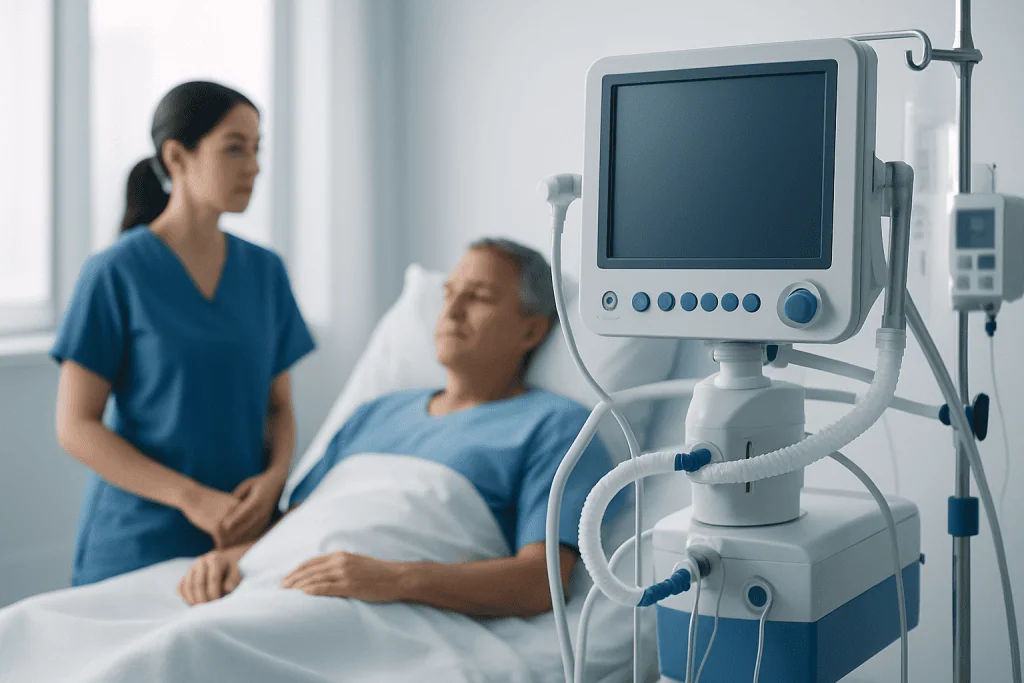
The largest factor is the treatment itself. A minor procedure may involve a few hours of observation, while major surgery can require several days of monitoring and early rehabilitation. Procedures involving general anaesthesia, implanted devices, surgical drains, intensive pain management, or work on more than one body system commonly need more time in hospital, simply because there is more to check before you leave.
Your health before treatment matters almost as much. Conditions such as diabetes, heart or lung disease, sleep apnoea, reduced mobility, nutritional problems, blood-clotting disorders or a difficult past experience with anaesthesia can lead your doctors to plan closer monitoring. That is not a prediction of trouble: it is the team building the right margin of safety around you. It is also why honest pre-treatment disclosure directly affects the accuracy of your stay estimate: the more your team knows, the more realistic the range they give you. Results from pre-operative tests feed into the same planning.
Finally, your recovery on the day and in the days afterwards guides the actual discharge date. Clinicians typically want to see stable vital signs, manageable pain and nausea, safe movement at the level advised for your procedure, adequate eating and drinking, and a clear understanding of your medicines and aftercare before they sign you out. If any of these needs more time, or if you need extra imaging, blood tests, physiotherapy or a specialist review, your stay is adjusted rather than cut short.
- Type, complexity and duration of the treatment
- Whether local, regional or general anaesthesia is used
- Your general health, regular medicines and past anaesthesia history
- Pain, nausea, mobility, eating and drinking after treatment
- Drains, dressings, monitoring equipment or rehabilitation needs
- Whether appropriate support and accommodation are ready for you after discharge
Typical stay patterns by type of treatment
Every plan is individual, but treatments fall into recognisable patterns. The table below describes how stays are commonly structured: it is orientation, not a promise, and your treating team’s estimate for your specific case always takes precedence.
| Treatment type | Hospital stay pattern | Time nearby after discharge |
|---|---|---|
| Day procedures (many dental treatments, diagnostic endoscopy, some eye and skin procedures) | Usually no overnight stay; you leave after a period of observation | Often a short stay in the city for review before travel, especially for staged dental work |
| Short-stay surgery (many laparoscopic, gynaecological, urological and some cosmetic procedures) | Commonly one or a few nights, depending on anaesthesia and early recovery | Typically several days for wound checks and follow-up before flying is considered |
| Major surgery (joint replacement, cardiac, spinal, abdominal, oncological surgery) | Several nights, sometimes beginning with planned monitoring in a higher-care unit | Often a longer recovery period near the hospital, with scheduled reviews |
| Staged or long-course treatment (for example limb lengthening, some cancer treatment plans) | Admission pattern varies by protocol; may combine inpatient phases and outpatient visits | Set by the treatment protocol; discussed in detail during planning |
Some major operations include a planned stop in intensive care as a routine part of the pathway rather than an emergency. If that applies to your surgery, it will be built into your estimate from the start: the guide on whether you will need ICU care after surgery in Turkey explains how planned and unplanned ICU stays differ.
What counts as a long hospital stay?
There is no international definition of a “long” hospital stay. What is long for one procedure is routine for another: a second night after a day-case procedure would be unusual, while several nights after major abdominal surgery is entirely ordinary. The only meaningful benchmark is the range your own team quoted for your own treatment.
When a stay runs past the expected date, clinicians usually describe it as an extended stay. When a patient is medically ready to leave but the next step is not yet arranged, accommodation, transport, equipment or support at the destination, it is often called a delayed discharge. The distinction matters for you as a traveller: an extended stay is a clinical matter your doctors manage, while a delayed discharge is a logistics matter you and your companion can largely prevent by planning ahead. Staying longer than needed is not a neutral event either; hospitals aim to discharge patients once ward-level care stops adding value, because home-style rest, normal movement and normal sleep usually serve recovery better than an unnecessary extra night on a ward.
If your stay does lengthen, ask what specifically is being monitored and what needs to happen before the next stage. Clear answers make it far easier to adjust bookings calmly: the guide on planning for unexpected extra nights in Turkey walks through the practical side.
What happens before discharge

Discharge is a clinical decision made by your treating team, and it follows a structured review rather than a date on the whiteboard. Depending on your treatment, the team checks your symptoms and observations, examines your wound or dressing, confirms your medication plan, assesses your mobility, and makes sure any outstanding investigations or specialist consultations are complete. Only then does the discharge paperwork begin.
You should receive practical discharge information in a language you understand: how to take prescribed medicines, what activity restrictions apply, how to care for a dressing or incision where relevant, when your follow-up reviews are scheduled, and what warning signs need medical attention. Read it while you are still on the ward, questions are far easier to resolve before you leave than from a hotel room. Interpreter support is available at Acibadem hospitals so that these instructions are genuinely understood, not just handed over.
For international patients, discharge planning also covers where you will stay, how you will get there and who will support you. If your plans involve moving to a hotel in another district or another city, tell the team early so the timing can be weighed safely. And if you know before admission what a ward stay involves, packing is simpler: the international patient packing checklist covers what to bring for one night versus several.
How many days in Turkey is enough?
Leaving hospital rarely means you are ready for a long-haul flight the same afternoon. Most surgical patients need a recovery period near the hospital for rest, wound checks and at least one follow-up review before travel is sensible. How long that period lasts varies widely by procedure: a dental patient and a hip-replacement patient are planning very different trips, so follow the advice given for your treatment rather than another patient’s timeline.
Choose recovery accommodation that matches your temporary limits: lift access, a walk-in shower if bending is restricted, space for a companion, easy access to food and a pharmacy, and a short, comfortable journey to the hospital for reviews. Arrange transport for discharge day in advance; after anaesthesia or surgery you may be tired, sore and in no state for public transport. If extra nights are a possibility for your procedure, it helps to understand in advance when extra nights in hospital become necessary after surgery, so a change of plan does not catch you unprepared.
Planning your return flight
Do not book your return journey around the expected discharge date alone. Hospital discharge and fitness to fly are related but separate decisions. You may be perfectly well enough to leave the ward yet still need days nearby for follow-up before a flight becomes appropriate, particularly after major surgery, procedures affecting the chest or abdomen, or any treatment with implications for circulation or breathing.
Before confirming travel, ask your treating team specifically about flying, long car journeys and airport transfers. Depending on your treatment, they may advise measures such as moving regularly during the flight, staying hydrated or wearing compression garments, follow only the advice given for your individual situation. Keep your discharge summary, medication list, prescriptions and relevant reports in your hand luggage, and allow time to arrange any airline medical clearance or mobility assistance your carrier requires.
When your stay may change, in either direction
Estimates move both ways. A smoother-than-expected recovery can bring discharge forward if your clinicians are satisfied it is safe. An unexpected symptom, an abnormal test result, harder-than-usual pain or nausea control, slower mobility, or a need for additional treatment can add nights instead. A longer stay is not automatically a sign that something has gone wrong; often it is simply the cautious, appropriate choice for your situation, and your team should explain the reason, what they are monitoring and what needs to happen next.
Useful questions when the plan shifts: What is preventing discharge today? When is the next review? What support will I need when I leave? Clear answers let you and your companion adjust accommodation, transport and family plans with far less stress.
Step by step
- Ask for an expected stay range before you travel. During planning, ask whether your procedure is day treatment, an overnight stay or a longer admission, and, separately, how long you may need to remain in Turkey after leaving hospital before travel home is considered appropriate.
- Keep your itinerary flexible. Choose changeable flights and extendable accommodation where possible, and build a recovery buffer rather than scheduling commitments immediately after the expected discharge date.
- Share your full health information. Tell your care team about medical conditions, allergies, previous operations, regular medicines and past anaesthesia issues. Accurate information produces a more realistic estimate and the right monitoring plan.
- Prepare your post-discharge support. Decide who will help you after hospital and where you will recover. With your permission, your companion should understand the key mobility, medicine and follow-up instructions.
- Review discharge instructions carefully. Before leaving the ward, make sure you understand your medications, wound or dressing care, activity limits and scheduled reviews. Ask for written information and interpreter assistance if you need them.
- Confirm the travel plan with the clinical team. Ask specifically about flying, airport transfers and long journeys. Never assume that hospital discharge alone means you are ready for international travel.
- Keep your documents together. Carry your discharge summary, prescriptions and follow-up schedule in hand luggage so they are available to you and to any clinician who cares for you later.
Your checklist
- Ask whether your treatment is day care, overnight care or a longer admission
- Ask separately how long to plan in Turkey after discharge
- Keep return flights and accommodation flexible where possible
- Bring an up-to-date medication list and relevant health records
- Arrange a companion if your treatment team recommends support
- Choose recovery accommodation with accessible, comfortable facilities
- Plan safe transport from hospital to your accommodation in advance
- Keep discharge documents and prescriptions in hand luggage
- Confirm follow-up appointments before leaving the hospital
- Ask when flying or a long journey is appropriate for your treatment
Key takeaways
- There is no single number of hospital nights that applies to every patient or treatment, only an informed range.
- Treatment type, anaesthesia, your general health and day-to-day recovery are what affect length of stay.
- Hospital discharge and fitness to fly are separate decisions, often days apart.
- “Long” only means longer than the range quoted for your own procedure; extended stays are often precaution, not crisis.
- Flexible flights, extendable accommodation and clear discharge instructions absorb most changes of plan.
Frequently asked questions
How many nights will I stay in hospital in Turkey?
It depends on the treatment, your medical history and how you recover. Day procedures may involve no overnight stay, short-stay surgery commonly means one or a few nights, and major operations can require several nights of monitoring. Your treating team provides an expected range during planning and confirms discharge only when it is clinically appropriate.
How many days is considered a long hospital stay?
There is no universal threshold. Several nights is routine after major surgery and unusual after a minor procedure, so “long” only has meaning against the range quoted for your specific treatment. A stay that runs past its estimate is usually a precautionary extension while your team monitors a particular aspect of your recovery.
What is it called when you stay in hospital longer than planned?
Clinicians usually call it an extended stay when the reason is medical, more observation, tests or treatment. When a patient is medically ready but the next step is not yet arranged, it is often called a delayed discharge. The first is managed by your doctors; the second is largely preventable with early accommodation and transport planning.
How many days in Turkey is enough after treatment?
It varies widely by procedure. Total time in Turkey usually includes the hospital stay plus a recovery period nearby for rest, wound checks and follow-up review before flying is sensible. Ask your treating team for both figures during planning and build your itinerary around the longer, more cautious end of the range.
Can I fly home immediately after discharge?
Not always. Discharge from the ward and fitness to fly are separate decisions. Depending on your treatment, you may need time for follow-up, rest or a wound check before a flight is appropriate. Ask your doctor specifically about flying, long journeys and any precautions relevant to your procedure before confirming a return ticket.
Can a companion stay with me in hospital?
Companion arrangements depend on the hospital, the ward type, your condition and current visiting policies, so they are confirmed before admission rather than assumed. Even where staying overnight on the ward is not possible, a companion can provide valuable support on discharge day and during your recovery period at your accommodation.
What documents should I receive when I leave hospital?
You should receive discharge information relevant to your treatment: medication instructions, follow-up arrangements and guidance on your recovery. You may also receive a medical report and prescriptions for continued care at home. Keep these papers in your hand luggage during the journey and share them with your local clinician if advised.
What happens if I need to stay longer than planned?
Your clinical team explains why and what the next steps are, and you adjust accommodation and flights accordingly. A longer stay is often a precautionary part of personalised care rather than a sign of a problem. Keeping bookings flexible and holding a small contingency for extra nights makes such changes an inconvenience rather than a crisis.
Add us as a Preferred Source to see more of our trusted health content across Google Search, AI Overviews and Discover.

Update history
- PublishedAugust 21, 2026
- Medical review approvedSeptember 13, 2026
- Last content updateSeptember 12, 2026
References1
- After Surgery: MedlinePlus medlineplus.gov
More Patient Guides

When a Hospital Stay in Turkey Becomes Longer Than Planned: What to Arrange
If your hospital stay in Turkey is longer than planned, arrange medical updates, accommodation, travel changes, insurance and support for your companion.

Waiting for Test Results in Turkey: How to Use Time Between Appointments
Waiting for test results in Turkey is easier with a clear plan for appointments, rest, records, questions and support in Istanbul.

Unexpected ICU Stay in Turkey: What Patients and Families Should Expect
Unexpected ICU stay in Turkey: learn what patients and families can expect, from communication and visiting to care updates and travel support.

How to Manage Special Diets During Medical Travel in Turkey
Special diets during medical travel in Turkey are easier to manage when you share your needs early, confirm meals and carry safe…