

What to Pack for a Hospital Stay: The Surgery Checklist
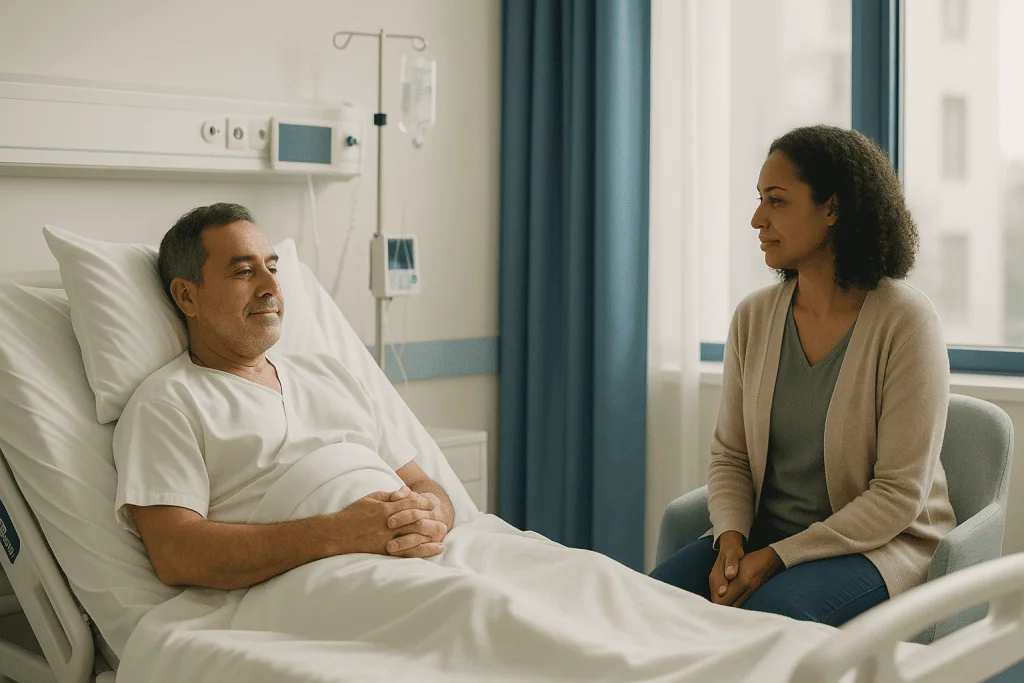
Pack in three layers: documents (passport, medical records, medication list) in your hand luggage; regular medicines in original packaging with prescriptions; and practical comfort items, loose front-opening clothing, non-slip slippers, travel-size toiletries, chargers and a plug adapter. Leave valuables, bulky cases and undocumented medicines at home. Your exact list depends on your procedure, length of stay and your doctor's instructions.
A hospital stay abroad is not a normal trip, and a normal suitcase will not serve it well. When you pack for a hospital stay in Turkey, you are packing for three different situations at once: the flight, the admission, and a recovery period whose length your doctor sets, not your airline. This guide works through each one, documents, medicines, clothing, electronics, comfort items, and is honest about what you can safely leave at home.
It also covers the questions travellers ask alongside packing: what you cannot bring into Turkey, how healthcare works for visitors, and how to keep your bag flexible for discharge day.
At a glance
- What this guide covers: Packing and practical preparation for an inpatient or day-case stay in Turkey
- Purpose: To help you arrive organised, comfortable and ready for admission
- Anesthesia: Not applicable to packing; it depends on your planned procedure
- Hospital stay: Set by your diagnosis, procedure and physician’s plan, confirm before booking flights
- Estimated recovery: Varies by treatment, general health and follow-up needs
- Return to daily life: Your treating doctor advises based on your procedure and progress
- Final result timeline: Varies by treatment; some results appear quickly, others develop over weeks or months
- Suitable department: International Patient Services together with your admitting medical department
- International patient support: Interpreters, airport transfers, accommodation guidance, appointment coordination, and remote follow-up
Why packing for a hospital stay in Turkey is different
Three things separate this trip from an ordinary holiday. First, your most important luggage is paper and data: identification, medical records, medication documentation. A missing swimsuit is an inconvenience; a missing medication list slows down your admission paperwork. Second, your body may work differently after treatment than before it, clothing that fits fine on arrival can be impractical over a dressing or a swollen limb. Third, checked luggage can be delayed, and a delayed bag matters far more when it contains your medicines than when it contains your shoes.
So the working rule for anyone preparing to pack for a hospital stay in Turkey is simple: everything medical travels in the cabin with you, everything replaceable can go in the hold, and everything valuable stays at home.
When to start packing
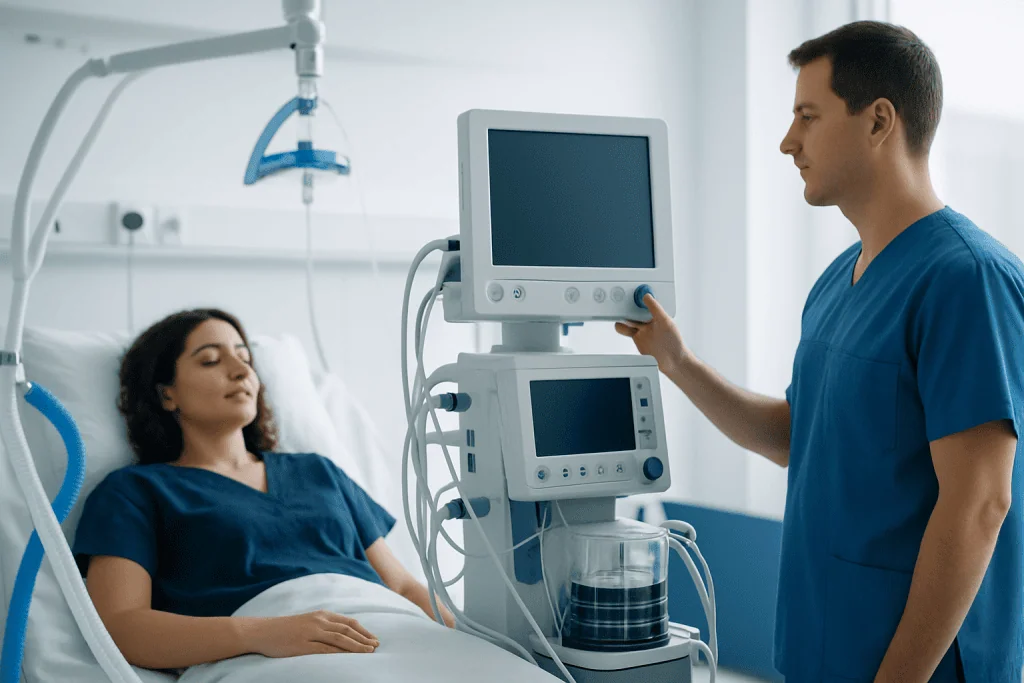
Start once your treatment plan and estimated length of stay are confirmed, not before, because the plan shapes the bag. A two-night orthopaedic stay, a day-case procedure and a longer oncology admission call for different luggage. If your procedure date changes, or your doctor adds specific instructions about fasting, clothing or supplies, update the list rather than starting again.
Preparation matters most if your treatment involves anesthesia, limited mobility afterwards, dietary instructions, wound care, or follow-up appointments before you fly home. Each of these adds items, or removes them. Compression garments, for example, are sometimes provided by the hospital and sometimes requested from the patient; this is exactly the kind of detail worth confirming in writing during pre-travel planning instead of guessing at the airport.
A useful habit: pack a week early, then live with the bag for a few days. The gaps you notice at home are cheaper and calmer to fix than the ones you notice at admission.
Who needs a more detailed packing plan

Most adults travelling for a straightforward procedure can pack from the general checklist at the end of this guide. You will need a more deliberate plan if any of the following apply:
- You take regular medications. These need original packaging, prescription copies and a written schedule, covered in detail below.
- You use a medical device. CPAP machines, mobility aids, glucose monitors and similar equipment usually need to be declared to the hospital before arrival. Our guide to packing medical devices and supplies for treatment travel goes through this step by step.
- You wear glasses, contact lenses, hearing aids or dentures. Bring cases for all of them; before anesthesia you will typically be asked to remove them, and a labelled case is what stops them going missing.
- You have allergies or dietary restrictions. These belong in writing, in your document folder, communicated before travel, not mentioned verbally at admission.
- You are travelling with a child or an older relative. Companions need their own list: documents, comfortable clothes for waiting hours, and accommodation details.
Documents: the folder that runs your admission
Build one physical folder and one offline digital copy (files saved to your phone, not dependent on hotel Wi-Fi). Between them they should hold:
- Passport, and visa documentation if your nationality requires it
- Appointment confirmation and the hospital’s contact details
- Medical history summary: diagnoses, previous surgeries, chronic conditions
- Current medication list and prescription copies
- Allergy list, medication, food, latex, adhesive, and any previous anesthesia reactions
- Relevant test results, imaging reports, discharge summaries and physician letters
- Insurance or payment documentation and your written quotation
- Emergency contacts and your companion’s details, plus your accommodation address
Keep this folder in your hand luggage on every leg of the journey. On discharge day it also becomes the home for new paperwork: discharge summary, prescriptions, imaging records and follow-up instructions for your local doctor.
Medicines: how to pack and document them
This is the category where mistakes cost the most, so treat it strictly. Bring every regular medicine in its original, labelled packaging, not a weekly pill organiser, which tells a border officer and a nurse nothing. Carry prescription copies or a doctor’s letter naming each medicine, its dose and why you take it. Pack enough for your planned stay plus a margin for delays, and split nothing into unmarked containers.
Some medicines, particularly controlled painkillers, sedatives and certain psychiatric medications, are subject to import restrictions and may require supporting documentation at Turkish customs. Rules change, so check current official travel advice for Turkey before you fly rather than relying on a forum post. Our dedicated guide on travelling to Turkey with regular prescriptions covers the documentation in full.
Two firm points. Do not start, stop or adjust any medication because of travel, timing changes around a procedure are decisions for your treating doctor, made before you fly. And declare everything to your medical team, including supplements, herbal products and over-the-counter medicines; some interact with anesthesia or blood clotting, and the team can only plan around what it knows about.
Clothing and footwear
Pack for the version of you that exists after treatment, not before it. That usually means:
- Front-opening tops. Button or zip-front shirts spare you lifting arms over your head, relevant after shoulder, chest, breast or abdominal procedures, and simply easier with an IV line in place.
- Elastic-waist trousers or soft joggers. Nothing that presses on a dressing.
- Non-slip slippers or slip-on shoes. Hospital floors are hard and smooth, and bending to tie laces may be off the menu for a while.
- Light layers. Hospital rooms are climate-controlled; a soft cardigan handles the gap between warm ward and cool corridor.
- Comfortable underwear and sleepwear in enough quantity that laundry is not a daily concern.
If your procedure has specific clothing implications, compression garments, supportive footwear, a sling, bring only what your care team has actually asked for. Guessing tends to fill a suitcase with items the hospital either provides or advises against.
Toiletries, electronics and comfort items
Basic hospital provisions vary, so bring travel-size versions of your own: toothbrush and toothpaste, gentle soap or shower gel, deodorant, lip balm (air conditioning and anesthesia both dry the lips), a hairbrush, and any skin products you rely on. Skip strong fragrances, shared rooms and post-anesthesia nausea do not mix well with perfume, and avoid applying cosmetics, lotions or nail polish before a procedure unless your team confirms it is fine, since these can interfere with monitoring equipment.
For electronics: Turkey uses European-style two-pin sockets at 220–230V, so travellers from the UK, Ireland and outside continental Europe need a plug adapter. Bring your phone, a charger, a power bank for transfer days, headphones for shared rooms, and consider a long charging cable: the socket is rarely next to the bed. Mobile data or a roaming plan keeps you in touch with your companion and family without depending on ward Wi-Fi.
Comfort items earn their space on stays longer than a night or two: an eye mask and earplugs, a book or downloaded films, your own pillowcase, a small familiar object from home. For longer admissions, our guide on staying comfortable during a multi-day hospital stay in Turkey goes deeper on this.
Cabin bag or checked luggage?
The dividing line is simple: anything you cannot easily replace in Turkey within a day travels in the cabin.
| Keep in your cabin bag | Fine for checked luggage |
|---|---|
| Passport, document folder, digital copies on your phone | Most clothing beyond one change |
| All medicines, in original packaging, with prescriptions | Spare shoes and extra layers |
| Glasses, contact lenses, hearing aids, dentures, with cases | Full-size toiletries |
| Phone, charger, adapter, power bank | Books and entertainment beyond one day’s worth |
| One change of comfortable clothing and underwear | Companion’s non-essential items |
| Medical devices you use daily (declared to the airline where required) |
Refrigerated medicines and battery-powered medical equipment have their own airline and customs rules; these are worth confirming in writing before departure, not at check-in.
What to leave at home, and what you cannot bring into Turkey
Leave at home: expensive jewellery, large amounts of cash, bulky luggage you cannot lift safely after treatment, strong perfumes, and non-prescribed medical products your care team has not approved. Hospital rooms are not designed for secure storage of valuables, and you may be away from the room for tests or theatre.
Separately, Turkish customs rules restrict certain items at the border. Illegal drugs are strictly prohibited, and some controlled medicines require documentation, as covered above. Weapons and certain self-defence items are restricted, and there are limits on quantities of goods such as tobacco and alcohol. These rules are updated periodically, so check current official travel advice for Turkey shortly before you fly: the references at the end of this guide are a sensible starting point.
Packing for just one night
When you pack for a hospital stay in Turkey that lasts only a single night, the list compresses to: your document folder; your medicines; sleepwear and one change of loose clothing; non-slip slippers; a small toiletry bag; glasses or lens case; phone, charger and adapter; earplugs and an eye mask; and something to read. That is genuinely all: the most common overnight mistake is overpacking, not underpacking, because a crowded room makes nursing care and your own movement harder.
Discharge day and the journey home
Leave empty space in your luggage. Discharge adds paperwork, prescriptions and sometimes approved supplies, and you may be less able to compress and lift a stuffed case than you were on arrival. If your procedure affects mobility, a case with four wheels beats a duffel bag.
Two planning points matter more than any packed item. First, do not book a fixed return flight before your doctor has confirmed when travel is appropriate, clearance depends on your procedure, mobility and whether a follow-up check is needed, and plans can change after in-person evaluation. Our guide on when to stay near the hospital after treatment in Turkey explains how that decision is usually made. Second, the flight home deserves its own small kit, loose clothing, documents within reach, anything your doctor recommends for the journey. There is a full breakdown in how to pack a post-surgery flight home comfort kit.
Your discharge documents will set out what is expected during early recovery and which changes should be reviewed by a doctor. Keep them, in the original language and any translation provided, with your travel documents: your local physician will want them.
Healthcare in Turkey for visitors: a realistic picture
Two questions come up constantly, so here are plain answers. Tourists do not receive free healthcare in Turkey. The public health insurance system covers Turkish citizens and registered residents; visitors are expected to pay for treatment, whether in a public or private hospital. This is one reason comprehensive travel or medical insurance is worth arranging before any trip that includes planned treatment, and worth reading closely, since standard travel policies often exclude complications of planned procedures.
If you become unwell in Turkey outside your planned treatment, the country has a wide network of pharmacies (look for the eczane sign), plus public and private hospitals with emergency departments. The national emergency number is 112. Pharmacists can help with minor everyday needs; anything beyond that belongs with a doctor.
Cost and package information
The cost of a hospital stay depends on the medical department, the procedure, anesthesia requirements, operating or procedure room use, laboratory and imaging tests, length of stay, medications, implants or special materials where needed, and follow-up requirements. No two treatment plans price identically, which is why quotations are prepared individually after medical review.
International patient packages typically cover consultations related to the planned treatment, hospital services connected to the procedure, nursing care during admission, standard in-hospital meals and coordination support. Interpreter services, airport transfers and accommodation guidance may also be arranged depending on the package. What usually sits outside a package: international flights, visa costs, extended hotel stays, companion expenses, unrelated tests, treatment for newly discovered conditions, and additional procedures that become necessary after physician evaluation. Read any written quotation carefully: our guide on comparing surgery packages without missing hidden extras shows what to look for line by line.
How Acibadem International supports your stay
Acibadem International coordinates hospital access, multilingual communication and practical guidance for patients travelling to Turkey. International patient services include interpreters, airport transfers, accommodation guidance, appointment coordination, and remote follow-up communication after you return home. For many patients, having one point of contact through an unfamiliar healthcare journey is the practical difference between a stressful trip and a manageable one. Your care pathway itself is planned according to your medical needs and confirmed through physician evaluation.
Medical review and disclaimer
This guide has been reviewed by the Acibadem International medical team. It provides general information for international patients preparing for a hospital stay in Turkey.
It does not replace a personal consultation, diagnosis or treatment plan from a qualified physician. Packing advice and travel planning should be adapted to your medical condition, procedure, length of stay and your doctor’s instructions. Your suitability for any treatment, travel timing or return flight requires physician evaluation. Always follow the specific guidance of your medical team, especially regarding medications, fasting, mobility and wound care.
Step by step
- Initial contact. You contact Acibadem International and share your main medical concern, preferred dates, language needs, and whether a companion will travel with you.
- Medical record submission. You send relevant medical reports, test results, imaging, medication lists, and photos if your specialty requires them.
- Preliminary medical review. The appropriate medical team reviews your information and may request additional documents before advising on possible next steps.
- Treatment plan and quotation. You receive a preliminary plan and written cost information based on available records; the final plan may change after in-person evaluation.
- Travel planning. You coordinate travel dates, accommodation, airport transfer, interpreter needs, and your packing list with the international patient team.
- Arrival. You are guided to your hotel or hospital according to the agreed schedule, with support arranged where requested.
- In-person consultation. You meet your physician, review your medical history, discuss expectations, and confirm whether the planned treatment is suitable for you.
- Pre-operative tests. If your treatment requires it, you complete blood tests, imaging, anesthesia evaluation, or other safety checks before the procedure.
- Treatment. Your treatment is performed according to the confirmed medical plan, with interpreter support available when needed.
- Hospital stay. You recover under medical supervision, using your packed essentials, with nursing care and monitoring.
- First control. Your doctor checks your early recovery, reviews any dressings or test results, and adjusts instructions if needed.
- Discharge and travel clearance. You receive discharge documents, prescriptions, follow-up instructions, and guidance on when travel is appropriate.
- Remote follow-up. After returning home, updates, reports or questions can be shared through the coordinated follow-up pathway where appropriate.
Your checklist
- Passport, visa documents if required, and copies of important travel documents
- Appointment confirmation, hospital contact details, and international patient coordinator information
- Medical history summary, including diagnoses, previous surgeries, and chronic conditions
- Current medication list, original medication packaging, prescriptions, and supplement list
- Allergy list, including medication, food, latex, adhesive, or anesthesia-related reactions
- Relevant test results, imaging reports, discharge summaries, and physician letters
- Digital copies of records, saved offline and accessible without Wi-Fi
- Comfortable loose clothing, front-opening tops, non-slip slippers, underwear, and light layers
- Personal toiletries, glasses, hearing aids, chargers, headphones, and a plug adapter
- Emergency contact details, companion information, and local accommodation address
Key takeaways
- Everything medical travels in your cabin bag: documents, medicines, glasses, devices, and one change of clothing.
- Bring medicines in original packaging with prescription copies, and check current customs rules for controlled medications before flying.
- Pack for the post-treatment version of you: front-opening tops, elastic waists, non-slip slippers, light layers.
- Leave valuables, heavy luggage and strong fragrances at home, and leave empty space for discharge paperwork and supplies.
- Do not fix a return flight before your doctor confirms when travel is appropriate; your packing list follows your treatment plan, not the other way round.
Frequently asked questions
What do I need to pack for an overnight stay in hospital?
Your document folder, all regular medicines in original packaging, sleepwear, one change of loose clothing, non-slip slippers, a small toiletry bag, glasses or lens case, phone and charger with a plug adapter, earplugs, an eye mask, and something to read. For a single night, less is genuinely more.
What can I not bring to Turkey?
Illegal drugs are strictly prohibited, and certain controlled medicines, some painkillers, sedatives and psychiatric medications, require supporting documentation such as a prescription or doctor’s letter. Weapons and some self-defence items are restricted, and quantities of tobacco and alcohol are limited. Rules change, so check current official travel advice for Turkey shortly before you fly.
Do tourists get free healthcare in Turkey?
No. Turkey’s public health insurance covers citizens and registered residents, not visitors. Tourists are expected to pay for treatment in both public and private hospitals, which is why comprehensive travel or medical insurance is worth arranging before any trip, and worth reading closely, as standard policies often exclude planned treatment and its complications.
What should I do about healthcare if I get sick while in Turkey?
Turkey has an extensive network of pharmacies (marked eczane) for minor everyday needs, plus public and private hospitals with emergency departments. The national emergency number is 112. Keep your insurance details, medication list and accommodation address accessible so any doctor treating you has accurate information.
Should I bring all of my regular medications?
Yes, in original packaging, with prescription copies and a written schedule, and enough for your planned stay plus a margin for delays. Declare all medicines, supplements and herbal products to your medical team, and do not change any medication routine for travel; timing decisions around a procedure belong to your treating doctor.
What clothes are best for a hospital stay?
Loose, front-opening tops, elastic-waist trousers, non-slip slippers and light layers. Choose clothing that works over dressings and with an IV line, and that you can put on without lifting your arms overhead or bending deeply. If your procedure needs specific garments, bring only what your care team has asked for.
What should I avoid packing?
Expensive jewellery, large amounts of cash, luggage too heavy to lift safely after treatment, strong perfumes, and non-prescribed medical products your care team has not approved. Hospital rooms offer limited secure storage, and you may be away from the room for tests or theatre.
Are toiletries provided in the hospital?
Provisions vary, so bring travel-size versions of your own essentials: toothbrush, gentle soap, deodorant, lip balm and a hairbrush. Choose fragrance-light products, and avoid cosmetics, lotions or nail polish before a procedure unless your team confirms they are fine, as some interfere with monitoring equipment.
Add us as a Preferred Source to see more of our trusted health content across Google Search, AI Overviews and Discover.

Update history
- PublishedJune 22, 2026
- Medical review approvedSeptember 13, 2026
- Last content updateSeptember 12, 2026
References2
More Patient Guides

HoLEP in Turkey: How It Compares With TURP and What Recovery Involves
HoLEP in Turkey treats enlarged prostate tissue with laser enucleation; learn how it compares with TURP, recovery, travel and follow-up.

Porcelain Veneers in Turkey: Who Is Suitable and How Many Visits Are Needed?
Porcelain veneers in Turkey can enhance tooth shape and colour in two visits for suitable patients after a personalised dental assessment.

How to Prepare for a Sedation Procedure in Turkey
Prepare safely for a sedation procedure in Turkey with guidance on fasting, medicines, travel, recovery and follow-up.
Treatment Delays in Turkey: What Happens If Tests or Recovery Change Your Schedule
Treatment delays in Turkey can happen if tests or recovery change your plan. Learn how to manage appointments, travel, accommodation and follow-up.