

How to Pack for a Planned Hospital Stay in Turkey
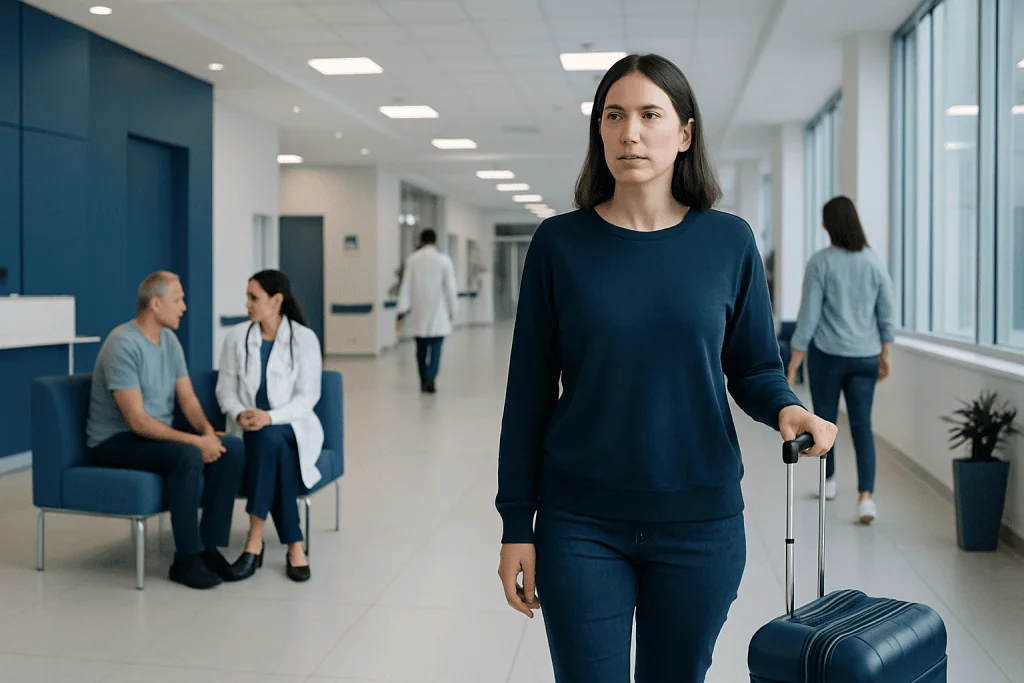
How to pack for a planned hospital stay in Turkey: bring documents, medicines, comfort items and chargers, and keep bags light and organized.
Packing for a planned hospital stay in Turkey is easier when you focus on essentials: documents, medications, comfortable clothing, devices and a few familiar items. This guide helps you organize your bag so you feel prepared, comfortable and ready for a smoother arrival.
At a glance
- Best approach: Pack light, label everything and keep important items in your hand luggage
- Must-have items: Passport, hospital documents, medication list, chargers and comfortable clothes
- What to avoid: Valuables, large amounts of cash, strong fragrances and unnecessary electronics
- Medication tip: Bring medicines in original packaging with prescriptions or a doctor’s note
- If traveling to Acibadem International: International patient services can help you plan arrival, interpretation and practical logistics
Start with the essentials, not a full suitcase
When you are preparing for a planned hospital stay in Turkey, the easiest way to pack is to think in categories rather than trying to bring everything you use at home. Most patients do best with one small suitcase or soft bag plus a personal item for documents, phone, charger and medicines. A lighter bag is easier to manage at the airport, during transfers and when moving between your room, testing areas or hotel.
Your hospital stay may be shorter than you expect, especially if you are admitted for evaluation, imaging, a minor procedure or a planned surgery with a defined recovery period. That means you usually need practical, washable, easy-to-wear items rather than many outfit choices. If you are also staying in Istanbul or elsewhere in Turkey before or after your admission, you can separate your travel clothes from your hospital bag so the items you need most are easy to reach.
If you are traveling with Acibadem International, it can help to confirm your admission plan, expected stay length and any special instructions before you pack. International patient teams can also advise on airport-to-hospital logistics, interpreter support and what is useful to keep with you on arrival day.
Keep your documents together and easy to reach
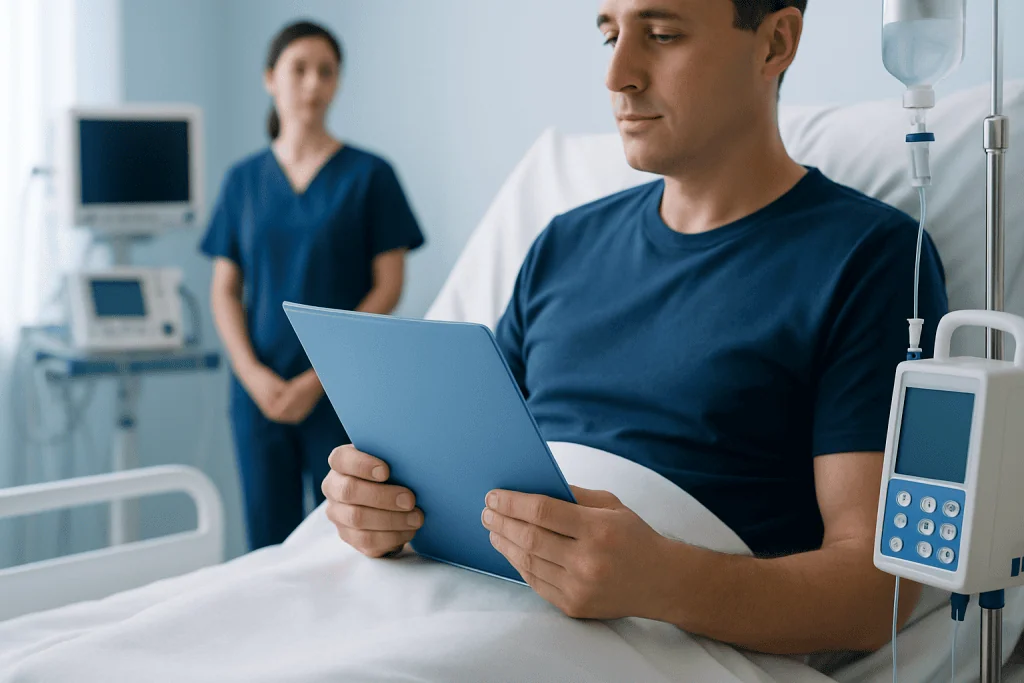
Your most important packing category is paperwork. Keep all medical and travel documents in one slim folder inside your hand luggage, not in checked baggage. This should include your passport, visa or travel authorization if needed, hospital appointment confirmations, previous medical reports, scan or test results, insurance documents if applicable and contact details for your coordinator, companion or local accommodation.
It is also useful to carry a printed and digital copy of key information. Phone batteries run low, airport Wi-Fi can be unreliable and not every checkpoint is the right moment to search your email. Save your hospital address, transfer details and emergency contact numbers offline on your phone, and carry paper copies as a backup.
If your documents are not in English or Turkish, bring translated summaries where possible, especially for diagnoses, prior surgeries, allergies and current medicines. At JCI-accredited Acibadem International hospitals, international patient services and interpreters can help with communication, but arriving with clear records still makes check-in and clinical review smoother.
- Passport and identification
- Hospital booking or admission letter
- Medical reports, lab results and imaging CDs or links
- Insurance or payment documents, if relevant
- Emergency contacts and accommodation details
Pack medicines carefully and safely

If you take regular medication, keep it in your hand luggage in its original packaging. Bring enough for your trip plus a small extra supply in case of delays, but do not pack unusually large quantities unless you have been advised to do so. Include prescriptions, a medication list with dosages and times, and a note about any allergies or reactions you have had in the past.
This is especially important if you use inhalers, insulin, blood pressure medication, seizure medication, eye drops, anticoagulants or any medicine that cannot be missed. If any medication needs refrigeration, special handling or approval before travel, clarify that with your airline and your hospital team in advance. Never assume that a familiar brand name in your home country will be identical abroad.
Do not start, stop or replace medicines on your own just because you are traveling. Your doctor or hospital team may give specific instructions before admission, especially for blood thinners, diabetes medicines, supplements or herbal products. Pack those items, but follow the medical advice you have been given about when to take or pause them.
Choose comfort items that make recovery easier
The right comfort items can make you feel much more settled without overpacking. Choose loose, soft clothing that is easy to put on and remove, such as front-opening tops, comfortable sleepwear, a light robe or cardigan and slippers with a non-slip sole. Hospitals often keep rooms well regulated, but layers are helpful because your comfort level may change before or after treatment.
Toiletries should be simple and travel-sized: toothbrush, toothpaste, lip balm, unscented moisturizer, hairbrush, glasses case and any personal hygiene items you prefer. If you wear contact lenses, consider bringing glasses as your main option for convenience. Avoid strong perfumes or heavily scented products, as hospital environments are shared and some patients are sensitive to smell.
Small familiar items can also help you feel calmer. Many patients appreciate headphones, an eye mask, a book, a lightweight scarf, a refillable water bottle if permitted, or a phone stand for video calls. At the same time, try not to bring too many loose belongings. The goal is comfort and reassurance, not a crowded bedside table.
Think through your devices, money and valuables
Your phone is likely to be one of your most important practical tools during a hospital stay in Turkey. Bring your phone, charger, power bank and any plug adapter you need, and place them in an easy-access pouch. If you rely on a tablet, e-reader, hearing aid charger or CPAP-related accessories, make a specific note of those items so they are not forgotten during last-minute packing.
Keep money matters simple. Bring the payment methods you expect to use, but avoid carrying large amounts of cash or expensive jewelry. It is usually best to leave valuables at home unless they are medically necessary or essential for travel. A small crossbody bag or zipped pouch for passport, cards and phone can be useful on transfer days and during admission.
If you are staying with Acibadem International, practical coordination support may include guidance on transfers, accommodation and arrival timing, which can reduce how much you need to manage on your own. Even with that support, it is wise to keep one compact bag with your critical personal items beside you rather than packed away in larger luggage.
Pack differently if you have a companion or special needs
If a family member or friend is traveling with you, agree in advance on who carries what. It often works best if you keep your own documents, medicines and day-of-admission essentials, while your companion carries secondary items like extra clothing, snacks for travel segments, or backup chargers. This avoids confusion if you are temporarily separated at check-in, security or registration.
If you have mobility needs, sensory sensitivities, dietary requirements or use medical equipment, build those needs into your packing plan early. Include spare batteries, written equipment instructions, cleaning supplies or comfort supports you rely on, such as a neck pillow, compression items if approved, or hearing and vision aids. Labeling equipment and pouches clearly can save time and reduce stress on arrival.
Hospitals in the Acibadem International network serve many international patients and can help coordinate practical details such as interpretation and patient support services. If you expect any accessibility or communication challenges, mention them before you travel so your packing and arrival plan match your actual needs.
What not to bring, and how to pack for the trip home
One of the most common packing mistakes is bringing too much. You usually do not need multiple pairs of shoes, bulky towels, a hair dryer, large cosmetic bags or several days of nonessential electronics. Avoid sentimental valuables, irreplaceable jewelry and anything you would be very upset to misplace during travel, admissions paperwork or room changes.
It is also wise to leave room in your bag for the journey home. You may return with discharge papers, new prescriptions, small care supplies or items bought locally in Turkey. Keep one section of your suitcase available for those additions, and bring a spare lightweight tote or foldable bag in case your hand luggage becomes more crowded on the way back.
Before discharge, repack slowly and use a checklist. Make sure your medications, passports, phone charger, glasses and documents are all back in your possession. Whether you are heading to a hotel for recovery, onward travel in Istanbul or directly to the airport, an organized departure makes the next step much easier.
Step by step
- Confirm your stay details. Before you pack, check how long you are expected to stay, whether you will have tests before admission and what clothing or personal items are recommended. If anything is unclear, ask your hospital coordinator so you pack for your actual schedule, not a worst-case scenario.
- Make a document folder. Create one folder with passport copies, hospital confirmations, test results, prescriptions and emergency contacts. Keep it in your hand luggage and save digital backups on your phone for easy access during travel and check-in.
- Separate medicines from the rest of your bag. Put all regular medicines, prescriptions and your medication list into a dedicated pouch that stays with you at all times. This reduces the risk of losing something important if checked baggage is delayed or if you need to show staff exactly what you take.
- Pack a small hospital-day bag. Set aside the items you are most likely to need immediately: phone, charger, glasses, lip balm, tissues, a cardigan and your documents. This lets you reach essentials quickly without unpacking your full suitcase on arrival.
- Choose easy, recovery-friendly clothing. Pack soft, loose, simple clothes that are easy to change in and out of, plus non-slip slippers. Comfort matters more than appearance, especially if you may feel tired, have dressings or need to move around carefully.
- Leave out valuables and extras. Review your bag once before closing it and remove anything expensive, bulky or unnecessary. A lighter, more focused bag is easier to handle and gives you more space for discharge papers or supplies later.
- Prepare for the return journey. Keep a little spare space in your luggage and bring one foldable extra bag if you can. Before leaving the hospital, repack calmly and double-check that all documents, devices and medicines are with you.
Your checklist
- Passport, ID and travel documents
- Hospital confirmation, reports and test results
- Regular medicines in original packaging
- Prescription list, allergy list and doctor’s note if needed
- Phone, charger, power bank and plug adapter
- Loose clothing, sleepwear and non-slip slippers
- Basic toiletries and glasses
- Small amount of cash and bank cards
- Companion contact details and accommodation information
Key takeaways
- Pack for function and comfort, not for every possibility.
- Keep documents, medicines and chargers in your hand luggage.
- Bring regular medications in original packaging with written details.
- Choose loose clothing, simple toiletries and a few calming personal items.
- Leave valuables at home and save room for discharge papers or supplies.
Frequently asked questions
How much should I pack for a planned hospital stay in Turkey?
Usually, a small suitcase plus a personal bag is enough for a planned stay. Pack for the expected number of days, then add only a few practical extras rather than a full second layer of clothing or nonessential items.
Should I bring my regular medications from home?
Yes, bring your regular medicines in original packaging and keep them in your hand luggage. Also carry prescriptions or a written medication list so the hospital team can clearly review what you take.
What documents are most important on admission day?
Your passport, hospital confirmation, prior medical records, medication list and any insurance or payment documents are the key items. Keep both printed and digital copies if possible, especially when traveling internationally.
Can I bring electronics and chargers to the hospital?
Yes, most patients bring a phone and charger, and many also bring a power bank or tablet. Keep devices limited to what you will actually use, and avoid bringing expensive or unnecessary electronics.
What should I avoid packing for a hospital stay in Istanbul or Turkey?
Avoid valuable jewelry, large amounts of cash, bulky toiletries, many shoes and items you do not want to risk misplacing. Strongly scented products are also best left out, as shared hospital environments should stay comfortable for everyone.
What if I do not speak Turkish?
Bring your key medical information in English if possible, and keep important details written clearly. Acibadem International supports international patients with interpreter and coordination services, which can make admission and communication much easier.
Should I pack differently if a family member is traveling with me?
Yes, it helps to divide responsibilities. You should carry your own essential documents and medicines, while your companion can manage backup items and some general travel supplies.
Add us as a Preferred Source to see more of our trusted health content across Google Search, AI Overviews and Discover.
More Patient Guides

Can You Fly to Turkey After Chemotherapy? Travel Timing and Safety Checks
Can you fly to Turkey after chemotherapy? Often yes, if your oncology team confirms your blood counts, infection risk, and hydration are…
9 min read
How to Travel Around Istanbul During Treatment
How to travel around Istanbul during treatment: use taxis, hospital shuttles and simple route planning in Istanbul, Turkey, to stay safe and…
9 min read
Flying to Turkey for Surgery: How to Lower DVT Risk on Long-Haul Trips
Flying to Turkey for surgery? Lower DVT risk with simple in-flight, pre-travel, and arrival steps for safer long-haul travel to Istanbul.
9 min read