

How to Plan Meals Around Surgery and Recovery in Turkey

Treat food as part of your surgical logistics. Before surgery, eat regular, familiar, easy-to-digest meals and follow your team's fasting instructions exactly. Stock your room with water and soft foods before the procedure, restart eating slowly once cleared, and arrange a companion, room service or grocery delivery so you are never hunting for a meal when your energy is lowest.
Where will you get breakfast if you have to stop eating at midnight? Does your hotel room have a fridge? Who picks up groceries when you are too tired to walk to a shop? These questions tend to surface late — often the night before surgery, when you have far better things to think about.
This guide shows you how to plan meals around surgery and recovery in Turkey so that eating stays simple, safe and well-timed while your appetite, schedule and energy change. It covers what to eat before your procedure, how fasting instructions work, how to restart food afterwards, and how to organise shopping, hydration and room setup so recovery is not interrupted by food logistics.
At a glance
- Best for: International patients preparing for surgery and early recovery in Turkey
- Main goal: Keep eating simple, safe and well-timed around your procedure
- Key practical points: Fasting instructions, hydration, soft foods, shopping, and hotel-room meal planning
- Who advises you: Your surgeon, the anaesthesiology team, a dietitian if one is involved, and international patient services for logistics
- Common challenge: Low appetite, nausea, tiredness and limited energy for shopping or cooking in the first days
Why you should plan meals around surgery and recovery in Turkey before you fly
When you travel abroad for an operation, food stops being routine and becomes part of your logistics plan. Procedure timing, fasting instructions, medications, jet lag and post-operative fatigue all affect when and what you feel able to eat. None of this is difficult to manage — but it is much easier to manage before you fly than at ten in the evening in an unfamiliar city.
Be clear about the aim. You are not building a perfect diet, and this is not the week to overhaul your eating habits. The aim is to make food easy, gentle and reliable for a few days before treatment and during early recovery. That means thinking in concrete terms: where breakfast comes from on a fasting day, whether your room has a fridge and kettle, who can fetch groceries, and which foods you can face when your appetite is low.
There is a second reason planning matters. When eating and drinking go smoothly, everything around them tends to go more smoothly too — medication timing, sleep, energy for walking, and your general mood. When you plan meals around surgery and recovery in Turkey in advance, you remove a whole category of small daily decisions at exactly the point when decision-making feels hardest.
One caveat applies to everything in this guide: it is general, practical information. Your surgeon and anaesthesiology team may give you procedure-specific eating instructions, and those always take priority. If your treatment sits within a field with its own dietary protocols — bariatric and metabolic surgery is the clearest example, where staged post-operative diets are standard — the clinical plan replaces general travel advice entirely.
What to eat in the days before surgery
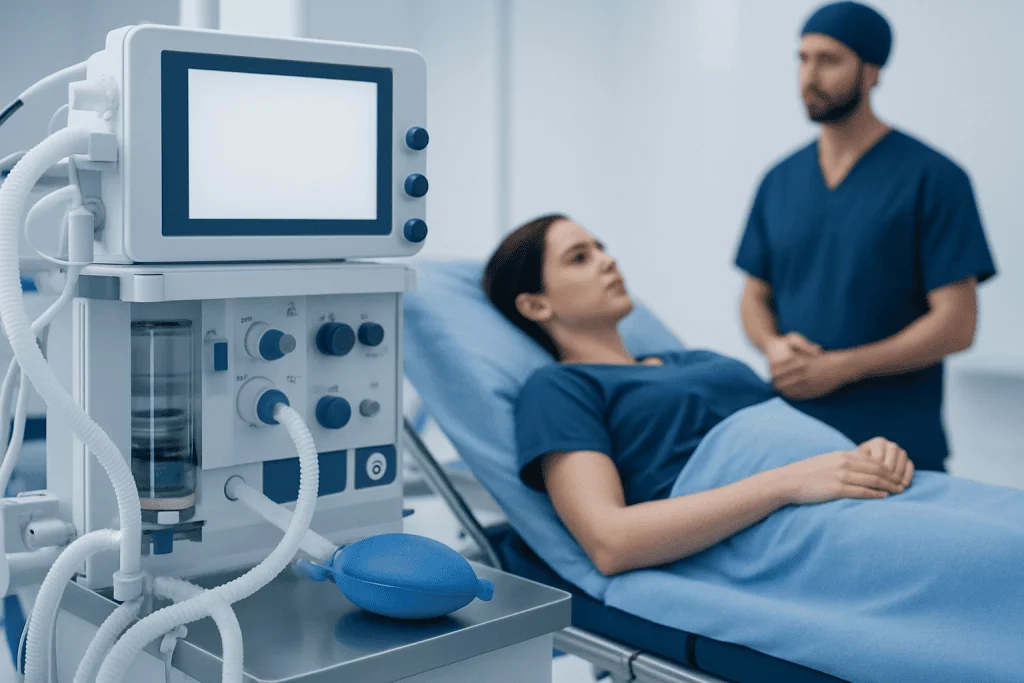
In the days leading up to surgery, most people do best with regular, balanced, familiar meals that are easy to digest. Focus on steady hydration, adequate protein, fruit and vegetables, and simple carbohydrates such as rice, oats, bread or potatoes. Unless your medical team gives you specific instructions, this ordinary approach is usually better than a strict cleanse, self-imposed fasting or a sudden change of diet. Surgery is not improved by dramatic eating in the week before it.
If your stomach is sensitive when you travel, choose meals that behave predictably for you. Soups, yoghurt, eggs, toast, grilled chicken, rice, bananas and soft cooked vegetables are practical choices, and all of them are easy to find in Turkey. Go easy on rich restaurant meals, very large portions and heavily spiced dishes in the final day or two, particularly if travel fatigue or pre-operative nerves are already unsettling your appetite. Istanbul’s food scene will still be there when you are recovering; the day before surgery is not the moment to explore it.
Think ahead about recovery snacks while you still have the energy to shop. Simple items keep well in a hotel room: crackers, plain biscuits, yoghurt, kefir, milk or UHT milk, fruit purée, packet soup, oatmeal cups and soft bread. Buying these before surgery day means they are waiting for you afterwards, when even a short walk to a shop can feel like a project.
- Keep meals regular and moderate rather than very heavy.
- Drink water steadily through the day unless you have a fluid restriction.
- Limit alcohol before surgery unless your team tells you otherwise.
- Check with your care team before using herbal drinks, supplements or protein powders — “natural” does not mean neutral around anaesthesia.
- If a doctor has already prescribed a special diet for diabetes, a gastrointestinal condition or an allergy, follow that plan, not general travel advice.
If your trip also involves scans or diagnostic work before the operation itself, the food rules can differ from day to day. Our separate guide on how to plan meals around tests and procedures in Turkey covers fasting for blood tests, imaging and endoscopy in more detail.
Fasting rules and the night before your procedure
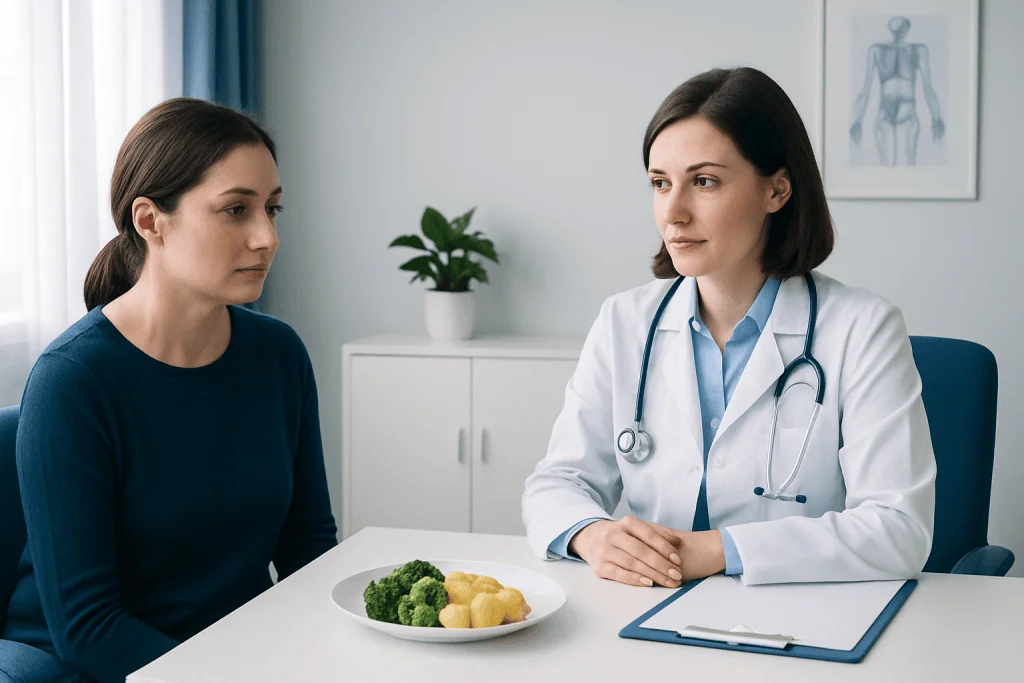
Your surgical team will give you specific fasting instructions, and those instructions come first — before anything in this guide, before advice from friends, and before anything you have read online. They will typically tell you when to stop solid food, when to stop clear liquids, and whether any of your regular medications should still be taken with a small sip of water. Follow the exact timings you receive, even if they differ from what you were told before a previous operation elsewhere. Fasting protocols vary by procedure, by anaesthesia type and by patient.
The practical trick for the night before is to plan your last allowed meal in advance rather than improvising. Choose something simple and satisfying — a lighter evening meal with good hydration earlier in the day usually feels better than a heavy “last supper” eaten against the clock. Eating a very large meal just before the fasting window begins tends to produce a restless night, not a stronger start.
Two details deserve attention:
- Get the instructions in writing. Ask for the fasting cut-off times in writing, or have them explained through an interpreter and note them on your phone. Acibadem hospitals coordinate communication for international patients precisely because details like food, drink, medication timing and arrival time are too important to leave to a half-understood conversation.
- Mind the hotel breakfast trap. Hotel breakfasts, buffets and room-service menus do not know your fasting schedule. If your cut-off falls before the breakfast service, plan around it deliberately — a bland snack eaten within the allowed window the evening before is worth more than a breakfast you cannot touch.
Do not extend or shorten the fast on your own initiative. Fasting for longer than instructed is not “extra safe”; it can leave you dehydrated and depleted. Eating after the cut-off, meanwhile, can delay or postpone your procedure. If you genuinely slip up, tell the team honestly — they need accurate information far more than they need a tidy story.
How to manage meals right after surgery
After surgery, a low appetite is common and usually temporary. You may feel sleepy, dry-mouthed, mildly nauseated or simply uninterested in food. The general pattern is a gradual restart, at the pace your team sets: they will tell you when you may begin drinking, when you may eat, and whether the first meals should be liquid, soft or normal in texture. That sequence depends on your procedure and your anaesthesia, so it is not something to guess at.
Once you are cleared to eat, start small. Clear fluids often come first, followed by soft, plain foods that are easy to tolerate. Treat food as gentle support rather than a test of how much you can manage. A few spoonfuls of soup, some yoghurt, toast, mashed potato, eggs or porridge is a more realistic first target than a full restaurant meal, and eating smaller portions more often usually works better than three large sittings.
Hydration matters at least as much as food in the first days. Small, frequent sips are easier than draining a large bottle in one go, and keeping water within arm’s reach of the bed removes one more reason to get up when you should be resting. If nausea, vomiting, difficulty swallowing, severe bloating or an inability to keep fluids down persists, that is information your clinical team wants — persistent problems are usually easier to address early than after dehydration and exhaustion set in.
- Choose soft, mild foods first and expand slowly by comfort, not by ambition.
- Eat smaller portions more often rather than forcing full meals.
- Avoid very greasy or spicy dishes while your stomach feels unsettled.
- Ask your team before using over-the-counter remedies, herbal teas or supplements, especially alongside pain medication, blood thinners or antibiotics.
The post-operative period has enough detail to deserve its own guide. For a fuller day-by-day approach — including textures, portion pacing and appetite fluctuations — see how to plan meals after surgery during your stay in Turkey.
Smart food logistics for hotels, apartments and companions
Recovery feels dramatically easier when food is within reach. Before you arrive, check whether your hotel or apartment has a mini-fridge, kettle, microwave or a room-service menu with simple options. Even a basic setup — a fridge, a kettle, a spoon and a bowl — changes the first few days, because it means yoghurt, soup, tea and porridge are available without leaving the room.
Practical questions worth settling before surgery day:
- Does the room have a fridge cold enough for dairy, and a kettle?
- What are the room-service hours, and is there anything plain on the menu?
- How close is the nearest grocery shop and pharmacy, and do local delivery apps serve your address?
- Where will drinking water come from — bottled deliveries, the hotel, or a nearby shop?
If you are travelling with a companion, put them to work on a simple meal routine for the first few days: picking up breakfast items, keeping water by the bed, reheating soup, and making sure something small is available around medication times where your team has advised eating with medicines. Companions often want to help and do not know how; a food routine is a concrete, genuinely useful job.
If you are travelling alone, the same needs exist, so build the substitutes deliberately — accommodation close to the hospital, grocery and meal delivery set up on your phone before surgery day, and a stocked room. Our guide on travelling to Turkey for surgery alone covers the wider solo-patient plan, of which food is one part. Older travellers may also find the dedicated guide to surgery in Turkey after 60 useful, since appetite, medication schedules and energy for errands often need more deliberate planning with age.
Eating safely in Turkey while you recover
Turkey offers plenty of convenient, nourishing food, but early recovery is not the time to experiment. Choose reputable restaurants, hotel dining or groceries from established shops. If your stomach feels delicate, prioritise freshly prepared, simply cooked meals and avoid food that has been sitting out — the standard travel-eating caution applies with extra force when your body is already working on healing.
Look for familiar textures that are easy to digest. In most Turkish cities you will readily find lentil and other soups, rice dishes, yoghurt-based foods, eggs, fresh bread, grilled meats, soft cheeses, fruit and cooked vegetables — a naturally recovery-friendly range. If you have allergies or intolerances, prepare written notes on your phone in advance listing the ingredients you must avoid, and ask for help translating them properly rather than relying on gestures at the table. Interpreter support exists for exactly this kind of detail.
Food safety also includes what you drink and swallow alongside meals. Some patients assume herbal teas, appetite tonics or supplements are harmless because they are natural. Around surgery, that assumption is unsafe: some products interact with anaesthesia, bleeding risk or prescribed medicines. The rule is simple — check with your clinical team before adding anything new, and never start, stop or change a medication on your own; that decision belongs to your treating doctor.
Step by step
- Ask for your eating and fasting instructions early. As soon as your procedure is scheduled, ask exactly when to stop solids and liquids and how your regular medications should be handled around the fast. Keep the instructions in writing on your phone so you and your companion can check them without second-guessing.
- Plan three simple pre-surgery meal options. Choose a few familiar meals you know sit well with you, especially for the day before surgery. This removes food decisions at the point where travel fatigue and nerves make every decision harder.
- Set up your room for easy recovery eating. Before surgery day, stock water and a small supply of gentle foods you can face once cleared to eat. Confirm the fridge and kettle work. A spoon and a bowl are surprisingly valuable equipment.
- Restart food slowly after the procedure. Follow the hospital team’s guidance on when to drink and eat again. Begin with small amounts and increase gradually based on comfort, not on a schedule you set yourself.
- Use your companion or support arrangements deliberately. Assign the food runs, delivery orders and meal setup to someone else so you can rest. If you are travelling alone, have delivery apps and a nearby shop identified before surgery day, not after.
- Keep your team informed. If eating or drinking becomes difficult because of nausea, pain, constipation, diarrhoea or poor appetite, say so during your care rather than pushing through quietly. Small adjustments are easier to make early than after dehydration or exhaustion have taken hold.
Your checklist
- Written fasting instructions from your care team, saved on your phone
- A refillable water bottle for use before the fasting cut-off
- Soft, easy-to-digest foods stocked in your room before surgery day
- A written list of allergies, intolerances and special diet needs
- Translated notes for key food restrictions if needed
- Confirmation that your room has a working fridge and kettle
- A plan for grocery delivery, room service or a nearby shop
- Contact details for your hospital and international patient coordinator
Key takeaways
- Keep meals simple, familiar and easy to digest before and after surgery.
- Follow fasting instructions exactly and get them in writing.
- Stock your accommodation with gentle foods and water before the procedure, not after.
- Restart eating slowly once cleared, and treat hydration as a priority.
- Arrange food logistics — companion tasks, delivery apps, room setup — while you still have the energy to do it.
Frequently asked questions
What should I eat the day before surgery in Turkey?
Most patients do well with light, balanced meals that are familiar and easy to digest, with steady hydration earlier in the day. Unless your team gives specific instructions, avoid very heavy, greasy or unusually spicy meals — and plan your last allowed meal in advance so the fasting cut-off does not catch you out.
Can I eat at the hotel before going to the hospital?
Only if your fasting instructions still allow it. Always follow the exact cut-off times given by your surgical and anaesthesiology team, even if the hotel breakfast opens before your cut-off would suggest. When in doubt, check the written instructions, not the buffet hours.
What foods are usually easiest after surgery?
Once you are cleared to eat, most people tolerate clear fluids and soft, mild foods first: soup, yoghurt, toast, porridge, mashed foods, eggs and rice are common choices. Your team may give procedure-specific advice — some operations, such as bariatric or gastrointestinal surgery, follow staged diets that replace general guidance entirely.
Should I bring protein powders or supplements for recovery?
Do not start supplements on your own around surgery. Some products — including herbal or “natural” ones — can affect anaesthesia, bleeding risk, digestion or prescribed medicines. Check with your clinical team first, and leave all medication decisions to your treating doctor.
How can I manage meals if I am travelling alone?
Choose accommodation close to the hospital, set up grocery and meal delivery apps before surgery day, and stock your room with water and gentle foods in advance. The aim is that in the first days after surgery you never have to search for a meal while tired.
Is it safe to eat local Turkish food while recovering?
Generally yes, with ordinary care. Choose reputable restaurants, hotel dining or established shops, prefer freshly prepared, simply cooked food, and avoid anything that has been sitting out. Turkey’s everyday staples — soups, yoghurt dishes, rice, eggs, grilled meats and cooked vegetables — suit early recovery well.
What if I feel nauseated and cannot eat after surgery?
Short-term nausea after anaesthesia is common. Persistent vomiting, an inability to keep fluids down or worsening symptoms are things your care team wants to know about during your stay, because early adjustments are usually simpler than managing dehydration later.
Add us as a Preferred Source to see more of our trusted health content across Google Search, AI Overviews and Discover.

Update history
- PublishedAugust 4, 2026
- Medical review approvedSeptember 1, 2026
- Last content updateAugust 31, 2026
References3
- NHS — Having an operation (surgery) — nhs.uk
- CDC Travelers' Health — Food and Water Safety — wwwnc.cdc.gov
- MedlinePlus — Surgery — medlineplus.gov
More Patient Guides

When a Hospital Stay in Turkey Becomes Longer Than Planned: What to Arrange
If your hospital stay in Turkey is longer than planned, arrange medical updates, accommodation, travel changes, insurance and support for your companion.
8 min read
How to Handle Laundry During a Longer Treatment Stay in Turkey
Laundry during a longer treatment stay in Turkey is manageable with hotel services, local laundries and support from your patient coordinator.
8 min read
Waiting for Test Results in Turkey: How to Use Time Between Appointments
Waiting for test results in Turkey is easier with a clear plan for appointments, rest, records, questions and support in Istanbul.
8 min read
Unexpected ICU Stay in Turkey: What Patients and Families Should Expect
Unexpected ICU stay in Turkey: learn what patients and families can expect, from communication and visiting to care updates and travel support.
8 min read