

Traveling to Turkey for Surgery Alone: How to Plan a Safe Solo Patient Journey

Yes, you can travel to Turkey for surgery alone, provided your doctor agrees it suits your procedure and health. The bigger question is the days around surgery: who meets you at the airport, how you get back to your room after discharge, and who you call if something worries you. Arrange transfers, interpreter support, discharge help and nearby accommodation before you fly.
Who will bring you back from the hospital to your hotel room the day you are discharged? That is usually the question that keeps solo patients awake, not the surgery itself. If you are traveling to Turkey for surgery alone, good planning can make your trip feel structured, manageable, and much less stressful.
This guide walks you through each step of a safe solo patient journey, from paperwork and airport arrival to discharge, recovery, and the trip home.
At a glance
- Best for: Patients traveling to Turkey without a companion for planned surgery
- Main priority: Arrange medical, travel, language, and discharge support before you fly
- Key risk to avoid: Assuming you can manage airport transfer, discharge, and early recovery alone without help
- Helpful support: International patient coordinators, interpreters, hospital transfers, and nearby accommodation
- When to start planning: Ideally several weeks before travel, or as soon as your treatment dates are discussed
Can you travel to Turkey for surgery alone?
Yes, many people do travel to Turkey for surgery alone, especially for planned procedures with a clear treatment schedule. The journey can be safe and manageable when you organize the practical details in advance and choose a hospital with strong international patient support.
Your goal is not to be completely independent at every moment. A safer approach is to build a support system around your trip: confirmed airport pickup, clear hospital contacts, interpreter access if needed, discharge planning, and accommodation that is easy to reach during recovery.
It is also important to be realistic about your physical and emotional needs. Even if your procedure is routine, surgery can leave you tired, sore, groggy, or less confident moving around for a few days. Planning for that early recovery window is one of the most important parts of a solo medical trip.
How to decide if solo travel is right for you
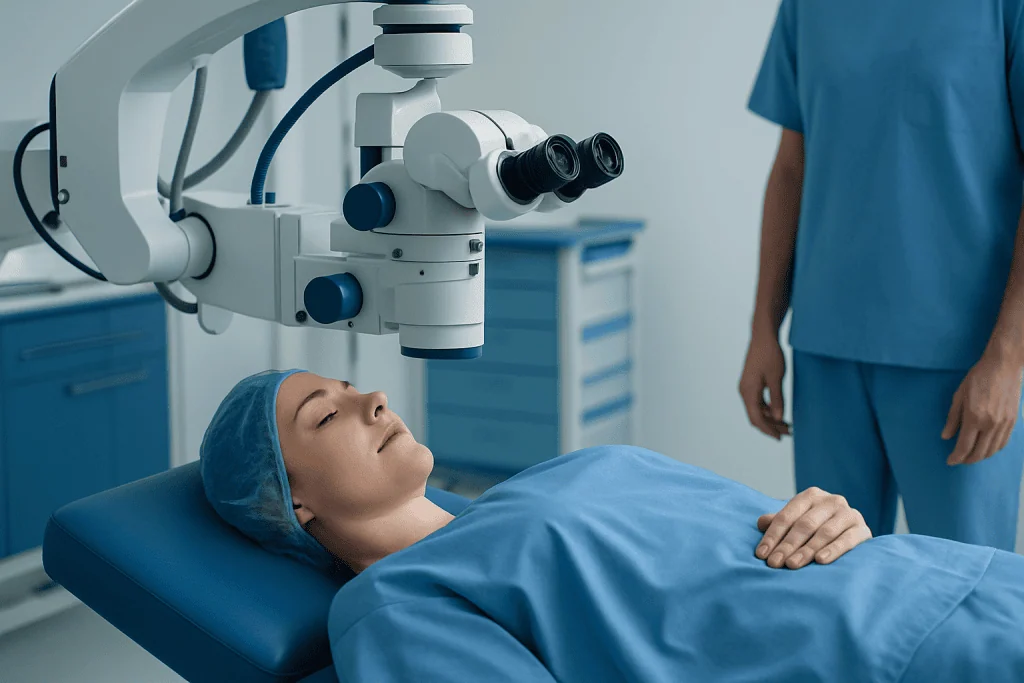
Before booking anything, ask your treating team whether traveling alone is appropriate for your specific procedure and health condition. Some surgeries may be suitable for a solo patient with organized support, while others may make a companion strongly advisable because of mobility limits, sedation effects, or a more demanding recovery.
Think honestly about how you usually cope with stress, unfamiliar places, and fatigue. If you are calm with logistics, comfortable using a phone and maps, and able to follow written instructions carefully, solo travel may feel very doable. If you become overwhelmed easily, need help with mobility, or expect significant post-operative discomfort, bringing someone may still be the safer option if possible.
Practical questions help here: Will you be able to carry your documents, use the bathroom safely, order food, and get to follow-up visits after surgery? If the answer is uncertain, ask what support can be arranged locally. At Acibadem International, international patient services can help patients plan transfers, interpretation, and practical coordination so there are fewer unknowns on arrival.
What to arrange before you leave home

For a solo patient journey, preparation is what creates safety. Confirm your passport validity, visa requirements if applicable, flight details, hospital appointment schedule, accommodation address, emergency contacts, and travel insurance terms before departure. Keep digital and printed copies of all key documents in separate places.
Medical preparation matters just as much as travel preparation. Send your recent reports, imaging, medication list, allergy list, and health history to the hospital in advance if requested. Ask for a clear written outline of what happens before admission, how long you may stay in hospital, when you can walk, when you can shower, and what support you may need on discharge.
You should also prepare a simple communication plan. Share your itinerary with a family member or trusted friend, including flight numbers, hotel details, hospital address, and the name or number of your international patient coordinator. Arrange check-in times so someone knows when you have landed, been admitted, and returned to your room after surgery.
- Pack medications in original packaging in your hand luggage.
- Bring a power bank, charging cable, and universal adapter.
- Save the hospital, hotel, and transfer numbers in your phone and on paper.
- Carry some local currency for small practical needs.
Choosing support that reduces stress on arrival
If you are traveling alone, reduce the number of decisions you will need to make after landing. Pre-book airport transfers whenever possible rather than planning to negotiate transport while tired. Choose accommodation close to the hospital or in an area with an easy, predictable route.
Language can feel like a bigger issue when you are by yourself, especially if you need to ask questions after surgery. Hospitals with international patient departments can make a major difference by coordinating interpreters, guiding you through admission paperwork, and helping you understand follow-up instructions. This is one reason many international patients prefer structured systems rather than piecing everything together independently.
At Acibadem International, patients often use support services such as transfer planning, interpreters, and care coordination across JCI-accredited hospitals. These kinds of practical services do not replace medical advice, but they can make your day-to-day experience smoother and more reassuring when you do not have a companion beside you.
Planning your hospital stay and discharge safely
One of the most overlooked parts of solo medical travel is the period right after surgery. You may feel sleepy, uncomfortable, emotionally low, or slower than expected. Before admission, ask exactly what discharge criteria are used, whether you will need someone to accompany you out, and what level of independence is expected once you return to your hotel or apartment.
Ask for practical detail, not just medical detail. For example: Will you be able to walk alone? Climb stairs? Prepare food? Manage dressings? Take a taxi by yourself? If the answer to any of these is uncertain, make a plan before the procedure rather than hoping it will be fine on the day.
It is also wise to arrange a recovery-friendly room. If possible, choose accommodation with an elevator, private bathroom, reception support, room service or nearby food delivery, and a comfortable place to rest. A first-night plan is especially helpful: know how you will get from the hospital to your room, where your medications will be stored, and who you can call if you feel unwell or confused about instructions.
How to protect yourself during recovery in Turkey
After surgery, keep your world small and simple for a few days. Focus on hydration, rest, medication timing, wound care instructions, gentle movement if advised, and attending follow-up checks. Avoid unnecessary sightseeing or long outings early on, even if you start to feel better quickly.
Make sure you know the warning signs that should prompt you to contact the hospital urgently, such as worsening pain, fever, bleeding, breathing difficulty, fainting, or anything specifically listed by your care team. Store the hospital contact number where you can reach it immediately, not buried in emails. If you are staying alone, it can help to set alarms for medication and check-in messages to family.
Many solo patients also find it useful to prepare a small bedside recovery station with water, snacks, tissues, chargers, documents, medications, and a notebook for questions. Small comforts matter when you are alone in a room recovering. If you are treated within a multidisciplinary hospital setting such as Acibadem International, use the patient coordination team to clarify next steps rather than trying to guess what is normal.
Getting home comfortably and following up after your trip
Your return journey deserves as much planning as your arrival. Before discharge or before your final follow-up, ask when it is considered safe for you to fly, whether you need compression measures or special movement advice during the journey, and what documents you should carry for airport security or airline staff.
Try to avoid complicated itineraries on the way home if your budget and route allow it. A direct flight, wheelchair assistance at the airport, extra time between connections, and checked baggage you do not need to lift yourself can make a big difference. If your surgery may limit lifting, bending, or long periods of standing, arrange help in advance.
Finally, ask how follow-up will work once you are back home. Many international patients want to know who to contact with questions, how to share photos or reports if needed, and when to speak to their local doctor. Clear follow-up planning helps you feel supported beyond the hospital stay and reduces anxiety once you leave Turkey.
Step by step
- Confirm whether solo travel is medically appropriate. Ask your surgeon or care team whether your planned procedure and health history make solo travel reasonable. Be specific about mobility, anesthesia recovery, discharge needs, and whether a companion is recommended or required.
- Build a written travel and care plan. Put your flights, accommodation, hospital schedule, document list, and contact numbers into one easy file on your phone and on paper. This reduces stress if you are tired, offline, or need help quickly.
- Arrange support for airport arrival and language needs. Pre-book your transfer from the airport and confirm how you will reach the hospital or hotel without making last-minute decisions. If you are not confident in Turkish, ask in advance about interpreter support and admission guidance.
- Prepare for discharge before admission. Do not wait until after surgery to think about getting back to your room. Confirm how you will travel after discharge, what medications you will need immediately, and whether your accommodation suits limited mobility.
- Set up remote support from home. Choose one or two trusted people to follow your journey and check in at agreed times. Share your itinerary, room details, hospital contacts, and what they should do if they cannot reach you.
- Keep your first recovery days simple. Plan to rest, eat simply, hydrate, and attend follow-up visits rather than trying to do tourist activities. Recovery can feel unpredictable, so leave space in your schedule instead of filling every day.
- Plan the return trip with your recovery in mind. Before flying home, ask for travel guidance based on your procedure and current condition. Consider airport assistance, lighter luggage, and a less demanding route so you do not overexert yourself.
Your checklist
- Passport, visa documents, and printed flight confirmations
- Hospital appointment schedule and admission instructions
- Medication list, allergy list, and recent medical records
- Travel insurance details and emergency contact information
- Pre-booked airport transfer and accommodation address
- Phone charger, power bank, adapter, and offline maps
- Loose comfortable clothing and easy-to-wear shoes
- A small recovery kit with water bottle, snacks, and basic toiletries
Key takeaways
- Traveling to Turkey for surgery alone can be manageable if your procedure and health status make solo travel appropriate.
- The most important safety step is planning support for arrival, discharge, and the first days of recovery.
- Choose hospital and accommodation logistics that reduce walking, lifting, language barriers, and decision fatigue.
- Keep family or friends informed with a simple check-in plan throughout your trip.
- Ask for clear follow-up and return-flight guidance before leaving Turkey.
Frequently asked questions
Is it safe to travel to Turkey for surgery alone?
It can be safe for selected patients when the surgery is planned, your doctor agrees it is appropriate, and your logistics are organized carefully. The main issue is not only the operation itself, but whether you can manage transport, discharge, medications, and early recovery without a companion.
Do I need someone to stay with me after surgery in Turkey?
That depends on the type of surgery, your mobility, the effects of anesthesia, and your general health. Some patients can recover safely alone with structured support, while others should have a companion or extra assistance arranged for the first days.
What kind of support should I ask the hospital for if I am traveling alone?
Ask about airport transfers, interpreter services, admission guidance, discharge planning, and who to contact 24/7 if you have concerns. At larger international hospitals such as Acibadem International, patient coordination teams can also help organize practical details that make solo travel easier to manage.
How long should I plan to stay in Turkey after surgery?
There is no single answer because it depends on your procedure, recovery progress, and when your team feels it is safe for you to fly. Always build in enough time for post-operative checks and avoid booking an inflexible return if your schedule may need to change.
Should I stay in a hotel or apartment if I am recovering alone?
Many solo patients prefer a hotel or serviced residence with reception, elevator access, easy food options, and simple cleaning support. The safest choice is usually the one that reduces effort, stairs, lifting, and isolation during the first recovery days.
What should I do if I feel unwell after returning to my accommodation?
Use the discharge instructions you were given and contact the hospital promptly if you have warning symptoms or are unsure what is normal. Keep the hospital number accessible, and let your trusted contact at home know if you need extra support or help communicating.
Can I do some sightseeing if I feel well after surgery?
It is usually better to keep plans light until your doctor says normal activity is appropriate. Even if you feel better quickly, surgery can affect energy, balance, hydration, and wound comfort more than you expect.
Add us as a Preferred Source to see more of our trusted health content across Google Search, AI Overviews and Discover.

References (1)
- CDC Travelers' Health: Medical Tourism — wwwnc.cdc.gov
More Patient Guides

Planning Medical Travel to Turkey During Peak Holiday Seasons
Plan medical travel to Turkey during peak holidays with early bookings, flexible dates, document checks and coordinated care in Istanbul.
8 min read
Flying to Turkey After a Cancer Diagnosis: How to Plan the First Trip
Flying to Turkey after a cancer diagnosis is easier with early medical review, records, travel support and a flexible first-visit plan in…
9 min read
After You Accept a Treatment Quote: Your Next Planning Steps for Turkey
After accepting your treatment quote, plan your Turkey trip with visa, travel, records, payment and arrival steps for a smoother care journey.
8 min read
Flexible Return Flights After Treatment in Turkey: How to Book Safely
Flexible return flights after treatment in Turkey are safest when you book changeable fares, confirm fit-to-fly timing, and keep airline-ready medical documents.
9 min read