

How to Plan Your Return Flight After Surgery in Turkey

Plan your return flight around your surgeon's travel window, not around a preferred date. Ask for a realistic range before booking, check your airline's medical clearance and assistance rules early, keep the ticket changeable, and carry your discharge summary and medications in hand luggage. Build extra time into the airport journey, and confirm how follow-up will work once you are home.
When will it actually be safe to fly home, and will the airline let you board? Most international patients ask this before the surgery date is even confirmed, and it is the right question to ask early.
To plan your return flight after surgery in Turkey well, you need three things in place: a realistic travel window from your surgeon, a ticket and itinerary that match how you will actually feel, and the documents and support arranged before you reach the airport. None of this is complicated, but each piece works better when you sort it early rather than on discharge day.
At a glance
- Best time to book: After your surgeon has given a likely recovery timeline and travel advice, and ideally with a changeable fare
- Most important check: Whether you are medically fit to fly and whether your airline requires clearance forms or advance notice
- Key documents: Passport, discharge summary, prescriptions and medication list, fit-to-fly note if the airline asks for one, travel insurance details
- Comfort priorities: Direct routes, generous connections, aisle or extra-legroom seating, wheelchair support if needed, hydration
- Main risk to avoid: Flying too soon, particularly after major surgery, general anaesthesia, or if your mobility is limited
- Helpful support: International patient teams can coordinate discharge timing, transfers, interpretation and follow-up planning around your flight
Start with your surgeon’s timeline, not your preferred date
The single biggest mistake patients make when they plan a return flight after surgery in Turkey is booking around hotel check-out or fare prices rather than recovery. The useful question is not “when do I want to fly?” but “when is it safe and realistic for me to fly?” Different procedures have very different recovery patterns, and two patients having the same operation can heal at different speeds.
Ask your surgeon for a likely travel window as early as possible, before you confirm anything if you can. In most cases you will be given a range rather than a fixed day, because swelling, pain control, wound checks, mobility and any early complications all influence the final decision. A range is not vagueness; it is an honest reflection of how recovery works. Treat the later end of the range as your planning baseline, not the earlier end.
This is also why flexibility matters more than almost any other booking feature. If your surgeon reviews you the day before departure and prefers a later flight, a changeable ticket turns that into an administrative task instead of a crisis. Our guide on planning flexible return flights after treatment in Turkey covers fare types and change conditions in more detail.
Most hospitals that treat international patients have coordinators whose job is to fit the practical details around your medical schedule, follow-up appointments, discharge timing, hotel arrangements and airport transfers. Ask early how discharge timing is decided for your procedure, so that your travel date follows your recovery rather than fighting it.
Know what affects whether you are fit to fly
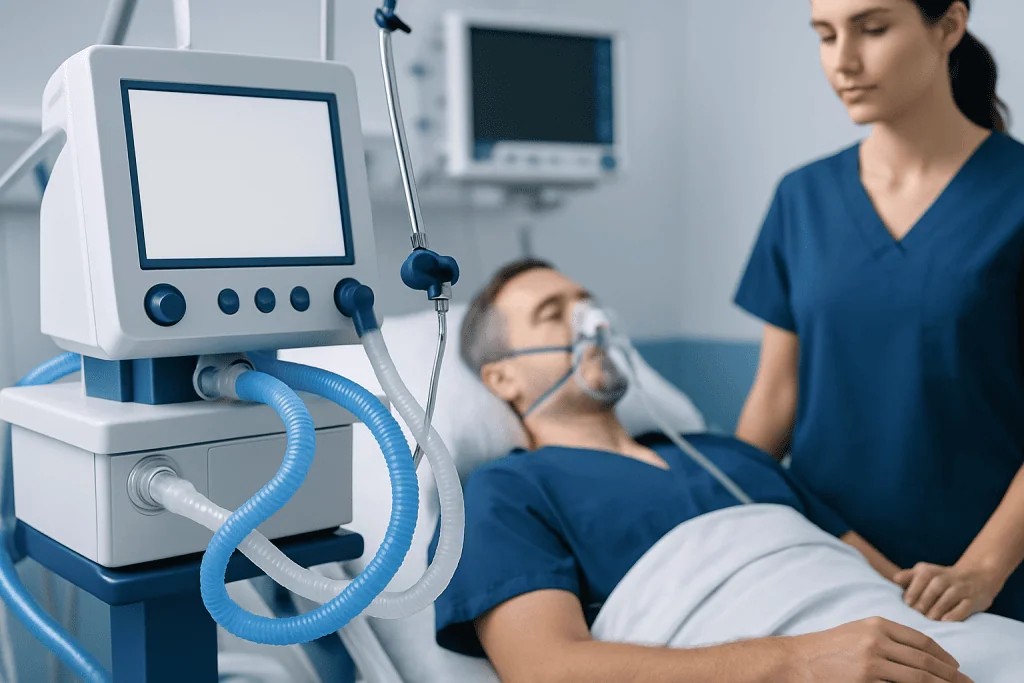
Fitness to fly depends on more than the operation itself. Your team will typically weigh the type of surgery, whether you had general anaesthesia, your pain level, how safely you can walk, how the wound is healing, infection risk, and whether you still need drains, dressings or supplemental oxygen. They also consider circulation and clot risk, which becomes more relevant on longer flights where you sit still for hours.
The aircraft cabin itself is part of the assessment. Cabin air pressure is lower than at ground level, which means slightly less oxygen and, importantly after some procedures, expansion of any gas trapped inside the body. This is why recent abdominal, chest, eye, ear and some dental procedures carry specific flying considerations, and why the decision belongs to the surgeon who knows exactly what was done. If your treatment involved oral surgery, the guide on flying after dental surgery and dental implants explains those considerations separately.
Be honest with yourself about the gap between “feeling well in a hotel room” and “managing an airport.” Security queues, baggage, long corridors and hours of sitting are physically demanding in a way a quiet recovery day is not. Even a short flight can be exhausting if you are sore, weak, dizzy or taking medication that makes you drowsy. Older travellers often need more margin here, which is why we cover the subject separately in surgery in Turkey after 60.
Airline rules are the other half of clearance. Some carriers require a fit-to-fly certificate or a medical information form after recent surgery; most require advance notice if you need a wheelchair, special seating, medical equipment on board, or help with boarding. Requirements vary by airline and sometimes by route, so check directly with your carrier as soon as you have a likely discharge plan, not the night before the flight.
Book for comfort, flexibility and fewer physical demands

When you choose the flight itself, think practically rather than habitually. A nonstop route is almost always easier than a connection when you are moving slowly or tiring quickly. If a direct flight is not possible, favour longer connection times, minimal terminal changes, and hub airports with well-organised assistance services. Rushing between gates after surgery is far harder than most people expect, and a missed connection is more disruptive when you are carrying medication and dressings on a schedule.
Seat choice makes a genuine difference. An aisle seat helps if you need to stand regularly or visit the toilet often; extra legroom reduces stiffness and makes it easier to shift position; a seat away from high-traffic areas may help you rest. If you are travelling with a companion, sit together so they can manage bags, medication timing and communication with the crew.
| Booking decision | Why it matters after surgery | What to aim for |
|---|---|---|
| Route | Every connection adds walking, queues and delay risk | Direct where possible; otherwise generous layovers |
| Fare type | Recovery timelines shift; discharge can move | Changeable or flexible fares |
| Seat | Sitting still for hours increases stiffness and discomfort | Aisle or extra legroom; companion adjacent |
| Departure time | Fatigue, medication schedules and traffic all interact | A time that avoids rushing and very late arrivals home |
| Assistance | Terminals involve more standing and walking than expected | Wheelchair or meet-and-assist booked in advance |
Flexibility deserves repeating because it is the feature people most often skip to save money at booking, then most regret at discharge. When you plan your return flight after surgery in Turkey, assume the date may move and choose a fare that tolerates that. If your treatment is in Istanbul or another large city, also allow generous time for road traffic on travel day, and arrange the transfer from hospital or hotel to the airport in advance rather than on the morning itself.
- Prefer direct flights where possible
- Avoid tight layovers and long terminal transfers
- Request wheelchair assistance in advance if walking is difficult or tiring
- Consider extra legroom, an aisle seat, or priority boarding where available
- Keep your return date adjustable while your recovery timeline is uncertain
Prepare the documents and supplies you may need on travel day
Before you leave Turkey, gather the paperwork you might need, not only for the airport, but for your first days back home. That usually means your discharge summary, prescriptions, a medication list, copies of relevant imaging or test reports, written follow-up instructions, and contact details for your treating team. If the airline asks for proof of fitness to travel, request the exact format and wording they specify; a generic letter may not satisfy a specific form requirement.
Carry all medication in your hand luggage, in original packaging where possible, with prescriptions to hand in case anyone asks. Add a small supply of dressings, any prescribed compression garments, and simple comfort items such as a neck pillow or light layer. If you use a mobility aid or a medical device, check the airline’s battery, packing and cabin rules in advance: these vary and are easier to resolve before travel day.
International patient departments are useful here. They can typically explain discharge documents, arrange interpretation where needed, and organise records for your onward care, so you are not deciphering paperwork while tired and packing.
Plan the airport journey as carefully as the flight itself
Many post-surgery travel problems happen before boarding. Getting into a car, sitting upright for the drive, unloading luggage, standing in queues and crossing a large terminal can be the most physically demanding part of the entire day. Plan the transfer from hospital or hotel with enough slack that nothing has to be rushed.
If you might need help, request it early. Wheelchair support, meet-and-assist services and priority boarding are widely available at major airports, but they normally have to be booked in advance through the airline. Accept help even if you can technically walk, conserving energy is part of travelling safely after surgery. Our separate guide to airport assistance when returning home after surgery explains how these services work and how to arrange them.
On the day: eat lightly unless your team has advised otherwise, keep drinking water, and wear loose, comfortable clothing that does not press on dressings or the treated area. Keep documents, valuables and medication where you can reach them without unpacking. If you have a companion, let them handle the heaviest bags so you can concentrate on moving carefully.
In the air: circulation, hydration and pacing yourself
Once on board, your two practical priorities are circulation and comfort. Long periods of sitting reduce blood flow in the legs, which is why care teams often discuss movement and hydration with patients before a long flight home. Follow whatever specific advice your surgeon gave you, it is tailored to your operation, and in general terms, expect to drink water regularly, avoid crossing your legs for long stretches, and move or change position when it is safe and the crew permits it.
Pace the flight rather than enduring it. Use the aisle seat you booked, stretch during natural breaks, and do not be embarrassed to tell cabin crew you have recently had surgery if you need extra time or consideration. Keep your medication schedule as your doctor prescribed it, adjusting only in the way your treating team told you to handle time zones, if they addressed it. If they did not, keep the schedule you were given.
Think beyond the landing: your first 48 hours back home
The flight is only one leg of going home. Before you leave Turkey, make a simple arrival plan: who will meet you, how you will travel from the airport, where your medication will be kept, and when you will rest. Avoid relying on public transport if you are sore, weak or carrying medical supplies: a pre-arranged lift is worth organising.
Before discharge, ask your surgeon what sensations and symptoms are normal during and after travel for your procedure, and confirm exactly how follow-up will work: whether it is remote, what photographs, reports or updates it involves, and on what schedule. If your aftercare includes laboratory monitoring, it helps to arrange this before you fly; see our guide on planning follow-up blood tests after returning home from Turkey.
One advantage of organised international care is continuity. Before you leave, make sure you understand your aftercare plan, including how remote follow-up and communication will run after you return, so you are not interpreting everything alone once the journey ends.
Step by step
- Ask for a realistic travel window. Before you book or confirm your return, ask your surgeon when patients having your procedure are usually able to fly. Request a likely range rather than one ideal date, because recovery changes day by day.
- Check airline medical and assistance rules. Contact the airline directly to ask whether they need a fit-to-fly note, medical form or advance approval. At the same time, book any support you may need: wheelchair assistance, priority boarding, help with connections.
- Choose the least demanding itinerary. Book a direct route where possible, or one with a generous layover and minimal walking. Pick seating that supports comfort and movement, especially if you need to stand, stretch or keep pressure off a treated area.
- Collect your paperwork before discharge. Leave the hospital with your discharge summary, prescriptions, follow-up instructions and contact details for your treating team. If the airline requires clearance, match their exact wording and format.
- Pack for access, not just for travel. Keep medication, dressings, water, permitted snacks and documents in hand luggage where you can reach them. Avoid lifting heavy bags; let a companion or the transfer team manage luggage.
- Build in extra time on the day of travel. Allow for road traffic, rest stops, slower walking and airport formalities. A calm schedule means you do not rush, overexert yourself, or miss hydration and medication timing.
- Confirm your arrival plan at home. Arrange who will meet you, how you will get from the airport, and where you will rest. Know when your next follow-up is and how it will happen before you board.
Your checklist
- Confirmed with your surgeon when you are fit to fly
- Checked airline rules for recent surgery and medical clearance
- Booked wheelchair or airport assistance if needed
- Packed medications and key documents in hand luggage
- Chosen a comfortable, low-demand itinerary where possible
- Kept the return date changeable until recovery is reviewed
- Arranged the airport transfer in Turkey with extra time built in
- Planned someone to meet you after landing
- Confirmed how follow-up will work once you are home
Key takeaways
- Your surgeon’s clearance matters more than your preferred travel schedule.
- Check airline medical rules and book airport assistance early, both take advance notice.
- Direct routes, flexible tickets and sensible seating make recovery travel much easier.
- Carry all medical documents and medications in your hand luggage.
- Plan the hospital-to-airport and airport-to-home journeys in as much detail as the flight itself.
Frequently asked questions
How soon can you take a return flight after surgery in Turkey?
There is no single answer. It depends on the procedure, how your recovery is going, and the length of the flight. Your surgeon and discharge team weigh mobility, pain, wound healing, anaesthesia effects and clot risk before advising a travel window, so their timeline is the one to follow.
Do airlines require a fit-to-fly certificate after surgery?
Sometimes, particularly after recent surgery, if you need assistance, or if you are travelling with medical equipment. Requirements differ between airlines and routes, so ask your carrier directly and then request the document in the exact format they specify before you leave the hospital.
Is it better to book a direct flight home?
Usually, yes. A direct flight means less walking, fewer transfers, less waiting, and no risk of missed connections, all of which matter more when you tire quickly, move slowly, or need to keep a medication schedule.
What should you keep in your hand luggage after surgery?
Your passport, discharge summary, prescriptions, all medication in original packaging, any fit-to-fly letter, and insurance details. Basic wound-care supplies, water and permitted snacks are also useful in case of delays.
Should you ask for wheelchair assistance even if you can walk a little?
It is often a good idea. Airports involve far more standing and walking than most people expect, and saving energy reduces discomfort and makes the journey safer. Assistance normally needs to be booked with the airline in advance.
What if your recovery is slower than planned?
This is exactly why flexible bookings are worth having. If your treating team advises a later departure at review, a changeable fare turns that into a simple rebooking with the airline rather than a lost ticket. Many international patients keep the return date provisional until close to discharge.
Why do some operations carry specific flying restrictions?
Cabin air pressure is lower than at ground level, so any gas trapped in the body after a procedure can expand at altitude, and there is slightly less oxygen available. Long sitting also affects circulation. These factors matter more for some procedures than others, which is why the flying decision is made by the surgeon who knows what was done.
Who can help with return travel planning at the hospital?
Most hospitals treating international patients have a dedicated team that coordinates practical parts of the journey: discharge timing, document preparation, interpretation, hospital-to-airport transfers, and follow-up arrangements after you return home, so travel logistics fit around your medical schedule rather than the other way round.
Add us as a Preferred Source to see more of our trusted health content across Google Search, AI Overviews and Discover.

Update history
- PublishedJuly 8, 2026
- Medical review approvedSeptember 1, 2026
- Last content updateSeptember 1, 2026
References1
- Deep Vein Thrombosis (MedlinePlus) medlineplus.gov
More Patient Guides

GHIC and EHIC in Turkey: Why They Do Not Cover You
The blue card that quietly covers you across Europe stops working at the Turkish border, and every summer, travelers discover this…

Do You Need Vaccinations for Turkey?
Here is the answer travel clinics give every day: no vaccinations are required to enter Turkey from anywhere in the normal course…

Flying With a Broken Leg or Cast: Airline Rules and Comfort
A broken leg does not cancel a flight, airlines carry passengers in casts every single day. What surprises travelers is that…

Travel Insurance After Cancer: What Patients Should Know
A cancer diagnosis changes how insurers read your name, but it does not end your traveling life. Thousands of people with…