

How to Prepare a Family Member for Your Recovery After Returning Home

Choose one lead helper before you fly, review your discharge summary and medication list together, and agree who handles meals, transport and reminders for the first week. Prepare the home in advance, keep all documents in one folder, and set honest expectations about energy and mood. Preparation done before travel is far easier than preparation done after landing.
Who collects you from the airport, and who remembers your medication times on the first exhausted evening at home? These questions are worth answering before you fly back, not after you land.
The best time to prepare a family member for your recovery after returning home is while you are still in hospital, when your discharge plan is fresh and your care team is available to answer questions. One prepared person with clear tasks, written instructions and realistic expectations makes the first weeks at home calmer for both of you. This guide covers who to choose, what they need to know, and how to organise the practical details before you travel.
At a glance
- Best time to prepare: Before discharge and before your flight home
- Main goal: Make daily recovery support simple, safe and predictable
- Who should help: One lead family member, plus a backup contact if possible
- What to organise: Medication, meals, transport, home setup and follow-up
- Helpful documents: Discharge summary, medication list, contact numbers, follow-up plan
- What your helper is not: A nurse or a doctor, reliability matters more than medical knowledge
- When to ask questions: Before leaving the hospital, and again whenever instructions are unclear
Why it matters to prepare a family member for your recovery after returning home
Recovery at home is rarely just resting in bed. Depending on your treatment, you may need help with meals, medication timing, dressing changes, walking support, lifting restrictions, transport to local appointments, or simply someone nearby who understands what your discharge papers say. When you prepare a family member for your recovery after returning home, you replace guesswork with a plan, and plans hold up better than good intentions on a tired Tuesday evening.
Unprepared helpers tend to make two opposite mistakes. Some hover, treating every yawn as a crisis. Others assume you are fine because you are home, and drift back to their own routines within days. Neither is a character flaw; both come from not knowing what a normal recovery looks like for your specific treatment. A short, honest briefing before you travel prevents most of it.
There is an extra layer when you have been treated abroad. Your family member was probably not in the room when your surgeon or physician explained the aftercare plan. They may not have seen your ward routine, your wound, or your walking pace. If you were treated in Turkey and your family stayed home, the gap between what you know and what they know can be large, and closing that gap is your job before the flight, because after the flight you will be too tired to do it well.
Your helper does not need medical training. What matters is that they know your routine, can follow written instructions, and feel comfortable asking questions rather than guessing. If they know in advance what the first week usually looks like, they are less likely to panic over minor discomfort and more likely to notice when something genuinely needs medical attention.
Choose the right person and define their role
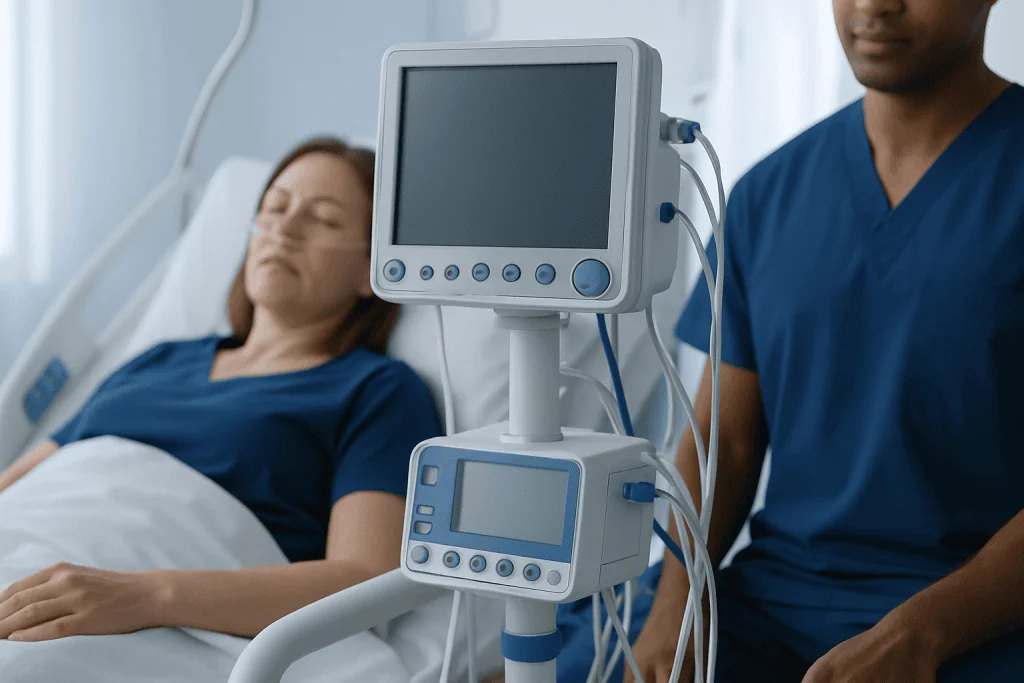
Start by choosing one main support person. Reliability beats enthusiasm here. The right person is calm under pressure, realistically available during your first phase of recovery, and honest enough to tell you when they cannot manage something. In many families several people want to help, but one lead person prevents mixed messages, duplicated errands and missed medication reminders.
Be specific about the scope. “Can you help me when I get back?” is too vague to plan around. “Can you stay with me for the first three nights, drive me to a blood test in week two, and check in daily by phone after that?” is a request someone can actually say yes or no to. Some patients need close support for 72 hours; others need lighter help for two or three weeks with shopping, childcare and transport. Clear expectations protect the relationship as much as they protect the recovery.
Availability is a practical question, not an emotional one. Your lead helper may need to book time off work, arrange their own childcare, or borrow a car. Tell them early, ideally before you travel for treatment, and at the latest before your discharge date is confirmed.
You can still spread the load. Keep one person as the main contact and divide the rest:
- Lead family member: daily check-ins, medication reminders, keeping the recovery folder up to date
- Backup helper: transport, errands, collecting prescriptions
- Other relatives or friends: meals, childcare, pet care, laundry, shopping
Defining the role also means defining its edges. A family helper supports your routine; they do not make clinical decisions, adjust doses or interpret symptoms. If you want a fuller picture of where helpful support ends and unhelpful interference begins, see how family members can help without disrupting recovery.
What your family member should know before you get home

Your helper needs the practical layer of your recovery, not every clinical detail. Focus on what affects daily life: what you can eat, how much you should move, whether you can shower normally, when you should rest, and which activities are restricted. This keeps the briefing useful rather than overwhelming.
Go through the discharge information together if you can. If your family member is with you in Turkey, invite them into the discharge conversation, hearing instructions first-hand reduces misunderstandings, and interpreters can support that conversation where language is a barrier. If they are at home, photograph or scan the documents and talk them through by video call before you fly. Highlight:
- The medication schedule, names, doses, timing, and whether anything is taken with food
- Wound, dressing or drain care instructions, if these apply to you
- Limits on driving, stairs, lifting, bending, work, bathing and sleeping position
- Dates and format of any follow-up appointments, tests or remote reviews
- Where the written warning signs for your treatment are kept
Activity limits deserve particular attention, because they are the instructions helpers most often misjudge in both directions, either urging you back to normal too fast or discouraging the gentle movement you have been advised to do. The guide on activity and lifting limits after returning home explains how these restrictions typically work and why they vary by procedure.
Explain your likely energy level too. Many patients are surprised by how tired, slow or emotional they feel in the first days home, especially after long-haul travel. If your family member expects this, they can support you without pushing too hard or worrying unnecessarily. A useful phrase to agree on: “tired is expected; the discharge papers say what is not expected.”
Finally, clear up anything ambiguous before you leave the hospital, while the people who wrote your instructions are still down the corridor. Questions asked at discharge are answered in minutes; the same questions asked from another country take longer.
Prepare the home before you arrive
Your home setup does a large share of the caregiving. Think through the first week concretely: where you will sleep, how far the bathroom is, whether stairs are involved, and what you will need within arm’s reach. Small changes made in advance prevent strain on you and repeated fetching for your helper.
Ask your family member to set things up before you land. Useful tasks include:
- Wash bedding and arrange extra pillows for the sleeping position you have been advised to use
- Stock simple food and drinks that need little preparation
- Fill prescriptions and buy basic supplies such as a thermometer and any dressing materials your instructions mention
- Place chargers, water, tissues and medicines at waist height near your resting spot
- Remove trip hazards, loose rugs, trailing cables, clutter in walkways
- Set up a supportive chair with a clear path to the bathroom if you may feel weak or unsteady
- Arrange cover for children, pets or elderly relatives you normally look after
Because much of this has to be organised remotely while you are still abroad, it pays to start early. There is a dedicated walkthrough in how to prepare your home for recovery before leaving Turkey, which you can share directly with your helper as their to-do list.
Plan for the arrival itself as well. After a flight back from Istanbul or another Turkish city, the first 24 to 48 hours are often the most tiring of the whole recovery. Decide in advance who meets you at the airport, who carries the bags, and whether you will need help on stairs when you get in. The less you have to improvise on day one, the better.
Organise medication, transport and follow-up
The single most useful thing a family member can do is keep you organised. Recoveries wobble when doses are missed, prescriptions run out on a Sunday, or a follow-up test slips everyone’s mind. A written plan, on paper or in a shared phone note, prevents most of this.
Ask your helper to maintain one central list: each medicine, its dose, its timing, and any special instructions from your discharge papers. Crossing a time zone on the way home complicates timing for some medicines, and travelling with new prescriptions raises its own paperwork questions; returning home with new medicines after treatment in Turkey covers both in detail. Your treating doctor’s instructions always take precedence: a family helper reminds and records, but never adjusts.
Keep every discharge document, prescription and report in one folder that both of you can find. If your local doctor or nurse becomes involved later, that folder is what they will want to see.
Transport matters more than most patients expect. You may not be able to drive for a period, carry shopping, or manage public transport comfortably. Map out who handles the airport pickup, local appointment runs, pharmacy trips and the weekly shop, and for roughly how long.
Finally, make sure your helper understands how contact with your treatment team continues after you leave Turkey, how results are shared, how remote reviews are scheduled, and which local tests may be needed. The guide on remote follow-up after returning home from Turkey explains what this usually involves, so your helper can put the dates in both of your calendars.
Talk openly about boundaries, emotions and warning signs
Recovery affects both people in the arrangement. You may feel grateful one moment and irritable the next, because you are tired, uncomfortable, or less independent than you are used to being. Your helper may over-function and do everything for you, or under-function and assume you need less than you do. A short honest conversation before you get home prevents most of the friction.
Say plainly what kind of help feels supportive and what does not. You might welcome reminders to walk, drink water and take medicines, but not a running commentary on how you look. It is reasonable to agree quiet hours, visiting limits, and one person who gives updates to the wider family so you do not repeat the same report five times a day.
Your family member should also know where the written warning signs for your treatment are kept, and who to contact locally if they are ever concerned. They are not expected to diagnose anything: their job is to know where the written guidance lives and to follow it rather than guess. The guide to warning signs after returning home from treatment explains how these lists work and why they differ between procedures.
Written guidance also beats internet forums and family folklore. When something is unclear, the reliable sources are your discharge papers, your treatment team and your local healthcare providers, in that order of specificity.
What to say: encouragement that actually helps
Helpers often worry more about saying the wrong thing than doing the wrong thing. A few principles make encouragement useful rather than hollow.
- Acknowledge effort, not just results. “You walked further than yesterday” lands better than “you’ll be back to normal in no time”, which nobody can promise and which can make a slow day feel like failure.
- Ask, don’t assume. “What would help right now?” respects the patient’s judgement. Deciding for them, even kindly, chips away at the independence recovery is meant to restore.
- Normalise the bad days. Progress is rarely linear. A helper who says “a flat day is still a recovery day” removes pressure; one who panics at every dip adds it.
- Avoid comparisons. “My cousin was up and about in a week” is unhelpful, because no two treatments, bodies or recoveries are alike.
- Keep some conversation off-topic. Patients are people, not projects. Talking about anything other than the recovery is often the most encouraging thing a family member can do.
Coping routines that support recovery at home
Beyond logistics, a helper can support the habits that make recovery more bearable. None of these replaces medical advice; they are the everyday scaffolding around it.
- A predictable daily rhythm. Roughly consistent times for waking, meals, medicines, rest and any advised movement reduce decision fatigue for everyone.
- Paced activity. Doing a little, resting, then doing a little more, within the limits your team has set, usually works better than alternating overexertion with collapse.
- Sleep and hydration basics. A quiet room, sensible caffeine timing and water within reach are simple and genuinely useful, especially while jet lag settles.
- Social contact in small doses. Short visits and calls lift mood; long ones drain it. The helper can politely gatekeep.
- Tracking, lightly. A one-line daily note, sleep, medicines taken, how the day felt, gives your follow-up appointments something concrete to work from without turning recovery into homework.
- Care for the helper too. Breaks, their own sleep and a backup person to call on keep support sustainable. An exhausted helper helps no one.
Step by step
- Choose your main home support person. Pick one reliable family member or trusted friend as your lead helper for the first phase of recovery. Tell them early so they can arrange time off work, childcare or transport.
- Review your discharge plan together. Go through the discharge summary, medication list, activity limits and follow-up schedule, in person at the hospital if possible, by video call if not. Ask them to note key points and questions.
- Prepare the home before arrival. Have your helper set up a comfortable rest area, stock simple food, collect prescriptions and clear walkways so your first days home are low-effort.
- Create a simple daily routine. Agree medication times, meals, rest periods, any advised short walks, and who handles which practical tasks. A routine makes it obvious when something is off track.
- Plan transport and communication. Arrange the airport pickup, luggage help and lifts to local appointments. Save key contact numbers, local doctor, pharmacy, and any follow-up contacts from your treatment team, in both phones.
- Keep the written guidance visible. Put the discharge papers, medication list and warning-sign information in one folder your helper can find without asking, and agree that written instructions beat memory and guesswork.
- Set realistic expectations. Agree that tiredness, slow days and mood dips are a normal part of many recoveries, that progress does not have to be perfect, and that asking for extra help is a plan working, not failing.
Your checklist
- Choose one lead family member and one backup helper
- Share your discharge summary and medication list before you fly
- Write down local and follow-up contact numbers in both phones
- Fill prescriptions before or immediately after arriving home
- Stock easy meals, water and basic recovery supplies
- Set up a comfortable sleeping and resting area with clear walkways
- Arrange airport pickup and local transport for appointments
- Plan cover for childcare, pets, shopping and housework
- Review activity limits and the written warning signs together
- Agree quiet times, visiting limits and one family update contact
Key takeaways
- Prepare one main family helper before you return home, not after problems arise.
- Share the practical layer first: medicines, routines, transport and activity limits.
- A home set up in advance does a large share of the caregiving on its own.
- Written instructions in one folder beat memory, especially after travel from Turkey.
- Good encouragement acknowledges effort, avoids comparisons and never promises timelines.
- Your helper follows written guidance and asks questions: they never adjust medicines or interpret symptoms alone.
Frequently asked questions
When should I prepare my family member for helping me at home?
Before discharge and before your journey home. That gives both of you time to understand the plan, ask your care team questions while they are still available, organise supplies and make travel arrangements without last-minute pressure.
What if no one in my family has medical experience?
That is very common, and medical experience is not usually needed for home recovery support. What matters is reliability, calm communication, and following the written instructions from your care team rather than guessing. Clinical decisions stay with your doctors.
What documents should my family member have access to?
Your discharge summary, medication list, appointment schedule and important contact numbers. Where relevant, add insurance details, travel papers and any instructions about sharing information with your local doctor. Keep everything in one folder both of you can find.
What should I say to encourage someone in recovery?
Acknowledge effort rather than promising outcomes, ask what would help instead of assuming, and treat slow days as normal rather than alarming. Avoid comparing their recovery to anyone else’s, and keep some conversation entirely unrelated to the treatment.
What are effective coping routines during recovery at home?
A predictable daily rhythm, paced activity within the limits your team has set, sensible sleep and hydration habits, short social contact, and a light one-line daily log. Helpers should also protect their own rest so support stays sustainable.
What kind of help is usually needed during the first week?
Practical help more than constant supervision: meals, medication reminders, transport, household tasks, and support with pacing activity and rest. The first 24 to 48 hours after the flight home are often the most tiring, so plan those most carefully.
What if my family member feels overwhelmed?
Keep the plan simple and divide the load. One person stays the main contact, but shopping, childcare, transport and meals can be shared among other relatives or friends. Scheduled breaks and a named backup helper keep the arrangement workable.
Add us as a Preferred Source to see more of our trusted health content across Google Search, AI Overviews and Discover.

Update history
- PublishedJuly 8, 2026
- Medical review approvedSeptember 13, 2026
- Last content updateSeptember 12, 2026
References2
- Caregivers: MedlinePlus medlineplus.gov
- After Surgery: MedlinePlus medlineplus.gov
More Patient Guides

Medical Travel with a Companion: Who Should Come and Why
Medical travel with a companion can make treatment in Turkey easier by providing practical help, communication support and reassurance before and after…

How Family Members Can Help Without Disrupting Recovery
Family support during recovery helps when you listen, organize practical tasks and follow the care plan without taking over, in Turkey or…
Need a Family Member to Travel With You? A Companion Decision Guide
A companion travel guide for treatment in Turkey: decide who should travel with you, plan practical support, and prepare for Istanbul care.

Unexpected Overnight Stay in Turkey: What Patients and Companions Should Be Ready For
Unexpected overnight stay in Turkey? Here is what patients and companions should prepare for, from essentials and updates to hospital logistics in…