

Managing Fatigue After Medical Treatment in Turkey

Fatigue after treatment is common and usually reflects the energy your body is spending on healing, amplified by travel, disrupted sleep and unfamiliar surroundings. Manage it by pacing activity in small blocks, eating and drinking regularly, keeping a steady sleep routine, moving gently within your discharge instructions, and treating the flight home as a recovery day rather than a normal travel day.
Everything went to plan, and yet you feel wiped out. Or your flight home is a few days away and you are quietly wondering whether you will have the energy for the airport. Both are common experiences after medical treatment, and both are more pronounced when you are recovering away from home with a travel itinerary running alongside your recovery.
This guide explains why post-treatment tiredness happens, how to pace your days while you are still in Turkey, and how to plan a return journey that works with your energy rather than against it.
At a glance
- What fatigue may feel like: Low energy, sleepiness, brain fog, reduced stamina, or needing far more rest than usual after small tasks
- Why travel makes it heavier: Disrupted sleep, time zone shifts, new food and climate, plus the mental workload of appointments and logistics
- Main approach: The five P’s, prioritise, plan, pace, position, permission, alongside regular meals, fluids and a steady sleep routine
- Travel timing: Fitness to fly is confirmed by your treating doctor before flights are booked or changed, not assumed
- What your discharge plan covers: The level of tiredness expected after your specific treatment, your activity limits, and the warning signs relevant to your procedure
Why fatigue feels stronger when you recover abroad
After surgery, a procedure or a course of therapy, your body redirects a substantial share of its energy towards healing. Tissue repair, immune activity and the after-effects of anaesthesia or medication all draw on the same reserves you would normally use for walking, thinking and socialising. Feeling drained does not mean something has gone wrong; it usually means your body is doing exactly what recovery requires.
Managing fatigue after medical treatment in Turkey is really two jobs at once: recovering, and running the logistics of an international trip. Sleep in an unfamiliar bed, hospital routines, new foods, a different climate and a shifted time zone each take a small toll. On top of that sit the decisions, hotel arrangements, follow-up appointments, transport, medical reports, flight dates, messages home. That mental workload is invisible, but it consumes real energy, which is why fatigue often feels heavier abroad than the same recovery would feel at home.
The aim is not to push through tiredness. It is to treat energy as a limited recovery resource and spend it deliberately. Your discharge instructions set out what level of activity suits your specific treatment; everything in this guide works within that plan, not instead of it.
The five P’s of fatigue management
Occupational therapists often teach fatigue management through five P’s. They translate well to recovering in a hotel room in Istanbul or Ankara:
- Prioritise. Decide what genuinely must happen today, usually a follow-up appointment, meals and medication times, and let everything else wait. A postponed errand costs nothing; a depleted afternoon can cost a day.
- Plan. Put the demanding tasks at your best time of day, which for most people early in recovery is the morning. Group errands so one outing covers several needs.
- Pace. Break activity into short blocks with rest between them, and stop before you are exhausted rather than after. Post-treatment fatigue often arrives on a delay: what feels manageable at 10am can flatten you at 3pm.
- Position. Sit rather than stand where you can, keep frequently used items within reach, and set up your accommodation so that essentials, water, medicines, chargers, documents, do not require repeated trips across the room.
- Permission. Allow yourself to rest without guilt. Resting on schedule is a recovery technique, not a failure of willpower, and it is far more effective than collapsing after overexertion.
These five habits are the practical core of managing fatigue after medical treatment in Turkey, because they work whatever your treatment was and wherever you are staying.
Pacing your first days after discharge
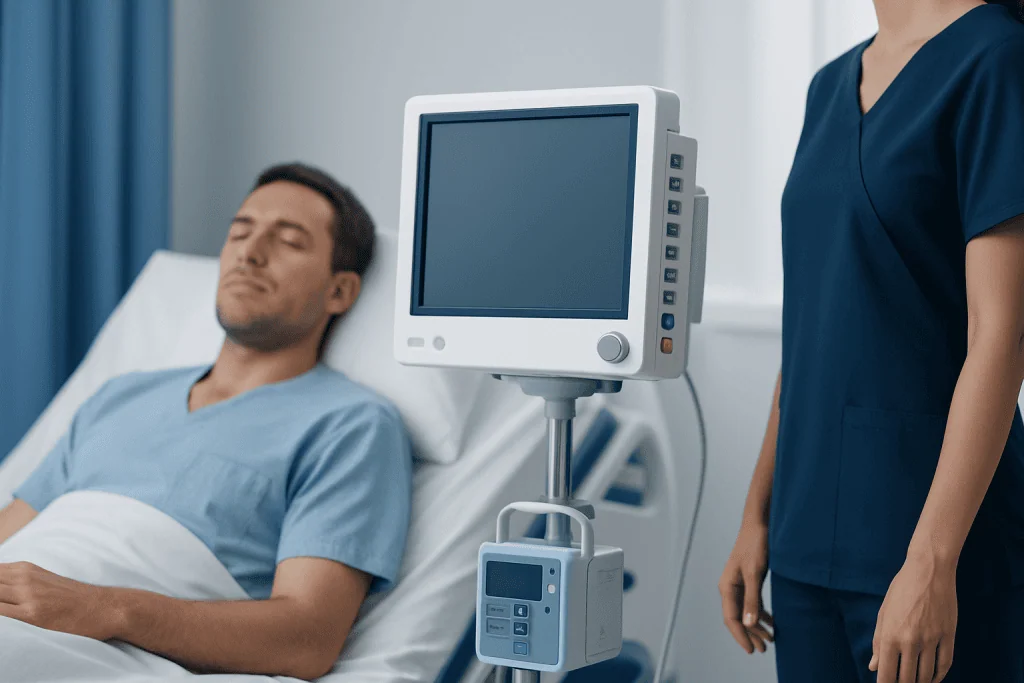
Your first days after discharge should be simple, predictable and built around rest. Plan each day in small blocks: waking, washing, eating, medication times, a short walk if your plan allows one, and rest periods between everything. On appointment days, make the appointment the only significant event. Sightseeing, shopping and long social visits belong later in recovery, if your discharge plan allows them at all in the early phase.
One activity per day is a reasonable ceiling early on. If you find yourself negotiatingthe bazaar is only twenty minutes away, I could manage an hourtreat that as the moment to check your discharge instructions rather than your enthusiasm. Recovery timelines vary widely between treatments and between people, so comparing your pace with another patient’s, or with a forum post, tells you very little.
Delegate the practical tasks. A companion, hotel concierge or international patient coordinator can arrange transport, collect paperwork, organise meals and confirm appointment times. Accepting that help is not dependence; it protects your limited energy for the one job only you can do, which is healing. If your itinerary includes empty days between appointments, the guide on managing appointment gaps during a medical trip to Turkey covers how to use them without overreaching.
Food, fluids and sleep: the recovery basics

Fatigue worsens quickly when you are dehydrated, under-eating or sleeping badly, and all three are common during medical travel. Appetite often changes after treatment. Small, frequent meals are usually easier to manage than large ones, and Turkish food offers plenty of gentle options, soups, yoghurt, eggs, grilled fish, cooked vegetables, rice, bread and fruit, unless your doctor has given you specific dietary restrictions, in which case those restrictions come first. If eating itself has become difficult, there is a separate guide on managing nausea and appetite loss after treatment in Turkey.
Hydration deserves particular attention if you have recently flown, fasted before a procedure, spent time in heated or air-conditioned rooms, or are recovering during warm weather. Keep water within reach and sip through the day rather than drinking large amounts at once. One important exception: if you have been given fluid restriction advice, common with certain heart or kidney conditions, your own medical plan overrides any general hydration guidance, including this one.
Sleep rarely returns to normal immediately. A consistent bedtime, dim lights in the evening, limited screens late at night and short naps rather than long late-afternoon ones all help your body re-establish a rhythm, especially across time zones. Take prescribed medicines exactly as instructed, since erratic timing can disturb sleep in its own right. Persistent poor sleep from pain, nausea or anxiety is precisely the kind of detail follow-up appointments exist to address: it belongs in your notes for that conversation, not in the category of things to endure silently.
Gentle movement without overdoing it
For many patients, gentle movement supports recovery, but the right amount depends entirely on your treatment, your condition and your discharge instructions, so those instructions are the reference point, not a general rule. Within an approved plan, a short walk along a hotel corridor, light stretching or simply standing up at regular intervals can help circulation and confidence. Strenuous exercise, lifting luggage, rushing through terminals and long flights of stairs are usually inappropriate early on.
Mild tiredness after approved activity is a normal part of rebuilding stamina. The useful habit is noticing your own pattern: how long an activity takes to catch up with you, how long rest takes to restore you, and whether both are gradually improving week on week. That pattern is more informative than any single tired day, and it is exactly the sort of record a doctor reviewing your recovery will want to see. If your treatment plan includes structured physiotherapy or a longer rebuilding phase, rehabilitation planning after medical treatment in Turkey explains how that is organised.
Energy-saving choices are part of movement management, not an alternative to it. Take lifts rather than stairs, request wheelchair assistance at the airport if standing and walking are demanding, use door-to-door transfers where recommended, and pack so that essentials sit at the top of your bag. Conserving energy on the tasks that do not matter buys you capacity for the movement that does.
Medicines and fatigue
Some medicines list tiredness, drowsiness or light-headedness among their possible effects. Pain relief, anti-nausea medicines, antibiotics, hormone treatments and many other prescriptions affect people differently, and it is not always obvious whether a given week’s fatigue comes from the healing process, the medicine, the travel, or all three at once.
Untangling that is your treating doctor’s job, and it is one reason self-adjusting medication is a bad idea: changing a dose or stopping a medicine can mask the very pattern the doctor needs to see, quite apart from the medical risks. What you can usefully do is keep a simple written record, which medicines you take, at what times, and how tired you feel through the day. A phone note is enough. Patterns across several days give a prescriber far more to work with than a general impression of feeling drained.
Well-managed pain also matters here, because a body fighting constant discomfort tires faster. Take medicines on the schedule you were given, keep a current list with doses and timings, and set phone alarms if time zones or brain fog make you forgetful. Crossing borders adds its own timing and paperwork questions, which are covered in managing medicines across borders after treatment in Turkey.
How clinicians tell recovery fatigue from a problem
Not all tiredness is the same, and part of every discharge conversation is calibrating expectations: how tired is normal after this treatment, for roughly how long, and what pattern would fall outside that range. Clinicians generally look at three things. First, trajectory, recovery fatigue tends to improve gradually, even if unevenly, while fatigue that steadily worsens gets attention. Second, proportion, tiredness roughly matching your activity is expected, while exhaustion after trivial effort is not. Third, company, fatigue on its own reads differently from fatigue arriving alongside other new symptoms, which is why discharge paperwork lists warning signs specific to your procedure.
That paperwork, together with the contact pathway printed on it, is your reference document for anything that feels off. How that pathway works for international patients, including out of hours and after you have flown home, is explained in the guide on when to seek urgent medical help after treatment in Turkey. This page deliberately stays on the subject of everyday energy management; the clinical notice at the top of every page on this site covers the rest.
Preparing for the trip home
Travel is tiring even when you are well, so plan the return journey as a recovery day, not a normal travel day. Fitness to fly is a medical judgement that depends on your treatment and your progress, and for some procedures airlines expect formal documentation: the guide on when you may need medical clearance to fly home explains how that works. Your doctor can also advise on seating, compression, mobility assistance, comfort in transit and how to time medicines across the flight.
Build in more time than you think you need. Airports involve walking, queues, security checks, luggage handling and long periods of sitting still, each one a small drain that adds up. Requesting airport assistance in advance costs nothing and removes the most exhausting stretches. Pack a carry-on with your medicines, discharge documents, snacks, a water bottle to fill after security, chargers, a light layer and any approved medical supplies, so that a delayed checked bag cannot interrupt your medication schedule.
Before departure, gather what your home doctor will need: reports, imaging files, prescriptions and aftercare notes. Acibadem’s international patient teams handle this kind of coordination routinely, follow-up scheduling, translated documents where available, and interpreter support, and it is far easier to collect paperwork while you are still in the country than to request it afterwards. Then plan a deliberately quiet first week at home: fatigue does not end at the arrivals gate, and the patients who recover most smoothly are usually the ones who assumed it wouldn’t.
Step by step
- Calibrate expectations before discharge. Ask your doctor what level of tiredness is normal after your specific treatment, how long it typically lasts, and what pattern would fall outside the expected range. Write the answers down while they are fresh.
- Build a low-energy daily schedule. One main event per day, an appointment or a short approved walk, with rest planned before and after it. Resist comparing your pace with other patients; treatments and bodies differ too much for the comparison to mean anything.
- Track sleep, meals, fluids, medicines and energy. A simple phone note covering these five things builds a pattern over days. Patterns help your care team fine-tune advice and reassure you when progress is real but gradual.
- Delegate early and without guilt. Let a companion, coordinator or hotel staff handle transport, luggage, meals and appointment logistics. Every task you hand over is energy redirected to healing.
- Assemble documents and medicines before travel. Keep discharge notes, prescriptions, test results and contact numbers together in your carry-on. Pack more medication than the journey should need, in original packaging where possible, in case of delays.
- Pre-arrange a gentle first week at home. Sort groceries, childcare, work handovers and transport before you fly, and book any local follow-up in advance so your Turkish medical documents reach your home doctor early.
Your checklist
- Discharge instructions and the contact pathway saved on your phone and printed if possible
- Medication list with doses, timings and any flight-day guidance from your doctor
- Follow-up appointment confirmed, in Turkey or at home
- Medical reports, imaging files and lab results requested before departure
- Airport assistance or wheelchair support arranged if standing and walking are demanding
- Carry-on packed with medicines, documents, snacks, chargers and a light layer
- A rest schedule for the first 48 hours after arriving home
- A companion or trusted contact briefed on your discharge plan and its warning signs
Key takeaways
- Fatigue after treatment is common and is amplified by travel, disrupted sleep, new surroundings and the mental workload of logistics.
- The five P’s, prioritise, plan, pace, position, permission, plus regular meals, fluids and a steady sleep routine form the foundation of energy management.
- Take medicines exactly as prescribed and keep a simple energy diary; the pattern it reveals is more useful to your doctor than any single tired day.
- Managing fatigue after medical treatment in Turkey gets much easier once the flight home is planned as a recovery day, with assistance booked and documents in your carry-on.
- Your discharge instructions set the boundaries for activity, diet and travel, everything in this guide works within them, never instead of them.
Frequently asked questions
Is it normal to feel exhausted after medical treatment in Turkey?
Yes. Healing consumes energy, and recovering abroad adds travel, disrupted sleep, unfamiliar surroundings and logistical decisions on top. Most patients feel more tired than they expected, even after treatment that went entirely to plan. What counts as normal for your situation is set out at discharge, along with the pattern that would fall outside it.
What are the 5 P’s of fatigue management?
Prioritise, plan, pace, position and permission. In practice: decide what genuinely must happen today, schedule demanding tasks for your best hours, break activity into short blocks with rest between them, arrange your space so essentials are within easy reach, and allow yourself to rest on schedule rather than after collapse.
How can I cope with fatigue day to day?
Keep days simple and predictable: one main activity, rest before and after, small regular meals, steady fluids unless you have restriction advice, a consistent bedtime and short naps rather than long late ones. Delegate practical tasks where you can, and track your energy in a phone note so you can see gradual improvement that a single tired day would hide.
How do I combat fatigue caused by medicines?
Some prescriptions can cause drowsiness or low energy, but separating medicine effects from normal healing fatigue is a judgement for your prescriber, not something to solve by adjusting doses yourself. The most useful thing you can do is keep a written record of what you take, when, and how tired you feel through the day: that pattern gives the doctor reviewing your medicines something concrete to work with.
What medical treatment is Turkey famous for?
Turkey receives international patients across a wide range of fields, including cardiology, oncology, orthopaedics, ophthalmology, dental care, fertility treatment, hair restoration and plastic surgery. Whatever the treatment, recovery fatigue behaves in broadly similar ways, which is why the pacing, nutrition and travel-planning habits in this guide apply across specialties.
Can I go sightseeing in Istanbul while I recover?
That depends on your treatment, your mobility, your medicines and your follow-up schedule, so your discharge instructions are the deciding voice. Where light activity is approved, short low-effort outings work best: private transport, somewhere to sit nearby, and no fixed plan you feel obliged to finish. Crowded, strenuous or long-walking itineraries belong later in recovery.
What should I eat if my appetite is low?
Small, frequent meals are usually easier than large ones. Gentle, nourishing options, soups, yoghurt, eggs, soft fruit, cooked vegetables, rice and lean proteins, suit most recoveries, unless your doctor has given you specific dietary restrictions, which always take precedence. Turkish cuisine covers these options well, so hotel and local menus rarely pose a problem.
How can I make the flight home less tiring?
Treat it as a recovery day. Have fitness to fly confirmed by your doctor, request airport assistance in advance if walking and standing are demanding, keep medicines and documents in your carry-on, wear comfortable clothing, and allow extra time for every stage. If your doctor gives movement, hydration or compression guidance for the flight, follow it exactly as given.
Add us as a Preferred Source to see more of our trusted health content across Google Search, AI Overviews and Discover.

Update history
- PublishedJune 22, 2026
- Medical review approvedSeptember 13, 2026
- Last content updateSeptember 12, 2026
References3
- Fatigue and Cancer Treatment: National Cancer Institute cancer.gov
- Fatigue: MedlinePlus, U.S. National Library of Medicine medlineplus.gov
- Tiredness and fatigue: NHS nhs.uk
More Patient Guides

Flying After a C-Section: Timing for New Mothers
A C-section is real abdominal surgery that happens to come with a newborn attached, so the flying question has two clocks…

When Can You Drive After Anesthesia or Sedation?
You feel fine an hour after the procedure. You are chatting, you walked to the car unaided, you could obviously drive it.…

Flying After Hip Replacement: When Is It Safe?
Hip replacement recovers famously well, many patients walk further at three weeks than they had in three years. Flying is part…

Flying After Knee Replacement: When Is It Safe?
The knee is new, the physio is going well, and there is a boarding pass with your name on it. Flying after…