

Requesting Medical Certificates During Treatment in Turkey

Tell your care coordinator what you need, who is asking for it, and the deadline, ideally well before discharge. Your treating doctor or the medical records team prepares the document, which must reflect verified medical facts only. Confirm the required language, and whether a translation, notarisation or apostille is needed, then check every name and date against your passport before you leave the hospital.
Your employer wants proof of hospitalisation. The airline is asking whether you are fit to fly. Your insurer will not process a claim without a detailed report. And you are trying to sort all of this out while you are still recovering in a foreign country.
Requesting medical certificates during treatment in Turkey is a normal part of international care, and it goes smoothly when you know three things: what to ask for, who issues it, and how long each document realistically takes. This guide covers the common certificate types, the details you should prepare, the translation and legalisation steps that catch patients out, and the limits of what any doctor can put in writing. It also answers the practical questions international patients ask about using hospitals in Turkey in the first place.
At a glance
- Best time to ask: As early as possible, ideally before discharge, before a weekend, and well before any flight
- Common documents: Fit-to-fly notes, sick leave and rest certificates, hospitalisation confirmations, discharge summaries, medical reports, medication lists, prescription copies
- Who prepares them: Your treating physician for clinical assessments; the medical records or patient services team for formal reports and copies
- Language and legalisation: Confirm whether you need English or Turkish, and whether certified translation, notarisation or an apostille is required by the receiving organisation
- Important limitation: Doctors certify medical facts and your current condition only, no backdating, no unsupported wording, no guarantees about future travel or recovery
Why you may need a medical certificate during treatment in Turkey
When you travel abroad for healthcare, paperwork becomes part of the treatment itself. Your employer may need confirmation of your absence dates. Your airline may want evidence that you are medically stable enough for the flight home. Your insurer may require a diagnosis letter, itemised invoices and test results before it reimburses anything. Your doctor at home will want a discharge summary so follow-up care continues without gaps. Requesting medical certificates during treatment in Turkey is easiest while your care team is still seeing you daily and your records are current, which is why timing matters more than almost anything else in this process.
In Turkey, as in most countries, medical certificates are formal documents. They are issued by the treating doctor, the hospital, or the medical records department, depending on the type, and they must reflect your actual diagnosis, treatment, dates of care and current medical status. A doctor cannot write whatever a third party requests if the content is not medically supported or not permitted under hospital policy. This is not obstruction; it is what makes the document credible to the airline, insurer or authority receiving it.
At Acibadem International, the international patient services team can help you work out which document fits your situation, who needs to sign it, and whether translation or additional formatting will be required. That support matters when you are simultaneously managing treatment, hotel arrangements, family updates and return travel. The section below breaks down the main document types so you can name what you need precisely, vague requests are the single biggest cause of delay.
Common types of certificates and reports you can request
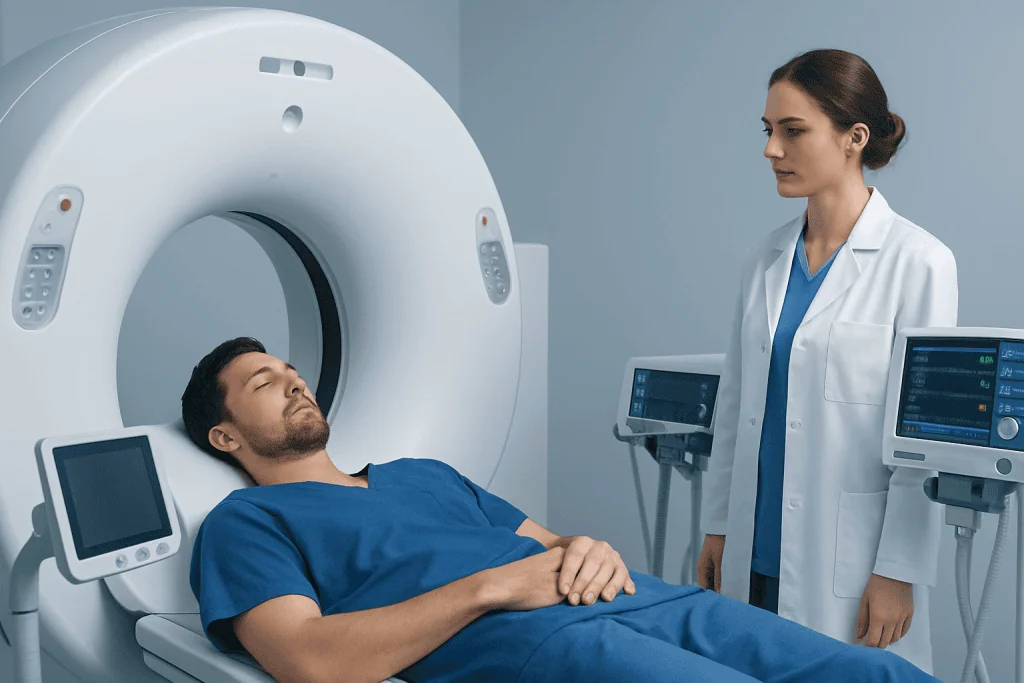
The document you need depends on who is asking and why. An airline wants a statement about your current fitness to travel. An employer usually needs hospitalisation dates and a recommended rest period. An insurer typically wants a detailed clinical report, invoices and sometimes treatment codes. A school or university may only need confirmation that you were under medical care on specific dates. These are different documents with different signatories and different processing times, asking for “a certificate” without specifying the purpose usually means asking twice.
- Fit-to-fly certificate: a physician’s opinion on your current medical fitness for air travel, sometimes tied to a specific flight date.
- Sick leave or rest certificate: confirms medically recommended time off, based on your treatment and assessed condition.
- Hospitalisation certificate: a short confirmation of admission and discharge dates, often enough for employers and schools.
- Discharge summary: the clinical overview of your admission, diagnosis, procedures, medications, follow-up instructions. Your home doctor will want this.
- Detailed medical report: a fuller document for insurers, embassies or legal purposes, which may need medical records processing.
- Operative notes and diagnostic reports: imaging results, laboratory reports and surgical documentation, useful for continuity of care.
- Medication lists and prescription copies: important for customs, pharmacies at home and keeping your regular medicines on schedule after you leave.
In some situations, a travel companion may also need documentation showing that their presence was medically necessary, for example, for their own employer or insurer. Whether this can be issued depends on your medical situation and the rules of the organisation requesting it, so raise it early rather than assuming it will be possible.
Before making any request, identify the exact purpose. A three-line confirmation letter and a comprehensive medical report follow different pathways. If you are unsure what the requesting organisation needs, ask them directly for their required wording, form, language, submission deadline, and whether an original signed and stamped document is mandatory or whether a scan will do.
Fit-to-fly certificates and travel-related paperwork

The fit-to-fly certificate is the most time-sensitive document most international patients deal with. Airlines may ask for one after surgery, after an emergency admission, during pregnancy, after a cardiac event, or when you are travelling with mobility restrictions, drains, casts, or medical equipment. If you travel with supplemental oxygen or battery-powered devices, the airline will almost certainly have additional forms: our guide on oxygen needs during medical travel covers those requirements separately, and similar airline rules apply to battery-powered medical devices.
Many airlines use their own medical clearance forms, often called MEDIF forms, which must be completed by a physician and submitted before travel, sometimes days before, not hours. Some airlines also require the certificate itself to be issued within a specific window before departure, so a note written a week early may not be accepted. Check your airline’s rules before you ask your doctor to sign anything.
Be clear about what a fit-to-fly note is and is not. Your doctor can assess your current condition and give a medical opinion about air travel. The airline, its medical desk, or a border authority can still apply their own rules and make the final decision. No hospital document guarantees boarding.
If your return flight is already booked, share the flight date, total journey duration, connection details, cabin class if relevant, and any mobility needs with your care coordinator. If your doctor recommends delaying travel, the international patient services team can help you coordinate the medical side while you or your companion contact the airline, insurer and accommodation provider about rebooking. Building a small buffer between your last procedure and your flight home reduces the chance of this scramble in the first place.
What information to provide when you make a request
The fastest route to a correct certificate is complete information at the start. Tell your care coordinator who is requesting the document, why, the deadline, the preferred language, and whether the original must be physically stamped and signed. If a third party has supplied a template, form or required wording, forward it immediately, physicians and records teams can work far faster from a form than from a description of one.
Details worth preparing before you ask:
- Your full name exactly as written in your passportthis is the most common source of corrections
- Date of birth, and passport number if the receiving organisation requires it
- Hospital registration number, if you have it
- Admission and discharge dates, and the department or physician involved
- Destination country, since legalisation requirements differ by country
- Contact details for the requesting organisation
- For insurance documents: your policy number and claim reference
Then tailor the request to the recipient. For employers, ask whether they need absence dates, a recommended rest period, or a fitness-to-return statement. For airlines, request their medical clearance form and its submission deadline. For insurers, confirm whether they need a diagnosis letter, discharge summary, invoices, test results, or all of these. For embassies and visa offices, ask specifically about notarisation, translation and apostille.
Do not leave any of this until the taxi to the airport. Some documents require physician review, records processing, translation, and stamps or signatures from more than one office. Early requests allow time to correct a misspelt name or a wrong date, fixes that take minutes on site can take weeks by email from another country. Keeping copies of everything in one place helps too; see our guide on keeping your medical records organised during treatment in Turkey.
Language, translation, notarisation and apostille
Hospitals that regularly serve international patients are used to preparing English-language documents, and many certificates can be issued in English or supported with English-language information. But some formal records originate in Turkish, and the acceptable format depends entirely on who is receiving the document. One insurer accepts a hospital-issued English report; another demands a certified translation. One embassy accepts a stamped original; another requires an apostille.
Understand the distinction: apostille and notarisation are legal authentication steps, not medical ones. They typically involve offices outside the hospital and add time that the hospital cannot compress. If your documents are destined for a court, an embassy, a government benefit application, an immigration file, or a formal insurance dispute, confirm the exact requirement before discharge so your plan is realistic.
The safest sequence is simple: ask the receiving authority in writing what they require, then hand those instructions to your patient services contact. Acibadem International can tell you what the hospital itself can issue and what needs to go through translation or legal authentication channels. If language is a barrier during these conversations, it is worth reading our guide on whether a medical interpreter or a family member should help during appointmentsprecise wording matters more for documents than for almost any other part of your stay.
Once you have originals in hand, treat them like your passport. Stamped, signed originals are tedious to replace from abroad. Our guide on keeping valuables and medical documents safe during treatment travel covers practical storage and backup habits.
Privacy, consent and realistic expectations
Your medical information is confidential, and hospitals must follow privacy rules when releasing it. If you want a certificate or report sent directly to an employer, insurer, family member, embassy, airline or another doctor, you will usually be asked for written consent naming the recipient and the information to be shared. This is a protection, not a formality: it ensures sensitive details go only to people and organisations you have approved.
Keep expectations grounded, too. A medical certificate can confirm facts, admission and discharge dates, diagnosis, procedures performed, recommended rest, current assessed fitness. It cannot contain unsupported statements. Doctors generally cannot backdate certificates, certify conditions they never assessed, or make promises about future recovery or travel outcomes. If wording requested by a third party seems unusual, overly broad or legal in character, the hospital team may need to review it before anything is issued. That review is normal and protects both you and the medical team. In practice, a short, factual, verifiable document is more persuasive to insurers and authorities than one that overreaches.
Practical questions about using hospitals in Turkey
Patients researching certificates often have broader questions about healthcare access in Turkey. The short answers:
Can foreigners go to hospital in Turkey? Yes. Foreign nationals can be treated at hospitals in Turkey, and hospitals serving international patients handle registration with a passport, coordinate interpreters, and prepare documentation for use abroad as a routine part of their work.
Do tourists get free healthcare in Turkey? In general, no. Emergency departments assess and stabilise anyone who arrives regardless of nationality, but tourists are not covered by the Turkish public health insurance system and should expect to pay for treatment or claim through their own travel or health insurance. This is one reason certificates and detailed reports matter: your insurer at home will usually need them to process any claim. Check your policy’s documentation requirements before treatment, not after.
What does a full medical check-up in Turkey cost? There is no single answer, because check-up programmes are built from components: which laboratory panels are included, which imaging studies, which specialist consultations, and whether cardiology or age-specific screening is added. The way to get a reliable figure is to request a written quote for a named programme listing exactly what it includes, then you can compare like with like and you will also know exactly which reports you will receive afterwards.
What should you do if you get sick in Turkey? For minor complaints, contact your hospital coordinator or attend an outpatient clinic; keep any reports and receipts you are given, because they become the basis for certificates and insurance claims later. If symptoms are severe or sudden, such as chest pain, difficulty breathing, signs of stroke, or heavy bleeding, call your local emergency number or go to the nearest emergency department now. If you need emergency transport during your stay, our guide to using ambulance services in Turkey during medical travel explains how the system works.
Step by step
- Identify who needs the certificate. Name the organisation asking for the document, airline, employer, insurer, school, embassy, or your home-country doctor. Each requires different wording, dates, signatures or supporting records.
- Ask for the requirement in writing. Request a form, email, checklist or official instruction from the receiving organisation. Written requirements prevent guesswork and let the hospital prepare a document that matches the intended use first time.
- Tell your patient services contact early. Share the request with your Acibadem International coordinator, nurse or department contact as soon as you know you need the document, especially before discharge, before a weekend, or before a planned flight.
- Provide exact personal details. Use your passport spelling for your name and confirm your date of birth, passport number if needed, admission dates and destination country. Small errors cause real problems with airlines, insurers and official offices.
- Confirm language and format. Ask whether the certificate should be in Turkish, English or another language, and whether it must be signed, stamped, translated, notarised or apostilled. If you need multiple originals or digital copies, say so in advance.
- Allow time for medical review. Your treating physician may need to assess your current condition before signing, particularly for fit-to-fly or return-to-work certificates. Detailed reports also pass through medical records processing, which takes longer than a simple confirmation letter.
- Check the document before you leave. Review your name, dates, passport details, any diagnosis wording, and the required signatures and stamps before departing the hospital. Corrections are far easier while you are still on site.
Your checklist
- Passport or official ID details matching your travel documents
- Name and contact details of the organisation requesting the certificate
- Exact purpose, flight clearance, sick leave, insurance claim, school absence, follow-up care
- Any official form, template or required wording from the airline, insurer, employer or authority
- Submission deadline, and whether an original paper copy is mandatory
- Preferred language, plus any translation, notarisation or apostille requirement
- Relevant travel details: flight date, route, connection times, mobility needs, medical equipment
- Written consent if the hospital must send information to a third party
- Copies (digital and paper) of everything issued, stored separately from the originals
Key takeaways
- Medical certificates in Turkey are factual documents, issued through the correct hospital process and based on what your doctor can medically verify.
- Fit-to-fly certificates are time-sensitive, may need airline-specific forms, and never guarantee that the airline will permit travel.
- Employers, insurers, airlines and embassies each have different requirements, get their instructions in writing and pass them on early.
- Translation, notarisation and apostille are separate legal steps that add time outside the hospital process; confirm requirements before discharge.
- Written consent is normally needed before the hospital releases your information to any third party.
- Acibadem International patient services can coordinate requests between you, your treating team, interpreters and medical records.
Frequently asked questions
Can foreigners go to hospital in Turkey?
Yes. Foreign nationals can be treated at hospitals in Turkey, and hospitals that serve international patients routinely register patients with a passport, arrange interpreter support, and prepare reports and certificates for use abroad. Requesting medical certificates during treatment in Turkey is a standard part of international patient services rather than an unusual favour.
Do tourists get free healthcare in Turkey?
In general, no. Emergency departments will assess and stabilise anyone who arrives, but visitors are not covered by Turkey’s public health insurance system and should expect to pay for treatment or claim it back through their own travel or health insurance. Keep every report, certificate and invoice you receive, insurers usually require them for reimbursement.
What should I do if I get sick in Turkey?
For minor issues, contact your hospital coordinator or visit an outpatient clinic, and keep the paperwork you are given. If symptoms are severe or sudden, such as chest pain, difficulty breathing or heavy bleeding, call your local emergency number or go to the nearest emergency department now. Afterwards, you can request certificates covering the episode for your insurer or employer.
How is the cost of a full medical check-up in Turkey worked out?
Check-up programmes are priced according to their contents: the laboratory panels, imaging studies, specialist consultations and any age- or risk-specific screening included. Ask for a written quote naming the exact programme and listing everything it covers. That lets you compare options fairly and tells you which reports you will receive to take home.
Can I get a fit-to-fly certificate after surgery?
Possibly, but only after your doctor assesses whether air travel is appropriate for your current condition, considering your procedure, recovery progress, mobility, medications and flight duration. Even with a doctor’s note, the airline may require its own medical form and makes the final decision on whether you fly.
Can my certificate be issued in English?
Many international patient documents can be prepared in English or supported with English-language information, depending on the document type. Some formal records originate in Turkish and may need certified translation for use abroad. If the receiving authority requires certified translation, notarisation or an apostille, confirm this early: these steps happen outside the hospital and take extra time.
Can my doctor backdate a sick leave certificate?
Doctors generally cannot backdate certificates or certify periods they cannot medically verify. A certificate reflects your actual assessment, treatment dates and clinically supported recommendations. If you need documentation covering earlier dates, ask whether a hospitalisation confirmation or a summary from your medical records can support your request instead.
Can the hospital send my certificate directly to my employer or insurer?
Usually only with your written consent naming the recipient and confirming what may be released. This protects your privacy and prevents sensitive medical details being shared without your approval. If you prefer, you can receive the documents yourself and forward them, keeping copies of everything you send.
Add us as a Preferred Source to see more of our trusted health content across Google Search, AI Overviews and Discover.

Update history
- PublishedJune 9, 2026
- Medical review approvedSeptember 13, 2026
- Last content updateSeptember 12, 2026
References1
More Patient Guides

When a Hospital Stay in Turkey Becomes Longer Than Planned: What to Arrange
If your hospital stay in Turkey is longer than planned, arrange medical updates, accommodation, travel changes, insurance and support for your companion.

Waiting for Test Results in Turkey: How to Use Time Between Appointments
Waiting for test results in Turkey is easier with a clear plan for appointments, rest, records, questions and support in Istanbul.

Unexpected ICU Stay in Turkey: What Patients and Families Should Expect
Unexpected ICU stay in Turkey: learn what patients and families can expect, from communication and visiting to care updates and travel support.

How to Manage Special Diets During Medical Travel in Turkey
Special diets during medical travel in Turkey are easier to manage when you share your needs early, confirm meals and carry safe…