

Showering and Personal Hygiene After Surgery in Turkey

Many patients are allowed short, lukewarm showers within the first days after surgery, but the exact timing depends on the procedure, the wound closure and the dressing type. Until your surgeon confirms showering is safe, sponge bathing keeps you clean without wetting the incision. Baths, pools, saunas and sea water come later. Your written discharge instructions always take priority over general guidance, including this guide.
“When can I finally take a shower?” is often the first practical question after an operation, usually asked from a hotel room in Istanbul, while looking at a dressing and wondering what happens if it gets wet. The answer is not the same for everyone, and this guide explains why, what usually applies, and how to stay clean safely until your surgeon lifts the restrictions.
It covers showering and personal hygiene after surgery in Turkey for international patients: how dressings change the rules, how to wash when you cannot shower, what to avoid, and how hygiene fits into a recovery that ends with a flight home. It is general information. Your surgeon’s discharge instructions always come first, because they are written for your specific wound.
At a glance
- Topic: Post-operative showering, washing and wound hygiene
- Purpose: To protect incisions, keep dressings in good condition and support comfort during recovery
- Anesthesia: Not applicable: this guide covers aftercare, not a procedure
- Hospital stay: Depends on your original surgery and your surgeon’s discharge plan
- When showering usually resumes: Varies by procedure, wound closure and dressing type; confirmed at discharge or first control
- What stays restricted longer: Baths, pools, saunas, steam rooms and sea water, until healing is confirmed
- Suitable department: Your surgical team and nursing staff, with wound care support where needed
- International patient support: Interpreter assistance at discharge, written instructions, travel coordination and remote follow-up where appropriate
Why showering and personal hygiene after surgery in Turkey need a plan
Washing seems too simple to need instructions. After surgery, it is not. Depending on your operation you may leave hospital with stitches, surgical glue, adhesive tapes, a waterproof or non-waterproof dressing, drains, a compression garment, a splint or a cast. Each of these changes when you can shower, what can get wet, which products are safe and whether you need help.
For international patients there is a second layer: you are recovering in a hotel rather than at home, your bathroom is unfamiliar, and your first days after discharge happen away from your usual support network. Planning showering and personal hygiene after surgery in Turkey before you travel, not after, makes the first week noticeably calmer.
There is also a clinical reason to take this seriously. Hygiene done well protects the incision and helps you notice changes early. Hygiene done badly, soaking a fresh wound, scrubbing an incision, pulling a dressing off in the shower, can irritate healing tissue. Research comparing early and delayed post-operative washing has not shown that carefully timed early showering is inherently harmful for many wound types, which is why instructions now vary so much between procedures. The variation is deliberate: your surgeon sets the timing for your wound, not for wounds in general.
When is specific hygiene guidance recommended?
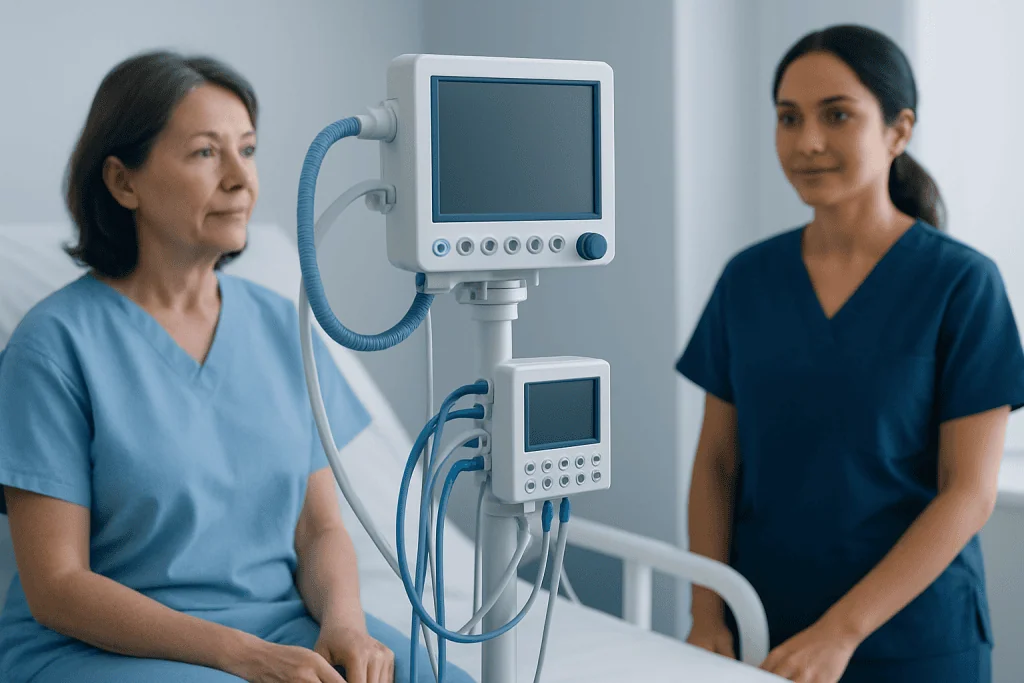
Every surgical patient receives some hygiene guidance, but certain situations call for more detailed instructions. Large or multiple incisions, wound drains, skin grafts, implanted devices, casts and splints all change the routine. Compression garments, common after plastic and body contouring surgerybring their own questions: when they can come off for washing, how long they can stay off, and how to clean the garment itself.
Patients with diabetes, immune conditions or a history of slow wound healing usually receive more cautious instructions, because their tissue takes longer to close securely. Mentioning these conditions before travel lets the team plan dressings and follow-up accordingly.
Personal hygiene after surgery is also broader than the shower. It includes hand washing before touching anything near the incision, oral care, changing into clean clothes daily, intimate hygiene, keeping bed linen and towels fresh, and washing hair when bending or raising the arms may be restricted. These small routines matter twice over: they keep you comfortable, and they put your eyes on the wound area regularly, which is how changes get noticed early.
Who needs extra planning?

This guidance applies after most types of surgery in Turkey, cosmetic, orthopaedic, general surgical, gynaecological, urological, cardiac, thoracic, neurosurgical and oncological procedures alike. The safest routine depends on the wound closure method and the surgeon’s plan, not on the category of surgery.
Extra planning helps if you expect to feel unsteady in the first days. Anaesthesia, pain medication and simple fatigue can all affect balance, and a hotel bathroom with a slippery floor is not a forgiving environment. A shower chair, a non-slip mat, a handheld shower head and a companion within earshot are simple measures that remove most of the risk. If your arm or leg movement will be restricted, after shoulder surgery, for example, or with a cast, assisted washing or sponge bathing is often the practical answer for the first period.
If you are travelling alone, say so before surgery. Knowing this in advance lets the team plan discharge teaching, dressing choices and accommodation advice around the fact that nobody will be helping you reach your own back.
How long can you go without showering after surgery?
Longer than most people expect, and without harm. Skipping full showers for several days is uncomfortable but not dangerous, provided you keep the essentials clean: hands, face, underarms, groin and any skin folds. Sponge bathing covers all of these while the incision stays dry.
Typical instructions ask patients to keep a wound dry for roughly the first one to two days, though some procedures require considerably longer and some modern waterproof dressings allow showering sooner. The honest answer is that there is no universal number, which is exactly why your discharge paperwork states a specific one for you. If your instructions and this guide differ, your instructions win.
What you should not do is decide the waiting is over on your own because you feel fine. Feeling well and having a wound that is sealed against water are two different things, and only an examination can confirm the second.
How to clean yourself when you can’t shower
Sponge bathing is the standard method, and it works better with a little technique:
- Gather everything first, two basins or a sink of warm water, mild soap, two flannels or soft cloths, and clean towels, so you are not walking around wet and half-finished.
- Wash top to bottom: face first, then arms, chest and back, then legs, with intimate areas last using a separate cloth.
- Keep a wide dry margin around the dressing. Wash near it, never over it.
- Pat skin dry rather than rubbing, and put on completely clean clothes afterwards.
- Sit down for as much of this as possible in the first days. A chair by the sink is safer than standing at it.
Dry shampoo or a careful hair wash over a basin, head tilted back, water directed away from any facial or neck incisions, handles hair until normal washing is allowed. Oral hygiene continues as normal unless you have had oral, facial or airway surgery with specific instructions.
Showering with a dressing: what typically applies
Once your surgeon allows showering, a few principles apply across most procedures. Keep the water lukewarm rather than hot; heat increases swelling and can make you lightheaded. Keep the shower short. Do not aim the stream directly at the incision, let water run over it indirectly or shield it with your hand or a waterproof cover if one has been recommended. Use mild, unfragranced soap, and do not apply it directly onto the incision unless told to. Afterwards, pat the area dry with a clean towel and follow whatever dressing instructions you were given.
Dressings differ, and the difference matters. Some are designed to tolerate water and stay in place; others must remain completely dry and be covered or removed before washing. Your discharge instructions will state which type you have. A dressing that becomes soaked, loose or contaminated no longer does its job, which is why teams explain in advance what they want done with it, some ask patients to keep spare dressings, others prefer to change dressings themselves at the first control appointment.
Drains change everything. A drain must be secured so it cannot pull, and many patients with drains are asked to sponge bathe until removal. Do not improvise here; the instructions for washing with a drain are always procedure-specific.
Why day 3 is often the hardest
Many patients report that the third day after surgery feels worse than the first. There are ordinary reasons for this. The longer-acting anaesthetic agents and the adrenaline of the operation itself have fully worn off. Swelling and bruising typically peak around this point rather than immediately after surgery. Sleep has often been poor for two nights running. None of this means recovery is going backwards: it is the predictable low point of a normal curve, and it usually improves from there.
Day three is also when hygiene starts to feel urgent, which is why sponge bathing technique is worth learning on day one rather than improvising later. Managing discomfort well makes washing easier too; our guide to pain control after surgery in Turkey explains what to expect. Steadily worsening pain is a different matter from the expected day-three dip, and it is one of the changes surgical teams want to know about.
What to avoid until healing is confirmed
Some restrictions are near-universal, and they exist because immersion behaves differently from a brief shower:
- Baths, hot tubs, pools, saunas, steam rooms and the sea. Soaking softens the wound area, loosens dressings and exposes the incision to water that is not clean. These usually stay off-limits well after showering is allowed.
- Scrubbing, exfoliating or picking. Do not rub the incision, remove scabs or peel surgical tapes; tapes are generally left to detach on their own or be removed at a control visit.
- Unapproved products. Creams, oils, antiseptics and scar treatments can irritate healing skin or interfere with adhesives. Nothing goes on or near the incision without your surgeon’s approval.
- Very hot water and long standing. Both invite dizziness in the first days.
- Tight or rough clothing over the wound. Loose, clean, breathable clothes are kinder to healing skin and easier to change.
A general recovery timeline
Timelines vary widely by procedure, so treat this table as orientation, not instruction. Your surgeon’s plan may differ, and where it does, follow the plan. If you had a day procedure, our guide to what to expect after day surgery in Turkey covers the compressed version of this timeline.
| Timeframe | What hygiene usually looks like |
|---|---|
| First 24 hours | Tiredness, soreness and unsteadiness are common. Washing is usually limited to assisted washing or sponge bathing. Dressings stay protected, and standing alone in a shower is unwise if you feel weak. |
| First week | Short showers are permitted for many procedures, often with the dressing protected and specific drying instructions. No soaking, no rubbing, no harsh products. The first control appointment usually falls in this window. |
| Weeks 2–4 | A more normal routine gradually returns, though garments, tapes or dressing rules may still apply. Baths, pools, saunas and the sea generally remain restricted. |
| Months 1–3 | Incisions strengthen, though scars can stay sensitive. Advice about scar care, moisturising and sun protection may be added where relevant. |
| Longer term | Scar maturation continues for months. Restrictions on immersion and activity are lifted individually, based on examination rather than the calendar. |
What normal healing looks like, and what it doesn’t
Regular washing is your best opportunity to see the wound area in good light, so it helps to know what is expected. Mild swelling, bruising, tenderness, a small amount of clear or slightly blood-tinged drainage and some itching as the wound closes are all part of ordinary healing for many procedures.
Surgical teams distinguish these from changes they take seriously: redness that spreads rather than fades, increasing rather than decreasing pain, pus-like or foul-smelling discharge, wound edges separating, bleeding that does not settle, or fever and feeling generally unwell. Our separate guide on when pain, swelling or fever matters after surgery in Turkey covers this distinction in detail. Knowing the difference is not about self-diagnosis: it is about understanding why your discharge paperwork lists these signs and includes contact details alongside them.
Hygiene and the journey home
Most international patients fly home before healing is complete, which means the hygiene routine travels with you. Before departure, make sure you understand how dressing care and showering continue after the flight, whether any tapes or stitches still need attention, and how remote follow-up will work if your team has offered it, some teams review photographs of the wound at agreed intervals.
For the journey itself, a small hygiene kit in hand luggage, wipes, a clean spare dressing if your team has provided one, loose clothing, makes long travel days more comfortable. Liquids must comply with airport rules. The timing of the flight is a separate medical question; our guide on when it is safe to fly home after surgery in Turkey explains how that decision is made.
Cost and package information
Hygiene guidance itself is normally part of standard discharge education rather than a separately priced item. Where costs arise, they relate to the surrounding care: the original procedure, length of hospital stay, dressing materials, nurse-led wound care visits, medications, compression garments and any additional consultations a recovery requires.
International patient packages differ in what they cover. Some include coordination, interpreter support, transfers and scheduled follow-up visits; they typically do not include personal hygiene products, hotel laundry, companion expenses, extended accommodation or care for unrelated conditions. The useful comparison between quotes is never the headline figure alone: it is a written answer to “what happens after the operation, and which parts of that are included?”
How Acibadem supports recovery hygiene
Clear communication matters most at exactly the moment patients are tired and eager to leave: discharge. Acibadem’s international patient services include interpreter assistance, so that instructions about showering, dressings, drains, garments and travel restrictions are understood rather than guessed at. Depending on the procedure, your care may involve surgeons, nurses, wound care staff and physiotherapists, with coordinators handling the practical side of a recovery spent partly in a hotel.
For patients who return home before full healing, remote follow-up arrangements can keep the treating team informed where appropriate, while anything urgent is always a matter for local medical assessment without delay.
Medical review and disclaimer
This guide has been reviewed by the Acibadem International medical team. It provides general information about showering and personal hygiene after surgery in Turkey for international patients and their companions.
It does not replace a consultation, diagnosis, treatment plan or discharge instructions from your own doctor. Aftercare must be tailored to your procedure, wound type, medical history and healing progress. If your surgeon’s instructions differ from anything written here, follow your surgeon’s instructions.
Step by step
- Initial contact. You get in touch with Acibadem International about the surgery you are considering, your preferred dates and any recovery concerns, including washing and personal care.
- Medical record and photo submission. You share relevant medical history, test results, medication lists and, if requested, photos or imaging, so the team understands your needs.
- Preliminary medical review. The appropriate specialist reviews your information and identifies surgical and aftercare considerations, including likely dressing and wound care needs.
- Treatment plan and quotation. You receive a personalised plan outlining the proposed treatment, expected hospital stay, follow-up and package inclusions.
- Travel planning. International patient services help with transfers, interpreter arrangements and accommodation guidance close to the hospital.
- Arrival. You are guided through your hospital schedule, appointments and pre-admission steps.
- In-person consultation. You meet your surgeon for examination, final questions and confirmation of the plan, including early recovery expectations.
- Pre-operative tests. The team performs the tests required to assess fitness for anaesthesia and surgery.
- Surgery. The procedure is performed, and dressings, drains or garments are applied according to the operation.
- Hospital stay. Nurses monitor your recovery, help with early hygiene and teach you how to protect the incision and dressings.
- First control. Your surgeon or care team examines the wound, reviews dressings and confirms when and how you may shower.
- Discharge and travel clearance. You receive explained, and usually written, instructions covering wound care, washing, warning signs and follow-up before leaving hospital or flying home.
- Remote follow-up. Where appropriate, communication with the care team continues after you return home, while urgent concerns are assessed locally without delay.
Your checklist
- Passport and travel documents
- Full medical history and previous diagnoses
- Current medication list, including supplements and blood thinners
- Known allergies, especially to medications, adhesives, latex or antiseptics
- Details of previous surgeries and any wound healing problems
- Information about diabetes, immune conditions or skin conditions
- Relevant blood tests, imaging or specialist reports
- Photos of the treatment area, if requested by the medical team
- Mild, unfragranced soap and clean towels for your hotel stay
- Loose, easy-to-wear clothing and slip-on shoes
- Contact details for your companion or emergency contact
- Written questions about showering, dressings, drains, garments and travel clearance
Key takeaways
- There is no universal showering date after surgery, timing depends on the procedure, wound closure and dressing, and your surgeon’s instructions always take priority.
- Sponge bathing keeps you comfortably clean for as long as the incision must stay dry; going several days without a full shower is not harmful.
- When showering resumes, keep it short and lukewarm, protect the dressing as instructed, and pat the incision dry rather than rubbing.
- Baths, pools, saunas, steam rooms and the sea stay restricted longer than showers, because soaking affects healing tissue and dressings differently.
- Plan your hotel bathroom setup, supplies and any assistance before you travel, especially if you will have drains, garments or limited mobility.
Frequently asked questions
How long can you go without showering after surgery?
Several days without a full shower does no harm, as long as hands, face, underarms and intimate areas are washed daily with a cloth and mild soap. Typical instructions keep wounds dry for the first day or two, but some procedures require longer and some waterproof dressings allow showering sooner. Your discharge instructions state the timing for your wound.
Why is day 3 the hardest after surgery?
By the third day, longer-acting anaesthetic effects have fully worn off, swelling and bruising typically reach their peak, and two nights of poor sleep have accumulated. This dip is a common part of the normal recovery curve and usually improves from there. Steadily worsening pain is a different pattern from this expected low point.
Is surgery in Turkey safe?
Safety depends on the individual hospital and team rather than the country. Turkey has a large hospital sector with long experience treating international patients. The questions that matter are the same anywhere: the hospital’s standards, the surgeon’s experience with your procedure, the quality of anaesthesia care, and how follow-up is organised, including what happens after you fly home.
How do I clean myself when I can’t shower after surgery?
Sponge bathe: sit by a sink or basin of warm water, wash top to bottom with mild soap and a soft cloth, use a separate cloth for intimate areas, and keep a wide dry margin around the dressing. Pat dry, dress in clean clothes, and use dry shampoo or a basin hair wash until normal washing is allowed.
Can my surgical dressing get wet?
It depends on the dressing. Some are designed to tolerate water and stay in place during a short shower; others must remain completely dry and be covered or protected. Your discharge instructions specify which type you have and what the team wants done if a dressing becomes soaked or loose.
Is a bath safe after surgery?
Baths are usually restricted for longer than showers. Soaking softens the wound area, loosens adhesives and exposes the incision to standing water, so immersion, baths, hot tubs, pools, saunas and the sea, generally waits until healing is confirmed at examination. A short, lukewarm shower is the usual early alternative once washing is allowed.
Can I shower if I have drains?
Only with specific instructions. Drains must be secured so they cannot pull, and many patients are advised to sponge bathe until drains are removed, while others may shower with precautions. The rules for washing with a drain are always set individually for the procedure, so this is a point to have clarified before discharge.
How long should I stay in Turkey after surgery?
Long enough for the first wound checks and for the surgeon to confirm you are fit to travel, which varies by procedure. The recommended stay is set around your first control appointment and travel clearance, and it is confirmed as part of your personalised plan rather than taken from a general timetable.
Add us as a Preferred Source to see more of our trusted health content across Google Search, AI Overviews and Discover.

Update history
- PublishedJune 22, 2026
- Medical review approvedSeptember 13, 2026
- Last content updateSeptember 12, 2026
References1
More Patient Guides

HoLEP in Turkey: How It Compares With TURP and What Recovery Involves
HoLEP in Turkey treats enlarged prostate tissue with laser enucleation; learn how it compares with TURP, recovery, travel and follow-up.

Porcelain Veneers in Turkey: Who Is Suitable and How Many Visits Are Needed?
Porcelain veneers in Turkey can enhance tooth shape and colour in two visits for suitable patients after a personalised dental assessment.

How to Prepare for a Sedation Procedure in Turkey
Prepare safely for a sedation procedure in Turkey with guidance on fasting, medicines, travel, recovery and follow-up.
Treatment Delays in Turkey: What Happens If Tests or Recovery Change Your Schedule
Treatment delays in Turkey can happen if tests or recovery change your plan. Learn how to manage appointments, travel, accommodation and follow-up.