

Staying Near the Hospital in Turkey: How to Choose the Right Area
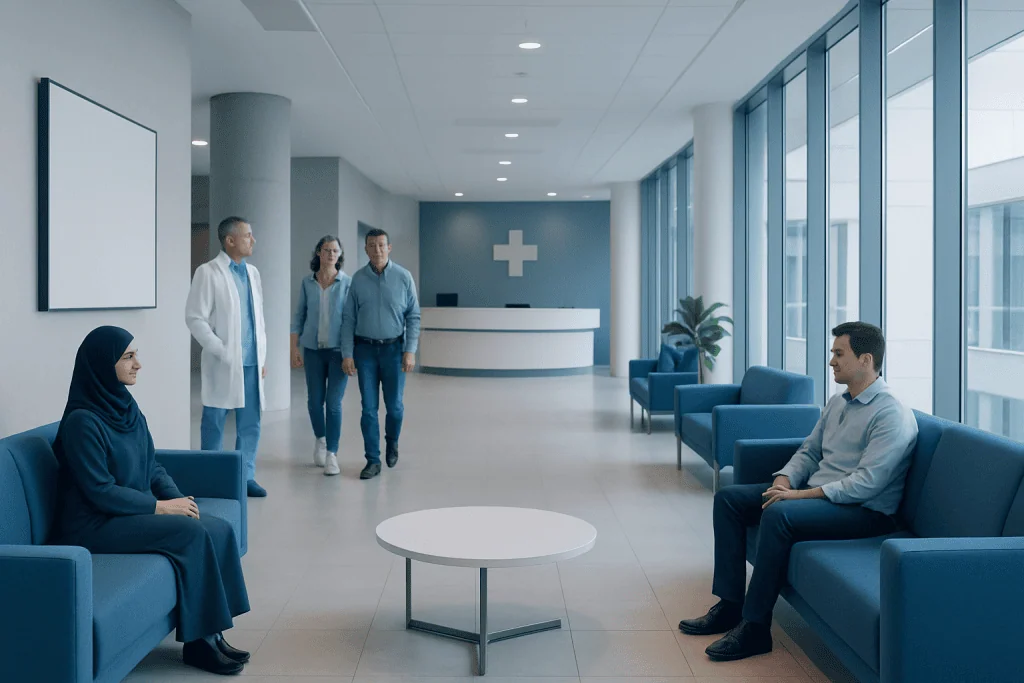
Choose your area by reliable door-to-door travel time, not map distance. Confirm the exact hospital campus first, then look for a quiet neighbourhood with a pharmacy, grocery shop and easy taxi pickup within a short walk. If you expect repeated visits, early admissions or post-treatment tiredness, a hospital-focused area usually serves you better than a central tourist district.
Book near the hospital, or somewhere more central? It is one of the first practical decisions of a treatment trip, and it shapes how the whole stay feels. Get the area right and everything else — appointments, meals, rest, your companion’s routine — becomes easier to manage. This guide explains how to choose the right area when staying near the hospital in Turkey, using travel time, comfort, support needs and everyday practicalities as your yardsticks.
At a glance
- Best for: International patients and companions choosing where to base themselves during treatment
- Main goal: Reduce stress by balancing transfer time, comfort and local convenience
- Most important factor: Reliable door-to-door travel time, not map distance
- Good area signs: Easy transport, pharmacy, grocery shop, quiet streets, simple building access
- Common mistake: Booking by star rating or tourist appeal before confirming the exact hospital campus
- Useful city tip: In Istanbul, traffic can turn a short distance into a long journey at the wrong hour
Why the area matters more than the hotel itself
When you travel for treatment, your accommodation is not just a place to sleep. It becomes part of your daily care routine. The right area makes early appointments manageable, keeps transfers short and predictable, and gives you somewhere calm to rest between hospital visits. The wrong area adds friction to every single day of the trip.
Most people start with star ratings, room photos or proximity to landmarks. Those things are not irrelevant, but for medical travel the neighbourhood around the building usually matters more than the building itself. A modest, quiet hotel with a ten-minute route to the hospital will often serve you better than a luxurious one on the other side of a congested bridge. Staying near the hospital in Turkey is fundamentally a logistics decision, and it rewards the same kind of thinking you would apply to any logistics problem: fixed points first, comfort second, scenery last.
This is especially true in Istanbul, where traffic patterns change the practical distance between two points several times a day. A hotel that looks close on the map may be genuinely inconvenient at 07:30 on a weekday. Larger hospital groups operate multiple campuses in the same city, so the first fixed point to confirm is which building you will actually attend — the guide to choosing the right Acibadem campus in Istanbul explains why this matters and how campuses differ.
One honest caveat before you read on: no area choice removes uncertainty from a treatment trip. Schedules shift after consultations, tests get added, discharge times move. What a good area does is make those shifts cheaper to absorb. That is the standard to judge by.
Start with the hospital location and your treatment schedule
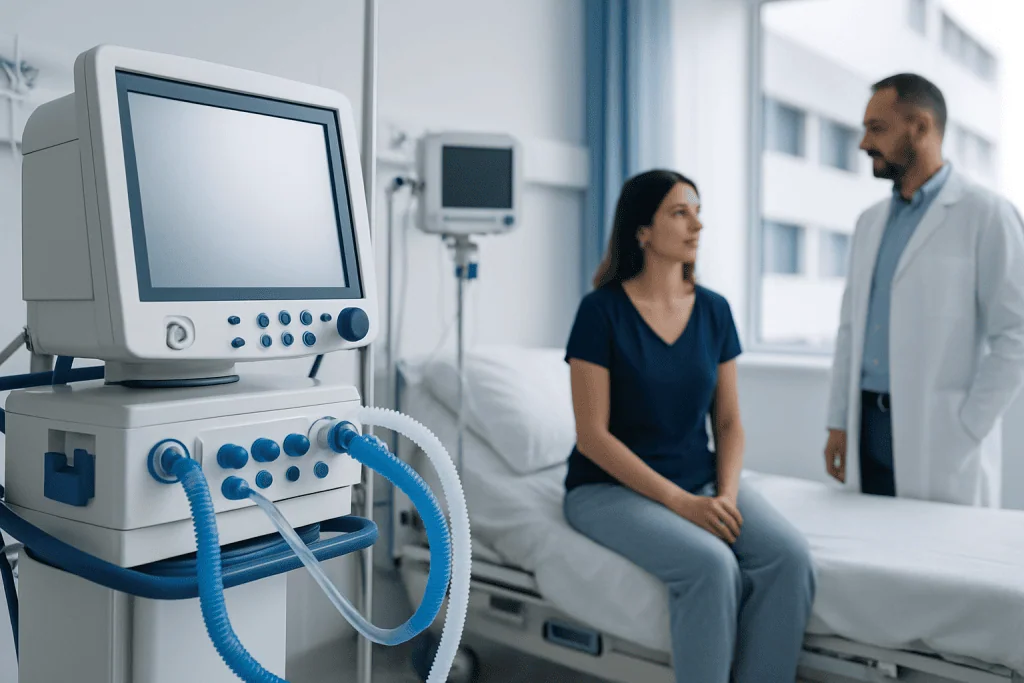
Before comparing any neighbourhoods, confirm two things in writing: the exact hospital or clinic building you will visit, and how often you will visit it. These two facts do most of the work. A single consultation, a week of daily tests and a procedure followed by review appointments each point towards different kinds of areas.
Your visit pattern usually falls into one of three shapes:
- One or two visits. A consultation, perhaps with imaging or blood tests on the same day. Area choice is flexible; a somewhat central base can work if you want it.
- Repeated visits over several days. Daily tests, pre-operative assessments, dressing changes or review appointments. Every extra transfer minute is multiplied, so proximity starts to pay for itself quickly.
- A procedure with recovery time. Whether your treatment is planned as inpatient or outpatient changes what you need from the surrounding area. After same-day discharge in particular, you may feel tired, sore or simply not up to a long ride, and a short, smooth journey back to your room becomes the most valuable feature an area can offer.
If you expect early morning admissions, fasting blood tests or imaging with fixed slots, staying nearby removes the most stressful variable — arriving late through no fault of your own. If your mobility is limited, or you are travelling with a child or an older relative, the case for a short journey gets stronger still. There is a separate guide on when to stay near the hospital after treatment if your main question is the recovery period specifically.
Ask yourself blunt planning questions. Will you need to return the next day? Could your schedule change after the first consultation? Will your companion be travelling back and forth alone while you are admitted? A realistic view of your treatment rhythm points you towards an area that supports it, rather than one that photographs well.
How to judge an area: think in minutes, not kilometres

The most useful comparison between two locations is real travel time from your door to the hospital entrance, checked at the hours you will actually travel. A reliable fifteen-minute transfer beats a technically shorter route that doubles in rush hour. In Istanbul, bridges, coastal roads and business districts introduce genuine unpredictability; in Ankara and Izmir the effect is milder but still real at peak times.
Use a map application to check the route at your likely travel windows — early morning for admissions, late afternoon for returns — and note the spread, not just the best case. A route that shows 12 to 45 minutes is a different proposition from one that shows 15 to 20. When staying near the hospital in Turkey, that spread is the number that decides how early you need to leave and how tired you arrive.
Then look at the last hundred metres at each end. Is taxi or private-transfer pickup straightforward at your accommodation, or does the driver have to stop on a busy road? Is the hospital entrance easy to find, or do you enter through a side street? Are there steep hills, stairs or long walking sections? Turkish cities are often hillier than visitors expect, and if you are recovering from a procedure, even a short uphill walk can feel long.
Finally, assess the immediate neighbourhood on foot-distance terms. On treatment days you will not want an expedition to buy water. Within a short, flat walk you ideally want:
- A pharmacy (eczane — widespread in Turkish cities, with a rota system for out-of-hours cover)
- A small grocery shop or supermarket for water, fruit and basics
- A café or simple restaurant serving light food, ideally with delivery
- A cash machine or card-friendly shops
- An obvious, safe spot for taxi pickup
You may not want sightseeing at all. Most patients simply want to get soup, toiletries and a phone charger without it becoming an outing.
Matching the area to your recovery and comfort needs
Your medical situation should shape the choice as much as the map does. If you may feel sore, fatigued or sensitive to noise, a quieter residential area near the hospital usually suits you better than a lively central district. If you expect to rest during the day, look for streets that are calm at midday as well as at night — some districts are quiet in the evening but loud with traffic and construction during working hours.
The building and the area interact. Consider whether there is a lift, how crowded the pavement outside is, and how easy it is to get from a car to your room without stairs. If your companion will be helping you walk, a wide, level entrance matters more than a marble lobby. The companion guide on choosing the right hotel for recovery goes deeper on room-level features; this guide’s job is the neighbourhood around it.
If you have dietary requirements, a child with you, or reduced mobility, check what the neighbourhood actually supports rather than what the listing implies. Being near a proper supermarket matters if you need specific foods. A pedestrianised street or park nearby matters if gentle daily walking is part of your recovery. Acibadem’s international patient services include interpreters and travel coordination, which takes some of this planning burden off patients who are unfamiliar with the city.
Central districts versus hospital-focused convenience
Some patients want a central Istanbul base so they and their companion can enjoy the city between appointments. Others want to be as close to the hospital as possible and keep the trip simple. Neither is wrong; the right answer depends on your energy level, length of stay and how dense your appointment schedule is. There is a dedicated guide on when to stay near the hospital instead of the city centre, but the short version fits in a table:
| Area type | Typical strengths | Typical trade-offs | Usually suits |
|---|---|---|---|
| Immediately around the hospital | Shortest, most predictable transfers; easy returns after tiring days; pharmacies and everyday shops usually close | Fewer dining options; little to see or do; can feel functional rather than pleasant | Dense schedules, early admissions, limited mobility, post-procedure recovery |
| Quiet residential district nearby | Calm streets, everyday essentials, reasonable transfer times, often better-value apartments | May need short taxi rides for everything; less English spoken in shops | Longer stays, families, patients who want rest plus a normal daily rhythm |
| Central or touristic district | Restaurant choice, familiar hotel brands, things for a companion to do | Traffic, noise, crowds; transfers longer and less predictable; harder rest | Brief, non-demanding visits with a flexible schedule |
A practical middle ground exists in most Turkish cities: districts that are not tourist-heavy but still have everyday shops, decent food and straightforward roads to the hospital. These often deliver the best balance for stays of a week or more. If you have not yet fixed which city or campus your treatment will use, the overview of Acibadem hospital locations in Turkey is the place to start, since the campus decision comes before the neighbourhood decision.
Hotel, apartment or aparthotel: how the area shapes the choice
The type of accommodation and the type of area go together. Hotels concentrate services — reception that can call taxis, housekeeping, breakfast — which compensates for a thinner neighbourhood. Apartments give you space and a kitchen, but you depend on the surrounding streets for everything else, so the neighbourhood test matters more. Aparthotels sit between the two.
As a rule of thumb: for short stays with a dense hospital schedule, a hotel very near the hospital keeps decisions to a minimum. For stays of two weeks or longer, or for families, an apartment in a quiet residential area with a supermarket nearby often feels more sustainable — home cooking, laundry and space to spread out all start to matter. Whichever you choose, apply the same tests: real transfer time at your travel hours, step-free access, and essentials within a short walk.
Questions to ask before you book
Once you have a shortlist, ask questions that reflect medical-travel reality rather than holiday reality. Confirm the actual transfer time to your specific hospital entrance, whether reception can call taxis, whether early check-in or late check-out is possible, and whether the room has what you need — a lift on the route to it, a walk-in shower, twin beds for you and your companion.
Ask about noise, stairs and food access directly; listings rarely volunteer these. If you may return from the hospital needing to lie down immediately, a quiet room away from nightlife is worth more than a view. If you arrive after a long flight, 24-hour reception makes the first evening far smoother.
Check cancellation flexibility carefully. Treatment plans can shift after the first consultation or after test results, and a booking that can move by a day or two without penalty removes a whole category of stress.
- How long is the transfer to the exact hospital entrance at my travel times?
- Is the building manageable with limited mobility — lift, step-free entry, level approach?
- Are there quiet rooms away from the street and any bar or event space?
- What essentials — pharmacy, grocery, simple food — are within a short, flat walk?
- What happens to my booking if my medical schedule changes?
Making your stay easier once you arrive
After check-in, do a quick practical setup while you still have energy. Walk or ride the route to the hospital once before your first appointment so it holds no surprises. Locate the nearest pharmacy, a place to buy water and simple food, and somewhere your companion can wait or work. Ten minutes of scouting on day one saves real effort later in the week.
Keep the key information together in one place on your phone and on paper: hospital address and department name, appointment times, contact numbers, passport copy, insurance or payment documents, and transfer details. Save the hospital name and your accommodation address in written Turkish so you can show them to drivers and shop staff. A working phone connection underpins all of this, so sort out a local SIM card or a roaming data plan before your first appointment and check that your map and messaging apps work on it.
If your trip is coordinated through Acibadem’s international patient services, use the support that comes with it — interpreters, transfer arrangements and a single point of contact for practical questions. Staying near the hospital in Turkey works best when the accommodation plan and the treatment plan are built around the same fixed points, and a coordinator who knows both sides makes that alignment easier.
Step by step
- Confirm your exact hospital and visit pattern. Check which campus, clinic or department you will attend and how many visits you expect. A good area for one consultation may be the wrong area for daily tests or post-treatment reviews.
- Set your maximum comfortable transfer time. Decide how long you are realistically willing to travel each way, especially after a procedure or on an early morning, and treat it as a hard limit when comparing options.
- Shortlist areas, not hotels. Compare neighbourhoods first — traffic, noise, hills, access to essentials — then look at hotels or apartments within the areas that pass, matched to your mobility, privacy and companion needs.
- Check the route at real hours. Test travel-time estimates at your likely admission and return times, and note the spread between best and worst case, not just the average.
- Check practical building features. Lift, step-free entry, 24-hour reception, simple bathroom access and easy taxi pickup matter far more during treatment travel than on a city break.
- Think about your companion’s routine. The area has to work for them too: food options, transport, a quiet place to rest, somewhere to wait while you are in the hospital.
- Confirm flexibility before booking. Ask about cancellation terms, date changes, early arrival, late departure and luggage storage, because medical schedules move.
- Prepare a simple arrival plan. Before you fly, save the hospital and accommodation addresses, transfer contacts and appointment details in one place, and know exactly how you will get from the airport to your room and from your room to the hospital.
Your checklist
- Confirm the exact hospital name and campus before booking any accommodation
- Choose by real transfer time at your travel hours, especially in Istanbul traffic
- Look for a quiet area with a pharmacy and grocery shop within a short, flat walk
- Check lift access, step-free entry and an easy route from car to room
- Make sure taxis or private transfers can stop safely at the entrance
- Ask about flexible booking terms in case appointments change
- Plan for your companion’s meals, transport and waiting time
- Save all addresses and contacts in writing, in Turkish, on your phone
Key takeaways
- Pick your area for reliable hospital access first; tourist appeal is a distant second
- In Turkey, and especially in Istanbul, travel time matters more than physical distance
- Quiet streets and nearby essentials make recovery days meaningfully easier
- Your visit pattern, mobility and companion’s needs should drive the choice
- Flexible booking terms absorb the schedule changes that treatment trips often bring
Frequently asked questions
How close should I stay to the hospital in Turkey?
There is no single perfect distance. The better measure is a short, predictable transfer at the hours you will actually travel. If you have early appointments, repeated visits or expect to feel tired after treatment, an area within a reliable ten-to-twenty-minute journey of the entrance usually keeps the trip manageable.
Is it better to stay in central Istanbul or near the hospital?
If your priority is smooth hospital days, near the hospital is usually the better choice. A central district can work for a brief visit with a light schedule, or for a companion who wants the city, but it brings traffic, noise and longer, less predictable transfers during treatment.
What should I look for in the area around my accommodation?
Focus on practicalities: a pharmacy, a grocery shop, simple food options, a safe and obvious taxi pickup point, and a level walking route. A quiet street and a straightforward journey back from the hospital are worth more than proximity to attractions.
Should I choose a hotel or an apartment?
Either can work. Hotels concentrate services — reception help, housekeeping, taxi calls — which suits short, dense schedules. Apartments suit longer stays and families who want space and a kitchen, but they lean harder on the surrounding neighbourhood, so the area test matters more.
How do I account for Istanbul traffic when choosing where to stay?
Check travel times at the actual hours you expect to travel — early morning for admissions, late afternoon for returns — and note the gap between the best and worst estimates. Routes that cross bridges or business districts can double at peak times, so a wide spread is a warning sign.
Does it matter which hospital campus I will attend?
Yes, and it is the first thing to confirm. Large hospital groups run multiple campuses in the same city, sometimes far apart, and an area that is convenient for one can be a long drive from another. Fix the campus in writing before booking any accommodation.
What if my treatment schedule changes after I book?
This is common, and it is why flexible booking terms matter. Before confirming accommodation, check cancellation rules, date-change options and whether early or late check-in can be arranged. A booking that can shift by a day or two without penalty removes a lot of stress from a treatment trip.
Add us as a Preferred Source to see more of our trusted health content across Google Search, AI Overviews and Discover.

Update history
- PublishedAugust 6, 2026
- Medical review approvedSeptember 1, 2026
- Last content updateSeptember 1, 2026
References1
- CDC Yellow Book — Medical Tourism — wwwnc.cdc.gov
More Patient Guides
GHIC and EHIC in Turkey: Why They Do Not Cover You
The blue card that quietly covers you across Europe stops working at the Turkish border — and every summer, travelers discover this…

Do You Need Vaccinations for Turkey?
Here is the answer travel clinics give every day: no vaccinations are required to enter Turkey from anywhere in the normal course…

Flying With a Broken Leg or Cast: Airline Rules and Comfort
A broken leg does not cancel a flight — airlines carry passengers in casts every single day. What surprises travelers is that…

Travel Insurance After Cancer: What Patients Should Know
A cancer diagnosis changes how insurers read your name — but it does not end your traveling life. Thousands of people with…