

Traveling Alone to Turkey for Treatment: Support Options

Yes, many international patients manage traveling alone to Turkey for treatment, but only when the support around them is planned in advance. Tell the hospital early that no companion is coming, confirm whether your procedure allows you to leave hospital unaccompanied, arrange transfers and interpreter support before departure, and agree a clear discharge and contact plan. For some surgeries, a companion or paid caregiver is medically advisable.
Who meets you at the airport? Who repeats the discharge instructions when you are tired, medicated and alone in a hotel room? These are the two questions most solo patients ask before booking a flight, and both have practical answers if you plan them before you travel, not after.
Coming to Turkey without a family member is common. Some patients are simply independent travellers; others have relatives who cannot take time off work or afford a second ticket. Either way, travelling alone does not have to mean managing everything alone. This guide sets out what support genuinely exists, what you must arrange yourself, and, just as importantly, when solo travel is not the right choice for your procedure.
At a glance
- Best for: Patients coming to Turkey for consultations, tests, treatment or surgery without a companion
- Main support areas: Airport arrival, transfers, interpretation, hospital navigation, discharge planning and follow-up
- Before you travel: Tell the hospital you are alone, send your records, and confirm whether your procedure allows unaccompanied discharge
- During your stay: Use international patient coordinators, interpreters and nursing guidance; keep one clear point of contact
- Honest limit: After anaesthesia, major surgery or mobility-limiting treatment, recovering entirely alone may not be advisable, ask your doctor before booking
Traveling Alone to Turkey for Treatment: Possible, but Plan the Support First
Traveling alone to Turkey for treatment works well for many people, particularly for consultations, diagnostic work-ups, dental care and procedures with short, uncomplicated recoveries. It works poorly when the patient assumes the trip is like a holiday and only plans the flight and the appointment date.
The difference between a calm solo trip and a stressful one is rarely the treatment itself. It is the gaps around it: nobody to carry a bag after surgery, nobody to listen to instructions when you are groggy, nobody to fetch a prescription while you rest. Every one of those gaps can be closed in advance, by the hospital’s international patient team, by a hotel chosen for proximity rather than views, by a paid caregiver where needed, or by rescheduling so a friend can join you for the recovery phase.
At Acibadem, international patient services coordinate many of the non-clinical steps of a visit: appointment scheduling, interpreter support, guidance on airport transfers, and communication between hospital departments. This does not replace your medical team or your family. What it gives you is a named point of contact and a structure, so that being alone in an unfamiliar system does not mean being lost in it. If you want a deeper planning framework, see our companion guide on how to plan a solo patient journey for surgery in Turkey.
Before You Book: Questions to Clarify If You Are Coming Alone
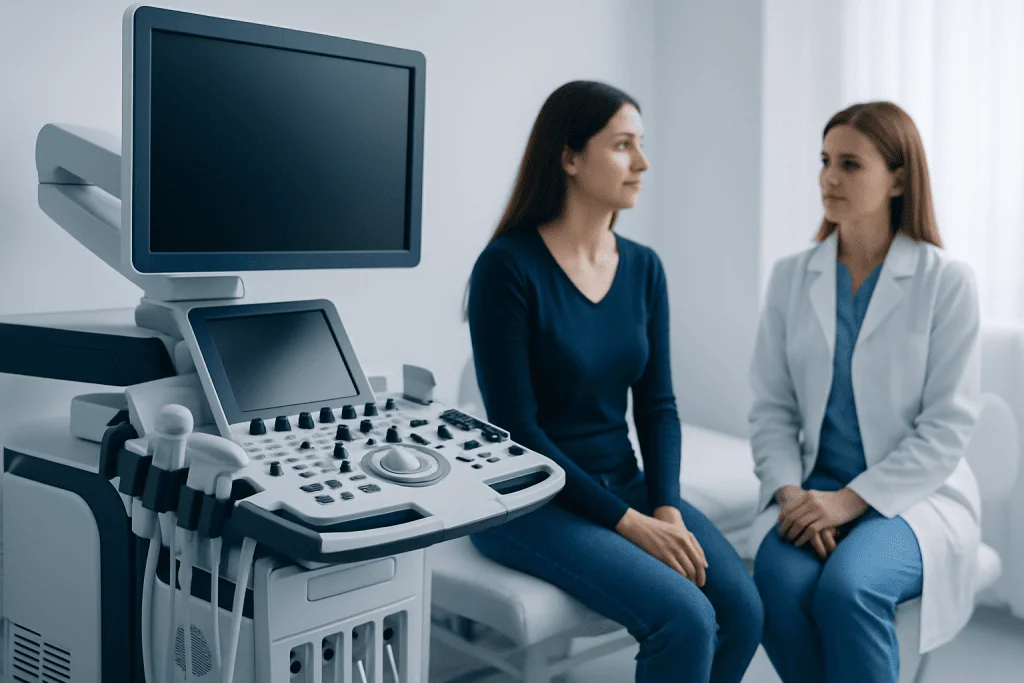
Say it plainly in your first message to the hospital: I will be travelling without a companion. This single sentence changes how your visit should be planned. A patient arriving with a spouse can improvise; a patient arriving alone needs the transfer, the hotel location, the interpreter and the discharge plan settled before departure.
The most important question to settle before booking anything non-refundable is whether your procedure allows unaccompanied discharge. For outpatient consultations, blood tests and most imaging, you can usually move around independently. For surgery, sedation, treatments that limit mobility, or anything involving drains, dressings or strong pain medication, your doctor may require a companion, a caregiver, a longer period of hospital observation, or a hotel within easy reach of the hospital. That decision belongs to your treating doctor, not to your travel plans, ask before you book, not after.
Questions worth asking in writing before you confirm travel:
- Can I leave the hospital alone after this procedure, or is an escort medically required?
- How many days should I stay in Turkey before my doctor would consider flying reasonable?
- Will I need help with walking, bathing, meals or medication timing in the first days after discharge?
- Can interpreter support be arranged for consultations, admission and discharge?
- Who exactly do I contact, name and number, if my symptoms change at the hotel?
- If a caregiver is advisable, can the hospital point me towards local arrangements?
Send your medical records early so the answers are based on your actual case. Reports, imaging and a current medication list allow the team to give you a preliminary plan with realistic timings. Our guide on organising your test results before travelling to Turkey explains what to send and in what format.
Airport, Transfers and First-Day Support

Design your arrival day to be boring. When you are traveling alone to Turkey for treatment, avoid tight connections, late-night landings in an unfamiliar city, and luggage you cannot lift yourself. Share your flight details with the international patient team in advance if a transfer is being arranged, and keep your phone charged so you can receive messages after landing, mobile internet does not always work immediately, so save key numbers and addresses offline as well.
Pre-arranged airport-to-hotel or airport-to-hospital transport is one of the highest-value pieces of support for a solo patient. It removes the moment most people find hardest: standing in an arrivals hall after a long flight, possibly on medication, trying to negotiate transport in a language you do not speak. If you use mobility aids, mention this when the transfer is booked.
Keep the essentials in your hand luggage, never in the hold: passport, medical documents, all regular medicines in original packaging, phone charger, and the hospital’s contact details on paper. If you take prescription medicines, read our guide on what to pack and declare when travelling to Turkey with prescription medicines before you fly, carrying documentation for your medicines avoids questions at the border and helps the treating team.
On arrival, your only jobs are to reach your accommodation, eat, and rest. If an appointment falls soon after landing, confirm the time, the hospital campus, the building entrance, whether fasting is required, and where your coordinator will meet you. Knowing exactly where to go removes most of the anxiety of a first hospital visit.
Language, Appointments and Understanding Medical Information
When there is no family member in the room, communication carries all the weight. It is entirely appropriate, expected, in fact, to ask for interpretation, written summaries, and time to think. Ask your doctor to repeat key points. Ask what the alternatives are. Ask what happens next and when. No reasonable clinician minds these questions; they mind the misunderstandings that happen when patients stay silent.
Interpreter support can cover consultations, pre-operative assessment, admission paperwork and discharge instructions. Even if your English or Turkish is functional, medical conversations mix technical terms with emotionally loaded decisions, and that is a bad combination to handle in a second language. Request language support before you arrive rather than hoping it will be available on the day.
Bring a written list to every appointment: your main concerns, current medicines and doses, allergies, previous operations, chronic conditions, and the contact details of your doctors at home. If you are still weighing where or how to be treated, our guide on comparing procedure options before travelling to Turkey lists the questions that make a remote consultation genuinely useful.
If relatives abroad want to stay informed, decide in advance who may receive what. Hospitals follow privacy rules, and information is shared according to your consent. Ask whether a phone or video update after a consultation is practical, or whether a written summary you can forward yourself is simpler. Family at home can still play a real rolethis guide for family members supporting a patient in Turkey explains how, even from a distance.
Staying in Hospital and Recovering Without a Companion
Inside the hospital, you are not alone in any practical sense. Nurses guide you on medication timing, wound care, mobility precautions and when to press the call button, press it early rather than late. International patient coordinators help with schedules, administrative questions and communication between departments. Your part is to stay actively involved: confirm instructions back in your own words, and tell staff immediately if you feel dizzy, confused, in unusual pain or simply unsure about something. Solo patients sometimes under-report because there is no relative to speak up for them. Do not make that mistake.
The genuinely vulnerable period is not the hospital stay: it is the first days after discharge. You may feel capable on the ward, where help is seconds away, and then discover at the hotel that showering, changing a dressing or walking to a pharmacy is harder than expected. If your doctor anticipates fatigue or limited mobility, discuss the options honestly before discharge: a hotel closer to the hospital, scheduled transfers to follow-up visits, professional caregiver support where available, or extending the monitored stay. Our detailed guide on preparing for hospital discharge in Turkey when you are recovering alone walks through this stage step by step.
Before you leave the ward, insist on three things in a form you can re-read later: written medication instructions, a list of warning signs with exactly who to contact, and confirmed dates for follow-up. Discharge conversations happen when patients are tired; paper survives fatigue.
Safety, Insurance and What Healthcare Costs Visitors
Three questions come up constantly from solo patients, so here are direct answers.
Is Turkey safe to visit for treatment? Millions of international visitors, including medical travellers, come to Turkey each year, and major cities have well-developed private healthcare infrastructure. Like anywhere, conditions vary by region and over time, so check your own government’s current travel advice for Turkey before booking: the US, UK and other governments publish country pages that are updated regularly. Sensible solo-traveller habits apply as they would in any large city: use pre-arranged transport, keep valuables minimal, and share your itinerary with someone at home.
Should US citizens avoid Turkey? That is a question for the official travel advisory, not for a hospital guide. Read the current US State Department advice for Turkey, note any regional distinctions it makes, and factor it into your decision. Most medical travel takes place in major cities; advisories often distinguish between regions.
Do tourists get free healthcare in Turkey? No. Turkey’s public health system covers residents enrolled in it, not visitors. As an international patient you pay for your care, whether directly or through insurance, and planned treatment is quoted to you by the hospital in advance. What a quote depends on is worth understanding: the procedure itself, the expected length of stay, the tests and consultations around it, anaesthesia where relevant, and any extras such as transfers or accommodation arrangements. Ask for the quote in writing, ask what it includes and excludes, and ask what happens to costs if your plan changes after examination. Separately, carry travel insurance and check whether it covers complications of planned treatment abroad, many standard policies do not, and specific medical-travel cover exists for exactly this gap.
Emotional Support and Keeping Loved Ones Involved From Home
Travelling alone for treatment mixes emotions that do not usually sit together: relief that care is finally moving forward, worry about results, homesickness, and decision fatigue. All of this is normal, and none of it means you made the wrong choice.
A simple communication plan protects both your connection to home and your rest. Choose one or two trusted people as your main contacts. Give them your itinerary, hospital and coordinator numbers, hotel address and appointment dates. Agree in advance when updates will come, especially after a procedure, so your family knows when to expect news and you are not answering a dozen messages while trying to sleep.
If anxiety builds, say so. Tell your coordinator or the clinical team. Often the most effective reassurance is logistical: knowing tomorrow’s schedule, where to be at what time, when you may eat, and who answers the phone after discharge. Vague worry shrinks when the day has a shape.
When You May Need Extra Help, or Should Not Travel Alone
Honesty matters here: solo travel is not right for every treatment or every patient. Anaesthesia, major surgery, drains and dressings, strong pain medication, and restrictions on lifting or walking all reduce your independence for a period, and your doctor may advise against staying alone immediately after discharge even if you are normally fully self-sufficient.
Be especially cautious about coming alone if you have a history of falls, memory problems, severe anxiety, significant visual impairment, limited mobility, a complex medication schedule, or a condition that can deteriorate quickly. Long, physically demanding return flights after major surgery also weigh against travelling unaccompanied. Arranging extra support in these situations is not weakness; it is the same risk management the hospital applies to everything else.
If a relative cannot travel, alternatives exist and are worth asking about before you arrive: a longer monitored stay, a hotel within minutes of the hospital, scheduled transfers to every follow-up, professional caregiver arrangements where available, or shifting your treatment dates so a friend can join you for the recovery phase. The right plan is the one that matches your actual medical needs, not the one that matches the cheapest flight.
Step by step
- Tell the hospital you are traveling alone. Say it in your first contact, before flights are booked. It flags transfers, interpreter needs, hotel location and discharge planning from the start.
- Send your records and ask for a preliminary plan. Reports, imaging and a medication list let the team estimate appointment length, likely tests, hospital stay and how long you should remain in Turkey.
- Confirm whether a companion is medically required. Ask your doctor directly whether you can attend, undergo treatment and leave hospital unaccompanied. If not, plan a caregiver or a travelling companion before committing.
- Arrange arrival and local transport before departure. Book the airport transfer and know how you will reach every appointment. Save all contacts and addresses offline.
- Set up a family communication plan. One or two main contacts, a shared itinerary, and agreed update times, so you can rest without guilt.
- Pack for independence and recovery. Comfortable clothes, easy shoes, chargers, medicines in original packaging, document copies, and luggage light enough to manage without strain.
- Review discharge instructions before leaving hospital. Get medication guidance, wound-care steps, activity limits, warning signs and follow-up dates, in writing, with interpretation if you need it.
Your checklist
- Passport, and visa or entry documents if required for your nationality
- Medical reports, imaging files, prescriptions and allergy information
- Hospital contact details and your international patient coordinator’s number
- Hotel address, transfer details and offline maps
- Enough regular medication for the full trip plus extra days, in original packaging
- Comfortable clothing and shoes suitable for hospital visits and recovery
- Phone charger, power bank and a plug adapter for Turkey (types C and F)
- Emergency contact list: family, your doctor at home, and your travel insurer
- Travel insurance documents, with a note of what the policy covers abroad
- A small notebook for questions, symptoms and appointment notes
Key takeaways
- Traveling alone to Turkey for treatment is realistic for many patients, but the planning must go beyond flights and appointment dates.
- Tell the hospital early that no companion is coming, so transfers, interpretation and discharge support are arranged before you arrive.
- Confirm with your doctor, in writing, before booking, whether your procedure permits unaccompanied discharge.
- The most fragile period is the first days after discharge, not the hospital stay; plan hotel proximity, transport and caregiver options for exactly that window.
- Visitors pay for healthcare in Turkey; get written quotes for planned treatment and check what your travel insurance actually covers.
- A simple communication plan keeps family involved from home without draining your rest.
Frequently asked questions
Is it a good idea to travel to Turkey alone for treatment?
For many patients, yes, provided the procedure allows it and the support is planned in advance. Consultations, diagnostics and treatments with light recovery are usually manageable alone. Surgery, sedation or mobility-limiting treatment may require a companion, caregiver or extended monitored stay. The deciding voice is your treating doctor’s, so ask before you book anything non-refundable.
Is it safe to go to Turkey for medical procedures?
Turkey receives large numbers of international patients and its major cities have extensive private healthcare infrastructure. No medical procedure anywhere is without risk, so safety comes from choosing an established hospital, sharing complete medical records, following pre- and post-treatment instructions, and allowing enough recovery time before flying. Check your government’s current travel advice for Turkey as part of normal trip planning.
Should US citizens avoid Turkey as a tourist or patient?
That decision should rest on the current official advisory, not on second-hand impressions. The US State Department publishes and updates travel advice for Turkey, often with regional distinctions. Read it shortly before booking and again before departure, and note that most international medical travel takes place in major cities.
Do tourists get free healthcare in Turkey?
No. Turkey’s public health coverage applies to enrolled residents, not visitors. International patients pay for their care directly or through insurance, and planned treatment is quoted by the hospital in advance. Carry travel insurance and check whether it covers complications of planned treatment abroad, as many standard policies exclude this.
Will someone help me at the hospital if I do not speak Turkish?
International patient departments commonly arrange interpreter support for consultations, admission, discharge instructions and administrative steps. At Acibadem, interpreters and patient coordinators help you navigate appointments and follow-up scheduling. Request language support before you arrive rather than on the day, so it can be planned around your appointments.
What if I feel unwell at my hotel after discharge?
Before leaving hospital, get a written list of warning signs and a named contact with a phone number. For questions or mild changes, call your coordinator or the hospital line. For time-critical symptoms, chest pain, breathing difficulty, severe bleeding, confusion or sudden worsening, call your local emergency number or go to the nearest emergency department now. In Turkey, dial 112.
Can my family speak with the doctor from abroad?
Often something can be arranged, but it depends on scheduling, privacy rules and your written consent. Options include a phone or video update after a consultation, or a written summary you forward yourself. Decide in advance who should receive information and state your preferences clearly to the team.
How long should I remain in Turkey before flying home?
It depends on the treatment, your recovery, the flight length and any follow-up checks your doctor wants to complete. Some patients can fly soon after simple appointments; others need days or weeks. Always confirm your return timing with your treating physician before booking a non-changeable ticket, and build slack into your plans in case recovery takes longer than expected.
Add us as a Preferred Source to see more of our trusted health content across Google Search, AI Overviews and Discover.

Update history
- PublishedJune 9, 2026
- Medical review approvedSeptember 13, 2026
- Last content updateSeptember 12, 2026
References2
More Patient Guides
Medical Travel with a Companion: Who Should Come and Why
Medical travel with a companion can make treatment in Turkey easier by providing practical help, communication support and reassurance before and after…

How Family Members Can Help Without Disrupting Recovery
Family support during recovery helps when you listen, organize practical tasks and follow the care plan without taking over, in Turkey or…

Need a Family Member to Travel With You? A Companion Decision Guide
A companion travel guide for treatment in Turkey: decide who should travel with you, plan practical support, and prepare for Istanbul care.

Unexpected Overnight Stay in Turkey: What Patients and Companions Should Be Ready For
Unexpected overnight stay in Turkey? Here is what patients and companions should prepare for, from essentials and updates to hospital logistics in…