

What Realistic Before-and-After Results Mean for Treatment in Turkey
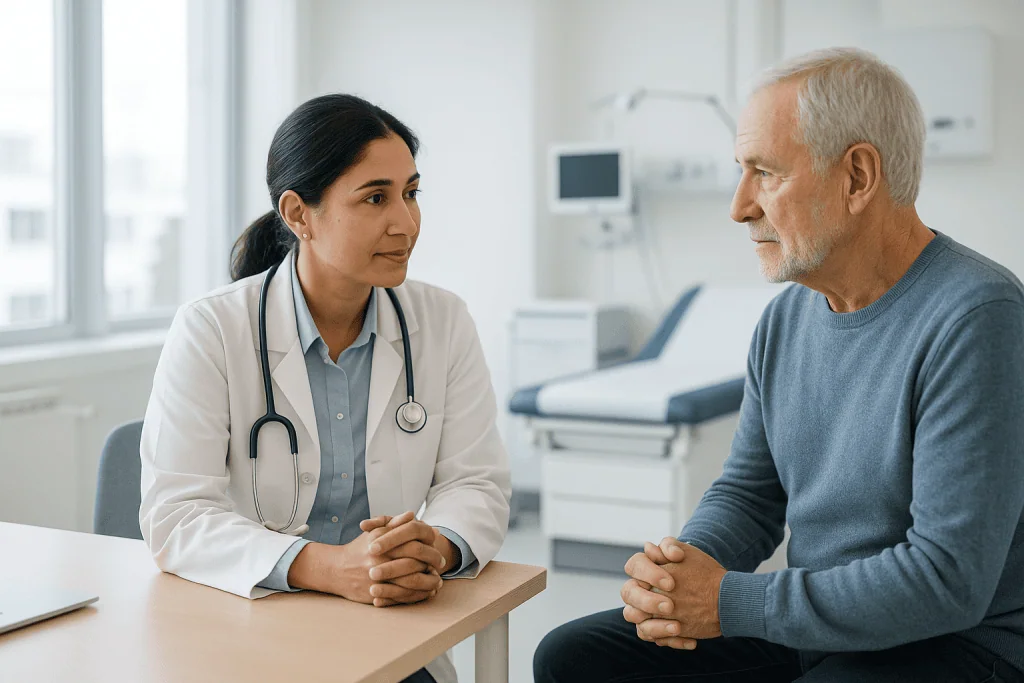
Treat before-and-after photos as examples of what may be possible, not promises. Your own result depends on your starting point, anatomy, health, healing and follow-up. Before booking flights, ask for a personalised assessment of what is realistic in your case, how long you should stay in Turkey, and what early recovery will look like.
You have probably saved a few before-and-after photos already, and you are wondering whether that result could be yours. It is a fair question. But a more useful one is simply: what is realistic for me?
This guide helps you understand what treatment results in Turkey usually depend on, how to read outcome examples carefully, and what practical questions to ask before you travel.
At a glance
- Best use of photos: To understand ranges of improvement, not promises
- What shapes results: Your diagnosis, anatomy, health, healing, and follow-up
- Main planning tip: Ask for a personalized assessment before booking travel
- Recovery reality: Early swelling, bruising, or temporary changes can affect appearance
- Helpful support: Interpreter, travel, and aftercare coordination make planning easier
What “realistic before-and-after results” actually means
Realistic results means understanding that treatment outcomes are individual. Before-and-after images can show what may be possible, but they do not function as a guarantee. Your starting point, medical condition, skin or tissue quality, age, lifestyle, healing pattern, and the exact treatment plan all influence what you may see after treatment.
If you are traveling to Turkey for care, this matters even more because you are making decisions at a distance. It is natural to compare online photos, testimonials, and social media posts, but the safest approach is to treat them as examples of outcome ranges rather than a promise of an exact end result. A trustworthy provider will explain both the potential benefits and the likely limits of treatment.
At Acibadem International, patients are typically guided through a structured review before travel so expectations can be discussed early. This kind of pre-travel communication is useful because it helps you decide whether the likely result, the recovery period, and the follow-up needs make sense for your goals and timetable.
How to read before-and-after photos carefully
Photos can be helpful, but they need context. Lighting, camera angle, facial expression, posture, clothing, makeup, swelling, and time since treatment can all change how a result looks. A photo taken two weeks after treatment may look very different from one taken six months later, and both may be different again from the final settled outcome.
When you review examples, focus on whether the patient shown had a similar starting point to yours. Look at age range, body type or anatomy, baseline severity of the issue being treated, and whether the result appears natural and proportionate. It is more useful to ask, “Is this patient comparable to me?” than to focus on the single most dramatic transformation.
It can also help to ask whether the images are from the same phase of recovery. Some treatment results improve gradually, while others appear stronger early on and then settle. If you are speaking with an international patient team, ask them to clarify the timeline shown in photos and whether extra treatments, staged care, or longer follow-up contributed to the final image.
- Ask when the “after” photo was taken
- Check whether the patient had similar baseline features to yours
- Look for consistency in lighting and angle
- Ask whether the result required more than one session or revision
What usually affects your final result
The final result of treatment is influenced by more than the procedure itself. Your overall health, medical history, medications, smoking status, previous surgeries, and how closely you follow aftercare instructions can all affect healing and appearance. This is why responsible teams avoid promising identical outcomes based on photos alone.
Your consultation and medical review should identify factors that could improve or limit the result. In some cases, your treatment plan may need to be adjusted after imaging, blood tests, or an in-person examination in Istanbul or elsewhere in Turkey. That is normal and usually reflects a safety-first approach rather than inconsistency.
Recovery timing also shapes what you perceive as success. Swelling, bruising, stiffness, numbness, temporary asymmetry, or fatigue can make an early result look incomplete. A multidisciplinary setting, such as the one available in Acibadem International hospitals, can be helpful because specialist teams, imaging services, and follow-up coordination are available if your plan needs refining before or after treatment.
Questions to ask before you book flights
Before you confirm travel, make sure you understand what the likely range of outcomes is for your specific case. A good discussion is practical, not promotional. You should know what improvement is considered typical, what may remain unchanged, how long you should stay in Turkey, what early recovery will look like, and what warning signs would require review.
Ask what information the medical team still needs in order to advise you properly. This may include photos, previous reports, scan results, medication lists, and a summary of your medical history. If the team says a final decision can only be made after examination, that is a realistic and medically sensible answer.
International patient services can make these conversations easier by helping you gather documents, arrange translation, and understand the schedule. At Acibadem International, this support often includes helping you coordinate appointments, interpreters, airport planning, and accommodation logistics so you can focus on whether the treatment plan and expected result are right for you.
- What result is realistic in my case?
- What factors could limit my outcome?
- How long until I see a meaningful improvement?
- How long should I stay in Turkey for review and recovery?
- What follow-up will I need after I go home?
Why recovery timelines matter as much as the result
Many patients focus on the final after photo and underestimate the recovery process in between. Realistic expectations include knowing what you may look and feel like during the first days and weeks. Even if the long-term outlook is positive, you may experience swelling, bruising, discomfort, limited mobility, or temporary restrictions that affect sightseeing, work, or your return flight.
This is especially important if you are planning a short stay in Turkey. You may feel well enough to travel before the visible result has developed, which can be unsettling if you expected immediate change. Make sure you understand whether your treatment typically settles over days, weeks, or months, and whether you will need dressing changes, check-ups, imaging, or medication reviews before leaving.
Building extra flexibility into your schedule can reduce stress. Choose refundable options where possible, avoid tightly packed itineraries, and ask your care team what would happen if you needed an extra night or an additional review. Practical support with accommodation and local coordination can be very reassuring, particularly for international patients navigating an unfamiliar city like Istanbul.
How to balance hope with good judgment
It is completely reasonable to hope for visible improvement, symptom relief, or a better quality of life. Realistic expectations do not mean lowering your hopes unnecessarily; they mean aligning your plans with sound medical advice. The strongest sign of a reliable provider is often not a dramatic promise, but a clear explanation of what treatment can and cannot do for you.
Look for transparent communication, accredited hospital settings, documented evaluations, and a clear follow-up plan. JCI-accredited hospitals, including those within Acibadem International, are designed around established quality and safety standards, which can be reassuring when you are comparing options abroad. For many patients, that structure matters more than the most eye-catching before-and-after gallery.
In practical terms, your goal is to come away with a result that is appropriate, safe, and understandable, not surprising. If the information you receive helps you prepare for the likely timeline, the possible limitations, and the next steps after treatment, you are in a much better position to travel confidently and make decisions you will feel comfortable with later.
Step by step
- Define what success means to you. Before you contact a hospital, write down what you are hoping to improve and why. Be specific about function, comfort, appearance, timing, and any deadlines such as work, family events, or travel plans.
- Send complete medical information. Provide clear photos if requested, plus reports, scans, medication lists, and details of previous treatments. The more accurate the starting information, the more realistic the initial guidance is likely to be.
- Ask for a personalized expectation discussion. Request a case-specific explanation of likely outcomes, limitations, and recovery milestones. This is more useful than asking whether you will look exactly like a photo you found online.
- Confirm your stay and follow-up timeline. Ask how long you should remain in Turkey for treatment, early recovery, and review appointments. Make sure you understand whether any part of the result can only be assessed after swelling settles or after you return home.
- Plan logistics around recovery, not tourism. Book your trip so it supports rest, medication schedules, and check-ups rather than a busy sightseeing plan. Leave room for changes in energy level, mobility, or the need for an extra review.
- Prepare for communication after you go home. Before discharge, confirm how to send updates, whom to contact with concerns, and what symptoms need urgent attention. Good follow-up planning can make your result feel more predictable and less stressful.
Your checklist
- Write down your main treatment goals and concerns
- Gather previous reports, imaging, and medication lists
- Ask when any before-and-after examples were photographed
- Confirm what result is realistic for your specific case
- Understand the expected recovery timeline before booking flights
- Plan enough time in Turkey for treatment and review
- Arrange accommodation that supports rest and easy transport
- Save emergency and follow-up contact details
- Ask how remote follow-up will work after you return home
Key takeaways
- Before-and-after images are examples, not promises.
- Your final result depends on your starting point, health, healing, and follow-up.
- Recovery timelines are part of the result and should shape your travel plan.
- The best pre-travel question is what outcome is realistic specifically for you.
- Interpreter, logistics, and follow-up coordination can make medical travel much easier.
Frequently asked questions
Can a hospital guarantee the same before-and-after result I saw online?
No responsible team should guarantee that you will match another person’s result exactly. Photos can be useful for understanding possibilities, but your anatomy, medical history, and healing pattern are different.
Why might my treatment plan change after I arrive in Turkey?
A plan may change after in-person examination, imaging, or blood tests because the team has more complete information. This is often a sign of careful medical decision-making rather than a problem.
How long does it usually take to see the final result?
That depends on the treatment, your body’s healing response, and whether swelling or tissue settling is involved. Some improvements are noticeable early, while others become clearer over weeks or months.
Should I book a short trip if I only expect a simple treatment?
It is better to base your stay on medical advice rather than assumptions about simplicity. Even straightforward care may require review appointments, rest, medication monitoring, or time for early recovery before flying home.
What makes a before-and-after photo more trustworthy?
The most useful images are consistent in lighting, angle, and timing, and they come with context about the patient’s starting point and recovery stage. It also helps to know whether more than one treatment session was involved.
How can international patient services help with expectations?
They can help collect your records, arrange interpreter support, explain scheduling, and coordinate practical details such as airport transfer and accommodation. This makes it easier for you to focus on understanding the likely result and recovery plan.
Why is accreditation relevant when I am mainly comparing results?
Visible results matter, but the environment around your care matters too. Accreditation and hospital-based systems can support safer processes, multidisciplinary review, clearer communication, and more dependable follow-up.
Add us as a Preferred Source to see more of our trusted health content across Google Search, AI Overviews and Discover.

Update history
- PublishedAugust 21, 2026
- Medical review approvedAugust 25, 2026
- Last content updateAugust 24, 2026
References1
- CDC Travelers' Health: Medical Tourism wwwnc.cdc.gov
More Patient Guides

HoLEP in Turkey: How It Compares With TURP and What Recovery Involves
HoLEP in Turkey treats enlarged prostate tissue with laser enucleation; learn how it compares with TURP, recovery, travel and follow-up.
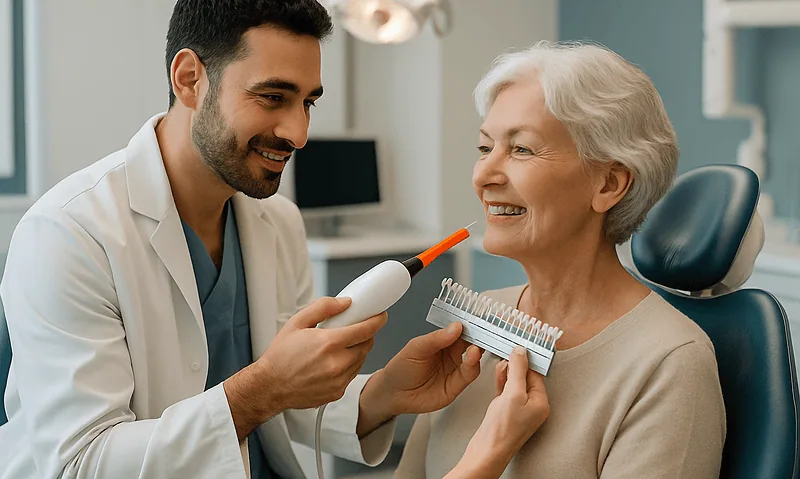
Porcelain Veneers in Turkey: Who Is Suitable and How Many Visits Are Needed?
Porcelain veneers in Turkey can enhance tooth shape and colour in two visits for suitable patients after a personalised dental assessment.

How to Prepare for a Sedation Procedure in Turkey
Prepare safely for a sedation procedure in Turkey with guidance on fasting, medicines, travel, recovery and follow-up.
Treatment Delays in Turkey: What Happens If Tests or Recovery Change Your Schedule
Treatment delays in Turkey can happen if tests or recovery change your plan. Learn how to manage appointments, travel, accommodation and follow-up.