

What to Arrange at Home Before Traveling to Turkey for Treatment

Start about two to three weeks before you fly. Arrange one trusted main contact plus a backup, write down routines for children, older relatives or pets, and pack enough regular medicine in original packaging with a current medication list. Automate bills, organise post and home security, and prepare your home for an easier return afterwards.
Who will feed the cat, pay the electricity bill, or pick the children up from school while you are in a hospital in Turkey? These are the questions that keep people awake the week before treatment travel, and they are worth answering on paper before you pack.
A few practical arrangements at home can make your trip calmer and your recovery smoother. This guide helps you organize support, documents, medications, finances, and household responsibilities so you can focus on your care.
At a glance
- Best time to plan: Start 2-3 weeks before travel if possible
- Main goal: Reduce stress and avoid problems while you are away
- Top priorities: Documents, medicines, home support, bills, and communication
- Who should help: A trusted family member, friend, or caregiver
- Useful backup: Keep printed and digital copies of key information
Start with a realistic home plan
When you travel for treatment, your attention naturally goes to flights, appointments, and hospital plans. Just as important is what you leave behind at home. A clear home plan helps you travel with fewer worries and makes it easier to rest and recover once your treatment journey begins.
Start by thinking about how long you may be away, how independent you are likely to feel before and after treatment, and what responsibilities cannot be paused. Even if your stay in Turkey is short, delays, follow-up appointments, or a slower-than-expected recovery can change your schedule. Planning for flexibility is often more useful than trying to plan every hour.
If you are traveling to a large healthcare destination such as Istanbul, your hospital team may help coordinate treatment logistics, but they cannot manage your home responsibilities for you. That is why it helps to choose one trusted person who understands your plans, knows how to reach you, and can act quickly if something needs attention while you are away.
Arrange support for the people and responsibilities you leave behind
Before you travel, make a simple list of who or what depends on you at home. This can include children, older relatives, pets, plants, work duties, school runs, household maintenance, and regular errands. Once you see everything in one place, it becomes easier to decide what needs daily support, what can be delayed, and what can be automated.
If you are a parent or caregiver, share a written routine with the person helping you. Include school or activity times, medications, allergies, emergency contacts, meal preferences, and any comfort items or habits that matter. If an older relative depends on you, confirm who will check on them, how often, and whether they will need transport, shopping help, or medication reminders.
Pets also need a reliable plan. Book pet boarding or arrange a sitter early, especially during busy travel periods. Leave feeding instructions, veterinary contact details, vaccination records if needed, and a backup contact in case your return date changes.
- Name one main support person and one backup
- Write down daily routines and emergency numbers
- Tell key people your travel dates and likely contact times
- Leave house keys only with someone you trust
Prepare your medicines, medical information, and daily essentials
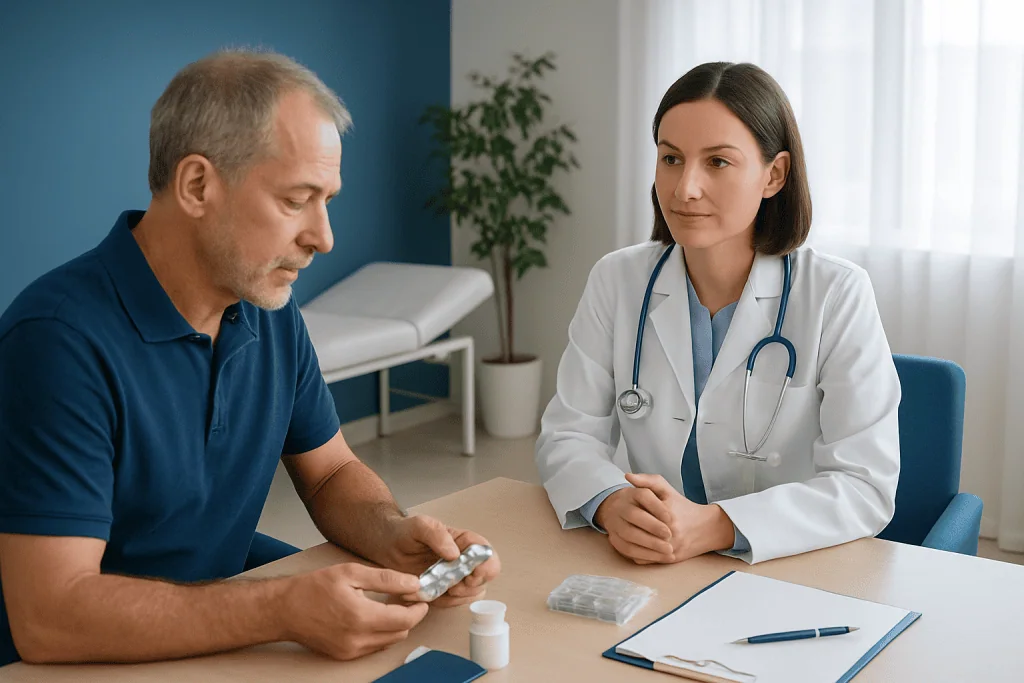
One of the most important parts of what to arrange at home before traveling to Turkey for treatment is medication planning. Make sure you have enough of your regular medicines for travel days and for your expected stay, following the advice of your doctor and the rules for carrying medicines internationally. Keep medicines in original packaging where possible, and carry a current medication list with names, doses, and timing.
It is also wise to leave a copy of your medication list, allergies, and major medical conditions with your trusted contact at home. If you use devices such as a CPAP machine, glucose monitor, hearing aids, or mobility aids, check chargers, spare batteries, adaptors, and storage cases before you leave. If something is essential to your daily safety or comfort, pack it early rather than the night before.
If you are receiving care at Acibadem International, the international patient services team may guide you on what records to bring for your appointments in Turkey. Keep your passport, hospital correspondence, test results, imaging reports, prescriptions, insurance information if relevant, and emergency contacts in both digital and printed form. This reduces stress if your phone battery fails, your internet access is limited, or you need to share details quickly.
Put household bills, security, and practical admin in order
Household admin is easy to overlook, but it can become stressful once you are abroad. Before you leave, review any payments due during your trip, such as rent or mortgage, utilities, phone bills, insurance, school fees, or subscriptions. Set up automatic payments where appropriate, or ask a trusted person to monitor anything that cannot be automated.
Think about home security as well. Check locks, alarms, outdoor lighting, and who will collect your post if your mailbox may overflow. If you will be away for more than a few days, consider whether someone should occasionally open curtains, water plants, or check for maintenance issues such as leaks, power outages, or weather-related problems.
It can also help to prepare a simple home information sheet. Include appliance instructions, Wi-Fi details, location of shut-off valves if you know them, and contact information for your landlord, building manager, cleaner, or local repair service. This saves time if the person helping you needs to solve a problem while you are in Turkey.
Plan your return home before you leave
A good home plan does not stop at departure. Think ahead to what you will need on your first few days back. Depending on your treatment, you may be tired, less mobile, or under instructions to avoid lifting, driving, cooking, or managing stairs alone. If you prepare your home in advance, your return can feel much easier.
Set up a recovery-friendly space before you travel. This may mean placing frequently used items within easy reach, preparing clean bedding, stocking simple meals, arranging extra pillows, and making sure bathrooms are safe and easy to use. If you expect reduced mobility, remove trip hazards such as loose rugs, clutter, or cables.
Also consider transport from the airport and help for the first 24 to 72 hours after you arrive home. If you are traveling alone to Turkey, this part matters even more. Acibadem International may support your treatment journey in Istanbul with hospital and travel coordination, but your return home still needs a practical local plan, especially if you will need help with shopping, meals, childcare, or wound-care supplies recommended by your care team.
Make communication simple for yourself and your support network
Before you travel, decide how you will stay in touch with the people supporting you. Share your flight details, hospital contact pathway if appropriate, accommodation details, and your likely availability for messages. Because treatment days can be tiring or unpredictable, it helps to set expectations early so family and friends know when you may be offline.
Create one shared document or note with the most important information: passport copy, local contact details in Turkey, treatment dates, emergency contact numbers, allergies, medication list, and names of the people responsible for home duties. Keep a copy on your phone, email it to yourself, and leave one printed copy at home.
If you feel anxious about language or logistics abroad, remember that structured support can make a real difference. International patient services at organizations such as Acibadem International often help with interpreters, appointment coordination, and practical travel guidance. Even so, your own communication plan remains essential because it keeps your personal support network informed and reduces confusion if plans change.
Leave room for the unexpected
The best travel plans include backup options. Your return date may shift, you may need more rest than expected, or a family member at home may become unavailable. Rather than aiming for perfect certainty, build in a small safety margin around your responsibilities, medicines, finances, and support arrangements.
Try asking yourself a few simple questions: if my trip extends by several days, who covers my main responsibilities; if my phone stops working, who has my documents; if I feel unwell on return, who can stay with me or check on me; and if a home issue happens, who has access and authority to act? The answers do not need to be complicated, but they should be clear.
Many patients feel calmer once they know their home life is stable. That peace of mind matters. It allows you to focus on your consultations, follow instructions more easily, and use your energy for treatment and recovery rather than worrying about unpaid bills, empty fridges, unattended pets, or missed school pickups.
Step by step
- List everything that depends on you. Write down people, pets, bills, errands, and household tasks that normally rely on you. Seeing it all in one list helps you spot what must be covered before you travel.
- Choose a main contact and a backup. Ask one trusted person to be your primary support while you are in Turkey and choose a second person in case plans change. Share keys, contact details, and written instructions only with people you trust fully.
- Organize your medications and medical papers. Prepare enough regular medication, a medication list, copies of prescriptions, and essential medical records. Keep one set with you and one set accessible to your support person at home.
- Settle bills and home security. Arrange automatic payments where possible and make a plan for post collection, alarms, and basic home checks. This reduces avoidable stress while you are focused on treatment.
- Prepare your home for recovery. Before leaving, make your home easier to return to by stocking simple food, changing bedding, and clearing trip hazards. If you may need help after treatment, schedule it now rather than later.
- Share a clear communication plan. Tell key people your travel dates, likely appointment days, and the best way to reach you. Keep important travel and treatment details in one shared note or document.
- Build in a small backup cushion. Plan for delays, extra nights away, or a slower recovery than expected. A little extra medicine, financial flexibility, and support coverage can make a big difference.
Your checklist
- Passport, travel documents, and hospital correspondence copied in print and digitally
- Regular medicines packed in original packaging when possible
- Medication list, allergies, and emergency contacts shared with a trusted person
- Childcare, eldercare, pet care, and school or work responsibilities arranged
- Bills, rent, utilities, and phone payments scheduled or automated
- Post collection, house keys, alarm instructions, and home checks organized
- Airport transport and first days back home planned
- Recovery space prepared with easy meals, clean bedding, and essentials within reach
Key takeaways
- Home planning is a practical part of preparing for treatment abroad, not an extra task.
- Your top priorities are support for dependents, medicines, documents, bills, and home security.
- Prepare for your return before you leave, especially if you may need help after treatment.
- Keep one trusted main contact and one backup who can act if plans change.
- Printed and digital copies of key information make travel and treatment logistics easier.
Frequently asked questions
How early should I arrange things at home before traveling to Turkey for treatment?
If possible, start at least two to three weeks before departure. That gives you time to confirm support, replace missing documents, refill medicines, and handle practical issues without last-minute pressure.
What is the most important thing to arrange at home before medical travel?
The most important step is making sure essential responsibilities continue without you. For most people, that means support for family members or pets, medication planning, bills, and a trusted contact who can help if something changes.
Should I tell neighbors or family that I am traveling for treatment?
It is usually helpful to tell at least a small number of trusted people. They can collect post, notice problems at home, and support you or your family if your return date shifts.
What documents should I leave with someone at home?
Leave copies of your passport identification page, travel itinerary, hospital contact details, medication list, allergies, emergency contacts, and any key insurance or medical information if relevant. Keep a second copy with you and a digital backup as well.
How do I prepare my home for recovery after treatment in Turkey?
Set up a comfortable area with essentials within easy reach, prepare simple meals, and remove obvious trip hazards. If you may struggle with stairs, cooking, or shopping, arrange help before you leave rather than waiting until you are tired after travel.
Can a hospital in Turkey help with travel logistics too?
Many international hospitals offer practical support alongside medical coordination. At Acibadem International, patients may receive guidance from international patient services on appointments, interpreters, and aspects of travel and accommodation, which can make the overall journey easier to manage.
What if I am traveling alone for treatment?
Traveling alone means your home plan matters even more. Choose a dependable contact at home, share all key details, and make sure you have support arranged for your return, especially if you may feel tired or need help in the first few days back.
Add us as a Preferred Source to see more of our trusted health content across Google Search, AI Overviews and Discover.

References (1)
- CDC Travelers' Health: Travel and Medications — wwwnc.cdc.gov
More Patient Guides

Planning Medical Travel to Turkey During Peak Holiday Seasons
Plan medical travel to Turkey during peak holidays with early bookings, flexible dates, document checks and coordinated care in Istanbul.
8 min read
Flying to Turkey After a Cancer Diagnosis: How to Plan the First Trip
Flying to Turkey after a cancer diagnosis is easier with early medical review, records, travel support and a flexible first-visit plan in…
9 min read
After You Accept a Treatment Quote: Your Next Planning Steps for Turkey
After accepting your treatment quote, plan your Turkey trip with visa, travel, records, payment and arrival steps for a smoother care journey.
8 min read
Flexible Return Flights After Treatment in Turkey: How to Book Safely
Flexible return flights after treatment in Turkey are safest when you book changeable fares, confirm fit-to-fly timing, and keep airline-ready medical documents.
9 min read