

When Hospital Admission Happens the Day Before Treatment in Turkey

Hospital admission before treatment in Turkey usually includes registration, tests, consent and preparation; your care team confirms your exact schedule.
Being admitted to hospital the day before treatment gives your team time to complete essential checks, confirm your plan and help you settle in without rushing. This guide explains what you can expect, what to bring and how Acibadem International can support you and your companion.
At a glance
- Typical timing: Usually the afternoon or evening before your planned treatment
- Main purpose: Registration, clinical checks, consent and treatment preparation
- Bring with you: Passport, medical records, medication list and personal essentials
- Companion arrangements: Ask in advance, as room and visiting arrangements can vary
- Language support: International patient coordinators and interpreters can assist
- Before eating or drinking: Follow your team’s individual fasting instructions exactly
Why you may be admitted the day before treatment
Admission the day before treatment is often planned to make your treatment day calmer, safer and more organised. It gives the hospital team time to verify your identity and medical information, review your treatment plan, complete any required assessments and answer practical questions before the day begins.
Your schedule may include blood tests, imaging, an electrocardiogram, anaesthesia assessment or other checks, depending on your planned treatment and your health history. Not every patient needs every test. Your specialist team will decide what is appropriate and explain why a check is needed.
For international patients, arriving the day before can also reduce pressure caused by traffic, unfamiliar routes or jet lag. At Acibadem International, your international patient services team can help coordinate your arrival, interpreter needs and communication with the relevant departments.
What happens when you arrive at the hospital
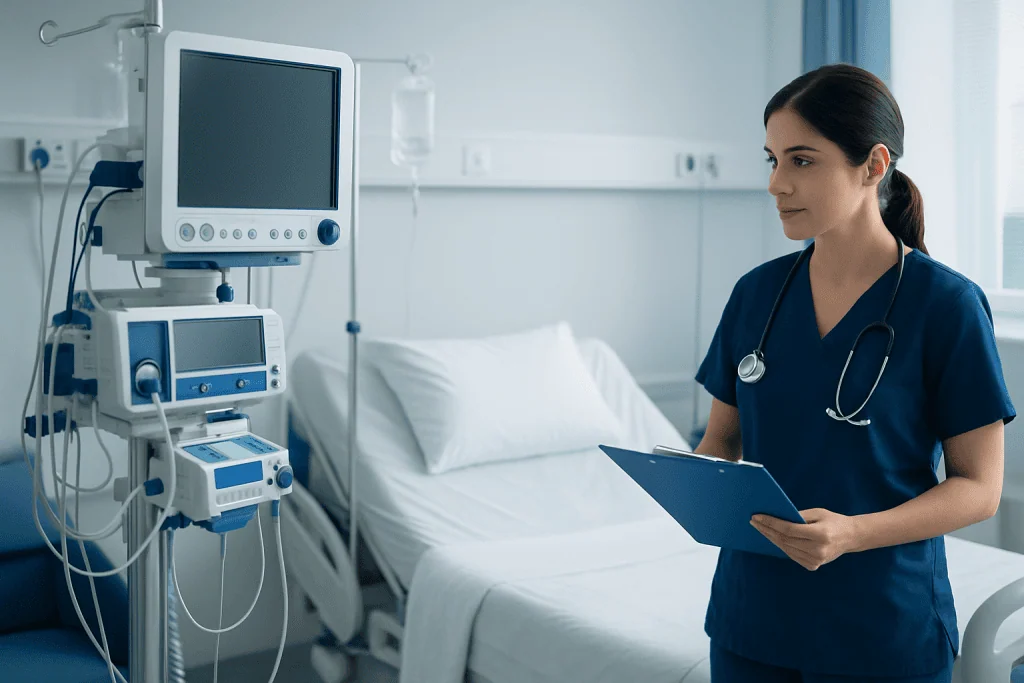
When you arrive, begin at the admission or international patient desk indicated by your coordinator. You will usually be asked for your passport or identification, appointment details, insurance or payment documents where relevant, and any medical records that have not already been shared.
Staff will confirm your contact information, emergency contact and details of your companion, if you have one. They may place an identification wristband on you. Keep it on throughout your stay, as it helps staff confirm your identity before tests, medicines and treatment.
After registration, you may be shown to your room or directed to the relevant assessment area. The exact order varies: some patients meet a nurse first, while others have tests or a consultation before settling into their room.
- Ask for a clear outline of the evening and next morning.
- Confirm the time you must stop eating, drinking or taking particular medicines.
- Tell staff promptly about allergies, implants, pregnancy possibility or new symptoms.
Pre-treatment checks and conversations to expect

A nurse will generally record routine information such as your temperature, blood pressure, pulse, weight and medical history. You may be asked again about allergies, current medicines, previous operations and conditions such as diabetes, heart disease, sleep apnoea or bleeding problems. Repetition is a normal safety measure, not a sign that information has been lost.
Your treating specialist, anaesthesiologist or another member of the multidisciplinary team may review the plan with you. This is a good time to discuss practical concerns, including pain management, mobility needs, fasting, expected length of stay and what your companion can expect during treatment.
You may be asked to sign consent forms after receiving information about the planned treatment. Do not feel you need to sign a form you do not understand. Ask for an interpreter or for the explanation to be repeated in simpler terms; Acibadem International can arrange language support for many international patients.
Fasting, medicines and personal preparation
Your team will provide individual instructions about food, drinks and medicines. These instructions are especially important if you are having anaesthesia, sedation or a procedure that requires fasting. Do not rely on general internet guidance, because the safest timing depends on your treatment, health needs and medication plan.
Bring all medicines you currently use in their original packaging where possible, along with a written list showing the name, dose and timing. Include vitamins, herbal products, injections, inhalers and blood-thinning medicines. Do not stop or take an extra dose of any medication unless your treating team has specifically advised you to do so.
You may be asked to shower, remove nail polish, jewellery, contact lenses, dentures or makeup, depending on your procedure. Pack these items safely and ask your nurse where valuables should be kept. If you use a mobility aid, hearing aid, glasses or CPAP equipment, tell the team so they can help plan for it.
Your room, comfort and companion arrangements
Once you are in your room, take time to settle in and identify the call button, bathroom, storage area and any instructions displayed for patients. Your nurse can explain how to request help and what to expect overnight. If something affects your comfort, such as room temperature, pain, nausea or difficulty sleeping, let staff know early.
Companion and visitor arrangements depend on the hospital location, room type, infection-control measures and your treatment plan. Confirm in advance whether your companion can stay overnight, where they can wait during treatment and how staff will provide updates if you have given permission for this.
If you are staying in Istanbul or another Turkish city away from home, your international patient coordinator can be a useful point of contact for non-clinical logistics. Acibadem International teams can help you understand local arrangements, coordinate interpreter support and direct you to available travel or accommodation assistance when needed.
The evening before and morning of treatment
The evening before treatment is usually for final preparation and rest. You may have further tests, meet another member of your care team or receive instructions about washing, fasting or medicines. Try to keep your phone charged, set aside the documents you may need and ask questions before late evening if possible.
On the morning of treatment, a nurse will help you follow the preparation plan and confirm key details again. You may change into hospital clothing, remove specified items and receive medicine or fluids if prescribed. The team will explain when you will be transferred to the treatment area.
Schedules can occasionally change because urgent clinical needs arise or because a final check requires more time. This can feel unsettling, particularly when you have travelled internationally, but staff should keep you informed. If you are worried about timing, ask your nurse or coordinator for an update rather than making assumptions.
Step by step
- Confirm your admission time and location. Check the hospital name, building, entrance and planned arrival time with your coordinator before leaving your accommodation. Allow extra time for Istanbul traffic, security checks and registration.
- Prepare your documents and medical information. Keep your passport, treatment correspondence, reports, imaging and medicine list together in a small folder. Bring insurance or payment documentation if your arrangement requires it, and save digital copies securely.
- Pack a small hospital bag. Include comfortable clothing, toiletries, glasses, phone charger and any essential assistive devices. Avoid bringing unnecessary valuables, and keep important belongings easy to identify.
- Tell the team about changes in your health. Inform staff if you develop a fever, cough, stomach upset, rash or any new symptom before admission. Also report any recent change in medication, including supplements or injections.
- Complete your assessments and ask questions. Attend each scheduled test or consultation and answer medical questions as accurately as you can. Ask for an interpreter if needed, and make sure you understand fasting, medicines and the next-day plan.
- Follow your personalised preparation instructions. Your team will tell you when to stop eating or drinking and which medicines to take or pause. Follow those instructions exactly, even if they differ from advice you have heard elsewhere.
- Rest and keep communication simple. After your preparations are complete, try to rest and avoid making last-minute travel or work arrangements. Agree with your companion on how updates will be shared and whom staff may contact with your permission.
Your checklist
- Passport or government-issued identification
- Hospital admission details and coordinator contact number
- Medical reports, scans and previous test results
- An up-to-date list of medicines, doses and allergies
- Medicines in original packaging, unless told otherwise
- Insurance, payment or guarantee documents where applicable
- Phone, charger and emergency contact details
- Comfortable clothes, toiletries and glasses case
- Mobility, hearing or sleep equipment you normally use
- Questions about fasting, medicines, companion access and discharge planning
Key takeaways
- Day-before admission helps your team complete safety checks and reduce pressure on treatment day.
- Bring identification, medical records, a current medication list and essential personal items.
- Tell staff about allergies, new symptoms, chronic conditions and all medicines or supplements.
- Ask for clear fasting and medication instructions, then follow them exactly.
- International patient coordinators and interpreters can support communication and practical planning.
- Confirm companion arrangements and travel timing before you arrive at the hospital.
Frequently asked questions
Why do I need to be admitted the day before my treatment in Turkey?
Day-before admission allows time for registration, pre-treatment assessments, consent discussions and personalised preparation. It can also reduce the chance of delays on the day of treatment, especially if you need tests or an anaesthesia review. Your team will explain the reason for your specific admission plan.
What documents should I bring for hospital admission?
Bring your passport or identification, hospital correspondence, relevant medical reports and a current medication list. You may also need insurance or payment documents, depending on your arrangements. Your Acibadem International coordinator can help you confirm what has already been received and what to bring in person.
Can I eat or drink after I am admitted?
This depends entirely on your planned treatment and the instructions from your clinical team. Some patients may need to fast for a specified period, while others may have different directions. Ask staff to clarify the exact time you should stop food, drinks and any items such as chewing gum or sweets.
Should I bring my regular medicines to the hospital?
Yes, bring them in original packaging where possible and provide a complete list of doses and timings. However, do not take, stop or restart a medicine without checking with your hospital team once you are admitted. This is particularly important for diabetes medicines, blood thinners, injections and supplements.
Can my companion stay with me overnight?
This depends on the hospital, room availability, treatment type and current visitor policies. Ask about this before admission so your companion can plan appropriately. Your coordinator can also explain waiting areas, visiting times and how updates may be communicated with your consent.
Will an interpreter be available during admission?
If you need language support, tell your international patient coordinator as early as possible. Acibadem International provides international patient services and can arrange interpreter support according to your language needs and appointment schedule. It is helpful to mention this again at admission if you need assistance understanding forms or clinical discussions.
What happens if I feel unwell before my planned admission?
Contact your coordinator or the hospital team promptly if you have a fever, respiratory symptoms, vomiting, diarrhoea, a new rash or another significant change in health. Do not wait until the treatment day, as the team may need to advise you differently. They will assess the situation and explain the safest next step.
Add us as a Preferred Source to see more of our trusted health content across Google Search, AI Overviews and Discover.
More Patient Guides

Flying to Turkey After a Recent Illness: When Is It Safe to Travel?
Flying to Turkey after a recent illness may be safe once you are medically stable and cleared to travel; plan airline support…
8 min read
Braces, Retainers, and Dental Work Before Surgery in Turkey: What to Tell Your Team
Braces, retainers and dental work before surgery in Turkey should be shared with your care team early to plan safe anaesthesia and…
8 min read
When to Stop Eating, Drinking, or Smoking Before a Procedure in Turkey
When to stop eating before a procedure in Turkey depends on your anesthesia plan; follow your care team’s exact fasting instructions for…
8 min read