

Eyelid Surgery in Turkey: Upper and Lower Blepharoplasty
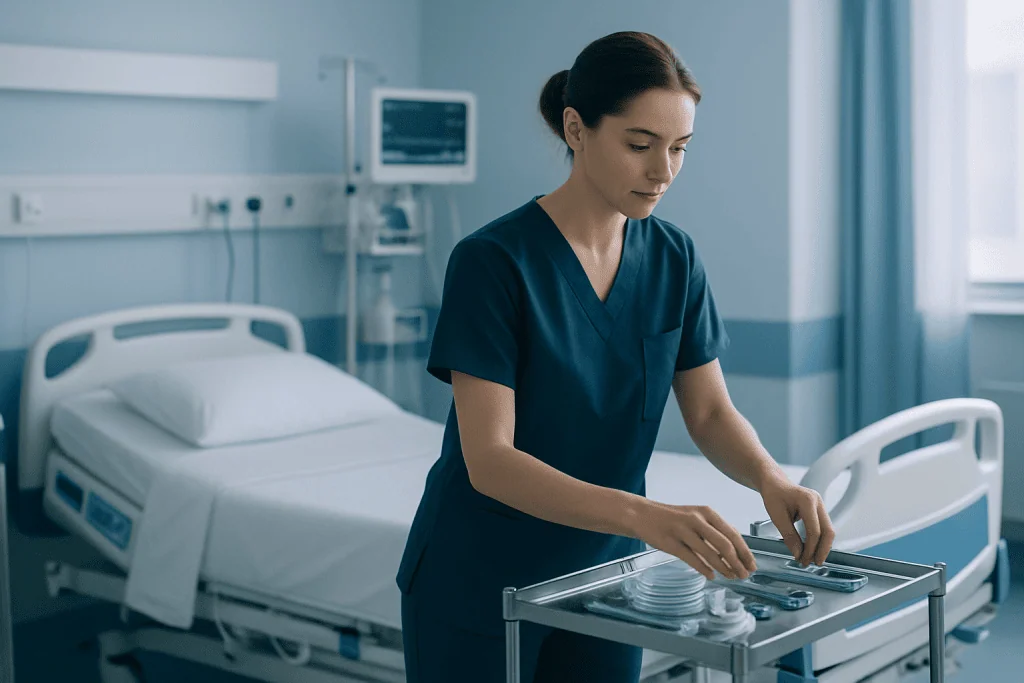
Eyelid surgery in Turkey has become a common choice for adults from the United Kingdom and the United States who notice hooded upper lids, puffiness beneath the eyes or a tired look that no amount of sleep seems to fix. The procedure, known clinically as blepharoplasty or eyelid aesthetic surgery, removes excess skin and fat from the upper or lower eyelids. For some people it also improves a field of vision narrowed by drooping lids.
This page explains how upper and lower blepharoplasty is performed within Acıbadem’s hospital network, who is and is not a suitable candidate, what recovery involves, how the pathway compares with treatment at home, and what to ask before you decide. Cost is addressed through the verified price band from the Price Index shown below; a personal quote follows a free medical review of your photographs and medical history.
What eyelid surgery is and who it suits
Blepharoplasty is a surgical procedure that removes excess skin and fat from the upper eyelids, the lower eyelids or both. In the upper lid, the aim is usually to reduce hooding and heaviness; in the lower lid, it addresses bags and puffiness caused by fat pads that have moved forward with age. The result is a fresher, more rested appearance, and where a drooping upper lid has been resting on the lashes, the procedure may also improve vision.
Who is usually a good candidate
- Adults in generally good health whose upper lids feel heavy, look hooded or interfere with peripheral vision.
- People troubled by lower-lid bags that persist regardless of rest.
- Non-smokers, or those willing to stop smoking before and after surgery, as smoking slows healing.
- People with realistic expectations who understand that surgery changes the eyelids, not the whole face.
Who should not have it, or should wait
- Anyone with an active eye condition such as untreated dry eye, glaucoma or a detached retina should be assessed by an ophthalmologist first.
- People with uncontrolled diabetes, thyroid eye disease, bleeding disorders or high blood pressure that is not well managed.
- Those who cannot safely stop blood-thinning medicines for the period the surgeon advises.
- Anyone considering surgery mainly to please someone else or during a period of emotional crisis.
Sometimes what looks like excess eyelid skin is actually a drooping brow or a weak lid-lifting muscle (ptosis). A surgeon examines the whole area to identify the real cause, because the correct operation depends on it. This is why the medical review comes first, before any date is discussed.
Why patients from the UK and the US travel to Turkey for eyelid surgery
Eyelid surgery is almost always classed as cosmetic in the United Kingdom, which means it is rarely available through the NHS unless a drooping lid clearly obstructs vision. Even then, waiting times can be long. In the United States, insurance seldom covers it for aesthetic reasons. Most patients in both countries therefore pay privately, and many begin comparing options abroad.
Türkiye is a frequent destination for several reasons that have little to do with price alone:
- Hospital medicine, not clinic medicine. At Acıbadem, blepharoplasty is performed within a hospital that has anaesthesia teams, intensive care, ophthalmology, imaging and a laboratory on the same site. If anything unexpected happens, the response is immediate and does not involve transferring you elsewhere.
- International accreditation. Seven of the network’s more than twenty hospitals are accredited by Joint Commission International, the same body that inspects hospitals in many other countries against a common set of patient-safety standards.
- Depth of expertise. The group employs more than 3,300 physicians across its network, so plastic surgeons work alongside ophthalmologists and anaesthetists rather than in isolation.
- Experience with overseas patients. International patient coordinators, English-speaking staff and translated medical reports are part of the routine, not an exception.
- No waiting list. Once the remote review confirms you are a suitable candidate, surgery can be scheduled around your diary rather than a queue.
- Practical geography. Istanbul is roughly four hours from London and around ten hours from New York, with frequent direct flights.
The lower cost of treatment in Türkiye is real and is explained further down this page. For most patients, however, the decision rests on the combination of a hospital setting, accredited standards and a clear, coordinated pathway from first enquiry to follow-up at home.
How eyelid surgery with Acıbadem works, step by step
The process is designed so that no clinical decision is made in a hurry and nothing is left to chance once you arrive.
- Remote medical review. You send photographs of your eyes in a neutral expression, a summary of your medical history and a list of medicines. A plastic surgeon reviews the material and gives a preliminary opinion on whether upper, lower or combined blepharoplasty is appropriate, or whether another procedure would serve you better. This review is free and carries no obligation.
- Personal plan. If you are a suitable candidate, your coordinator sends a written plan: the proposed procedure, anaesthesia, expected hospital stay, how many days to remain in Istanbul and a personal quote based on the price band below.
- Arrival and coordinator. On arrival you are met and taken to your accommodation. Your coordinator remains your single point of contact throughout the stay and can arrange transfers between hotel and hospital.
- Consultation and pre-operative tests. You meet your surgeon in person. The surgeon evaluates your eyelid anatomy, eye health, medical history and aesthetic goals, and confirms or adjusts the plan. Blood tests or an ophthalmologic assessment may be requested when needed. You will be asked to stop blood-thinning medicines and avoid smoking, and to fast if sedation or general anaesthesia is planned.
- The procedure. Surgery takes one to two hours under local anaesthesia and is carried out in the hospital’s operating suite, at a hospital such as Acıbadem Maslak in Istanbul.
- Recovery in Istanbul. You go home the same day or stay one night. Follow-up visits check healing and remove sutures if needed before you are cleared to fly.
- Follow-up after returning home. Your coordinator stays in touch, your records are shared with you, and the surgical team remains available for questions during the healing period.
At every stage you can pause or withdraw. The plan exists to give you information, not to pressure a decision.
The procedure: upper and lower blepharoplasty
Blepharoplasty is a surgical procedure that removes excess skin and fat from the upper or lower eyelids. Which lids are treated, and how much tissue is removed, is decided at the in-person consultation after the surgeon has examined your anatomy.
Upper eyelid surgery
Upper blepharoplasty addresses hooding and heaviness. The surgeon removes surplus skin and, where appropriate, small pockets of fat, so that the natural crease of the lid is visible again. Where a drooping upper lid has been resting on the lashes, this may also improve the field of vision.
Lower eyelid surgery
Lower blepharoplasty targets bags and puffiness under the eyes by removing or adjusting excess skin and fat. The surgeon plans the approach according to how much loose skin is present and how prominent the fat pads are.
Anaesthesia, duration and hospital stay
- Anaesthesia: local. The eyelids are numbed so that you feel pressure but not pain. Sedation or general anaesthesia may be planned in some cases; if so, you will be asked to fast beforehand.
- Duration: one to two hours, depending on whether upper, lower or both sets of lids are treated.
- Hospital stay: same day or one night. Many patients return to their hotel the same evening; an overnight stay is arranged where the surgeon prefers to observe you.
Preparation
Before surgery, the surgeon evaluates eyelid anatomy, eye health, medical history and aesthetic goals. Blood tests or an ophthalmologic assessment may be requested when needed. You may need to stop blood-thinning medicines and avoid smoking in the run-up to the operation. Your coordinator gives you the exact timings in writing so nothing relies on memory.
Recovery and aftercare timeline
Recovery from eyelid surgery is generally quicker than from many other facial procedures, but the eyes are delicate and patience matters. The overall recovery period is one to two weeks.
The first few days
Mild swelling, bruising and a feeling of tightness around the eyes are common and expected. These are managed with cold compresses, prescribed medication and keeping the head elevated, including while sleeping. Your surgeon will show you how to clean the area and apply any ointment. Rest is important; reading and screen use are best kept short.
The first week
- Avoid strenuous activity, bending and lifting, which raise pressure in the head and can prolong swelling.
- Do not wear eye make-up or contact lenses until your doctor clears you.
- Protect the eyes from sun and wind with sunglasses when outdoors.
- Attend the follow-up visits arranged in Istanbul so that the team can monitor healing and remove sutures if needed.
Weeks one to two
Bruising fades and swelling settles noticeably. Most people feel comfortable in public towards the end of this period, though some residual puffiness is normal. Your surgeon confirms when you may fly home, resume exercise and return to contact lenses and make-up.
Beyond two weeks
Fine incision lines continue to soften and fade over the following months. Continued sun protection helps. Small differences between the two eyes during healing are common and usually even out as swelling resolves; your surgeon will tell you what is normal for your case and what should prompt a message.
Everyone heals at a different pace. The timings above are typical, but your own surgeon’s advice always takes priority over a general schedule.
What it costs: UK, US and Türkiye
Typical self-pay ranges from the Turkey Medical Price Index. Türkiye figures are guide ranges for hospital treatment; your personal quote follows a free medical review.
Source: Turkey Medical Price Index (quarterly edition). Ranges depend on the extent of treatment, materials and hospital stay; they are not a quote.
Safety and risks
Blepharoplasty is a well-established operation, but it is surgery near the eye and deserves the same respect as any other procedure. An honest account of risk is part of proper consent.
Who is not suitable
People with active or unstable eye disease, uncontrolled diabetes, thyroid eye disease, bleeding disorders or poorly managed blood pressure should not proceed until these are addressed. Smokers who cannot stop are at higher risk of poor wound healing. A surgeon may also decline to operate when expectations are not realistic or when the true problem lies in the brow or lid-lifting muscle rather than the skin.
Possible complications
- Bleeding, bruising and prolonged swelling.
- Infection at the incision sites.
- Dry, irritated or watery eyes, usually temporary.
- Difficulty closing the eyes fully, or a lower lid that sits slightly away from the eye, if too much skin is removed.
- Asymmetry between the two eyes.
- Visible or raised scarring, though eyelid skin generally heals well.
- Rarely, changes to vision. This is very uncommon but is the reason surgery near the eye belongs in a properly equipped setting.
What cases that go wrong abroad usually share
Reports of poor outcomes from overseas surgery tend to have common threads: planning compressed into a single video call, surgery on the day of arrival without proper examination, a stand-alone clinic with no anaesthetist, no ophthalmologist and no intensive care nearby, and a patient flown home before healing has been checked, with nobody to contact afterwards.
How a hospital setting changes that
Within a JCI-accredited hospital, the surgeon operates alongside anaesthesia, ophthalmology, imaging and a laboratory. Pre-operative tests are done on site and reviewed before you enter theatre. If a complication arises, the people and equipment to manage it are already in the building. Follow-up appointments are built into your stay, and your coordinator remains reachable once you are home. None of this removes risk entirely; it ensures that risk is recognised, planned for and dealt with promptly.
UK and US vs Türkiye: how the pathway differs
The clinical operation is the same wherever it is done well. What differs is the route to it, the setting and the cost.
Access and waiting
In the UK, eyelid surgery is treated as cosmetic in almost all cases and is therefore self-pay. Private clinics may have waiting periods of their own, and NHS provision, where a drooping lid obstructs vision, involves referral and often a long wait. In the US, most patients pay out of pocket and navigate the process through individual surgeons’ practices. In Türkiye, once the remote review confirms suitability, a date can be fixed without a queue.
Setting
In both the UK and the US, cosmetic eyelid surgery is often performed in day-case clinics or office-based surgical suites. At Acıbadem it takes place inside a full hospital with on-site anaesthesia, intensive care and imaging, which is worth weighing when comparing options.
Aftercare and travel
At home, follow-up is a short journey. Abroad, follow-up during the first week happens in Istanbul, and later checks rely on shared records and remote contact with the surgical team, alongside your own GP. Travel adds flights, accommodation and a companion to the plan.
What the lower cost does and does not mean
Treatment in Türkiye costs less mainly because salaries, property and general overheads are lower than in London or New York. It does not mean lower-grade materials, sutures or equipment; the same internationally recognised products are used. Nor does it mean corners are cut on tests or safety standards in an accredited hospital. The price band below shows the verified comparison.
Compare like for like
When weighing quotes, check that each includes the surgeon’s fee, anaesthesia, hospital or theatre costs, pre-operative tests, follow-up visits and, for Türkiye, transfers and accommodation. A low headline figure that excludes half of these is not a lower price.
Planning your trip for eyelid surgery in Turkey
Good planning makes the medical part easier. Your coordinator handles the logistics in Istanbul, but a few things are yours to arrange before you travel.
Passport and entry
UK, Irish, US, Canadian and Australian passport holders currently enter Türkiye visa-free for stays of up to 90 days. Rules can change, so check the current requirements before you book flights. Make sure your passport has adequate validity remaining.
How long to stay
Plan for the consultation and tests, the operation, the same-day or one-night hospital stay, and the follow-up visits in the first week during which sutures may be removed. Your surgeon will confirm when it is safe to fly; your written plan gives a recommended number of nights so you can book flexible return travel rather than a fixed date.
Bringing a companion
A companion is strongly recommended. Your vision may be blurred by ointment and swelling in the first days, and having someone to help with meals, medication timings and simply keeping you company makes recovery calmer. Coordinators can arrange accommodation suitable for two.
Travel insurance
Standard travel policies exclude planned medical treatment and its complications. Look for a policy that specifically covers elective surgery abroad, or a dedicated medical-travel policy, and read the exclusions carefully. Confirm what happens if you need to extend your stay for medical reasons.
What to bring
- A list of all medicines and supplements, with doses.
- Any recent eye test results or ophthalmology letters.
- Sunglasses, a loose front-opening top, and a travel pillow to help keep your head elevated.
- Glasses rather than contact lenses, as lenses must not be worn until cleared.
- A phone charged and set up for messaging your coordinator.
Back home: follow-up with your GP and your own doctor
Returning home does not end your care. Before you leave Istanbul, you receive a written summary of the operation, the medicines prescribed, the aftercare instructions and what to expect over the coming weeks. Keep a copy and share it with your GP or family doctor so that your records are complete.
Continuing follow-up
Your coordinator and the surgical team remain available for questions and photographs during the healing period. Many patients also arrange a routine check with their own GP or optometrist a few weeks after returning, which is a sensible way of keeping local clinicians informed.
When to seek help
Contact a doctor promptly, and let your coordinator know, if you notice:
- Increasing pain, redness or warmth around the incisions.
- Sudden swelling, bleeding or discharge.
- Any change in vision, double vision or severe eye pain.
- Fever or feeling generally unwell.
In the UK, urgent concerns should go to your GP, NHS 111 or, for sudden visual symptoms, an emergency department. In the US, contact your physician or an urgent care centre.
Insurance, the NHS and your own doctor
Private medical insurance in the UK and the US rarely covers elective cosmetic treatment abroad or its aftercare, so assume you are self-funding unless your insurer confirms otherwise in writing. The NHS treats complications from surgery abroad as it would any other patient, but it will not carry out revision or cosmetic correction; check with your GP if you are unsure. US readers should confirm with their plan administrator whether HSA or FSA funds can be used for this procedure, and be aware that travel-medical policies vary widely in what they cover after planned surgery.
Questions to ask before deciding on eyelid surgery in Turkey
A clear set of questions, put to any provider in any country, is one of the simplest protections you have. Write down the answers so you can compare them side by side.
About the surgeon and the setting
- Is the surgeon a qualified plastic surgeon, and how often do they perform blepharoplasty?
- Will the operation take place in a hospital with anaesthesia, ophthalmology and intensive care on site, or in a stand-alone clinic?
- Is the facility accredited by an international body, and can I see the certificate?
About the plan
- Which lids are being treated, and why? Has the surgeon ruled out brow droop or ptosis as the real cause?
- What anaesthesia is planned, and who administers it?
- What tests will be done before surgery, and who reviews them?
- How many nights should I stay, and when will I be cleared to fly?
About aftercare and cost
- How many follow-up visits are included, and how do I contact the team once I am home?
- What happens, and who pays, if a complication needs treatment?
- Does the quote include surgeon, anaesthesia, hospital, tests, follow-up, transfers and accommodation?
About yourself
- Have I discussed this with my own GP or optometrist?
- Am I doing this for myself, with time to recover properly?
- Do I understand the risks well enough to explain them to someone else?
If any answer is vague or evasive, treat that as information in itself. Whether eyelid surgery is right for you is ultimately determined by a physician’s evaluation of your eyes, your health and your goals.
What is blepharoplasty in Turkey and how does it differ from eyelid surgery?
Blepharoplasty and eyelid surgery are the same procedure. The operation removes excess skin and fat from the upper or lower eyelids to create a fresher appearance, and in some cases improves vision that has been affected by drooping lids. Within Acıbadem's network it is performed in a hospital setting rather than a stand-alone clinic.
Is upper eyelid surgery in Turkey done under local anaesthesia?
Yes, blepharoplasty is usually performed under local anaesthesia, so the eyelids are numbed while you remain awake. Sedation or general anaesthesia may be planned in some cases, and you would then be asked to fast beforehand. The choice is confirmed at your in-person consultation with the surgeon and anaesthetist.
How long does eyelid surgery take and will I stay in hospital?
The operation takes one to two hours, depending on whether the upper lids, lower lids or both are treated. Most patients go home the same day, while some stay one night so the team can observe them. Your written plan states which applies to you.
How long is recovery after eyelid surgery in Turkey?
Recovery is typically one to two weeks. Swelling, bruising and tightness are common in the first week and are managed with cold compresses, prescribed medication and head elevation. You should avoid strenuous activity, eye make-up and contact lenses until your doctor clears you, and attend follow-up visits so sutures can be removed if needed.
How long should I stay in Istanbul after blepharoplasty?
You need to allow for the consultation and tests, the operation itself, the same-day or overnight stay, and the follow-up visits in the first week. Your surgeon decides when you are fit to fly, and your personal plan gives a recommended number of nights. Booking flexible return travel is sensible.
Can eyelid surgery improve my vision?
When excess upper-lid skin droops far enough to rest on the lashes or narrow the field of view, removing it may improve vision. The surgeon assesses this at consultation, sometimes with an ophthalmologic assessment. Blepharoplasty is not a treatment for eye conditions such as cataracts or glaucoma, which need separate care.
Do I need a visa to travel to Turkey for eyelid surgery from the UK or US?
UK, Irish, US, Canadian and Australian passport holders currently enter Türkiye visa-free for up to 90 days. Requirements can change, so check the current rules before you travel. Istanbul is roughly four hours by air from London and about ten hours from New York.
How much does eyelid surgery in Turkey cost?
The verified UK, US and Türkiye price band from the Price Index appears beneath these sections. Costs in Türkiye are lower mainly because salaries and overheads are lower, not because different materials are used. A personal quote covering surgeon, anaesthesia, hospital, tests and follow-up follows a free remote medical review.
Your care team
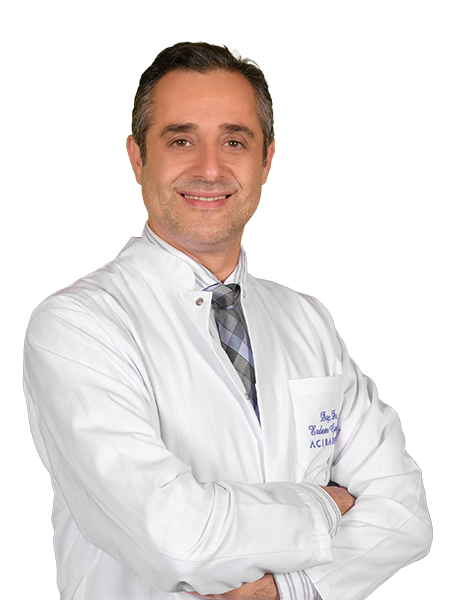
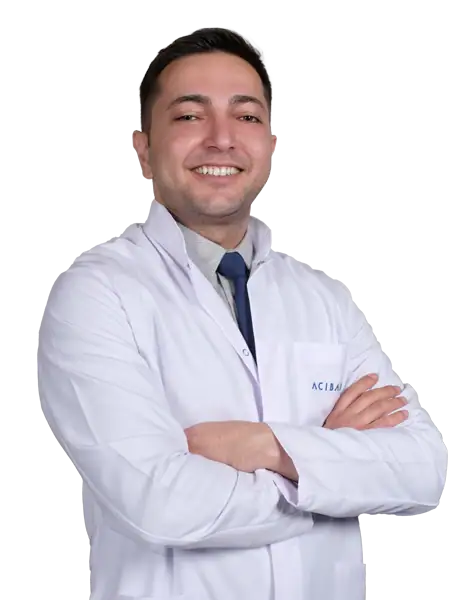
Physicians of the Acıbadem network who perform this treatment in Istanbul.
 Where it is performed Acibadem Maslak Hospital İstanbul · JCI-accredited hospitals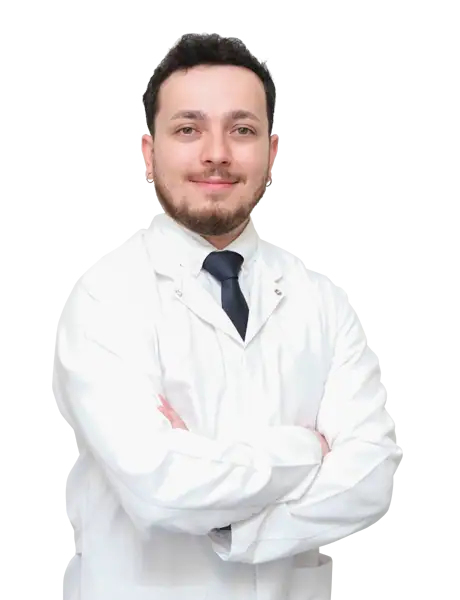
Clinical guide & data
The evidence-based pages behind this guide.
Planning tools for this treatment
Indicative figures for orientation only: your written plan and quote follow a free medical review.