

Sapphire Hair Transplant in Turkey: Sapphire FUE vs DHI, Cost
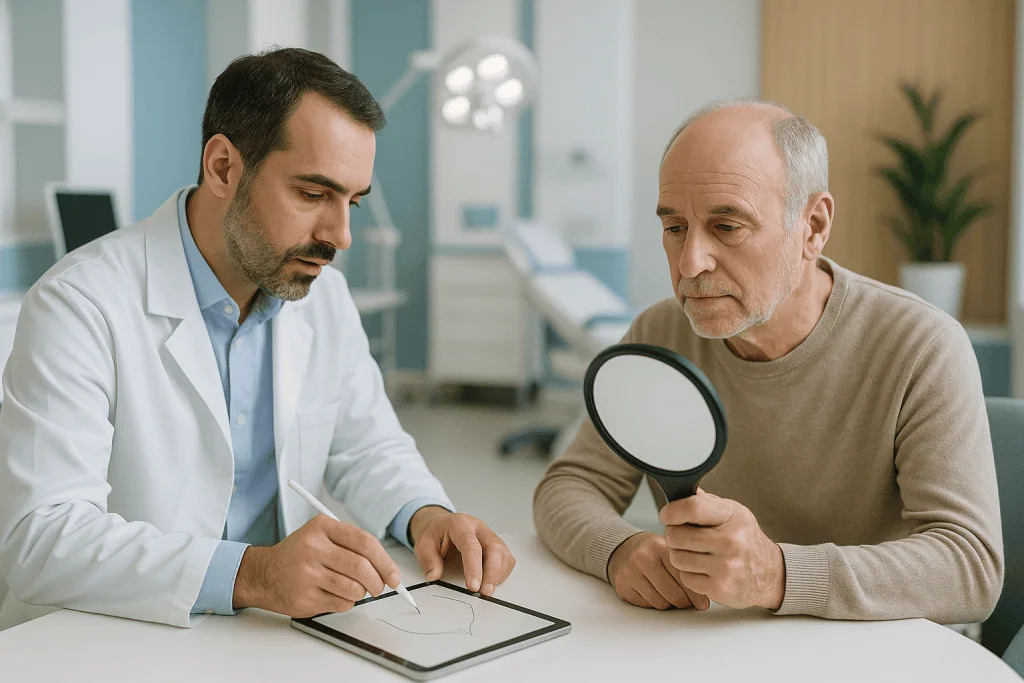
A sapphire hair transplant in Turkey has become one of the most frequently considered options for men and women in the UK who are weighing up treatment abroad for hair loss. The technique is a refinement of follicular unit extraction (FUE): grafts are removed individually from the donor area at the back and sides of the scalp, and the tiny channels that receive them are opened with blades made from synthetic sapphire rather than surgical steel. The aim is finer, more controlled channels so that each graft can be placed at a precise angle, depth and direction.
This guide explains what the sapphire blade changes in practice, how Sapphire FUE compares with DHI, what the day itself and the recovery period involve, where the risks lie, and how to think about cost when comparing Turkey with the UK or the US. It is written for readers who want a calm, hospital-standard account before they speak to a physician. Nothing here replaces an individual assessment, and your own GP or dermatologist remains an important part of the decision.
What a sapphire hair transplant is and who it suits
A sapphire hair transplant is not a separate technique from FUE; it is FUE performed with a different instrument at one stage of the procedure. In classic FUE, the surgeon opens the recipient channels with fine steel blades or needles. In Sapphire FUE, those channels are opened with blades made from synthetic sapphire, a hard, smooth material that can be manufactured with a very fine, sharp edge. Grafts are still harvested one by one from the donor area and implanted individually into the prepared channels.
The sapphire blade is used because it allows narrow, clean channels to be created with less tissue disturbance around each opening, which supports close placement of grafts and careful control of angle and direction. In practical terms, the specialist can design a hairline and fill thinning areas with a degree of precision that many patients and surgeons value.
Who is usually a candidate
- Adults with pattern hair loss that has stabilised or is being managed medically.
- People with adequate donor density at the back and sides of the scalp.
- Those with a healthy scalp and realistic expectations about coverage.
- Patients able to follow aftercare instructions closely for two weeks.
Who should not have it, or should wait
- Patients with active scalp disease, uncontrolled diabetes or bleeding disorders, unless a physician clears them.
- Those with diffuse thinning that also affects the donor area, which limits what can be transplanted.
- Very young patients whose pattern of loss has not yet settled.
- Anyone who cannot pause blood-thinning medicines safely or whose general health makes a 6 to 8 hour procedure unwise.
A specialist reaches these judgements by assessing the pattern of loss, donor density, scalp health and the proposed hairline, not by photographs alone.
Why patients from the UK and the US travel to Turkey for Sapphire FUE
Hair restoration is elective, so it is almost never available through the NHS and is rarely covered by private insurance in the UK or the US. Patients therefore pay for it themselves, and many compare what the same procedure involves at home and abroad. Turkey has developed a large body of experience in FUE and Sapphire FUE, and Istanbul is about 4 hours by air from London and roughly 10 hours from New York, which makes a short treatment trip realistic.
The distinction that matters most is not the country but the setting. A great deal of hair transplant work worldwide takes place in stand-alone clinics. Acıbadem performs Sapphire FUE within a hospital group of more than 20 hospitals, 7 of which hold Joint Commission International (JCI) accreditation, the same standard many UK and US private hospitals are measured against. That means anaesthesia teams, intensive care, laboratory and imaging services are in the same building, and the surgical team works to hospital infection control and documentation standards.
What the hospital model changes for an international patient
- Pre-operative blood tests and medical review are done on site, with physicians from other specialties available if a health question arises.
- If a complication occurs, it is managed within the same institution rather than referred elsewhere.
- International patient coordinators, interpreters and medical record systems are designed for people who arrive from abroad and leave within days.
- There is no waiting list of the kind that can delay elective treatment at home; scheduling follows the medical review rather than a queue.
With 3,300+ physicians across the group, the hair transplant team is one part of a broader clinical environment, which is the main reason many UK and US patients choose a hospital rather than a clinic for treatment in Turkey.
How a sapphire hair transplant in Turkey works with Acıbadem, step by step
The pathway is designed so that the medical decision is made before you book a flight, not after you arrive.
- Remote medical review. You submit a short medical history and clear photographs of the scalp from several angles. A specialist reviews them and indicates whether Sapphire FUE appears appropriate, what area might realistically be treated, and whether any medical issue needs attention first. This review is free and carries no obligation.
- Personal plan and quote. If treatment looks suitable, you receive a written plan describing the proposed approach, the expected length of stay and a personal quote based on your case. The general price band is shown in the Price Index on this page; your individual figure follows the review.
- Arrival and coordinator. On arrival in Istanbul you are met by an international patient coordinator who arranges transfers, interpreting and appointments. Treatment for this procedure is coordinated through hospitals such as Acibadem International Hospital.
- Consultation and pre-operative tests. The surgeon examines you in person, confirms donor density and scalp health, agrees the hairline design with you and orders blood tests. You should disclose all medications, supplements, allergies and medical conditions at this point, and any adjustment to smoking, alcohol or blood-thinning medicines is made under medical guidance.
- The procedure. Sapphire FUE is carried out under local anaesthesia over 6 to 8 hours, with no overnight stay.
- Recovery in Istanbul. You return for scalp checks and the first supervised washing, and receive written aftercare instructions and medication.
- Follow-up after you return home. The team stays in contact remotely at set intervals, reviews photographs of healing and growth, and provides a medical summary for your GP.
Each step is documented in your hospital record so that your own doctor can see exactly what was done.
The procedure: how Sapphire FUE is performed
On the day, the donor area at the back and sides of the head is trimmed and the surgeon marks the planned hairline agreed at consultation. Local anaesthesia is given to the donor and recipient areas; you remain awake and can take breaks, but the scalp is numb throughout. The procedure typically takes 6 to 8 hours in total, including preparation and rest periods, and you leave the hospital the same day.
The three stages
- Extraction. Individual follicular units are removed one by one from the donor area using fine punches, leaving tiny dot-like wounds that heal over the following days.
- Channel opening. This is where the sapphire blade is used. The surgeon opens very fine channels in the recipient area, controlling the angle, depth and direction so that transplanted hair will lie in the same pattern as existing hair.
- Implantation. Each graft is placed into a prepared channel, with attention to the natural distribution of single and multi-hair units across the hairline and crown.
Sapphire FUE vs DHI in Turkey: what actually differs
Both Sapphire FUE and DHI are forms of FUE, and both harvest grafts individually. The difference lies in how grafts are placed. In Sapphire FUE, channels are opened first with a sapphire blade and grafts are then implanted into them. In DHI, an implanter pen loaded with a graft opens the channel and places the graft in a single movement, so no separate channel-opening stage is needed. Sapphire FUE is often chosen when a larger area needs to be covered in one session and when the surgeon wants full control over channel design before implanting; DHI is often favoured for smaller areas or for adding density between existing hairs without shaving the whole recipient zone. Neither is inherently superior. The appropriate technique depends on the area to be treated, the density of existing hair, graft characteristics and the surgeon’s assessment, and many surgeons are trained in both.
Recovery and aftercare timeline
Recovery after a sapphire hair transplant is usually described as 7 to 14 days for the visible healing phase, although hair growth itself unfolds over many months. The clinic’s written washing, medication and sleeping instructions take priority over any general timeline, including this one.
The first 48 hours
Expect a tight, slightly sore scalp, some redness and possible swelling of the forehead. Sleep with the head raised as instructed and avoid touching or scratching the grafted area. A light bandage may cover the donor area for the first night.
Days 3 to 7
Small crusts form around each graft. Gentle washing, demonstrated by the team before you leave Istanbul, helps to soften and lift them without dislodging grafts. Avoid direct sunlight, strenuous exercise, swimming and any headwear that rubs the grafts. Most patients feel comfortable in daily activities but keep exertion low.
Days 7 to 14
Crusting resolves and redness fades. Many patients return to desk-based work within this window. Some of the transplanted hairs begin to shed; this is expected and does not mean grafts have been lost, as the follicle remains in place.
Weeks 3 to 12
Shedding continues and the scalp may look much as it did before treatment. This resting phase is normal and often the most testing part psychologically.
Months 3 to 12
New hairs emerge gradually, at first fine and then thicker. Growth develops over the course of the year, and the surgeon will typically review photographs at set points during this period.
Throughout, keep the scalp protected, follow the medication schedule and contact the team with any concern rather than waiting for a scheduled check.
What it costs: UK, US and Türkiye
Typical self-pay ranges from the Turkey Medical Price Index. Türkiye figures are guide ranges for hospital treatment; your personal quote follows a free medical review.
Source: Turkey Medical Price Index (quarterly edition). Ranges depend on the extent of treatment, materials and hospital stay; they are not a quote.
Safety and risks
Sapphire FUE is a surgical procedure performed under local anaesthesia, and it carries the risks of any surgery on the scalp, even though serious problems are uncommon when it is planned and carried out properly.
Who is not suitable
Patients with uncontrolled medical conditions, active scalp infection, poorly controlled diabetes, bleeding disorders or an inability to pause blood-thinning medicines safely are usually advised against surgery until these are addressed. Patients with insufficient donor hair are told so honestly, because transplanting from a weak donor area produces poor results and visible thinning at the back.
Possible complications
- Infection of the donor or recipient area.
- Prolonged swelling, bruising or numbness of the scalp.
- Folliculitis (inflamed follicles) during the growth phase.
- Poor graft survival, patchy growth or an unnatural hairline if channels are placed at the wrong angle or density.
- Over-harvesting of the donor area, leaving visible thinning or scarring.
- Rare reactions to local anaesthetic or medications.
What cases that go wrong abroad usually share
Problem cases reported in the UK press and to UK dermatologists tend to have common features: the decision was rushed, often on the basis of a chat message rather than a medical review; the procedure was carried out in a stand-alone clinic without hospital backup, sometimes largely by technicians rather than a surgeon; too many grafts were promised for the available donor hair; and there was no structured follow-up once the patient flew home.
How a hospital setting changes this
In a hospital, a physician reviews your history and blood tests before surgery, anaesthesia and emergency care are available in the same building, infection control follows hospital protocols, the number of grafts is decided by donor capacity rather than a sales target, and follow-up is written into your record. None of this removes risk, but it changes how risk is identified and managed. You should still discuss the plan with your GP or dermatologist before committing.
UK and US vs Türkiye
The clinical procedure is the same wherever it is done well. What differs is the pathway around it.
Access and waiting
In the UK, hair transplantation is not available on the NHS for cosmetic hair loss, and private consultations and surgery dates may involve waits of weeks or months. In the US, the procedure is self-pay and insurance rarely contributes. In Türkiye, scheduling follows the medical review, and a consultation, tests and surgery can take place within a single short stay.
Sapphire FUE hair transplant Turkey cost: what the lower figure does and does not mean
The price band below, drawn from the Price Index, shows how the same procedure compares in the UK, the US and Türkiye. The difference is real, and it is worth understanding why it exists. Salaries for surgeons, nurses and technicians are lower in Türkiye, as are hospital overheads, rent and insurance costs. The sapphire blades, punches, anaesthetic agents and consumables are the same internationally sourced products used in UK and US clinics. The lower figure does not mean a lesser procedure; nor does it, by itself, mean a safe one. It reflects the local economy, not the materials.
Comparing like for like
- Is the quote for Sapphire FUE specifically, or a generic FUE that may be upgraded on the day?
- Who performs each stage: a surgeon, or technicians under supervision, and how much of the day does the surgeon spend with you?
- Is the setting a hospital with anaesthesia and emergency care on site, or a clinic?
- What is included: consultation, blood tests, medication, transfers, accommodation, post-operative washing and remote follow-up?
- What happens if a complication arises after you return home, and who pays for its treatment?
A personal quote from Acıbadem follows the free medical review and sets out what is included, so that the comparison you make is with the same procedure in the same kind of setting.
Planning the trip to Istanbul
Most patients travelling for a sapphire hair transplant in Turkey stay in Istanbul for around four to six nights: a day for consultation and tests, the procedure day, and two or three days for supervised washing and a final scalp check before flying home. Your coordinator confirms the exact schedule once the plan is agreed.
Documents and entry
UK, Irish, US, Canadian and Australian passport holders can enter Türkiye visa-free for stays of up to 90 days, although rules can change and you should check the current position before travel. Your passport should be valid for at least six months beyond your travel dates. Bring printed or digital copies of your medical summary, medication list and any correspondence with the hospital.
Travelling with a companion
A companion is not medically required for a local anaesthesia procedure, but many patients appreciate company during a long day and on the flight home. Ask whether your accommodation package can include a second person.
Travel insurance
Standard travel insurance excludes planned medical treatment and any complication arising from it. Look for a specialist policy that covers elective treatment abroad, or confirm in writing what your existing insurer will and will not cover. This matters more than most patients expect.
What to bring
- Loose, button-front shirts and a soft, loose hat or hood for the journey home, worn only as the team advises.
- A travel pillow to keep pressure off the grafts and donor area on the flight.
- Any regular medicines in their original packaging, with enough for the trip and a few days extra.
- Sunglasses and a high-factor sunscreen for the face; the scalp itself should be kept out of direct sun.
Plan to fly home no earlier than the team recommends, and avoid booking anything strenuous in the first two weeks after you return.
Back home: follow-up, records and your own doctor
Recovery continues for many months after you leave Istanbul, so what happens at home matters as much as the day of surgery.
Follow-up with the hospital and your GP
You leave with a written discharge summary, aftercare instructions and a medication schedule. The Acıbadem team arranges remote reviews at set intervals and asks for photographs of the donor and recipient areas. Share the discharge summary with your GP so that your NHS or personal record is complete, and let your GP know which medicines you were given.
When to seek help
- Increasing redness, warmth, pain or discharge from the scalp, or a fever, which may indicate infection.
- Swelling that spreads or worsens after the first few days rather than settling.
- Bleeding that does not stop with gentle pressure.
- Any reaction to medication, such as a rash or breathing difficulty, which needs urgent local care.
Contact the hospital team for advice, and see your GP or attend urgent care at home if symptoms are worsening; the two are not alternatives, and both should know what is happening.
Insurance, the NHS and your own doctor
Private medical insurance in the UK very rarely covers elective treatment abroad or the cost of correcting it. The NHS treats complications from surgery abroad in the same way as any other patient who needs care, but it does not provide cosmetic revision. Check your position with your provider before you travel and keep all documentation. For US readers, HSA and FSA rules on treatment abroad differ between plans, and travel-medical policies vary widely in whether they cover elective procedures; read the exclusions before relying on them.
Your own doctor remains a partner throughout. Involving them before and after the trip is part of doing this properly.
Questions to ask before deciding on a sapphire hair transplant in Turkey
A good provider welcomes detailed questions and answers them in writing. Use this checklist during your consultation, whether with Acıbadem or anywhere else.
About the medical assessment
- Has a physician reviewed my history, medications and photographs, and can I see their written opinion?
- Is my donor area sufficient for the plan proposed, and how was that judged?
- Is Sapphire FUE the right technique for my case, or would DHI or another approach suit better, and why?
- Which blood tests are required and what would stop the procedure going ahead?
About the team and the setting
- Who performs the extraction, channel opening and implantation, and how much of the day is the surgeon present?
- Is the procedure performed in a hospital with anaesthesia and emergency care on site?
- What accreditation does the facility hold, and can I see it?
- How many grafts are planned, and how was that number decided?
About aftercare and cost
- What exactly is included in the quote, and what could add to it?
- What does follow-up look like at one week, one month and twelve months, and who conducts it?
- What is the process if I develop a complication after returning to the UK?
- What written records will I receive to share with my GP?
About expectations
- What can realistically be achieved with my donor supply, and what cannot?
- How will ongoing hair loss in untreated areas be managed?
- What would the surgeon advise against in my case?
Take the answers home, discuss them with your own doctor, and only then decide. Whether a sapphire hair transplant is right for you is ultimately determined by a physician’s evaluation, not by a website, a price or a message from a coordinator.
What is the difference between a sapphire hair transplant and normal FUE?
Both are FUE procedures in which grafts are harvested individually from the donor area. The difference is the instrument used to open the recipient channels: sapphire blades rather than steel. The sapphire edge allows very fine, controlled channels, which supports precise placement of grafts at the intended angle and direction.
Is Sapphire FUE in Turkey performed under general anaesthetic?
No. Sapphire FUE is performed under local anaesthesia, so the scalp is numb but you remain awake. The procedure takes roughly 6 to 8 hours including breaks, and there is no overnight stay. Because it is done within a hospital, anaesthesia staff are on site if needed.
Sapphire FUE vs DHI in Turkey: which should I choose?
In Sapphire FUE the channels are opened first with a sapphire blade and grafts are then implanted; in DHI an implanter pen opens the channel and places the graft in one movement. Sapphire FUE is often used for larger areas, DHI for smaller areas or adding density between existing hair. The right choice depends on your pattern of loss and the surgeon's assessment, and neither is inherently superior.
How much does a Sapphire FUE hair transplant in Turkey cost compared with the UK?
The price band on this page, taken from the Price Index, compares the UK, the US and Türkiye for the same procedure. The lower Turkish figure reflects lower salaries and hospital overheads rather than different materials or instruments. A personal quote is provided after a free medical review and lists exactly what is included.
How long do I need to stay in Istanbul?
Most patients stay around four to six nights: one day for consultation and blood tests, the procedure day, and two or three days for supervised washing and a final check. Your coordinator confirms the schedule once your plan is agreed. Flying home earlier than advised is not recommended.
When will I see results after a sapphire hair transplant?
Visible healing of the scalp takes about 7 to 14 days. Transplanted hairs usually shed in the following weeks, which is expected, and new growth begins to appear gradually from around the third month. Growth continues to develop over the course of a year, and the surgeon reviews photographs at set intervals.
Can I have a sapphire hair transplant if I take blood thinners or have diabetes?
Possibly, but only after a physician has reviewed your case. Blood-thinning medicines may need adjustment under medical guidance, and diabetes should be well controlled before surgery. These decisions are made during the remote review and confirmed with blood tests at the hospital; you should never stop a prescribed medicine on your own.
What happens if something goes wrong after I return to the UK?
Contact the hospital team first for advice; they hold your full record and can guide you. For worsening symptoms such as spreading redness, fever or bleeding, see your GP or attend urgent care, since the NHS treats complications as it would for any patient. Private insurance rarely covers complications of elective treatment abroad, so check your policy before travelling.
Your care team
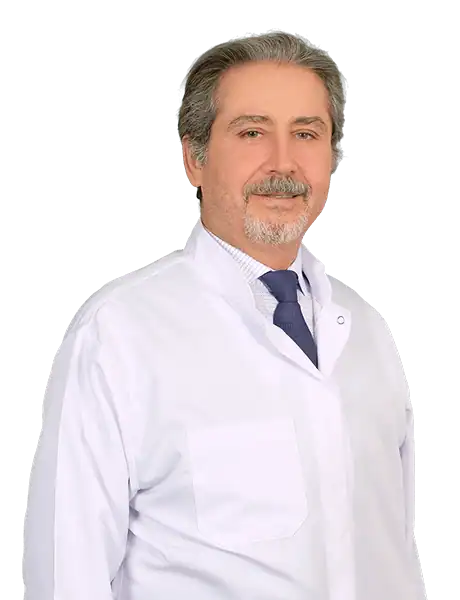
Physicians of the Acıbadem network who perform this treatment in Istanbul.
 Where it is performed Acibadem Taksim Hospital İstanbul · JCI-accredited hospitals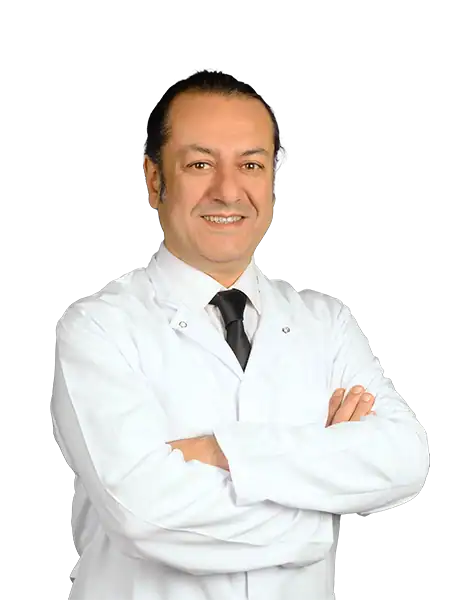
Clinical guide & data
The evidence-based pages behind this guide.
Planning tools for this treatment
Indicative figures for orientation only: your written plan and quote follow a free medical review.