

Tummy Tuck Turkey: Full, Mini and 360 Options, Recovery, Cost
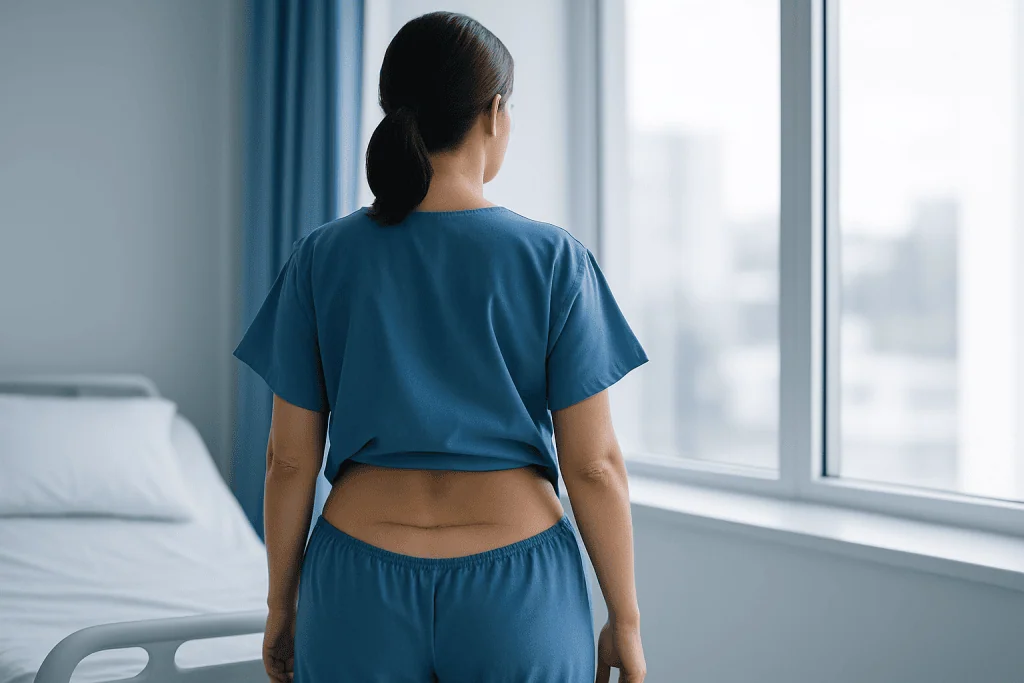
If you are considering a tummy tuck in Turkey, you are probably weighing three things at once: whether the operation is right for your body, whether having it abroad is safe, and what it will cost compared with the UK or the US. This guide addresses each in turn, in the order a careful patient would ask them.
It is written by the medical editorial team of Acıbadem Healthcare Group, a hospital network based in Türkiye that treats international patients in accredited hospitals rather than stand-alone clinics. It covers the full, mini and 360 versions of abdominoplasty, who is and is not a candidate, how the treatment pathway works, what recovery in Istanbul and at home looks like, and how to compare a hospital in Türkiye with a private provider at home on a like-for-like basis.
What a tummy tuck is and who it suits
A tummy tuck, or abdominoplasty, is a surgical operation that removes excess abdominal skin and fat while tightening weakened muscles to create a firmer, flatter waistline. It is most often considered after significant weight loss, pregnancy or the changes that come with age, when loose skin and a separated abdominal wall no longer respond to diet and exercise.
The operation is not a weight-loss treatment. Surgeons generally expect candidates to be at, or close to, a stable weight they can maintain, to be in good general health, and to have realistic expectations about what surgery can and cannot change. Non-smokers, or those willing to stop well before surgery, tend to heal more predictably.
Full, mini and 360 tummy tuck: which suits whom
- Full tummy tuck addresses skin and muscle laxity above and below the navel and usually involves repositioning the navel.
- Mini tummy tuck is a more limited procedure for people whose loose skin sits below the navel, with little or no muscle separation higher up.
- 360 tummy tuck extends the treatment around the flanks and lower back, and is usually discussed with patients who have lost a large amount of weight and have loose skin all the way round.
Plus size tummy tuck in Turkey
Patients with a higher body mass index are sometimes offered abdominoplasty, but the decision is individual. A surgeon will weigh the risks of anaesthesia, wound healing and clot formation against the expected benefit, and may advise further weight reduction, or a staged approach, before operating.
A tummy tuck is generally not advised for people who plan further pregnancies, who intend to lose a significant amount of weight, who have uncontrolled diabetes, heart or lung disease, a history of blood clots without a management plan, or who cannot safely pause blood-thinning medicines.
Why patients from the UK and the US travel to Türkiye for a tummy tuck
Most people looking at a tummy tuck in Turkey start with cost, but the reasons they complete the journey are usually about access and setting. In the UK, abdominoplasty is rarely funded by the NHS and private waiting times can stretch for months; in the US, cosmetic surgery is almost always self-funded. In Türkiye, the same operation can usually be scheduled within weeks of a medical review.
The setting matters as much as the date. Acıbadem performs abdominoplasty in full hospitals, not in day clinics. Seven of the group’s hospitals, within a network of more than 20, hold accreditation from Joint Commission International, the same standard applied to accredited hospitals in the United States. In practice, that means:
- surgery takes place in a hospital operating theatre with a consultant anaesthetist present throughout;
- an intensive care unit, blood bank, laboratory and radiology are on the same site, not across the city;
- plastic surgeons can call on internists, cardiologists and haematologists when a patient’s history requires it;
- infection control, medication safety and record-keeping are audited to international standards.
The group’s more than 3,300 physicians include plastic and reconstructive surgeons who see international patients routinely, and the international department handles interpreting, records and coordination in English. At Acibadem Maslak Hospital in Istanbul, for example, the international patient team sits in the same building as the theatres and wards, so a question raised on the ward is answered by someone who can walk to the surgeon’s office.
The cost difference is real, and the price band below shows it, but it reflects where the hospital is located, not what is done inside it. That distinction is explained in the comparison section further down.
How a tummy tuck with Acıbadem works, step by step
The pathway is designed so that the clinical decisions are made before you book a flight, not after you land.
- Remote medical review. You send a short medical history, current medications, height and weight, and standardised photographs through a secure channel. A plastic surgeon reviews them and states whether a full, mini or 360 tummy tuck is worth discussing, or whether surgery is not advisable at this point. This review is free of charge and carries no obligation.
- Personal plan and quote. If surgery is a reasonable option, you receive a written plan covering the proposed technique, expected length of stay in Istanbul, and a personal quote that itemises hospital, surgeon, anaesthesia and follow-up.
- Arrival and coordinator. A named international patient coordinator meets you, arranges transfers between the airport, hotel and hospital, and remains your point of contact in English throughout.
- Consultation and pre-operative tests. You meet the surgeon in person for a physical examination and a frank discussion of expectations. Blood tests and an anaesthesia assessment are carried out in the hospital as required, and the surgeon confirms or adjusts the plan.
- The operation. Performed under general anaesthesia in a hospital theatre, followed by a stay of one to two nights on the ward.
- Recovery in Istanbul. Early follow-up visits check the incision, remove drains if used, and confirm you are fit to fly.
- Follow-up after returning home. Remote check-ins with the surgical team at agreed intervals, with a full discharge summary for your GP or own doctor.
At any stage before surgery you can pause or withdraw. If the surgeon concludes on examination that the operation is not in your interest, that is said plainly, even after you have travelled.
The procedure: full, mini and 360 tummy tuck techniques
Whichever version is planned, abdominoplasty is a surgical procedure carried out under general anaesthesia. According to Acıbadem’s treatment protocol, the operation takes between two and four hours, and patients stay in hospital for one to two nights afterwards. A 360 tummy tuck sits towards the longer end of that range because more of the trunk is treated; a mini tummy tuck is generally shorter and more limited in scope. Your surgeon will confirm the expected duration for your plan.
What happens in theatre
The surgeon removes excess abdominal skin and fat and tightens the weakened muscles of the abdominal wall, then closes the skin to create a firmer, flatter contour. In a full tummy tuck the navel is usually repositioned; in a mini tummy tuck it is often left in place. Small drains may be placed to collect fluid in the first days and are removed at a follow-up visit if used.
Preparation before surgery
- A plastic surgery consultation with a physical examination and review of your medical history, medications and expectations.
- Blood tests and an anaesthesia assessment as required.
- Stopping smoking and any blood-thinning medicines as advised by the surgeon, well ahead of the operation.
Immediately after
You wake in a recovery area under the care of the anaesthesia team before returning to the ward. A compression garment is usually fitted to reduce swelling and support healing, and you are encouraged to take short, gentle walks soon after surgery to reduce the risk of clots. Pain is managed with prescribed medication and is usually most noticeable in the first few days.
Recovery and aftercare timeline
Recovery from a tummy tuck takes four to six weeks in total, though the first fortnight is the most demanding. The timeline below is typical; your surgeon’s instructions take precedence.
Days 1 to 2: in hospital
You stay one to two nights on the ward. Nurses monitor your incision, fluid balance and comfort, and help you take your first walks. The compression garment stays on as instructed.
Days 3 to 7: in Istanbul
You move to your hotel, resting but walking gently several times a day. Bending fully upright may be uncomfortable at first. A follow-up visit checks the wound and removes drains if used. Heavy lifting, strenuous exercise and any abdominal strain are avoided.
Days 7 to 10: fit to fly
Most patients are cleared to travel home around this point, after the surgeon has reviewed the incision and confirmed there are no concerns. On the flight, walk in the aisle regularly, stay hydrated and wear the compression garment.
Weeks 2 to 4: at home
Light daily activities and desk-based work are usually possible. Swelling and bruising gradually settle. Driving resumes only when you can brake sharply without pain and are no longer taking sedating painkillers. Continue to avoid lifting and core exercise.
Weeks 4 to 6: return to exercise
Once the surgeon clears you, exercise is reintroduced gradually, beginning with low-impact activity. Scars remain pink and firm for months and continue to mature for up to a year or more; protecting them from sun and following scar-care advice helps.
Throughout, follow-up visits, in person in Istanbul and then remotely, monitor incision healing. Any fever, spreading redness, sudden swelling, calf pain or breathlessness should be reported immediately.
What it costs: UK, US and Türkiye
Typical self-pay ranges from the Turkey Medical Price Index. Türkiye figures are guide ranges for hospital treatment; your personal quote follows a free medical review.
Source: Turkey Medical Price Index (quarterly edition). Ranges depend on the extent of treatment, materials and hospital stay; they are not a quote.
Safety and risks: is it safe to have a tummy tuck in Turkey?
The honest answer is that a tummy tuck is major surgery wherever it is performed, and its safety depends far more on the patient’s suitability and the setting than on the country. The question to ask is not whether Turkey is safe, but whether this surgeon, in this hospital, with this plan, is the right choice for you.
Who should not have a tummy tuck
Surgery is usually declined for people who are actively losing weight, planning pregnancy, smoking heavily, or living with poorly controlled diabetes, heart or lung disease, or a clotting disorder. A very high body mass index raises the risk of wound complications and clots and may lead a surgeon to recommend weight reduction first.
Known complications
- Bleeding or fluid collection (seroma) under the skin, sometimes needing drainage.
- Wound infection or delayed healing, particularly at the centre of a long incision.
- Blood clots in the leg or lung; early walking and, where indicated, preventive medication reduce this risk.
- Numbness of the lower abdomen, which often improves but can persist.
- Asymmetry, visible scarring or contour irregularities that may need a revision.
- Risks associated with general anaesthesia.
What cases that go wrong abroad usually share
Reports of poor outcomes after cosmetic surgery abroad tend to have common threads: a decision made on price alone, minimal medical screening before travel, several procedures combined in one long session, surgery in a facility without intensive care or blood on site, discharge to a hotel within hours, and no arranged follow-up once the patient flies home.
How a hospital setting changes that
A hospital pathway addresses each of those points: medical review before travel, a consultant anaesthetist and full pre-operative testing, intensive care and a blood bank down the corridor, one to two nights of nursing observation, and structured follow-up before and after your flight. None of this removes risk, but it means that if a complication occurs it is recognised and treated in the same building by the same team.
UK and US vs Türkiye: how the pathway differs
Understanding why a tummy tuck costs less in Turkey is essential to judging whether the difference is meaningful or a warning sign. The price band below gives verified figures for the UK, the US and Türkiye; this section explains what sits behind them.
Access and waiting
In the UK, abdominoplasty is rarely funded by the NHS and, when it is, only after strict criteria and long waits. Private surgery is self-pay, with consultation, surgery and follow-up often in different locations. In the US, cosmetic surgery is self-funded and priced separately by surgeon, facility and anaesthesiologist. In Türkiye, the same operation is usually scheduled within weeks, in a single hospital, with one itemised quote.
What the lower cost does mean
Salaries for surgeons, anaesthetists and nurses, the cost of running a hospital building, insurance and administrative overheads are all lower in Türkiye than in London or New York. These are the main components of any surgical bill, which is why the difference is substantial.
What it does not mean
The sutures, anaesthetic agents, surgical instruments, compression garments and monitoring equipment used in an accredited hospital in Istanbul come from the same international manufacturers as those used in the UK and the US. Lower cost in a hospital setting is not a sign of lower-grade materials or shortcuts in theatre.
Compare like for like
- Hospital operating theatre versus clinic or day-case unit.
- Consultant anaesthetist present throughout versus sedation by non-specialists.
- Nights of nursing care included versus same-day discharge.
- Pre-operative tests, drains, garments and follow-up included or charged separately.
- What happens, and who pays, if a complication needs treatment.
A quote from a hospital and a quote from a clinic are not the same product, even when the procedure name matches.
Planning the trip to Istanbul
Once a surgeon has confirmed you are a candidate and you have decided to proceed, the practical planning is straightforward. Your coordinator handles the hospital side; the points below are your responsibility.
Passport and entry
Holders of UK, Irish, US, Canadian and Australian passports enter Türkiye visa-free for stays of up to 90 days, which comfortably covers a tummy tuck. Your passport should be valid for the whole trip, and it is sensible to check the current entry rules shortly before you travel as they can change.
Flights and length of stay
Istanbul is roughly four hours by air from London and around ten hours from New York. Plan to be in the city for about seven to ten days: arrival and consultation, the operation, one to two nights in hospital, and then hotel recovery with follow-up visits until the surgeon confirms you are fit to fly. Book flexible return tickets in case your surgeon asks you to stay a little longer.
Companion
Bringing a partner, relative or friend is strongly advised. You will need help in the first days with getting in and out of bed, dressing and carrying anything heavier than a small bag.
Travel insurance
Standard travel insurance usually excludes planned medical treatment and anything arising from it. Look for a specialist policy that explicitly covers elective surgery abroad, including complications and repatriation, and read the exclusions carefully.
What to bring
- Loose, front-opening clothing and slip-on shoes.
- Your regular medicines in original packaging, with a list of doses.
- Copies of relevant medical records and your GP’s contact details.
- A small pillow for the flight home and something to occupy long resting days.
Back home: follow-up, records and your own doctor
Recovery does not end at the airport. Before you leave Istanbul you receive a discharge summary in English covering the operation performed, anaesthesia used, medications, wound-care instructions and the dates of your remote follow-ups. Share it with your GP or own doctor as soon as you are home, even if you feel well; it means anyone treating you later understands what was done.
Remote follow-up with the surgical team
At agreed intervals you send photographs and a short update through the secure channel, and the surgeon or a member of the team reviews them. Questions between scheduled check-ins go to your coordinator, who relays them to the clinical team.
When to seek help
Contact your GP, an urgent care service or emergency services, and inform the Acıbadem team, if you notice a temperature, spreading redness or heat around the incision, a wound that opens or leaks, a sudden increase in swelling on one side, calf pain, chest pain or breathlessness. Clots and infections are treatable, but only when acted on promptly.
Insurance, NHS and your own doctor
Private medical insurance in the UK rarely covers elective cosmetic surgery abroad or complications arising from it; check the policy wording before you travel. The NHS will treat you if you become unwell after surgery, in the same way it treats any other patient, but it does not perform routine follow-up or revision of private cosmetic surgery. Readers in the United States should check with their insurer whether HSA or FSA funds and travel-medical policies can be applied, as terms vary widely between plans. In every case, keep your own doctor informed rather than relying on remote follow-up alone.
Questions to ask before deciding on a tummy tuck in Turkey
Choosing where to have a tummy tuck in Turkey should rest on answers, not on photographs or reviews. Put the same questions to every provider you are considering, at home or abroad, and compare the replies.
About the surgeon and team
- Is the surgeon a specialist in plastic and reconstructive surgery, and will the person I consult be the person who operates?
- Will a consultant anaesthetist be present throughout, and who reviews my fitness for general anaesthesia?
About the setting
- Is the operation performed in a hospital with an intensive care unit, blood bank and imaging on site?
- Does the hospital hold international accreditation, and can I see it?
- How many nights will I be observed by nursing staff before discharge?
About the plan
- Which version, full, mini or 360, is being recommended for me and why?
- What are the specific risks in my case, given my weight, medical history and medications?
- What is included in the quote, and what would a complication cost me?
About aftercare
- How long must I stay in Istanbul, and who decides that I am fit to fly?
- What follow-up is arranged after I return, and how do I reach the team if something worries me?
- What written records will I take home for my own doctor?
A provider who welcomes these questions and answers them in writing is giving you what you need to decide calmly. Whether a tummy tuck is right for you, and which version, is ultimately determined by a physician’s evaluation of your health, your history and your goals.
How much is a tummy tuck in Turkey?
The cost depends on whether a full, mini or 360 tummy tuck is planned, the length of hospital stay and what is included in the quote. The verified UK, US and Türkiye price band on this page gives a realistic comparison. A personal quote is provided after a free remote medical review, once a surgeon has confirmed which procedure suits you.
Is it safe to have a tummy tuck in Turkey?
Safety depends on the patient's suitability and the setting rather than the country. A tummy tuck performed in an accredited hospital, with a consultant anaesthetist, intensive care on site, one to two nights of nursing observation and structured follow-up, carries the same recognised risks as the operation anywhere else. Problems reported abroad usually involve rushed planning, clinics without hospital backup and no aftercare.
What is the difference between a mini tummy tuck and a full tummy tuck?
A mini tummy tuck treats loose skin below the navel only and usually leaves the navel in place, with a shorter incision. A full tummy tuck addresses skin and muscle laxity above and below the navel and repositions it. The surgeon recommends one or the other after examining you in person.
What is a 360 tummy tuck?
A 360 tummy tuck extends abdominoplasty around the flanks and lower back so that loose skin around the whole trunk is treated. It is most often discussed with patients who have lost a large amount of weight. Because more tissue is addressed, it sits towards the longer end of the two- to four-hour range.
Can I have a plus size tummy tuck in Turkey?
Patients with a higher body mass index are sometimes suitable, but the risks of anaesthesia, wound healing and blood clots rise with weight. A surgeon will review your history and may advise weight reduction or a staged plan before operating. The decision is individual and made after examination, not by weight alone.
How long do I need to stay in Istanbul for a tummy tuck?
Plan for around seven to ten days. This covers the consultation and pre-operative tests, the operation, a hospital stay of one to two nights, and hotel recovery with follow-up visits until the surgeon confirms you are fit to fly. Flexible return tickets are advisable.
Where in Turkey should I have a tummy tuck?
Rather than a city, look for a setting: a hospital with an operating theatre, intensive care, blood bank and imaging on site, international accreditation and an established international patient department. Acıbadem performs abdominoplasty in accredited hospitals in Istanbul and other cities, with the same pathway in each.
When can I fly home and return to work after a tummy tuck?
Most patients are cleared to fly around seven to ten days after surgery, once the incision has been reviewed. Desk-based work is often possible from the second or third week, while physical work and exercise wait until the surgeon clears you, usually within the four- to six-week recovery period.
Your care team
Physicians of the Acıbadem network who perform this treatment in Istanbul.
 Where it is performed Acibadem Maslak Hospital İstanbul · JCI-accredited hospitals

Clinical guide & data
The evidence-based pages behind this guide.
Read this treatment guide in your language
Planning tools for this treatment
Indicative figures for orientation only: your written plan and quote follow a free medical review.