Tummy Tuck (Abdominoplasty)
Tummy tuck, or abdominoplasty, removes excess abdominal skin and fat while tightening weakened muscles to create a firmer, flatter waistline after weight loss, pregnancy, or aging.

Quick answer
A tummy tuck, or abdominoplasty, is an operation that removes excess skin and fat from the abdomen and, where needed, tightens stretched or separated abdominal muscles. Performed under general anaesthesia, it is most often chosen after pregnancy, substantial weight loss or ageing. Most people return to light activities within one to two weeks, while swelling settles and scars mature over months.
Tummy Tuck Surgery: What It Is and Who It Helps
A tummy tuck is a surgical procedure that reshapes the abdomen by removing excess skin and fat and, where needed, tightening stretched or separated abdominal muscles. It is designed for people whose abdominal shape has changed after pregnancy, substantial weight loss, ageing or previous surgery, and whose loose skin or muscle laxity does not respond to diet and exercise. The medical name for the operation is abdominoplasty, and the goal is not simply a smaller abdomen but a firmer, better-proportioned one.
Most people who look into a tummy tuck have already put in the work. They have dieted, trained, recovered from pregnancy or lost a significant amount of weight, and yet the abdomen still does not reflect the effort. For some, the concern is purely how the abdomen looks. For others, excess skin causes real physical problems: irritation beneath a fold, hygiene difficulties, discomfort during exercise, or the persistent feeling that the body has not fully rebounded after a major life change. Both motivations are legitimate, and both deserve a serious surgical assessment rather than a sales pitch.
If you are weighing up a tummy tuck in Turkey, the practical questions multiply. How much discomfort should you expect? How visible will the scar be? When can you fly home, return to work, or exercise again? How does follow-up work once you are back in your own country? A well-planned abdominoplasty answers these questions before the operation, not after it, through careful assessment, honest expectation-setting, and a surgical plan built around your anatomy rather than a standard template. This page covers the procedure itself first, then the practical side of travelling to Turkey for surgery.
At Acibadem, tummy tuck surgery is treated as an individualised procedure with both reconstructive and aesthetic elements. Planning starts with understanding why your abdominal contour has changed, whether muscle repair is needed, how much skin can be removed safely, and how the result should sit in proportion to your waist, hips and overall figure. For many patients, that planning stage matters as much as the surgery itself.
What is a tummy tuck?
A tummy tuck is a plastic surgery operation that improves the shape and firmness of the abdomen. During surgery, the plastic surgeon removes excess abdominal skin, reduces localised fat where appropriate, and tightens weakened or separated abdominal muscles with internal sutures. The remaining skin is then repositioned to create a smoother, flatter abdominal contour. The incision is planned to sit low on the abdomen, where underwear or swimwear can usually conceal it. A well-executed result looks natural for your body, not pulled tight or artificially flat.
Tummy tuck and abdominoplasty: two names, one operation
The phrase tummy tuck and abdominoplasty causes more confusion than it should: they are the same procedure. Tummy tuck is the everyday name; abdominoplasty is the term you will see in medical records, surgical consent forms and quotes. If your referral letter or paperwork says abdominoplasty, it means the operation described on this page. The distinction that actually matters is not the name but the technique, mini, full or extended, because that determines the incision length, the extent of muscle repair and the recovery.
How is a tummy tuck different from liposuction?
Liposuction removes fat through small incisions, but it does not remove significant loose skin and it cannot repair stretched or separated muscles. A tummy tuck is usually the more suitable option when skin laxity, stretch marks below the navel, an abdominal fold or muscle separation are part of the problem. In practice, the two procedures are often complementary rather than competing: liposuction may be added during a tummy tuck to refine the waist and flanks, provided it can be done without compromising the blood supply to the abdominal skin. But the core of an abdominoplasty is skin removal and abdominal wall tightening, things liposuction alone cannot deliver. If a surgeon tells you liposuction will solve loose, hanging skin, that advice deserves scrutiny.
Types of Abdominoplasty
There is no single tummy tuck. The right technique depends on how much excess skin you have and where it sits, the condition of your abdominal muscles, any previous scars, and what you want the result to achieve. Choosing the wrong technique, usually a smaller operation than the anatomy actually needs, is one of the most common reasons for disappointing results, so this decision should be made by a surgeon after examination, not by a price list.
- Full tummy tuck: addresses the area above and below the belly button and usually includes muscle repair. The navel is repositioned through a new opening while remaining attached to its deeper blood supply. This is the standard operation for most post-pregnancy and post-weight-loss laxity.
- Mini tummy tuck: a more limited operation focused on the lower abdomen, below the navel, suited to patients with a small amount of excess skin and good muscle tone above the belly button.
- Extended tummy tuck: considered after major weight loss when loose skin continues around the flanks towards the hips or lower back. The incision is longer, but it allows the surgeon to remove tissue a standard technique would leave behind.
- Circumferential or staged body contouring: in selected cases, particularly after massive weight loss, skin laxity affects the whole trunk and a more complex, sometimes staged, approach is recommended.
Two related techniques are worth knowing about when you research your options. A Brazilian tummy tuck places particular emphasis on waist definition and a lower, more concealed scar line. A reverse tummy tuck works in the opposite direction, tightening loose skin of the upper abdomen through incisions placed near the breast fold: an option for the small group of patients whose laxity is concentrated above the navel rather than below it.
What is a mini tummy tuck?
A mini tummy tuck treats only the lower abdomen, below the navel, through a shorter incision than a full abdominoplasty. The belly button is usually left in its original position, and muscle repair, if performed at all, is limited to the lower abdominal wall. It suits patients with a modest amount of loose lower abdominal skin, a small pouch that resists exercise, and reasonable skin quality elsewhere. Recovery is generally shorter than after a full tummy tuck. The trade-off is scope: a mini tummy tuck cannot correct upper abdominal laxity or significant muscle separation, and patients who choose it for the shorter recovery when their anatomy needs a full operation often remain dissatisfied. Suitability is an anatomical question, and only an examination can answer it.
Who May Need a Tummy Tuck?
People consider abdominoplasty for different reasons, but most share one experience: the abdomen has changed in a way that healthy habits no longer improve. Pregnancy can stretch the skin and separate the paired rectus muscles, a condition called diastasis recti. Significant weight loss can leave redundant skin hanging over the lower abdomen. Ageing reduces skin elasticity and weakens abdominal support. Previous operations can leave scars or areas of tissue laxity that distort the contour.
Typical concerns that bring people to a consultation include loose or hanging abdominal skin, a persistent lower abdominal pouch, stretch marks concentrated below the belly button, a widened waistline linked to muscle separation, and difficulty finding clothing that fits comfortably. Some patients develop skin irritation beneath an abdominal fold, particularly in warm weather or during physical activity. Others describe weakened core support: a sense that the abdominal wall no longer holds firm during lifting or exercise.
Diagnosis and planning begin with a detailed consultation. The plastic surgeon evaluates skin quality, fat distribution, muscle tone, posture, previous scars and overall body proportions. The abdomen is examined both at rest and with the muscles contracted, to judge whether muscle repair would be useful. Your medical history is reviewed carefully: previous pregnancies, weight changes, abdominal operations, current medicines, smoking history, blood clot risk, and chronic conditions such as diabetes or hypertension. None of this is bureaucracy, every item changes either the surgical plan or the safety plan.
For international patients, assessment often begins remotely, with photographs, a structured medical history and, where appropriate, a video consultation. This establishes whether abdominoplasty is likely to be suitable and whether additional tests are needed before travel. Final surgical planning is always completed in person, after physical examination and preoperative testing: a remote review can shortlist options, but it cannot replace an examination.
The best candidates are adults at or near a stable weight, who do not smoke or are willing to stop before and after surgery, and who hold realistic expectations. If you are planning a future pregnancy or further major weight loss, you will usually be advised to wait, because both can stretch the abdomen again and undo the result. A tummy tuck is not a weight-loss operation. It is a contouring procedure for people whose loose skin, excess tissue or muscle laxity cannot be corrected by exercise alone.
What disqualifies you from getting a tummy tuck?
The most common reasons a responsible surgeon will decline or postpone a tummy tuck are: active smoking that the patient is unwilling to pause, because it significantly impairs wound healing; unstable weight, whether still falling after bariatric surgery or fluctuating; a planned pregnancy, which would stretch the repaired abdominal wall; uncontrolled diabetes, high blood pressure or anaemia; an active infection; certain clotting disorders or a high risk of blood clots that cannot be adequately managed; and expectations the operation cannot meet. Very few of these are permanent disqualifications. Most are conditions to be corrected first, weight stabilised, smoking stopped, blood sugar controlled, after which the operation can be reconsidered. A surgeon who postpones your surgery for one of these reasons is protecting your result, not rejecting you.
Conditions and Concerns Abdominoplasty Addresses
Abdominoplasty can correct several related problems in a single operation. The most common indication is excess skin of the lower abdomen after pregnancy or weight loss. This skin may look wrinkled, creased or folded, and it rarely responds to fitness training because its elasticity has been permanently reduced, no exercise rebuilds stretched skin.
The operation can also repair weakened or separated abdominal muscles. After pregnancy or major stretching of the abdominal wall, the rectus muscles may drift apart, producing a central bulge that persists no matter how strong the core becomes. This is not always a hernia, although hernias can coexist and need separate evaluation, sometimes with imaging, sometimes with a general surgeon involved. Muscle repair during a tummy tuck brings the muscles back towards the midline with internal sutures, firming the abdominal wall and helping create a flatter contour.
Stretch marks sitting on the skin that is removed, usually below the navel, are removed with it. Stretch marks above the belly button may remain, though they are often shifted lower and become less prominent when the skin is redraped. Be clear-eyed about this: a tummy tuck does not erase all stretch marks. It removes the most damaged skin and improves the rest of the canvas.
After significant weight loss, abdominoplasty can remove overhanging skin that causes friction, trapped moisture, rashes or hygiene difficulties. When excess tissue wraps around the sides of the waist, an extended technique usually produces a better contour than a standard one. For patients with localised fat deposits, liposuction may be added to refine the upper abdomen, waist or flanks, depending on tissue quality and what can be done safely in one operation.
Some patients pursue abdominoplasty as part of post-pregnancy body restoration, sometimes combined with breast surgery or other procedures. Combining operations can be appropriate in selected healthy patients, but it demands careful planning to limit operating time and manage recovery safely. The deciding factor should always be medical suitability, never scheduling convenience or package pricing.
How Tummy Tuck Surgery Is Performed
A safe tummy tuck begins well before the operating room. During preoperative planning, the surgeon discusses your goals, examines the abdomen, reviews your medical history and explains which technique fits your anatomy. Preoperative work-up may include blood tests, an anaesthesia evaluation and further assessments depending on your age, medical conditions or previous surgery. You will be advised to stop smoking well in advance, and your medical team will review everything you take, prescriptions, over-the-counter medicines and supplements, and coordinate any adjustments needed around surgery. You should also arrange help at home, or at your accommodation in Turkey, for the first days after the operation.
On the day of surgery, markings are drawn while you stand. These guide the incision placement, the amount of skin to be removed, and any areas planned for liposuction. The operation is performed under general anaesthesia, with an anaesthesiology team monitoring vital signs, oxygenation, fluid balance and comfort throughout. The main steps of a full abdominoplasty follow a consistent sequence:
- Incision: the main incision runs low across the abdomen, above the pubic area. Its length depends on how much skin must go, more laxity requires a longer incision. In a full tummy tuck, a second incision is made around the belly button so the surrounding skin can be lifted free.
- Elevation: the abdominal skin and fatty tissue are lifted off the underlying muscle layer, exposing the abdominal wall.
- Muscle repair: if the rectus muscles are separated or weakened, the surgeon brings them together with internal sutures, creating a firmer, flatter foundation.
- Skin removal: the excess skin is drawn downward and excised. Tension is judged carefully, closure that is too tight compromises healing and comfort; closure that is too loose leaves residual laxity.
- Navel repositioning: the belly button is brought out through a new opening and shaped to look natural, while staying connected to its deeper blood supply.
- Closure: drains may be placed temporarily to carry away fluid that can collect under the skin. Incisions are closed in layers, often with absorbable sutures beneath the surface, and a dressing and compression garment are applied.
Technology supports the operation at several points, though surgical judgement remains the decisive factor. Ultrasound or other imaging may be used before surgery when a hernia or deeper abdominal concern is suspected. In theatre, advanced anaesthesia monitoring, energy-based instruments for careful tissue handling, and sterile operating systems support safety and precision. When liposuction is included, controlled suction techniques shape adjacent areas while respecting the blood supply to the abdominal skin: the single most important constraint in combined contouring.
Operating time varies with complexity. A mini tummy tuck takes less time; a full or extended abdominoplasty with muscle repair and liposuction may require several hours. Most patients stay in hospital for observation afterwards, particularly international travellers and anyone undergoing a more comprehensive procedure. Pain is managed with prescribed medication, and the care team encourages gentle walking as soon as it is safe, to reduce stiffness and support circulation.
Recovery After a Tummy Tuck
Recovery varies by technique, general health and whether additional procedures were performed, but most patients follow a recognisable pattern of gradual improvement. Expect to walk slightly bent at the waist for the first several days, because the abdominal skin feels tight; this eases steadily. A compression garment is worn as directed to support healing tissues and control swelling. Drains, if used, are removed once fluid output falls to an appropriate level. Your surgeon will give you specific instructions on wound care, showering, sleeping position, movement and medication, along with the signs that should prompt a review by your care team.
| Time Period | What Patients Can Expect |
|---|---|
| Day 1 | Monitoring after anaesthesia, gentle assisted walking, dressings and a compression garment in place. Tightness, swelling and controlled discomfort are expected. |
| First week | Walking becomes easier, though you may still move slightly bent forward. Drains may be present for part of this period. Rest, hydration, medication use and wound care matter most. |
| First month | Many patients return to light routines and non-strenuous work. Swelling and bruising continue to improve. Heavy lifting, intense exercise and abdominal workouts remain restricted. |
| Two to three months | Activity increases gradually with surgeon approval. The abdomen feels more natural, although some swelling, tightness or numbness may persist. |
| Longer term | Scars mature and fade over many months. The final contour becomes apparent as tissues settle, swelling resolves and the abdominal wall adapts. |
Most patients return to light daily activities within one to two weeks, depending on the extent of surgery and their general health. Desk work may be possible after two to three weeks for some; physically demanding jobs require longer. Strenuous exercise, heavy lifting and core training stay off the schedule until your surgeon confirms healing is sufficient. Swelling improves over weeks and months, and the final contour emerges gradually as tissues settle and scars mature, judge your result at the end of that process, not the beginning.
Benefits of Tummy Tuck Surgery
When performed for the right candidate with proper planning, abdominoplasty offers a combination of physical and aesthetic benefits that no non-surgical alternative currently matches for significant skin and muscle laxity.
| Benefit | What It Means for You |
|---|---|
| Removal of excess skin | Loose or overhanging abdominal skin is reduced, creating a smoother lower abdomen and improving comfort in clothing. |
| Firmer abdominal wall | If muscle separation is repaired, the abdomen may feel more supported and appear flatter, particularly after pregnancy-related stretching. |
| Improved waistline contour | The abdomen can be reshaped in better proportion to the hips and torso, especially when skin tightening is combined with selective fat reduction. |
| Reduction of some stretch marks | Stretch marks on removed skin, most often below the belly button, may be reduced as part of the procedure. |
| Less skin irritation in selected patients | Removing an abdominal fold may reduce friction, moisture and recurrent irritation when these symptoms are caused by excess skin. |
| Long-lasting contour improvement | Results can remain stable for many years when weight is maintained and there are no major future changes such as pregnancy or significant weight fluctuation. |
What happens 10 years after a tummy tuck?
For people whose weight remains stable, the core changes of a tummy tuck endure: the removed skin does not return, and a repaired muscle wall generally stays repaired. What continues is ordinary ageing, skin gradually loses elasticity everywhere on the body, including the abdomen, so some softening of the result over a decade is normal and expected. Scars typically fade substantially over the years, though they never disappear entirely. The two events that can genuinely undo a tummy tuck are pregnancy and significant weight gain, both of which re-stretch the skin and abdominal wall. Patients who maintain a stable weight commonly find the abdomen still looks and feels considerably better a decade on than it did before surgery, even accounting for natural ageing.
Tummy Tuck Before and After: Reading Results Realistically
Tummy tuck before and after photographs are the first thing most patients study, and they are genuinely useful, but only if you read them critically. Look for photographs of patients with a starting point similar to yours: similar skin quality, similar weight, similar degree of laxity. A dramatic transformation on a very different body tells you little about your own likely outcome. Pay attention to timing, too. Photos taken a few weeks after surgery still show swelling and immature scars; photos taken a year later show something closer to the true result. Consistent lighting, posture and camera angle between the before and after images are a mark of honest documentation; flattering changes in pose or lighting are a warning sign.
Two of our guides go deeper into this: what realistic before-and-after results mean for treatment in Turkey explains how to interpret result galleries without being misled, and medical photography before and after treatment in Turkey describes how standardised clinical photography is taken and why it matters for your own record. Your own before-and-after photographs also serve a clinical purpose: they document your starting anatomy, support planning, and give you and your surgeon an objective reference during healing.
What Influences a Good Result?
A successful tummy tuck depends on four things working together: patient selection, surgical planning, operative technique and disciplined recovery. The best outcomes generally belong to patients who are at a stable weight, in good general health, who follow postoperative instructions, and who understand what the procedure can and cannot achieve.
Skin quality plays a central role. Significant loss of elasticity usually requires a longer incision to remove enough loose skin; mild laxity may be treatable with a more limited technique. Fat distribution matters just as much. A tummy tuck cannot remove internal fat stored around the organs, if visceral fat is the main reason the abdomen protrudes, weight management may be recommended before surgery. Fat beneath the skin can sometimes be reduced with liposuction, but only when that can be done without compromising healing.
Muscle condition is another key consideration. Diastasis recti repair improves abdominal wall contour, but it is not a substitute for core rehabilitation or for treating spinal or pelvic floor disorders when those exist. If a hernia is suspected, the surgical team may request imaging or involve a general surgeon. In some cases hernia repair and abdominoplasty can be coordinated in one plan, but only when it is medically appropriate.
Scarring is an expected part of abdominoplasty, and any surgeon who minimises this is doing you a disservice. The incision is placed as discreetly as possible, but scar appearance depends on genetics, skin type, wound tension, smoking status, infection risk and postoperative care. Scars are most visible in the early months and then mature gradually. If you have a history of thick or raised scarring, raise it before surgery: it changes the conversation about expectations and scar management.
Safety is inseparable from preparation. Smoking substantially increases the risk of wound-healing problems and should be stopped before and after surgery in line with your surgeon’s advice. Diabetes, high blood pressure, anaemia and clotting disorders should be brought under control beforehand. Disclose every medicine, supplement and previous operation: the anaesthesia and surgical plan depend on complete information, and your treating team will coordinate any changes needed around the operation. For travellers, the plan also covers blood clot prevention, flight timing, mobility during travel and follow-up communication after returning home.
Finally, expectations shape satisfaction as much as technique does. A tummy tuck can flatten and firm the abdomen, but it does not create perfection, remove every stretch mark, eliminate every contour irregularity or freeze the body against future change. Natural asymmetry, swelling, scar maturation and tissue settling are all part of healing. A candid consultation aligns the surgical plan with goals that are realistic and medically sound, and that alignment is what separates satisfied patients from disappointed ones.
Tummy Tuck Cost: What Shapes Your Quote
Tummy tuck cost varies widely, and the variation is not arbitrary. The main drivers are the extent of the operation (a mini tummy tuck involves less operating time than an extended abdominoplasty with muscle repair), the length of hospital stay, anaesthesia and theatre time, whether liposuction or other procedures are combined, preoperative testing, compression garments, and the follow-up included in your care plan. Two patients having “a tummy tuck” can be having operations of genuinely different scope, and their quotes will reflect that.
How much is a tummy tuck?
There is no honest single answer, because there is no single tummy tuck. The only figure worth relying on is a written, personal quote produced after your case has been assessed: your photographs and history reviewed, your technique identified, your hospital stay and follow-up defined. Be cautious with headline prices published before anyone has examined you: a price attached to an unexamined patient is a price attached to an unknown operation. What you should expect instead is an itemised quote that states clearly what is included and what would count as an extra. Our guide on how much treatment at Acibadem costs and what a quote includes explains exactly how that document is put together and how to read it.
How much does a full tummy tuck cost in Turkey?
The same principle applies in Turkey as anywhere else: the cost of a full abdominoplasty depends on the scope of your individual operation, not on a standard menu. At Acibadem, the sequence is assessment first, quote second. Your remote review establishes the likely technique, any combined procedures, the expected hospital stay and the follow-up plan; the quote is then built from those specifics and confirmed before you travel, so that the figure you accept is the figure that reflects your actual surgery. Possible extras, additional tests, an extended stay, unforeseen clinical needs, are explained before treatment starts rather than discovered afterwards. Whatever provider you consider, in any country, insist on that level of itemisation before comparing numbers.
Coming to Turkey for a Tummy Tuck: How the Pathway Works
For international patients, a tummy tuck in Turkey is a planned medical journey, not a holiday with surgery attached. The pathway typically runs in a fixed order. First, a remote review: photographs, a structured medical history and, where useful, a video consultation establish whether abdominoplasty is likely to be suitable and which technique is probable. Second, travel planning: consultation timing, diagnostic tests, hospital admission and interpreter support are coordinated before you fly, so you arrive with a schedule rather than a hope. Third, the in-person stage: physical examination, preoperative testing and final surgical planning, followed by the operation and a hospital stay for observation.
The fourth stage is the one patients most often underestimate: early recovery in Turkey. You should plan enough time in the country for initial healing and at least one postoperative review by your surgeon before flying home, flying immediately after abdominal surgery is not a plan, it is a risk. Your care team will advise on flight timing, mobility during the journey and blood clot precautions based on your individual situation. Once home, follow-up continues remotely: wound photographs, scheduled check-ins and a clear channel back to your surgical team as scars mature and the contour settles over the following months.
Practical details make a real difference to how this period feels, where you stay relative to the hospital, how you sleep with a tight abdomen in the first weeks, how your medicines are organised around the operation. Our step-by-step tummy tuck in Turkey treatment guide walks through the whole journey in practical detail, from the first remote review to long-term follow-up after you are home.
Where is the best country to get a tummy tuck?
There is no objectively best country, and any page that names one is selling something. What actually determines your outcome is specific, not geographic: the individual surgeon’s training and experience with your type of case, the standards of the hospital where the operation takes place, the quality of preoperative assessment, communication you can rely on in a language you understand, and a follow-up structure that survives your flight home. Turkey has a large, well-established plastic surgery sector with long experience treating international patients, which is why so many people research it, but that research should end with a specific surgeon in a specific hospital, judged on those criteria, not with a country. Wherever you go, apply the same test: who exactly will operate on me, where, and who will answer when I have a question three weeks after I get home?
Why Timing Matters
A tummy tuck is elective surgery; nothing about it is an emergency. Timing still matters, though, in both directions. When loose abdominal skin causes recurrent irritation, rashes, skin breakdown or hygiene problems, delay simply prolongs symptoms that affect daily life. In patients with abdominal wall weakness, ongoing strain can worsen the sense of bulging or poor core support during lifting, exercise or prolonged standing. For people who have achieved major weight loss, addressing excess skin once weight has stabilised often makes physical activity more comfortable and clothing more predictable.
Delay is the wiser choice in other situations. If your weight is still changing, if you smoke and have not yet stopped, if diabetes is uncontrolled, if you are anaemic or fighting an infection, or if a future pregnancy is on the horizon, postponement protects both your safety and your result. Good surgical outcomes depend on healing capacity as much as technique, and a careful surgeon will say no, or not yet, when the risk profile is unfavourable. Treat that answer as a mark of quality, not an obstacle.
Early evaluation is valuable either way. It clarifies whether abdominoplasty is actually the right procedure, or whether another approach, liposuction, hernia repair, weight management or staged body contouring, would serve you better. And for international patients, it creates time: time to plan travel, recovery leave and follow-up without rushing a decision that deserves patience.
How Acibadem Approaches Abdominoplasty
For patients travelling from abroad, choosing where to have a tummy tuck involves more than comparing techniques. It requires confidence in the hospital environment, the qualifications of the medical team, the clarity of communication and the continuity of care before and after travel. Acibadem serves international patients through a structured care model built around exactly those points: medical decision-making first, logistics and interpretation organised around it, and follow-up that continues after you fly home.
Plastic surgery at Acibadem is planned around individual anatomy and medical suitability. Patients are evaluated on skin excess, muscle separation, fat distribution, previous scars, body proportions and general health. Where the case demands it, other specialists join the plan, anaesthesiologists, internal medicine physicians, general surgeons, rehabilitation professionals. This multidisciplinary approach matters most for patients with previous abdominal surgery, a suspected hernia, massive weight loss or medical conditions that can affect healing.
Personalised planning is the core of the model, and sometimes it points away from the biggest operation. Some patients need a full tummy tuck with muscle repair; others are better served by a mini tummy tuck, an extended abdominoplasty, liposuction-assisted contouring or staged surgery after weight loss. In some cases, the safest recommendation is to wait, until weight is stable, smoking has stopped or a medical condition is better controlled. Second opinions are part of the same philosophy: reviewing existing recommendations, previous imaging and photographs to assess whether a proposed approach is suitable, which is particularly useful for patients who have been advised to have multiple procedures, who are concerned about scarring, or who are unsure whether liposuction alone can meet their goals.
Around the clinical work sits the practical structure: medical record review, appointment scheduling, interpreter support in many languages, admission guidance and a clearly sequenced series of preoperative and postoperative visits. Preoperative assessment includes laboratory testing, anaesthesia consultation and imaging when clinically indicated; operating theatres are equipped for advanced monitoring; postoperative teams track pain, mobility, wound healing and early recovery needs. The intent is simple: aesthetic surgery treated with the same seriousness as any planned operation.
A Considered Decision About Abdominal Contour Surgery
A tummy tuck can be a genuinely worthwhile step for people limited by loose abdominal skin, weakened muscles or contour changes after pregnancy, weight loss or ageing. It can firm and reshape the abdomen in ways no exercise programme can. It is also real surgery, with real recovery and a permanent scar, and it rewards patients who plan it properly: a stable weight, an honest consultation, a technique matched to anatomy rather than to price, and a recovery schedule that fits work, family and, for international patients, travel. The strongest position from which to decide is an informed one: understand what the operation does, what it cannot do, what your individual quote covers, and how your follow-up will work once the flight home has landed. Everything on this page exists to get you to that position before anyone picks up a scalpel.
Preparation
- Before surgery, patients have a plastic surgery consultation, physical examination, and review of medical history, medications, and expectations. Blood tests and anesthesia assessment may be required. Smoking and blood-thinning medicines should be stopped as advised by the surgeon.
Aftercare
- After surgery, a compression garment is usually worn to reduce swelling and support healing. Patients should walk gently soon after surgery but avoid heavy lifting, strenuous exercise, and abdominal strain until cleared by the surgeon. Follow-up visits monitor incision healing and drain removal if used.
Frequently Asked Questions
What affects the cost of a tummy tuck?
The main factors are the type of abdominoplasty, the amount of excess skin and fat, whether muscle repair is needed, whether liposuction is added, hospital stay, anaesthesia, surgeon experience, medical tests, garments, medications, and follow up care.
How can I get a personalised quote for abdominoplasty in Turkey?
You can request a free consultation with the international patient team. A plastic surgery specialist will usually need photos, medical history, weight stability information, previous surgery details, and your expectations before preparing a personalised treatment plan and quote.
Are travel and accommodation included in the package?
Package content varies by provider. Some international patient packages may include hospital services, transfers, interpreter support, and basic coordination, while flights, hotel stays, companion costs, and extra services may be separate. Always ask for an itemised quote.
Does a lower package price mean the same services are included?
Not necessarily. Quotes may differ in what they include, such as hospital stay, anaesthesia, compression garments, medications, postoperative checks, drains, interpreter support, or revision policies. Comparing item by item is important.
Is tummy tuck surgery covered by insurance?
Abdominoplasty is often considered cosmetic when performed for contouring, so coverage may be limited. If there is a medical indication, requirements vary by insurer and country. Patients should confirm coverage directly with their insurer before planning treatment.
Why is a specialist consultation necessary before confirming cost?
The final cost depends on clinical suitability and surgical complexity. A specialist must assess skin laxity, muscle separation, fat distribution, scars, general health, and recovery needs to recommend the safest option. This information is general and not medical or financial advice.
Medically reviewed by the Acıbadem International Medical Board September 13, 2026
See our medical review board →
Update history
- PublishedJune 8, 2026
- Medical review approvedSeptember 13, 2026
- Last content updateSeptember 12, 2026
References1
Read this treatment guide in your language
Planning this treatment in Turkey
Our English guides for international patients: costs, timelines, safety and travel.
Planning tools for this treatment
Indicative figures for orientation only: your written plan and quote follow a free medical review.
Trusted care for international patients
Compare options, costs and recovery
Tummy tuck costsledger-based guide ranges, or browse the full Turkey Medical Price Index.
From the Acibadem Blog

Blood Thinners and Supplements Before a Tummy Tuck: What Your Surgical Team Checks
Before a tummy tuck, surgical teams review every medicine and supplement that can affect bleeding or clotting, including prescription anticoagulants, antiplatelet drugs such as…

When a Tummy Tuck Needs Revision: Dog Ears, Scar Position and Residual Laxity Explained
A tummy tuck revision is a second, usually smaller operation that corrects problems left after the first abdominoplasty, most often dog ears at the…
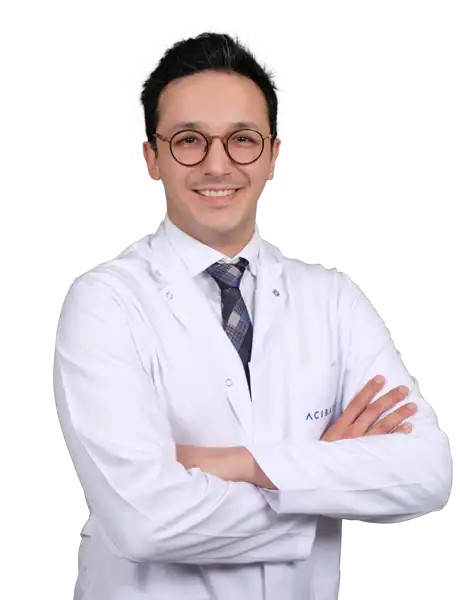
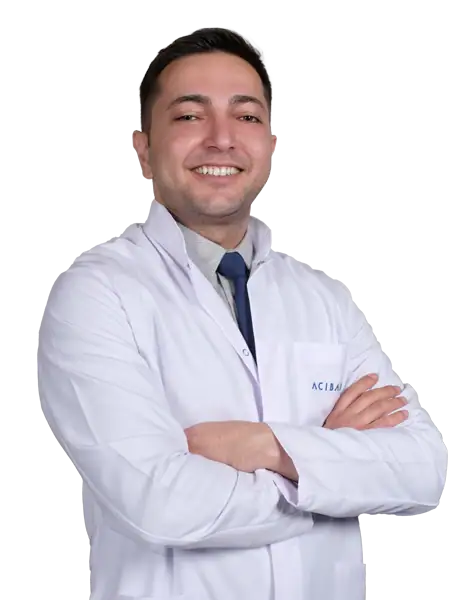
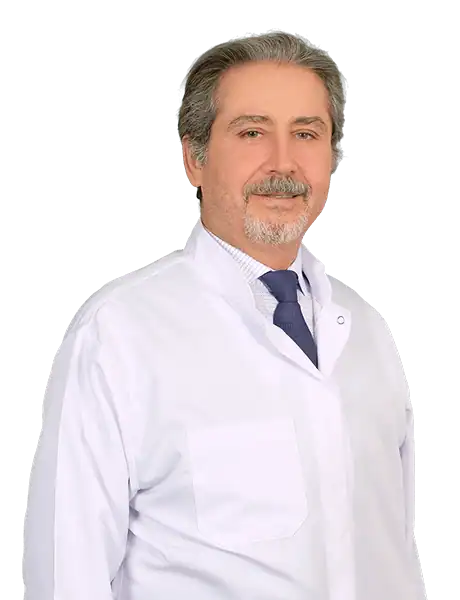
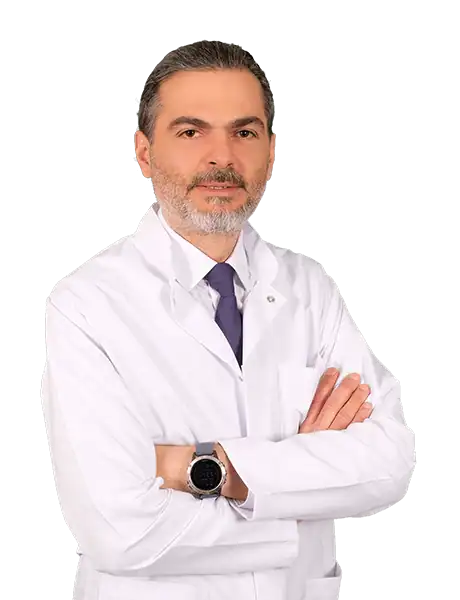
Doctors Performing This Treatment


Aesthetic Plastic & Reconstructive Surgery
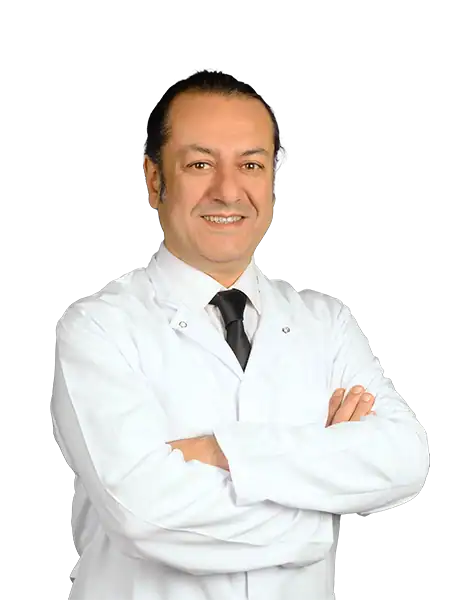
Prof. Mehmet Veli Karaaltın, MD

Aesthetic Plastic & Reconstructive Surgery
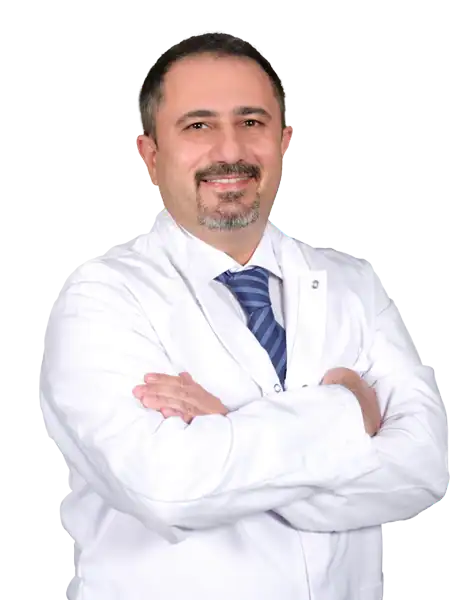
Assoc. Prof. Erdem Güven, MD

Aesthetic Plastic & Reconstructive Surgery
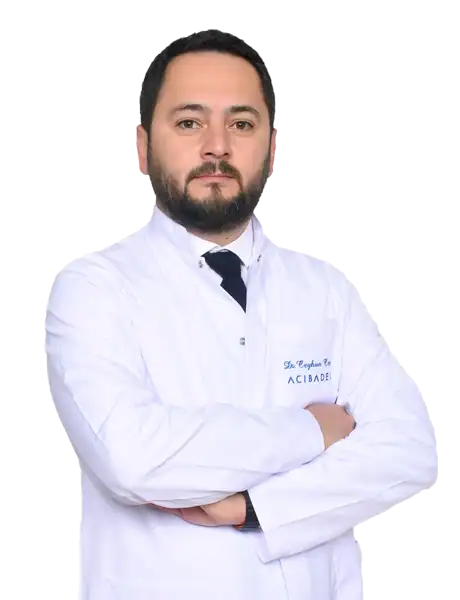
Assoc. Prof. Ahmet Küçükçelebi, MD
Aesthetic Plastic & Reconstructive Surgery
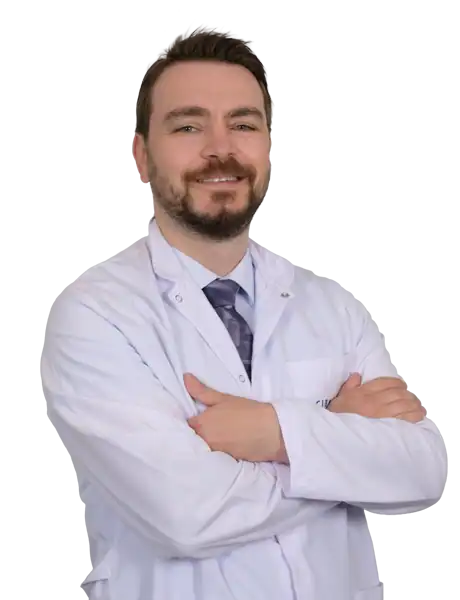
Assoc. Prof. Mehmet Altıparmak, MD

Aesthetic Plastic & Reconstructive Surgery