

Stroke in Young Adults: Causes, Hidden Risk Factors, and When to Seek Answers
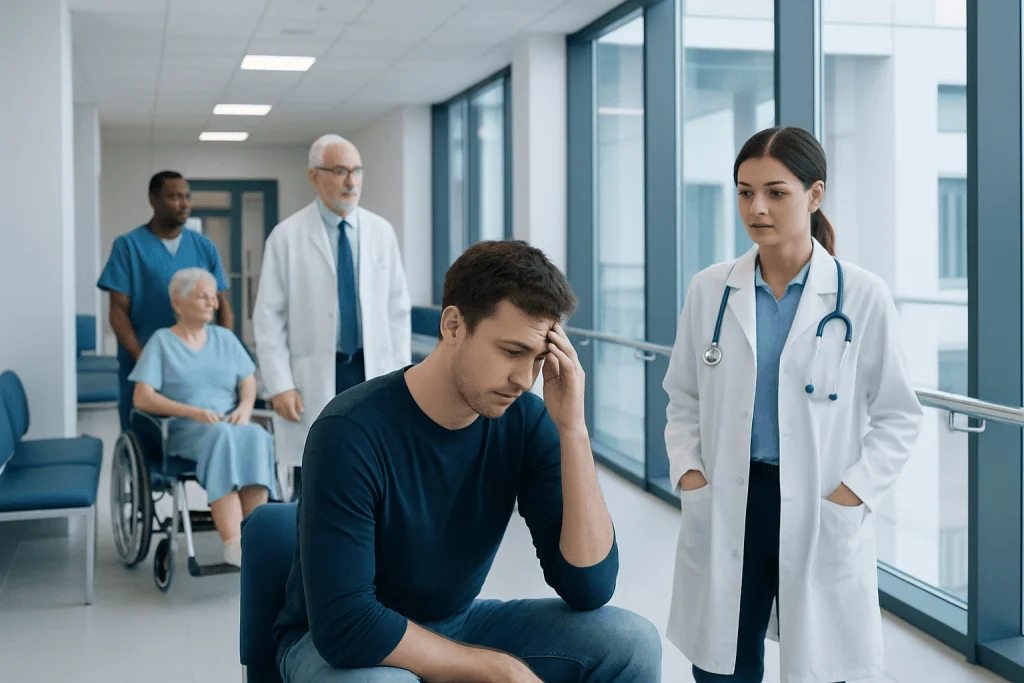
Stroke can occur in people in their 20s, 30s, and 40s, even without obvious risk factors. Sudden weakness, facial droop, speech difficulty, vision change, severe dizziness, or a sudden unusual headache need urgent evaluation.
Key Takeaways
- Stroke can occur in people in their 20s, 30s, and 40s, even without obvious risk factors.
- Sudden weakness, facial droop, speech difficulty, vision change, severe dizziness, or a sudden unusual headache need urgent evaluation.
- Causes in younger adults may include artery dissection, heart conditions, clotting disorders, migraine with aura, pregnancy-related factors, and substance use.
- A careful work-up often includes brain imaging, blood vessel imaging, heart testing, and blood tests to look for underlying causes.
- Early treatment and rehabilitation can improve outcomes, and long-term prevention depends on the specific cause.
Stroke can affect younger adults, sometimes with causes and risk factors that differ from those seen later in life. Knowing the warning signs, possible hidden triggers, and when to seek urgent medical care can support faster treatment and better recovery.
Overview
Stroke happens when blood flow to part of the brain is blocked or when a blood vessel in the brain bleeds. Without enough oxygen, brain cells can be damaged within minutes. Although stroke is often associated with older age, it can also occur in younger adults, including people in their 20s, 30s, and 40s.
In younger adults, stroke may be especially unexpected because common age-related risk factors may be absent or mild. This can sometimes lead to delays in recognizing symptoms or seeking help. However, stroke is always a medical emergency, no matter a person’s age or overall fitness level.
There are two main types of stroke: ischemic stroke, caused by a blockage in a blood vessel, and hemorrhagic stroke, caused by bleeding in or around the brain. A transient ischemic attack, or TIA, is sometimes called a “mini-stroke.” Its symptoms go away quickly, but it still needs urgent assessment because it can be a warning sign of a future stroke.
Symptoms and warning signs
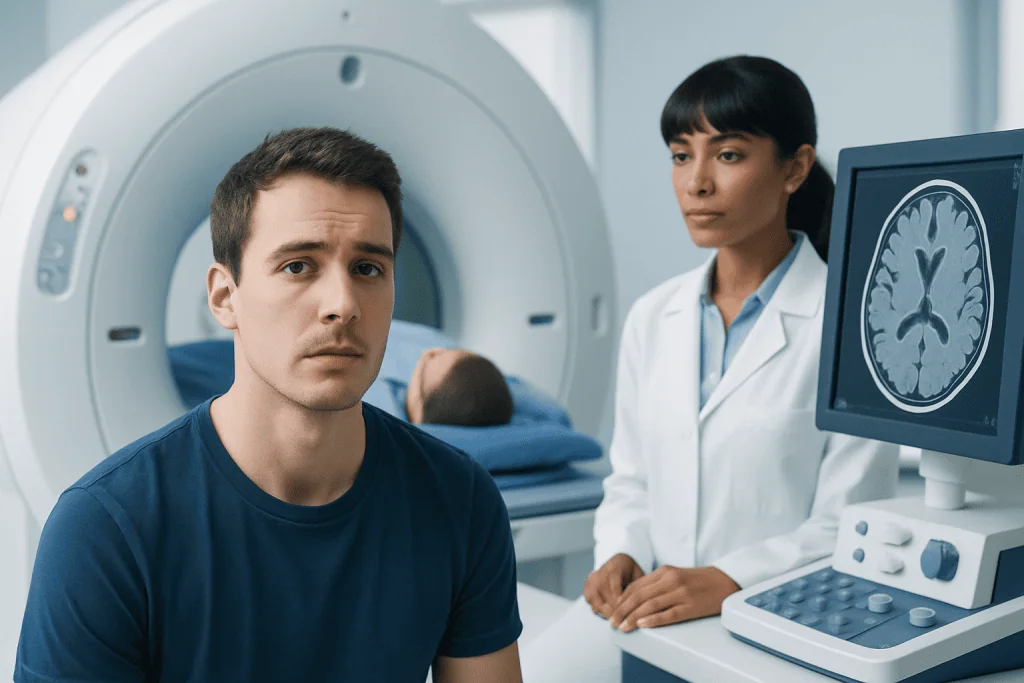
The signs of stroke in younger adults are usually the same as in older adults. Symptoms often begin suddenly. They can include facial drooping, weakness or numbness on one side of the body, trouble speaking or understanding speech, sudden vision loss or double vision, dizziness, loss of balance, or a severe sudden headache.
A simple way to remember common warning signs is FAST: Face drooping, Arm weakness, Speech difficulty, Time to call emergency services. If any of these appear, urgent help is needed right away. It is safer to act quickly even if symptoms seem mild or improve after a few minutes.
Some younger adults may have symptoms that are mistaken for migraine, exhaustion, anxiety, inner ear problems, or low blood sugar. This is one reason stroke can be missed. A sudden unusual neurological symptom should not be ignored, especially if it affects one side of the body, speech, vision, or coordination.
- Sudden facial droop or uneven smile
- Sudden arm or leg weakness, especially on one side
- Slurred speech or difficulty finding words
- Sudden confusion
- Loss of vision or double vision
- Sudden severe headache, especially if different from usual headaches
- Sudden trouble walking, dizziness, or poor balance
Causes and hidden risk factors

The causes of stroke in young adults can be more varied than in older age groups. While high blood pressure, diabetes, smoking, high cholesterol, and obesity still matter, doctors also look for less obvious causes. These may include tears in the neck arteries called cervical artery dissection, structural heart problems such as a patent foramen ovale, heart rhythm disorders, inherited or acquired clotting conditions, and inflammatory or autoimmune diseases.
Pregnancy and the weeks after delivery can increase stroke risk because of changes in blood clotting, blood pressure, and circulation. Hormonal factors, including some estrogen-containing medications, may also be relevant in certain people. Migraine with aura is linked with a higher stroke risk, especially when combined with smoking or estrogen exposure.
Substance use is another important but sometimes overlooked factor. Cocaine, amphetamines, and other stimulants can sharply raise the risk of stroke by increasing blood pressure, causing blood vessel spasm, or triggering clot formation. Heavy alcohol use, smoking, vaping, poor sleep, and untreated sleep apnea may also contribute.
In some cases, no single clear cause is found even after a detailed evaluation. This does not mean the event was minor or unimportant. It means the care team may need a broader search for uncommon explanations and a personalized plan to lower the chance of another stroke, including assessment for conditions related to stroke and its causes.
How stroke in young adults is diagnosed
When a younger adult arrives with suspected stroke, doctors first confirm whether symptoms are due to a stroke and whether the stroke is caused by blockage or bleeding. This usually starts with urgent brain imaging, such as a CT scan or MRI. Imaging of the blood vessels in the head and neck may also be needed to look for narrowed arteries, blocked vessels, aneurysms, or artery dissection.
Because the underlying cause may be less obvious, the evaluation often goes beyond standard emergency testing. Heart tests such as an electrocardiogram, echocardiogram, or longer heart rhythm monitoring may be used to check for irregular heartbeat or a source of clots. Blood tests can look for clotting disorders, inflammation, infection, metabolic problems, and other contributing factors.
Doctors also review personal and family history in detail. Important clues include migraine with aura, recent neck injury or sudden neck movement, pregnancy, miscarriage history, autoimmune disease, early heart disease in relatives, and use of tobacco, alcohol, supplements, or recreational drugs. In selected situations, specialists may recommend advanced imaging or consultation with teams experienced in interventional neuroradiology and stroke diagnosis.
Treatment options
Treatment depends on the type of stroke, how quickly the person arrives for care, and the underlying cause. In ischemic stroke, the immediate goal is to restore blood flow to the brain. Some patients may be eligible for clot-busting medication if they arrive within the appropriate time window and meet safety criteria. Others may benefit from a procedure to remove a clot from a blocked artery, often referred to as mechanical thrombectomy.
For hemorrhagic stroke, treatment focuses on controlling bleeding, reducing pressure on the brain, and managing blood pressure and other medical needs. Some patients may need intensive monitoring, surgery, or endovascular procedures depending on the location and cause of the bleeding. If an aneurysm or vascular abnormality is found, targeted treatment may be recommended.
After the emergency phase, treatment shifts toward preventing another stroke. This may include antiplatelet medication, blood thinners for some heart-related causes, blood pressure control, cholesterol management, diabetes care, and treatment of sleep apnea if present. If a heart defect or rhythm disorder is involved, a cardiology plan may be part of long-term care. Rehabilitation can also be essential, with support for movement, speech, cognition, mood, and daily activities through stroke rehabilitation.
Many younger adults worry about work, parenting, driving, exercise, and intimacy after a stroke. Recovery is highly individual. A clear follow-up plan with neurology, rehabilitation, and other specialists can help address practical concerns and support a safer return to normal activities over time.
Prevention and self-care
Not every stroke can be prevented, especially when it is related to uncommon structural or inherited causes. Still, many steps can reduce risk. Managing blood pressure, cholesterol, blood sugar, and body weight remains important even in younger people. Avoiding smoking and recreational drug use can make a major difference.
Regular exercise, a balanced eating pattern, enough sleep, and stress management support overall vascular health. People who have migraine with aura, high blood pressure, autoimmune disease, or a personal or family history of clotting problems may benefit from discussing stroke risk more specifically with a doctor. Those with recent TIA-like symptoms should not wait for them to happen again.
Self-care after a stroke also matters. Taking medication exactly as prescribed, attending follow-up visits, and participating in rehabilitation can improve recovery and lower future risk. Emotional symptoms such as anxiety, low mood, irritability, and fatigue are common after stroke and deserve attention just like physical symptoms.
Near the end of recovery planning, some people seek care in centers with coordinated neurology, imaging, rehabilitation, and vascular expertise. Acibadem International’s multidisciplinary specialists and JCI-accredited hospitals diagnose and treat stroke for international patients when advanced evaluation and follow-up are needed.
When to seek urgent medical care
Anyone with sudden stroke-like symptoms should seek emergency care immediately. It is important not to drive oneself if symptoms are severe or changing. Calling emergency services is often the safest choice because treatment can begin sooner and paramedics can alert the hospital in advance.
Urgent care is needed for sudden weakness, numbness, trouble speaking, vision change, severe dizziness, loss of coordination, or a sudden severe headache unlike usual headaches. Even if symptoms go away within minutes, the episode may still be a TIA and requires same-day medical assessment.
It is also wise to seek medical advice after a stroke if there are new or worsening headaches, repeated fainting, chest palpitations, unexplained shortness of breath, medication side effects, or problems with memory, mood, or daily functioning. Getting answers early can help identify a hidden cause and guide more effective prevention.
Frequently asked questions
Can healthy young adults really have a stroke?
Yes. A young adult can have a stroke even if they exercise, look fit, or do not have classic risk factors. In younger people, stroke may be linked to less obvious causes such as artery dissection, heart conditions, clotting disorders, migraine with aura, pregnancy-related factors, or substance use.
What is the most common warning sign of stroke in a younger person?
The most common warning signs are the same at any age: sudden facial droop, arm weakness, and speech trouble. Sudden vision loss, imbalance, numbness on one side, or a severe unusual headache can also signal stroke and need urgent attention.
Can stroke symptoms come and go?
Yes. Symptoms that appear briefly and then resolve can be a transient ischemic attack, or TIA. A TIA is still an emergency because it may be a warning sign that a larger stroke could happen soon.
Why do doctors do heart tests after a stroke in a young adult?
The heart can sometimes be the source of a clot that travels to the brain. Tests may look for rhythm problems such as atrial fibrillation, structural issues such as a patent foramen ovale, or other abnormalities that affect treatment and prevention.
Is migraine the same as stroke?
No. Migraine and stroke are different conditions, but some symptoms can overlap, which may cause confusion. Because stroke needs urgent treatment, any sudden new neurological symptom should be assessed by a medical professional rather than assumed to be a migraine.
Can a young adult recover well after a stroke?
Many younger adults make meaningful recovery, especially when diagnosis and treatment happen quickly. Recovery can still take time, and some people need rehabilitation for movement, speech, thinking, mood, or fatigue.
References
- World Health Organization
- American Heart Association
- National Institute of Neurological Disorders and Stroke
- Centers for Disease Control and Prevention
- European Stroke Organisation
This article is for general information only and is not a substitute for professional medical advice. Please consult a qualified doctor about your individual situation.
Explore treatments in Turkey — costs, top hospitals & a free quote
JCI-accredited · board-certified surgeons · reply within 24h
Add us as a Preferred Source to see more of our trusted health content across Google Search, AI Overviews and Discover.
Check your numbers in seconds
BMI, calories, due date, blood pressure and 30+ more clinical calculators — free, instant, doctor-reviewed ranges.

More from the Health Library


Related Specialists

Prof. Dr. Gül Sağın Saylam
Pediatric Cardiology
Assoc. Prof. Dr. Ata Can
Orthopedic Surgery & Traumatology
Dr. Sibel Özbek
Pediatrics
Prof. Dr. Pınar Yalınay Dikmen
Neurology