Proton Therapy Cost: What Is Included and What Can Change the Price?

Proton therapy cost usually includes evaluation, imaging, treatment planning, treatment sessions, and follow-up. The final price can change with cancer type, number of sessions, technology used, and whether combined treatments are needed.
Key Takeaways
- Proton therapy cost usually includes evaluation, imaging, treatment planning, treatment sessions, and follow-up.
- The final price can change with cancer type, number of sessions, technology used, and whether combined treatments are needed.
- Travel, accommodation, and insurance coverage may affect the total out-of-pocket cost for international patients.
- A written cost estimate helps patients understand what is included and what may be billed separately.
- Comparing value means looking at expertise, safety standards, and coordinated care, not price alone.
Proton therapy cost is shaped by more than the radiation sessions alone. The total price usually reflects consultation, imaging, treatment planning, daily therapy, supportive care, and follow-up, while the final amount can change based on the cancer being treated and the complexity of care.
Overview: What proton therapy cost usually means
Proton therapy is an advanced form of radiation treatment that uses protons rather than standard X-rays to target tumors. Because it is highly specialized, proton therapy cost is usually discussed as a package of services rather than a single fee for one machine or one visit. Patients often find it helpful to know that the quoted amount may cover several steps of care before, during, and after treatment.
In many hospitals, the overall cost includes the initial specialist assessment, imaging needed for treatment planning, preparation sessions, the radiation course itself, and routine follow-up related to treatment. However, what is included can differ from one center to another. This is why a detailed written estimate is important, especially for patients comparing options in different countries or traveling for care.
Proton therapy may be considered for selected cancers where reducing radiation exposure to nearby healthy tissue is especially important. It is one of several treatment approaches used in modern cancer treatment, and whether it is appropriate depends on the diagnosis, the tumor location, and the overall treatment plan designed by the medical team.
What is usually included in the price
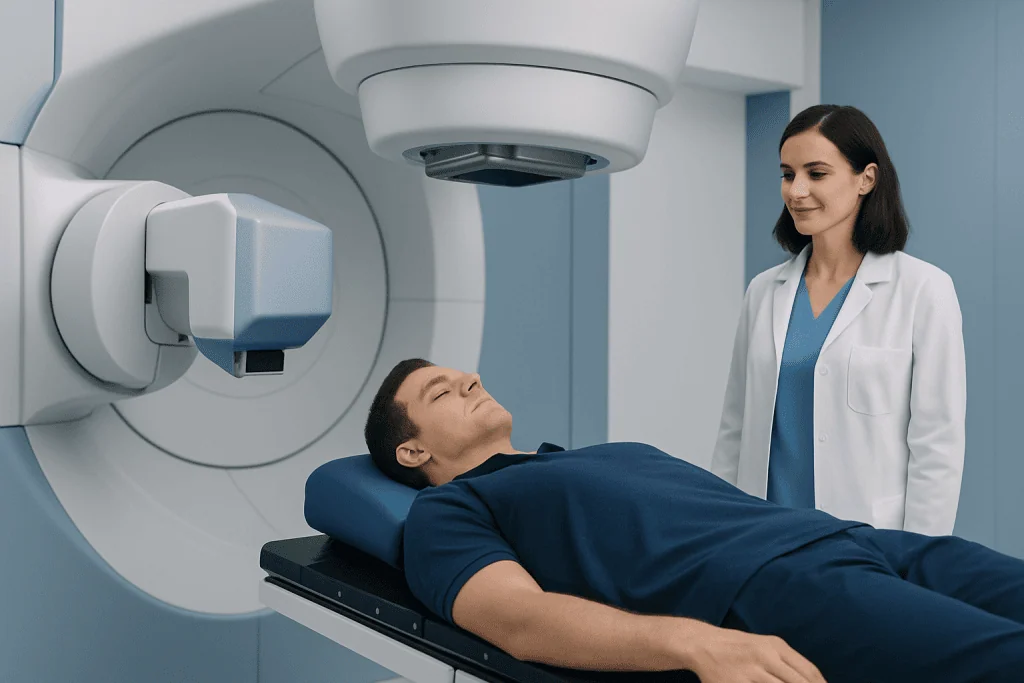
A proton therapy quote often starts with the medical evaluation. This can include consultations with a radiation oncologist and, in some cases, input from other specialists such as medical oncologists, surgeons, pediatric oncologists, or physicists. The treatment team reviews pathology results, prior scans, and the person’s medical history to decide whether proton therapy is suitable.
Imaging and planning are usually major parts of the cost. Before treatment begins, the team typically performs planning scans such as CT and sometimes MRI or PET-CT, along with a simulation session to map the exact treatment position. Highly detailed planning is needed to calculate dose, protect nearby organs, and design an individualized schedule. For some people, this planning process may also involve a custom mask, body mold, or motion-management tools.
The treatment course itself is generally the largest component. This includes the daily proton sessions, quality checks, and supervision by the clinical team. Many centers also include routine review visits during treatment and basic follow-up appointments after the course ends. Depending on the center, related supportive care services may be included or partly separate, such as blood tests, medications, nutritional support, anesthesia for children, or management of side effects.
- Initial specialist consultation
- Treatment planning scans and simulation
- Physics and dose planning
- Daily proton therapy sessions
- On-treatment review visits
- Post-treatment follow-up related to radiation care
What can change the final proton therapy cost

The final price can vary significantly because no two treatment plans are exactly the same. One of the biggest factors is the type of cancer and where it is located. Tumors close to sensitive organs, such as the brain, spine, eye, or head and neck area, often require more complex planning and monitoring. Pediatric cases may also require extra preparation and support. In some situations, proton therapy is considered for cancer types where long-term tissue protection is a priority.
The number of treatment sessions also matters. Some patients need a relatively short course, while others need many more sessions over several weeks. A longer course means more machine time, more staff involvement, and more repeated quality checks. If the treatment plan changes during therapy because of body weight changes, tumor response, or anatomical shifts, a new scan and replanning may add to the cost.
Additional treatments can increase the total expense as well. Proton therapy may be part of a broader care plan that includes surgery, chemotherapy, immunotherapy, laboratory tests, pathology review, or hospitalization. Costs may also differ depending on the hospital’s technology, whether advanced image guidance is used, and whether the patient needs anesthesia, inpatient care, or special supportive services.
Medical and practical factors patients should ask about
When reviewing a cost estimate, it helps to ask whether the quote is all-inclusive or limited to the proton sessions only. A lower headline figure may not include planning imaging, physician reviews, anesthesia, additional scans during treatment, or follow-up visits. Asking for an itemized estimate can make comparisons clearer and reduce uncertainty later.
Practical expenses are also important, especially for international patients. Travel, accommodation, local transport, translation services, visa needs, and time away from work can all affect the overall financial picture. If a companion is needed, those costs should be considered too. Even when medical fees are clearly listed, non-medical expenses may represent a meaningful share of the total cost.
Insurance and payment policies vary widely. Some insurers cover proton therapy for specific diagnoses, while others require prior authorization or approve it only after case review. Patients may wish to ask which documents are needed, whether pre-treatment tests from another hospital can be used, and what happens financially if the treatment schedule changes after the first consultation.
How proton therapy compares with other radiation options
Patients often compare proton therapy cost with the price of conventional radiation therapy. Proton therapy is generally more expensive because the equipment, facility requirements, planning process, and technical staffing are more specialized. The purpose of this technology is not simply to be newer, but to deliver radiation in a way that may better spare some surrounding healthy tissues in selected cases.
That does not mean proton therapy is the right or most cost-effective choice for everyone. Standard radiation approaches remain very effective for many cancers, and treatment decisions should be based on expected benefit, safety, tumor type, and overall care goals. A multidisciplinary team may discuss whether proton therapy, standard radiation, or another approach such as radiotherapy is most appropriate.
Value should be considered alongside price. Important questions include the center’s experience, the availability of coordinated oncology services, quality assurance processes, and access to imaging, supportive care, and follow-up. In some cases, treatment in a center that can provide several options under one plan may simplify care and reduce delays.
How to plan financially and prepare for treatment
Patients can prepare by requesting a detailed treatment estimate before travel or admission. It is helpful to confirm what is included, what may be added later, and which services are billed separately. Asking about cancellation rules, deposit requirements, and refund policies can also provide clarity. If pathology review or new imaging is likely to be needed on arrival, patients may want to know how that could affect the total cost.
Organizing medical records in advance can sometimes prevent unnecessary repetition of tests. Pathology reports, previous scans, treatment summaries, medication lists, and insurance documents can help the team assess whether prior information can be used safely. If another opinion is needed, centers may coordinate consultations with specialists in oncology and radiation medicine before confirming a final plan.
Some patients also benefit from discussing practical support early, such as accommodation near the hospital, nutrition during treatment, transportation, and arrangements for family members. Toward the end of the planning process, a reputable center should be able to explain both the medical pathway and the expected cost pathway in understandable terms. Acibadem International’s multidisciplinary specialists and JCI-accredited hospitals provide diagnosis and treatment planning for international patients who may be considering proton therapy.
When to seek specialist advice about proton therapy
It is reasonable to ask about proton therapy when a person has been diagnosed with cancer and radiation is part of the proposed treatment plan. A specialist opinion may be especially helpful when the tumor is close to critical structures, when a child needs radiation treatment, or when a patient has already received radiation in the same area before. In these situations, treatment precision can be particularly important.
Patients may also want a dedicated review if they have been given very different recommendations by different centers or if the financial estimates vary widely. A second opinion can help clarify whether the difference is due to true medical complexity, different inclusion policies, or a different treatment approach. This can support more confident decision-making.
Urgency depends on the diagnosis, but it is usually best not to delay specialist review unnecessarily. Early consultation allows time for record review, insurance questions, travel planning, and discussion of alternatives. A qualified oncology team can explain whether proton therapy is likely to offer an advantage in that person’s specific case and what costs should realistically be expected.
Frequently asked questions
Why is proton therapy usually more expensive than standard radiation therapy?
Proton therapy uses highly specialized equipment, facilities, and planning systems. The treatment also requires detailed physics support and individualized dose planning, which can increase the overall cost compared with standard radiation.
Does proton therapy cost include the first consultation?
In many centers, the estimate includes the initial radiation oncology assessment, but not always. Patients should ask for an itemized quote to confirm whether consultations, planning scans, and follow-up visits are included.
Can the price change after treatment planning starts?
Yes. The cost can change if additional imaging, replanning, anesthesia, inpatient care, or supportive treatments become necessary. This does not always happen, but it is sensible to ask in advance which situations may lead to added charges.
Will insurance cover proton therapy?
Coverage depends on the insurer, the country, and the specific diagnosis. Some insurers approve proton therapy for selected clinical situations, while others require prior authorization or case-by-case review.
Are travel and accommodation usually part of proton therapy cost?
They are often separate from the medical fee unless a hospital offers a bundled international patient package. Patients traveling from another city or country should ask about housing, transport, translation, and companion-related costs.
How can patients compare proton therapy prices between hospitals?
It helps to compare itemized estimates rather than headline prices alone. Patients should look at what is included, the number of sessions planned, the experience of the treatment team, and whether supportive services and follow-up are part of the package.
References
- National Cancer Institute
- American Society for Radiation Oncology
- National Comprehensive Cancer Network
- European Society for Radiotherapy and Oncology
- World Health Organization
This article is for general information only and is not a substitute for professional medical advice. Please consult a qualified doctor about your individual situation.
Oncology care in Turkey — second opinion and treatment plan
JCI-accredited · board-certified surgeons · reply within 24h
Add us as a Preferred Source to see more of our trusted health content across Google Search, AI Overviews and Discover.