Hospital Robots: How Automation Supports Safety, Delivery, and Infection Control
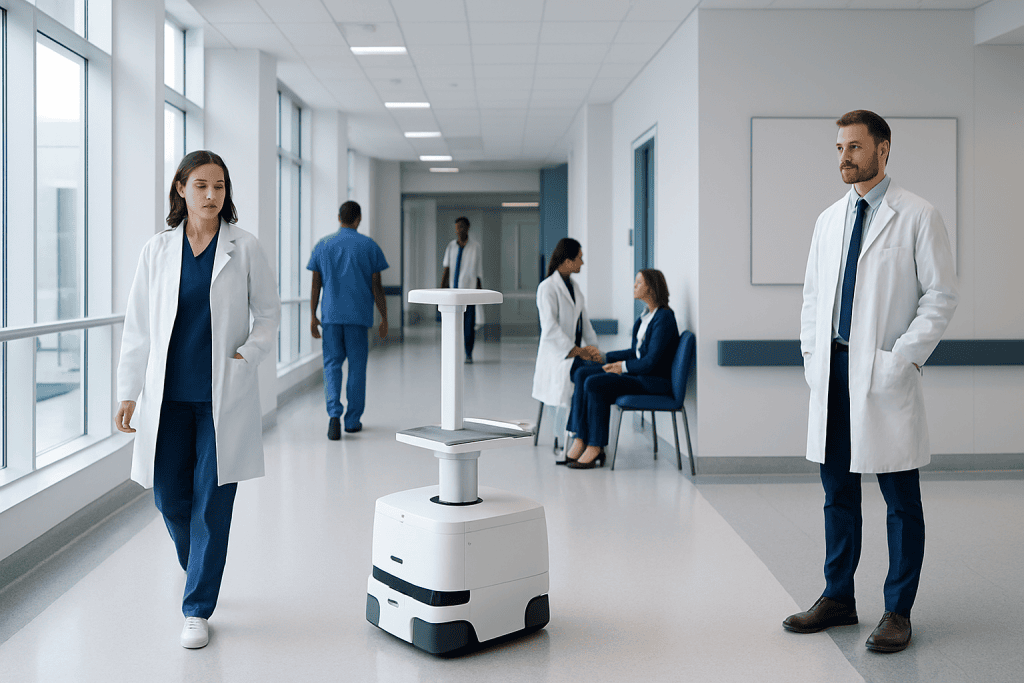
Hospital robots can transport medicines, supplies, linens, and laboratory samples within healthcare facilities. Automation may reduce unnecessary contact, support infection control, and free staff for direct patient care.
Key Takeaways
- Hospital robots can transport medicines, supplies, linens, and laboratory samples within healthcare facilities.
- Automation may reduce unnecessary contact, support infection control, and free staff for direct patient care.
- Different robots serve different roles, including delivery, disinfection, telepresence, and pharmacy support.
- Robots are tools used under human supervision, with safety protocols, maintenance, and data protection measures.
- Their benefits depend on careful planning, staff training, and integration into existing clinical workflows.
Hospital robots are increasingly used to support patient care by handling selected routine tasks, improving logistics, and strengthening infection control practices. They do not replace clinical teams, but can help hospitals work more safely, efficiently, and consistently.
Overview: What Hospital Robots Do
Hospital robots are machines designed to assist healthcare teams with specific tasks inside medical facilities. They may move supplies through corridors, deliver medications, help disinfect rooms, support telepresence, or automate parts of pharmacy and laboratory workflows. Their main purpose is not to replace doctors or nurses, but to help hospitals carry out repetitive or time-sensitive work more reliably.
Modern hospital automation combines robotics, sensors, software, and connectivity. Some robots operate on fixed routes, while others use mapping technology to navigate around people, elevators, and equipment. In many hospitals, robots are used behind the scenes, so patients may not notice how often they support daily operations.
These systems are especially useful in busy environments where staff need to focus on direct patient care. By taking over selected transport, cleaning, or administrative tasks, robots can help reduce delays and support smoother workflows. This can be valuable in emergency departments, inpatient wards, operating areas, pharmacies, and intensive care settings.
Types of Hospital Robots in Daily Use
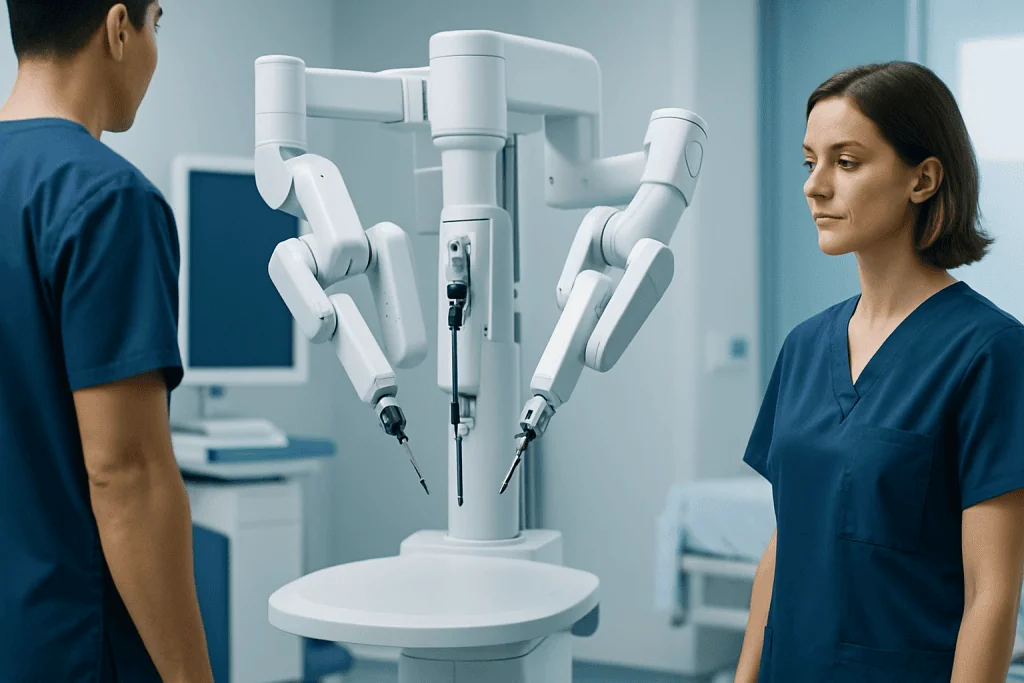
Hospitals use several kinds of robots, each designed for a narrow set of tasks. Autonomous mobile robots often carry medications, meals, sterile supplies, linens, or waste between departments. Pharmacy robots may sort, package, or dispense medicines under pharmacist oversight. Disinfection robots can help sanitize rooms and high-touch areas using technologies such as ultraviolet light or vapor systems.
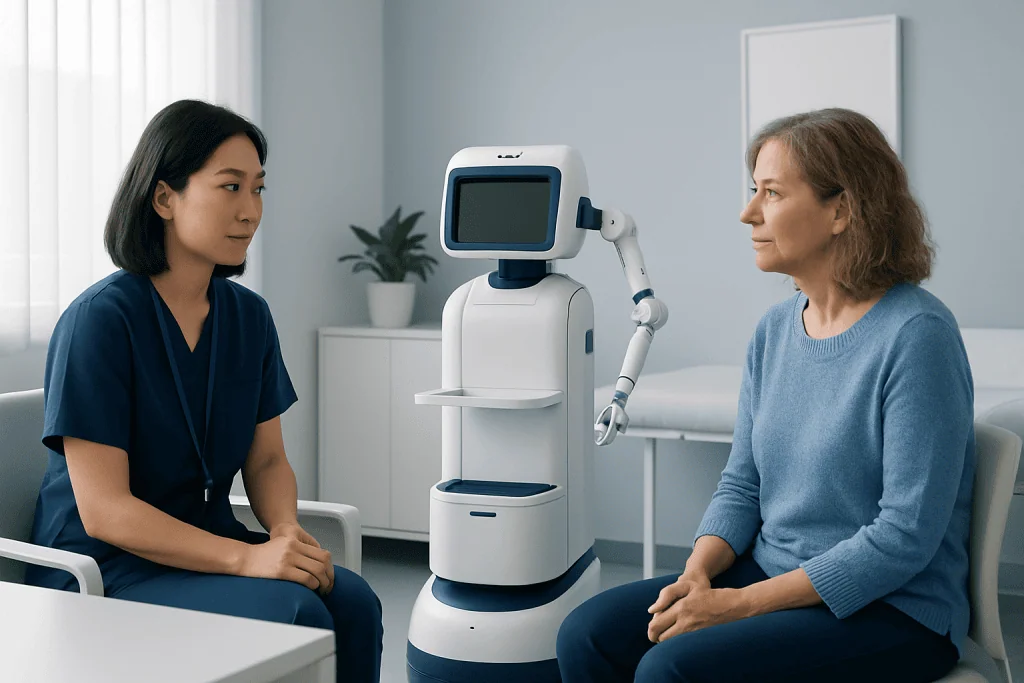
Telepresence robots allow a clinician to communicate remotely with a patient or healthcare team through a screen, camera, and microphone mounted on a mobile device. In some settings, this can support faster specialist input, especially when immediate physical presence is difficult. Robots may also assist in laboratories by handling repetitive sample-processing steps with precision.
Some people associate healthcare robotics mainly with highly specialized procedures such as robotic surgery, but hospital robots cover a much broader range of everyday operational support. Their role is often practical and logistical rather than dramatic: moving items safely, limiting manual handling, and improving consistency in routine processes.
- Delivery robots for supplies, medications, meals, and samples
- Disinfection robots for environmental cleaning support
- Telepresence robots for communication and remote review
- Pharmacy and laboratory robots for repetitive technical tasks
- Service robots that guide visitors or provide basic information
How Automation Supports Safety
One of the strongest reasons hospitals adopt robots is to support safety for patients and staff. Automated delivery can reduce the number of unnecessary trips made by busy team members, lowering physical strain and allowing more time for assessment, treatment, and communication. Robots can also help reduce manual handling of heavy carts, linens, or waste containers.
Safety benefits also come from standardization. A robot can follow programmed routes and workflows consistently, which may help reduce missed deliveries or delays in moving supplies. In pharmacy and laboratory settings, automation can add extra checks and traceability, helping staff verify where an item came from and where it is going.
In infectious disease situations, reducing avoidable movement between contaminated and clean areas can be useful. Robots may deliver supplies to isolation zones or transport materials while limiting the number of people entering and leaving a room. Hospitals still rely on human judgment, protective equipment, and established protocols, but automation can support these systems.
Importantly, safe use requires oversight. Robots must be maintained, monitored, and integrated with emergency procedures. Staff need training on how to interact with them, how to avoid obstruction in corridors, and how to respond if a robot stops or needs assistance.
Hospital Robots and Infection Control
Hospital robots can play a helpful role in infection control, especially when they reduce unnecessary contact or support more consistent environmental cleaning. For example, robots may deliver items to isolation areas, decreasing the number of staff entries needed for non-clinical tasks. This can help conserve time and reduce exposure opportunities when used appropriately.
Disinfection robots are another important area. These devices are generally used after standard manual cleaning, not instead of it. They may add an extra layer of room decontamination by reaching surfaces with a measured, repeatable cycle. However, they work best as part of a broader infection prevention strategy that includes hand hygiene, surface cleaning, ventilation, and correct use of protective equipment.
Automation may also support infection control through tracking and workflow design. Digital systems can document when a room was cleaned, when a delivery was completed, or when equipment moved between zones. This type of traceability can help hospitals review processes, identify delays, and strengthen quality improvement efforts.
Robots are tools, not stand-alone solutions. Good infection control still depends on trained staff, clear policies, and prompt medical evaluation of possible infections. In many hospitals, robotic support complements services related to infectious diseases and infection prevention programs rather than replacing them.
Delivery, Logistics, and Workflow Efficiency
Hospitals function through constant movement of medicines, test samples, blood products, meals, equipment, documents, and sterile supplies. Even small delays can affect workflow. Delivery robots help by moving items on schedule between wards, laboratories, pharmacies, and operating rooms, often using secure compartments and access controls.
This type of automation can be especially helpful during peak hours or overnight, when staffing patterns may be tighter. A robot can make repeated trips without fatigue, allowing nurses, technicians, and support staff to spend more time on patient-facing tasks. In practical terms, that may mean less time away from the bedside and better use of specialized skills.
Robots can also support coordination with departments such as check-up and diagnostics by helping move samples and supplies efficiently through the hospital system. When these tools are integrated well, they may shorten turnaround times for routine tasks, though the overall effect varies by hospital layout, staffing, and digital infrastructure.
Efficiency should never come at the expense of flexibility. Hospitals are complex environments where urgent clinical needs can change quickly. For this reason, automation tends to work best when robots handle predictable, repetitive processes while staff remain free to make priority decisions and adapt to unexpected situations.
Limitations, Privacy, and Human Oversight
Although hospital robots can be useful, they also have limits. They may struggle in crowded hallways, during power or network disruptions, or when workflows are poorly planned. A robot can carry a cart or complete a programmed cleaning cycle, but it cannot replace the empathy, judgment, and communication skills of trained healthcare professionals.
Privacy and cybersecurity are also important. Some robots use cameras, sensors, mapping systems, or remote communication features, which means hospitals must protect patient confidentiality and secure digital systems. Clear rules are needed for data access, storage, software updates, and safe network integration.
Human oversight remains essential in every setting. Clinicians, pharmacists, infection control teams, engineers, and support staff all contribute to safe robotic use. Hospitals usually establish protocols for maintenance, cleaning, troubleshooting, and backup plans if a robot is unavailable. These measures help ensure that automation supports care rather than interrupting it.
Patients and families may also need simple explanations when they encounter robots for the first time. Reassurance helps: these machines are usually there to support logistics or communication, while medical decisions remain with qualified professionals.
What Patients Can Expect and When to Ask Questions
If a patient sees a robot in the hospital, it will most often be performing a routine support task such as delivery, navigation, telepresence, or room disinfection. In most cases, there is no special action required from the patient. Staff guide the process and explain any technology that directly affects care, communication, or privacy.
It is reasonable for patients or relatives to ask what a robot is doing, whether it records information, and how it fits into the care plan. Questions about safety, cleaning, or remote communication are appropriate and can help people feel more comfortable. A well-run hospital should be able to explain the purpose of the technology in clear terms.
Patients should also remember that robotics is only one part of a broader system of quality care that includes infection prevention, diagnostics, treatment planning, and follow-up. In centers offering advanced medical technologies, automation is generally used to support staff and improve processes rather than reduce human contact when personal care is needed.
For international patients who want to learn more about advanced hospital systems, Acibadem International’s multidisciplinary specialists and JCI-accredited hospitals diagnose and treat a wide range of conditions while using modern technologies to support safe, coordinated care.
Frequently asked questions
Do hospital robots replace doctors and nurses?
No. Hospital robots are designed to assist with selected tasks such as delivery, disinfection, telepresence, or pharmacy support. Clinical assessment, treatment decisions, and personal patient care remain the responsibility of trained healthcare professionals.
Are hospital robots safe around patients?
They are intended to be used under strict safety protocols and human supervision. Hospitals typically train staff, maintain the equipment regularly, and set rules for navigation, emergency stops, and infection prevention. As with any technology, safety depends on proper design and careful use.
How do robots help with infection control?
Robots may reduce unnecessary contact by transporting items to and from certain areas, including isolation zones. Some robots also support environmental disinfection after manual cleaning. They are most effective when used as part of a broader infection prevention program, not as a replacement for standard hygiene measures.
Can hospital robots deliver medications and test samples?
Yes, many hospitals use robots to transport medications, laboratory samples, sterile supplies, linens, and meals. Secure compartments and tracking systems may help improve accountability and efficiency. Final verification and clinical decisions are still handled by staff.
Do hospital robots collect personal data?
Some robots use cameras, sensors, or communication tools that may involve data handling. Hospitals should have privacy safeguards, cybersecurity protections, and clear policies about how information is used and stored. Patients can ask whether a specific device records images, audio, or location data.
Are disinfection robots enough to keep a hospital room germ-free?
No single tool can guarantee that. Disinfection robots are usually used to support, not replace, standard manual cleaning and infection control protocols. Hand hygiene, protective equipment, environmental cleaning, and ventilation all remain important.
References
- World Health Organization
- Centers for Disease Control and Prevention
- U.S. Food and Drug Administration
- European Centre for Disease Prevention and Control
- Agency for Healthcare Research and Quality
This article is for general information only and is not a substitute for professional medical advice. Please consult a qualified doctor about your individual situation.
Explore treatments in Turkey — costs, top hospitals & a free quote
JCI-accredited · board-certified surgeons · reply within 24h
Add us as a Preferred Source to see more of our trusted health content across Google Search, AI Overviews and Discover.

More from the Health Library



Related Specialists

Dt. Kevser Danişti
Dentistry
Mehmet Sabah Ateş
Physical Medicine & Rehabilitation
Dr. Abdullah Özel
Pediatric Surgery
Asst. Prof. Dr. Mustafa Sungur
Orthopedic Surgery & Traumatology