Virtual Reality in Pain Management: Who May Benefit and What the Evidence Shows
Virtual reality may reduce pain by shifting attention, easing anxiety, and changing how the brain processes pain. It is usually used alongside standard medical care, not as a replacement for necessary treatment.
Key Takeaways
- Virtual reality may reduce pain by shifting attention, easing anxiety, and changing how the brain processes pain.
- It is usually used alongside standard medical care, not as a replacement for necessary treatment.
- The strongest evidence is for short-term pain relief during procedures and some rehabilitation settings.
- Benefits for chronic pain are promising but can vary by condition, program design, and the individual.
- VR is not suitable for everyone, especially people prone to motion sickness, some seizure disorders, or certain psychiatric symptoms.
Virtual reality in pain management uses immersive digital experiences to reduce pain, anxiety, and distress in selected situations. Evidence suggests it can be a useful add-on to standard care, especially for procedures, rehabilitation, and some chronic pain conditions.
Overview: What Virtual Reality in Pain Management Means
Virtual reality in pain management refers to the use of computer-generated, immersive environments to help people cope with pain. A person usually wears a headset and may hear sound or interact with the scene using hand controls. The goal is not simply entertainment. The experience is designed to reduce how strongly pain is felt, how distressing it seems, or how much it interferes with movement and treatment.
Pain is shaped by more than tissue injury alone. Attention, fear, stress, past experiences, and expectations all influence how pain is processed in the brain and nervous system. VR aims to work on these pathways by drawing attention away from pain, encouraging relaxation, and sometimes helping a person gradually re-engage with movement or medical care.
In clinical practice, VR may be used during wound care, injections, dental work, physical therapy, rehabilitation sessions, or other painful or anxiety-provoking procedures. It is also being studied for ongoing conditions such as low back pain, fibromyalgia, and neuropathic pain. In most cases, VR is used as an add-on to a broader treatment plan rather than a stand-alone cure.
How VR May Help Reduce Pain
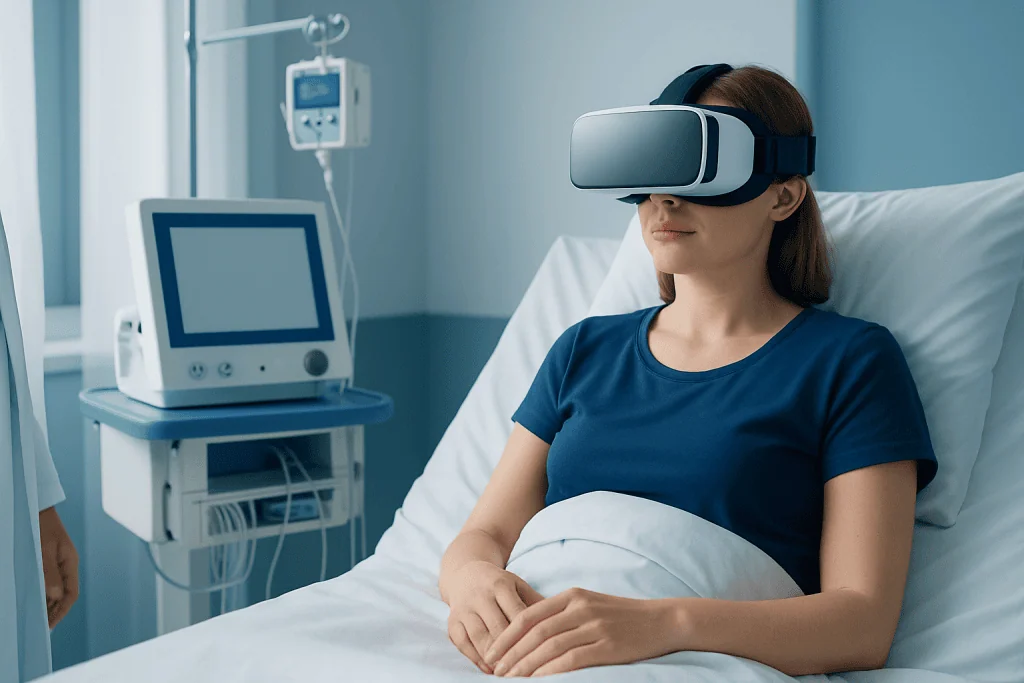
One of the main ways VR may help is through distraction. Immersive environments can capture visual, auditory, and mental attention more strongly than watching a screen or listening to music alone. When attention is directed elsewhere, the brain may give less priority to pain signals for a period of time. This can be especially useful during short procedures.
VR may also reduce anxiety and muscle tension. Pain and fear can amplify each other: feeling worried can make pain feel stronger, and pain can increase worry. A calming, guided VR experience may lower stress and help the body relax. For some people, this can improve pain tolerance and make treatments easier to complete.
In rehabilitation and chronic pain care, some VR programs go beyond distraction. They may include guided breathing, mindfulness, graded movement, education about pain, or game-like exercises that reward safe activity. These approaches may help people rebuild confidence in movement, which is important in conditions where fear of pain leads to avoidance and deconditioning.
Researchers are also interested in how VR may affect body awareness and pain perception. In some settings, changing visual feedback about movement or the body may help retrain pain responses. This area is still developing, but it reflects the modern understanding that pain involves the nervous system as well as the injured or sensitive body part.
Who May Benefit Most
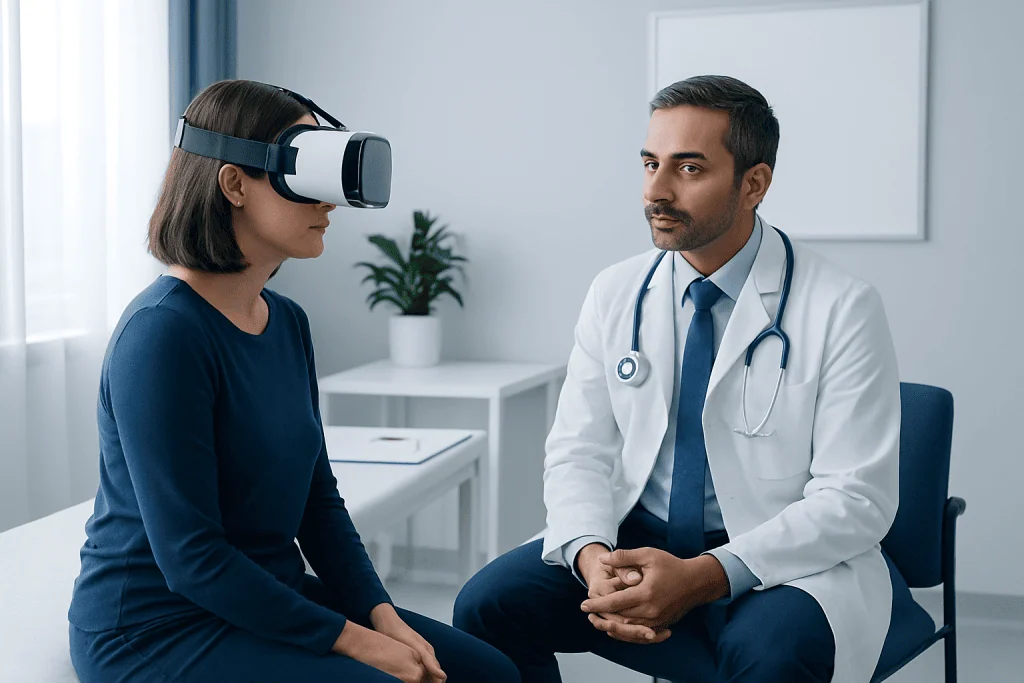
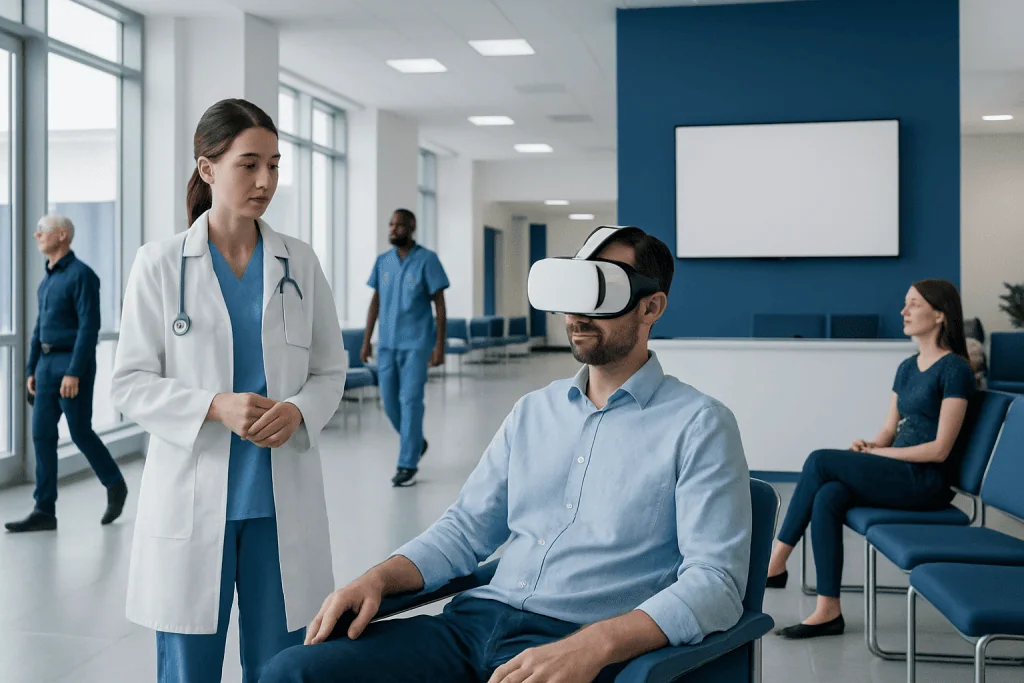
People having painful or stressful medical procedures may benefit from VR, particularly when the procedure is short and the person can wear a headset safely. Examples may include burn dressing changes, infusion-related discomfort, injections, some dental procedures, and pediatric procedures where anxiety and anticipation are high. In these settings, VR may help reduce both pain intensity and emotional distress.
VR may also help people participating in rehabilitation after injury, surgery, or neurological illness. In physical or occupational therapy, immersive exercises can make repetitive movements more engaging and may encourage fuller participation. This can be useful in settings related to physical therapy and rehabilitation when pain, fear, or boredom limit progress.
For chronic pain, potential candidates include people with persistent musculoskeletal pain, some headache disorders, nerve-related pain, or pain linked with stress and avoidance of movement. Examples may include people living with chronic pain or selected cases of fibromyalgia. However, results are not identical for every condition, and the best outcomes are usually seen when VR is part of a structured plan that may also include education, exercise, psychological support, or medication review.
Children and adolescents may respond particularly well because interactive immersive experiences can hold attention effectively. Older adults may also benefit, although comfort, balance, vision, hearing, and familiarity with technology should be considered. A careful assessment helps decide whether VR is practical and appropriate for the individual.
What the Evidence Shows
Evidence is strongest for acute procedural pain and distress. Studies have shown that immersive VR can reduce pain ratings, anxiety, and unpleasantness during certain medical procedures, especially when compared with standard distraction or usual care alone. The effect tends to be most noticeable while the VR session is active, which is why it is often used during treatment rather than as a long-lasting pain cure.
In rehabilitation, the evidence is encouraging. VR-based exercise and movement programs may improve engagement, help people tolerate therapy better, and sometimes improve pain and function. Benefits may be seen in orthopedic recovery, neurological rehabilitation, and persistent musculoskeletal pain. However, study designs vary widely, so results are not always easy to compare.
For chronic pain conditions, research is growing but still evolving. Some trials suggest that VR can reduce pain intensity, pain interference, fear of movement, and stress in selected groups. Programs that combine immersive experiences with behavioral therapy, relaxation, or guided movement may be more helpful than simple distraction alone. Even so, not everyone responds, and long-term benefit beyond the treatment period is still being studied.
Overall, current evidence supports VR as a useful supportive tool rather than a replacement for comprehensive pain care. The quality of the experience, the type of pain, the treatment setting, and the person’s expectations all influence results. Clinicians usually view VR as one option within a broader pain management strategy that may also include pain management and, when needed, neurological rehabilitation.
Limits, Risks, and Who May Need Caution
Although VR is generally well tolerated, it is not ideal for everyone. Some people experience motion sickness, dizziness, eye strain, headache, or nausea during or after use. These symptoms are often mild and short-lived, but they can be bothersome enough to stop a session. Headset fit, visual quality, session length, and the type of virtual environment can all affect comfort.
Extra caution may be needed in people with seizure disorders triggered by flashing lights, severe balance problems, significant visual impairment, or symptoms such as confusion, hallucinations, or severe claustrophobia. People with recent eye surgery or certain facial injuries may also find headsets difficult to use. In these cases, the care team should review risks before treatment.
VR also has practical limits. It may not be helpful if pain is severe enough to require urgent medical treatment, if the person cannot engage with the technology, or if the clinical setting is not appropriate for headset use. It should not delay diagnosis of a new pain problem or replace treatment for an underlying condition that needs medical attention.
Another important limitation is access and standardization. Not all VR systems are medically designed, and not all programs have the same evidence behind them. A health professional can help identify when a clinically supervised VR approach is preferable to a general consumer device or app.
How VR Is Used in a Treatment Plan
When VR is recommended, it is usually tailored to the person’s type of pain, medical setting, and goals. For procedural pain, the aim may be to reduce distress during a short event. For rehabilitation, the goal may be to support movement, improve participation, and reduce fear. For chronic pain, VR may be combined with pacing, relaxation, education, and coping skills.
A typical program starts with screening for suitability and comfort with the equipment. The clinician may choose a calm, guided environment, an interactive game-like task, or a structured therapeutic module. Sessions are often brief at first, especially for people prone to nausea or fatigue, and then adjusted based on response.
VR works best when it fits into a broader care plan. Depending on the condition, this may include exercise, sleep support, stress management, medication review, or specialist evaluation. In people with pain linked to injuries of the spine or joints, clinicians may pair VR with movement-based care such as orthopedic rehabilitation to support recovery and confidence.
Near the end of the assessment process, patients may also ask where they can access multidisciplinary care. Acibadem International’s multidisciplinary specialists and JCI-accredited hospitals diagnose and treat pain-related conditions for international patients, including cases where technology-supported rehabilitation may be considered as part of personalized care.
Self-Care, Questions to Ask, and When to See a Doctor
People interested in VR for pain should discuss it with a qualified doctor, pain specialist, or rehabilitation professional. It can be helpful to ask what type of pain is being treated, what the realistic goal is, how success will be measured, and whether VR will be used alone or together with other therapies. This helps set clear expectations and improves safety.
At home, consumer VR programs may offer relaxation or distraction, but they should be used carefully. Short sessions, seated use, hydration, and stopping if symptoms develop are sensible precautions. A person should avoid using VR while walking, driving, or in situations where balance problems could lead to falls.
Medical review is important if pain is new, severe, worsening, or associated with symptoms such as fever, weakness, numbness, chest pain, unexplained weight loss, or loss of bladder or bowel control. These features may point to an underlying problem that needs timely assessment. Persistent pain that affects sleep, mood, work, or daily life also deserves professional attention.
If a person is already receiving pain treatment but is not improving, it may be time to revisit the diagnosis and treatment plan. VR can be a helpful addition for some individuals, but it is most effective when used thoughtfully, safely, and under guidance that addresses the full picture of pain.
Frequently asked questions
Does virtual reality cure pain?
Virtual reality does not usually cure pain or remove its underlying cause. It is better understood as a tool that may reduce pain intensity, distress, or fear and help people participate more comfortably in treatment. It is most often used alongside standard medical care.
Is VR more useful for sudden pain or long-term pain?
The strongest evidence is for sudden, short-term pain during medical procedures and some rehabilitation sessions. Chronic pain results are promising, but they are more variable and often depend on the design of the program and the person's overall treatment plan. Long-term pain usually needs a broader approach than VR alone.
Can children use virtual reality for pain relief?
Yes, children may benefit from VR in selected settings, especially during procedures that cause fear or discomfort. The experience should be age-appropriate and supervised by trained professionals. Suitability depends on the child's comfort, attention, and medical situation.
Are there side effects from VR pain therapy?
Some people feel dizzy, nauseated, tired, or develop eye strain or headache during or after VR use. These effects are usually mild and temporary, but they can make the session unsuitable for certain individuals. A clinician can help reduce risk by choosing the right program and session length.
Can virtual reality replace pain medicine?
In some situations, VR may reduce the amount of distress or support comfort, but it should not replace prescribed treatment without medical advice. Many people use it as an additional non-drug strategy. Decisions about medication should always be made with a qualified clinician.
Who should avoid VR for pain management?
People with severe motion sickness, certain seizure disorders, major balance problems, or some visual and psychiatric conditions may need caution or may not be good candidates. Recent facial or eye procedures can also make headset use difficult. Screening by a healthcare professional is the safest way to decide.
References
- World Health Organization
- International Association for the Study of Pain
- National Institute for Health and Care Excellence
- Centers for Disease Control and Prevention
- Cochrane
This article is for general information only and is not a substitute for professional medical advice. Please consult a qualified doctor about your individual situation.
Explore treatments in Turkey — costs, top hospitals & a free quote
JCI-accredited · board-certified surgeons · reply within 24h
Add us as a Preferred Source to see more of our trusted health content across Google Search, AI Overviews and Discover.