Menopause or Anxiety? Symptoms That Can Overlap

Menopause and anxiety often overlap, especially during perimenopause. Hot flashes, palpitations, irritability, and poor sleep can occur with either condition.
Key Takeaways
- Menopause and anxiety often overlap, especially during perimenopause.
- Hot flashes, palpitations, irritability, and poor sleep can occur with either condition.
- Timing, menstrual changes, and personal history can offer clues, but symptoms should not be self-diagnosed.
- A doctor may assess hormone-related changes, mental health symptoms, and other medical causes such as thyroid problems.
- Treatment may include lifestyle strategies, counseling, medication, hormone therapy, or a combination based on individual needs.
Menopause and anxiety can feel surprisingly similar because both may cause racing heartbeats, sleep problems, mood changes, and difficulty concentrating. Understanding the pattern of symptoms and getting a medical evaluation can help clarify whether hormonal changes, anxiety, or both are involved.
Overview: Why Menopause and Anxiety Can Feel Similar
Many people notice new physical and emotional symptoms in midlife and wonder whether they are related to menopause, anxiety, or both. This can be confusing because the two often overlap. Changes in hormones during perimenopause and menopause can affect sleep, mood, body temperature, and heart rate. Anxiety can also affect these same systems, producing sensations that feel very similar.
Perimenopause is the transitional stage before menopause, when estrogen and progesterone levels fluctuate. Menopause is confirmed after 12 consecutive months without a menstrual period. During this transition, some people experience hot flashes, night sweats, mood shifts, and brain fog. Others may also develop or notice worsening anxiety symptoms, including persistent worry, restlessness, or sudden episodes of fear.
The key point is that overlapping symptoms do not always have a single cause. A person may be going through menopause and also have an anxiety disorder, stress-related symptoms, or another health issue. A careful medical assessment can help separate these possibilities and guide the right treatment plan.
Symptoms That Can Overlap
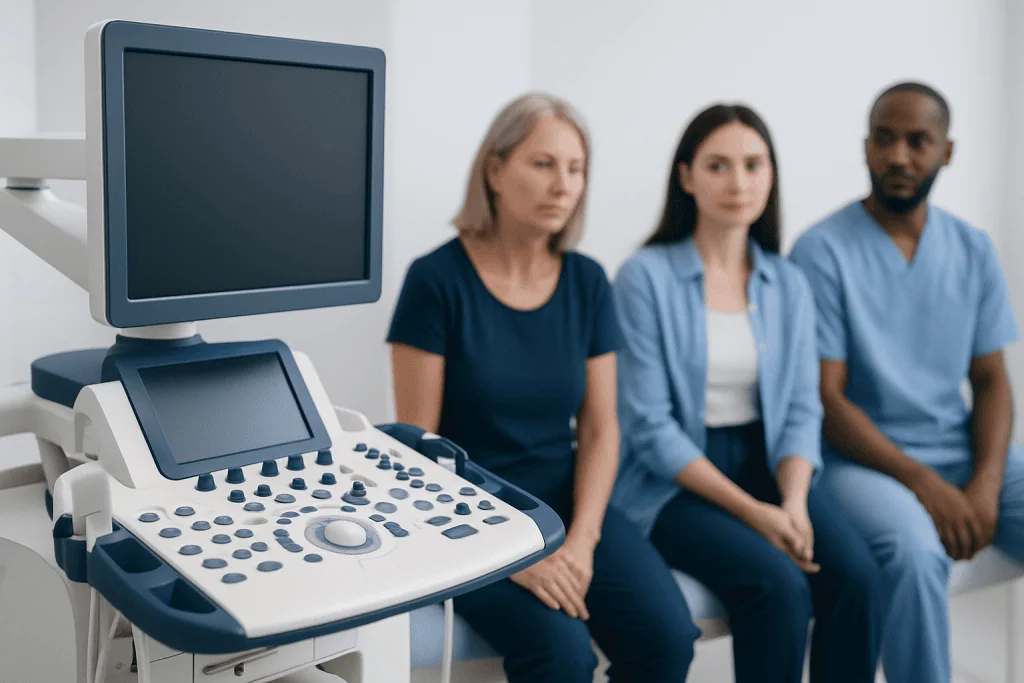
Several symptoms are common to both menopause and anxiety. These shared symptoms can make it difficult to tell what is driving the experience, especially when they come and go. Nighttime symptoms can be particularly confusing because sleep disruption can worsen both hormonal and anxiety-related symptoms the next day.
Symptoms that may overlap include:
- Racing heartbeat or awareness of the heartbeat
- Sweating or feeling suddenly warm
- Sleep problems or waking during the night
- Irritability or feeling emotionally overwhelmed
- Trouble concentrating or “brain fog”
- Fatigue and low energy
- Restlessness or feeling “on edge”
- Dizziness or lightheadedness
Some symptoms may point more strongly in one direction than the other. Hot flashes, night sweats, vaginal dryness, and changes in menstrual timing are more suggestive of the menopausal transition. Constant worry, panic, avoidance behaviors, and physical tension may point more strongly to anxiety. However, there is no perfect dividing line, and many people experience a mix of both.
It is also important to remember that chest discomfort, shortness of breath, or strong palpitations should not automatically be assumed to be anxiety or menopause. These symptoms can sometimes be related to heart, lung, or thyroid conditions and deserve proper evaluation.
Clues That Symptoms May Be Related to Menopause

Symptoms are more likely to be related to menopause when they appear during the typical age range for perimenopause and are accompanied by changes in the menstrual cycle. Periods may become irregular, heavier or lighter than usual, or farther apart before stopping completely. These changes, together with hot flashes and night sweats, can strongly suggest hormonal transition.
Some people notice that symptoms come in waves rather than staying constant. For example, a sudden heat sensation, flushing, sweating, and a pounding heart may happen together and then pass. These episodes can feel alarming and may be mistaken for panic attacks. In many cases, they reflect vasomotor symptoms, especially if they occur along with sleep disturbance and cycle changes.
Other clues include vaginal dryness, discomfort with sex, changes in libido, and worsening symptoms around the time periods become irregular. A doctor may discuss whether symptoms fit the pattern of menopause or the years leading up to it. For some patients, treatment options such as menopause treatment may help reduce symptoms and improve quality of life.
Clues That Symptoms May Be Related to Anxiety
Anxiety may be more likely when the main feature is excessive worry, fear, or a sense of dread that is difficult to control. Symptoms may be triggered by stress, certain situations, or even by noticing body sensations such as a fast heartbeat. Anxiety can also appear without an obvious trigger and may build over time.
Panic attacks are a more intense form of anxiety that can cause sudden pounding heartbeats, sweating, trembling, chest tightness, nausea, and fear of losing control. Because these symptoms can resemble hot flashes or other menopause-related episodes, many people are unsure what they are experiencing. The difference often lies in the emotional component, such as sudden fear, catastrophic thoughts, or avoidance of places or situations where symptoms have happened before.
A personal or family history of anxiety, depression, panic attacks, trauma, or chronic stress can offer useful context. So can daytime patterns. If symptoms are strongest during stressful events, are linked to rumination, or continue even without signs of hormonal change, anxiety may be playing a major role. Sometimes a mental health assessment is as important as a physical exam in sorting this out.
Other Conditions That Can Mimic Both
Not all overlapping symptoms are caused by menopause or anxiety. Several medical conditions can create similar complaints, which is why self-diagnosis is not always reliable. For example, thyroid disorders can lead to palpitations, sweating, nervousness, and sleep disruption. An overactive thyroid can feel especially similar to anxiety.
Low blood sugar, anemia, some heart rhythm problems, medication side effects, caffeine excess, alcohol use, and sleep disorders can also contribute. Depression may overlap as well, especially when fatigue, poor sleep, and concentration problems are prominent. In some cases, clinicians also consider thyroid disease or other hormone-related disorders when symptoms do not fit a typical pattern.
This is one reason doctors often ask about medications, supplements, menstrual history, mental health, and overall health habits. If needed, they may recommend blood tests or heart monitoring. Looking at the whole picture helps avoid missing another treatable cause.
How Doctors Tell the Difference
Diagnosis starts with a detailed conversation rather than a single test. A doctor will usually ask about age, menstrual history, symptom timing, sleep, stress, mood, and whether symptoms come in brief episodes or remain fairly constant. They may also ask about medical history, family history, and the use of caffeine, nicotine, alcohol, or medications that can worsen symptoms.
A physical exam may be followed by targeted tests when needed. Depending on the symptoms, this may include blood tests to check thyroid function, iron levels, blood sugar, or other markers. Menopause is often diagnosed clinically based on age and menstrual changes, rather than with hormone tests alone, because hormone levels can fluctuate widely during perimenopause.
If palpitations, chest symptoms, or fainting are present, a doctor may evaluate heart rhythm or blood pressure. If anxiety is suspected, screening questions may help identify generalized anxiety, panic symptoms, depression, or sleep-related concerns. In some cases, referral for check-up and diagnostics or specialist care can help clarify complex or persistent symptoms.
Treatment Options for Overlapping Symptoms
Treatment depends on the cause, symptom pattern, and how much symptoms are affecting daily life. When menopause-related symptoms are the main issue, options may include lifestyle adjustments, non-hormonal therapies, or hormone therapy when appropriate. Hormone therapy is not right for everyone, so doctors consider personal medical history, symptom severity, and individual risk factors before recommending it.
When anxiety is a major contributor, treatment often includes psychological support, practical stress-management skills, and sometimes medication. Cognitive behavioral therapy can help many people understand how thoughts, body sensations, and behaviors interact. If sleep problems are central, improving sleep habits can reduce both anxiety and menopausal symptoms.
For some patients, combined care works best because hormonal symptoms and anxiety reinforce each other. For example, hot flashes may disturb sleep, poor sleep may worsen irritability and panic sensations, and anxiety may make body symptoms feel more intense. In selected cases, a doctor may suggest psychiatric support or counseling alongside menopause-focused care.
Near the end of the diagnostic process, some people benefit from coordinated care across gynecology, internal medicine, cardiology, or mental health. Acibadem International’s multidisciplinary specialists and JCI-accredited hospitals diagnose and treat these overlapping concerns for international patients when specialist assessment is needed.
Self-Care and When to Seek Medical Advice
Supportive daily habits can ease symptoms regardless of the exact cause. Regular physical activity, a consistent sleep schedule, limiting excess caffeine and alcohol, and practicing relaxation techniques may help reduce palpitations, poor sleep, and irritability. Tracking symptoms in a journal can also be useful. Recording menstrual changes, hot flashes, mood symptoms, and triggers may help a doctor identify patterns.
It can also help to reduce self-blame. Both menopause and anxiety can affect the body in real, physical ways. Symptoms are not “just in the mind,” and they deserve respectful attention. Reaching out early may prevent symptoms from becoming more disruptive over time.
Medical advice is especially important if symptoms are new, severe, or worsening; if they interfere with daily life; or if there is chest pain, fainting, marked shortness of breath, or heavy abnormal bleeding. A doctor should also be consulted if low mood, panic, or worry feels overwhelming, or if symptoms raise concern about another condition such as cardiology evaluation. Prompt assessment can bring reassurance as well as treatment options.
Frequently asked questions
Can menopause cause anxiety symptoms?
Yes. Hormonal fluctuations during perimenopause and menopause can affect sleep, mood, and the body’s stress response, which may increase anxiety symptoms in some people. Menopause does not cause anxiety in everyone, but it can make existing anxiety more noticeable or harder to manage.
How can someone tell the difference between a hot flash and a panic attack?
A hot flash often feels like a sudden wave of heat, flushing, sweating, and sometimes a pounding heartbeat, and it may occur with other menopause symptoms such as night sweats or menstrual changes. A panic attack often includes intense fear, a sense of losing control, or catastrophic thoughts along with physical symptoms. Because they can look similar, a doctor may need to assess the pattern carefully.
Is anxiety common during perimenopause?
It can be. Some people experience new anxiety during perimenopause, while others notice that pre-existing anxiety becomes worse. Sleep disruption, life stress, and hormonal changes may all contribute at the same time.
Do doctors need blood tests to diagnose menopause?
Not always. Menopause is often diagnosed based on age, menstrual history, and symptoms rather than hormone blood tests alone. However, blood tests may be helpful to rule out other causes of similar symptoms, such as thyroid problems or anemia.
What treatments help when both menopause and anxiety are present?
Treatment may include a combination of lifestyle changes, counseling or cognitive behavioral therapy, treatment for sleep problems, medication for anxiety, and menopause-specific treatment when appropriate. The best plan depends on symptoms, overall health, and personal preferences. A clinician can help prioritize which symptoms to treat first.
When should someone seek urgent care instead of assuming symptoms are menopause or anxiety?
Urgent care is important for chest pain, fainting, severe shortness of breath, new neurological symptoms, or palpitations that are prolonged or associated with dizziness. These symptoms can sometimes signal a more serious medical condition. It is safest not to assume they are caused by stress or hormones alone.
References
- World Health Organization
- North American Menopause Society
- National Institute of Mental Health
- American College of Obstetricians and Gynecologists
- National Health Service
This article is for general information only and is not a substitute for professional medical advice. Please consult a qualified doctor about your individual situation.
Heart care in Turkey — expert evaluation and treatment
JCI-accredited · board-certified surgeons · reply within 24h
Add us as a Preferred Source to see more of our trusted health content across Google Search, AI Overviews and Discover.
Check your numbers in seconds
BMI, calories, due date, blood pressure and 30+ more clinical calculators — free, instant, doctor-reviewed ranges.