Posterior Stroke Symptoms: Dizziness, Vision Changes, and Other Easily Missed Signs

Posterior strokes affect the back part of the brain, including areas that control balance, vision, coordination, and vital functions. Common symptoms include sudden dizziness, double vision, unsteady walking, nausea, vomiting, numbness, weakness, or difficulty speaking and swallowing.
Key Takeaways
- Posterior strokes affect the back part of the brain, including areas that control balance, vision, coordination, and vital functions.
- Common symptoms include sudden dizziness, double vision, unsteady walking, nausea, vomiting, numbness, weakness, or difficulty speaking and swallowing.
- These strokes are sometimes missed because they may not cause the classic facial droop or one-sided arm weakness people often associate with stroke.
- Any sudden unexplained neurological symptoms need emergency care, even if they seem mild or come and go.
- Fast diagnosis and treatment can reduce the risk of long-term disability and improve recovery.
Posterior stroke symptoms can be subtle and are sometimes mistaken for less serious problems such as vertigo, migraine, or inner ear conditions. Dizziness, vision changes, imbalance, and sudden trouble speaking or swallowing should always be taken seriously and assessed urgently.
Overview
A posterior stroke happens when blood flow is interrupted in the back part of the brain, called the posterior circulation. This area includes the brainstem, cerebellum, and occipital lobes. These regions help control balance, coordination, vision, alertness, breathing, and many automatic body functions.
Because these functions differ from those controlled by the front of the brain, posterior stroke symptoms can look different from the more familiar signs of stroke. Instead of obvious weakness on one side of the body, a person may suddenly feel severely dizzy, develop double vision, become unsteady, or have trouble swallowing or speaking.
These symptoms are important because posterior strokes can be easily mistaken for conditions such as an inner ear disorder, migraine, dehydration, or low blood pressure. Even so, they are a medical emergency. Recognizing unusual stroke symptoms early can help a person get prompt treatment and improve the chance of recovery.
Symptoms of a Posterior Stroke
Posterior stroke symptoms often begin suddenly. The exact signs depend on the part of the brain affected, but many people notice a rapid change in balance, coordination, or vision. Symptoms may appear alone or in combination, and they can range from subtle to severe.
Common symptoms can include:
- Sudden dizziness or vertigo
- Loss of balance or trouble walking
- Double vision or blurred vision
- Vision loss in part of the visual field
- Nausea and vomiting without a clear cause
- Slurred speech or difficulty speaking clearly
- Difficulty swallowing
- Numbness or weakness of the face, arm, or leg
- Sudden severe headache, sometimes with neck pain
- Confusion, drowsiness, or reduced alertness
Some people have symptoms that come and go, which can falsely reassure them. Temporary improvement does not rule out stroke. A transient episode may still signal a serious problem in the posterior circulation and should be assessed urgently.
Family members may notice that the person looks off balance, cannot focus their eyes, seems unusually nauseated, or has trouble coordinating movements. Any sudden neurological change should be treated as an emergency, especially if there is no clear explanation.
Why These Signs Are Often Missed

Posterior stroke symptoms are often missed because they may not fit the public image of stroke. Many people know to look for facial drooping, arm weakness, and speech difficulty. Those signs are very important, but posterior circulation strokes can present differently, with dizziness, vomiting, visual symptoms, or walking problems being more prominent.
Another reason is that these symptoms overlap with more common and usually less dangerous conditions. Vertigo from an inner ear problem, a migraine with aura, a viral illness, or low blood pressure may cause similar complaints. In some cases, even the person having the stroke may delay seeking help because the symptoms do not seem dramatic.
Posterior strokes can also be harder to identify on a routine exam if weakness is absent. This is why emergency clinicians may need a careful neurological assessment and appropriate imaging when symptoms suggest a possible stroke. Anyone with sudden unexplained dizziness plus other neurological symptoms should be evaluated without delay.
Causes and Risk Factors
A posterior stroke is usually caused by a blocked artery supplying the back of the brain, known as an ischemic stroke. Less commonly, it can happen because of bleeding in the brain, called a hemorrhagic stroke. A blockage may form from a blood clot developing in an artery or a clot traveling from the heart or another blood vessel.
Several risk factors increase the likelihood of stroke in any part of the brain, including the posterior circulation. These include high blood pressure, diabetes, high cholesterol, smoking, atrial fibrillation, heart disease, obesity, physical inactivity, and advancing age. A history of transient ischemic attack, often called a mini-stroke, also raises risk.
In some cases, posterior circulation stroke may be linked to vertebral artery dissection, a tear in the artery wall that can happen after neck injury or sometimes without a clear trigger. Doctors may also investigate clotting disorders or other vascular conditions, especially in younger patients or in those without typical risk factors.
Understanding risk factors matters because many are treatable. Good control of blood pressure, blood sugar, cholesterol, and heart rhythm can lower the risk of another event and support long-term brain and vascular health.
How Posterior Stroke Is Diagnosed
Doctors diagnose posterior stroke by combining the person’s symptoms, neurological examination, and brain and blood vessel imaging. Evaluation usually begins in the emergency department because time-sensitive treatments may be possible. The medical team will ask when symptoms started, whether they came on suddenly, and whether they are improving or worsening.
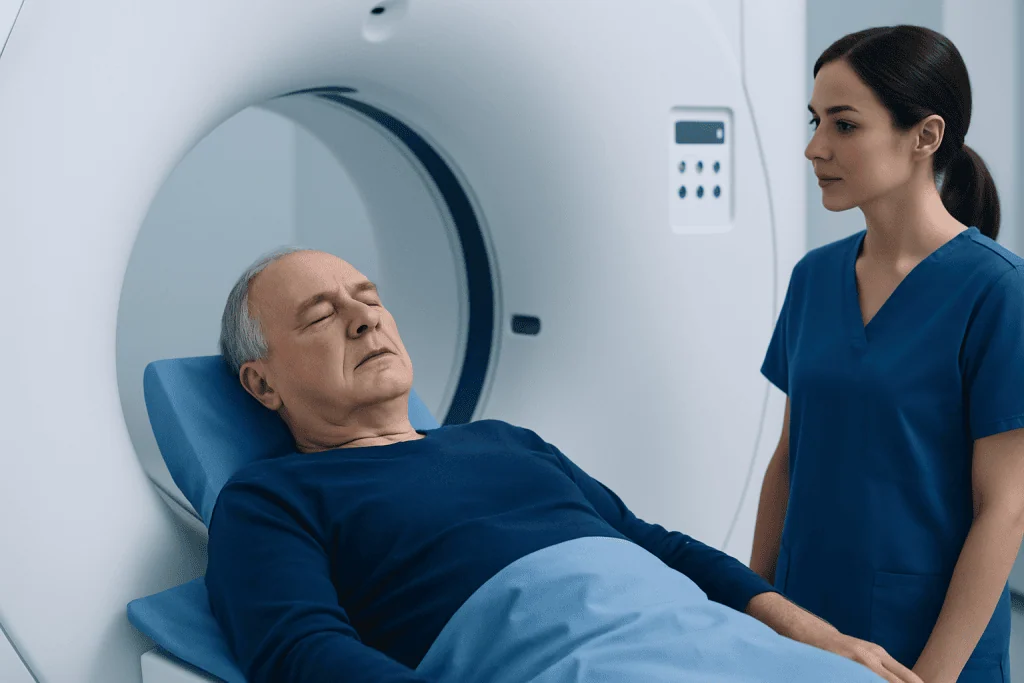
The examination may assess eye movements, speech, swallowing, coordination, balance, sensation, and strength. Imaging tests can include a CT scan, MRI, and vascular imaging such as CT angiography or MR angiography to look at blood flow in the arteries. In some cases, MRI is especially useful when a stroke in the back of the brain is suspected.
Other tests may help identify the cause. These can include an electrocardiogram, heart monitoring, echocardiography, and blood tests. If needed, doctors may also evaluate related issues through advanced imaging and specialist assessment in areas such as neuroradiology or interventional neuroradiology.
Quick diagnosis is essential because some treatments work best within a limited time window. Even if symptoms seem to be improving, urgent evaluation remains important to lower the risk of worsening stroke or recurrence.
Treatment Options
Treatment depends on the type of stroke, how much time has passed since symptoms began, and which blood vessels are involved. For ischemic stroke, the goal is to restore blood flow and protect brain tissue. Some patients may be eligible for clot-busting medicine, while others may need a procedure to remove a clot from a blocked artery.
When a larger vessel is blocked, doctors may consider emergency stroke treatment approaches such as endovascular therapy. This kind of care is delivered by specialized teams who can rapidly assess whether a patient may benefit from time-sensitive intervention. Supportive treatment may also include oxygen if needed, careful blood pressure management, fluids, and monitoring in a stroke unit.
If the stroke is caused by bleeding, treatment focuses on controlling the hemorrhage, reducing pressure in the brain, and managing the underlying cause. Some patients may need neurosurgical evaluation. Ongoing care can also include medicines to lower future stroke risk, such as antiplatelet drugs, anticoagulants for certain heart rhythm problems, cholesterol-lowering therapy, and treatment of high blood pressure or diabetes.
Recovery often continues after the emergency phase. Rehabilitation can help improve balance, walking, swallowing, speech, vision adaptation, and day-to-day function. Depending on symptoms, this may involve neurologists, physiatrists, physical therapists, occupational therapists, and speech therapists, as well as neurological rehabilitation services.
Prevention and Self-Care After a Stroke
Prevention begins with managing stroke risk factors consistently. For many people, the most important steps are controlling blood pressure, stopping smoking, treating diabetes, lowering high cholesterol, maintaining a healthy weight, and staying physically active. If a person has atrial fibrillation or another heart condition, following the treatment plan carefully can be especially important.
Healthy daily habits support recovery and may reduce the chance of another stroke. These include taking prescribed medicines exactly as directed, keeping follow-up appointments, eating a balanced diet, limiting alcohol, and getting enough sleep. A home safety review may also help if balance or vision has been affected.
After a posterior stroke, some symptoms can persist even when outward strength looks normal. Dizziness, visual difficulty, fatigue, and coordination problems may make work, driving, or household tasks harder than expected. Patients and families often benefit from a gradual return to activities and clear guidance from the care team.
Near the end of treatment planning, some people seek care in centers with coordinated neurology, imaging, emergency stroke, and rehabilitation services. Acibadem International’s multidisciplinary specialists and JCI-accredited hospitals diagnose and treat stroke for international patients when this is needed.
When to Seek Emergency Care
A person should seek emergency help immediately for any sudden symptoms that could suggest stroke. This includes new dizziness with inability to walk, double vision, sudden vision loss, slurred speech, trouble swallowing, one-sided weakness or numbness, or unexplained severe headache. It is safer to be evaluated and find another cause than to miss a stroke.
People should not drive themselves if stroke is suspected. Emergency medical services can begin assessment sooner and take the person to the right facility. If symptoms started recently, rapid arrival may allow access to treatments that are only useful within a certain time period.
Even brief or improving symptoms need urgent attention. A short-lived episode may represent a transient ischemic attack or an evolving stroke. Fast action can prevent more serious injury and may reduce the risk of permanent disability.
Frequently asked questions
What is a posterior stroke?
A posterior stroke affects the back part of the brain, including areas that control balance, coordination, vision, and many automatic body functions. It can be caused by a blocked artery or, less commonly, bleeding in the brain.
Can dizziness alone be a sign of stroke?
Dizziness can occur for many reasons, and often it is not caused by stroke. However, sudden severe dizziness, especially when it comes with trouble walking, double vision, slurred speech, weakness, numbness, or severe headache, should be treated as an emergency.
Why are posterior strokes harder to recognize?
Posterior strokes may not cause the classic stroke signs that many people know, such as facial drooping or obvious arm weakness. Instead, they often cause dizziness, nausea, imbalance, or visual changes, which can resemble inner ear problems or migraine.
What vision changes can happen with a posterior stroke?
A person may have double vision, blurred vision, difficulty focusing, or loss of part of the visual field. These changes usually come on suddenly and need urgent medical evaluation, especially if they happen with other neurological symptoms.
How is a posterior stroke treated?
Treatment depends on whether the stroke is caused by a blockage or bleeding and how quickly the person reaches medical care. It may include clot-dissolving medicine, a procedure to remove a clot, careful monitoring, treatment of risk factors, and rehabilitation.
Can someone recover from a posterior stroke?
Many people do improve with timely treatment and rehabilitation, but recovery varies from person to person. Symptoms such as dizziness, balance problems, swallowing difficulty, or visual changes may take time to improve and often benefit from specialist therapy.
References
- World Stroke Organization
- American Stroke Association
- National Institute of Neurological Disorders and Stroke
- Centers for Disease Control and Prevention
- National Health Service
This article is for general information only and is not a substitute for professional medical advice. Please consult a qualified doctor about your individual situation.
Explore treatments in Turkey — costs, top hospitals & a free quote
JCI-accredited · board-certified surgeons · reply within 24h
Add us as a Preferred Source to see more of our trusted health content across Google Search, AI Overviews and Discover.
Check your numbers in seconds
BMI, calories, due date, blood pressure and 30+ more clinical calculators — free, instant, doctor-reviewed ranges.