

Sciatica — Explained by Medical Evidence, Not Myths
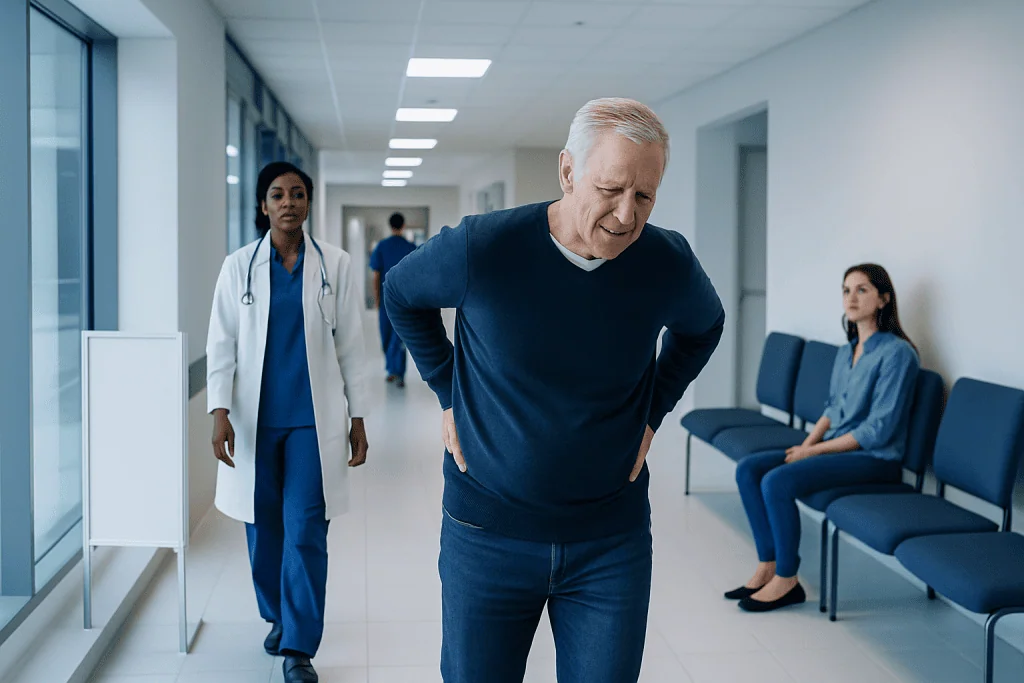
Sciatica describes nerve-related pain that travels from the lower back into the leg. A herniated disc is a common cause, but spinal narrowing, inflammation, and other conditions can also trigger symptoms.
Key Takeaways
- Sciatica describes nerve-related pain that travels from the lower back into the leg.
- A herniated disc is a common cause, but spinal narrowing, inflammation, and other conditions can also trigger symptoms.
- Many cases improve with time, movement, pain control, and structured physical therapy.
- Urgent medical assessment is needed for severe weakness, loss of bladder or bowel control, or numbness in the groin area.
- Imaging is not always needed at first; doctors usually base early decisions on symptoms and examination findings.
Sciatica is pain that radiates along the sciatic nerve, usually from the lower back through the buttock and down one leg. It is a symptom rather than a diagnosis itself, and the most effective care depends on identifying what is irritating the nerve.
Overview: what sciatica really means
Sciatica is a pattern of nerve pain caused by irritation or compression of the sciatic nerve or the nerve roots that form it in the lower spine. People often describe it as a sharp, burning, electric, or shooting pain that starts in the lower back or buttock and travels down the back or side of one leg. In some cases, numbness, tingling, or weakness are more noticeable than pain.
An important medical point is that sciatica is not a disease by itself. It is a symptom pattern that can have several causes, most often a herniated disc in the lower spine. This distinction matters because treatment should address the reason the nerve is irritated, not only the pain.
Many people worry that sciatica always means serious spine damage or that complete bed rest is necessary. Medical evidence does not support these common myths. Most episodes improve over time with conservative care, and gentle activity is usually more helpful than staying in bed for long periods.
Symptoms and how sciatica feels
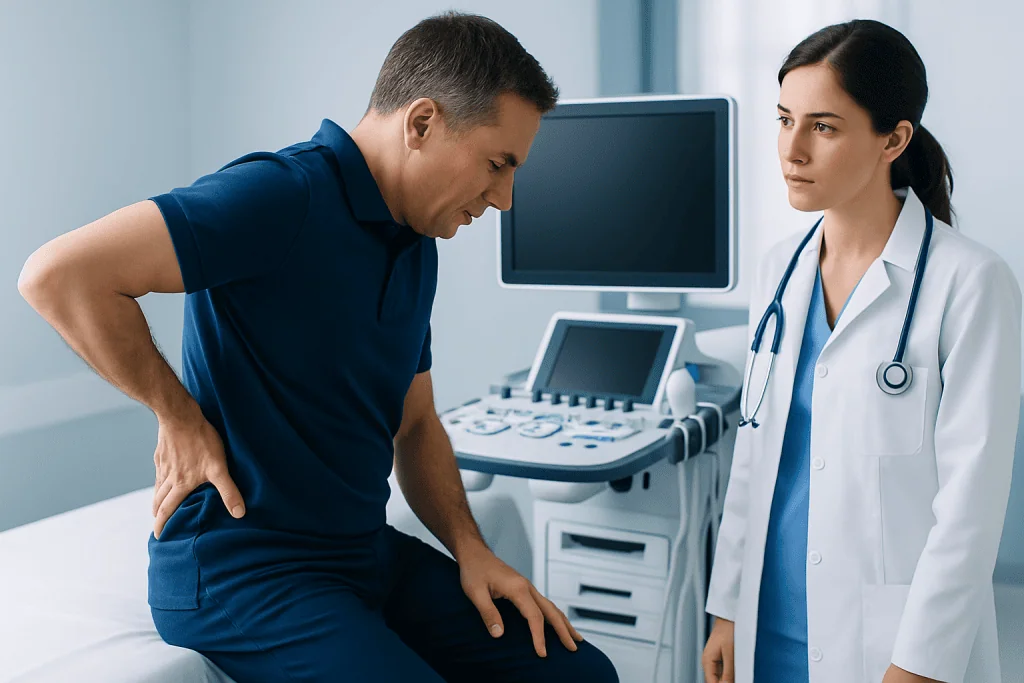
Sciatica usually affects one side of the body. The pain may begin suddenly or gradually and can range from mild to intense. Some people feel discomfort mainly in the buttock, calf, or foot rather than in the back. Sitting, coughing, sneezing, bending, or lifting may make symptoms worse because these actions can increase pressure around the irritated nerve root.
Typical symptoms include:
- Pain that radiates from the lower back or buttock down the leg
- Burning, stabbing, or electric-shock-like sensations
- Numbness or tingling in the leg or foot
- Muscle weakness, such as difficulty lifting the foot or toes
- Pain that is worse with prolonged sitting or certain movements
The exact symptom pattern depends on which nerve root is affected. For example, irritation at one spinal level may cause pain into the outer leg, while another may cause symptoms in the back of the calf or sole of the foot. This is why a physical examination is useful: the distribution of pain, numbness, and weakness can help guide the diagnosis.
Not every case of leg pain is sciatica. Muscle strain, hip problems, circulation issues, and other nerve conditions can cause similar symptoms. A clinician may also distinguish sciatica from broader causes of lower back pain that do not involve the sciatic nerve.
Causes and risk factors
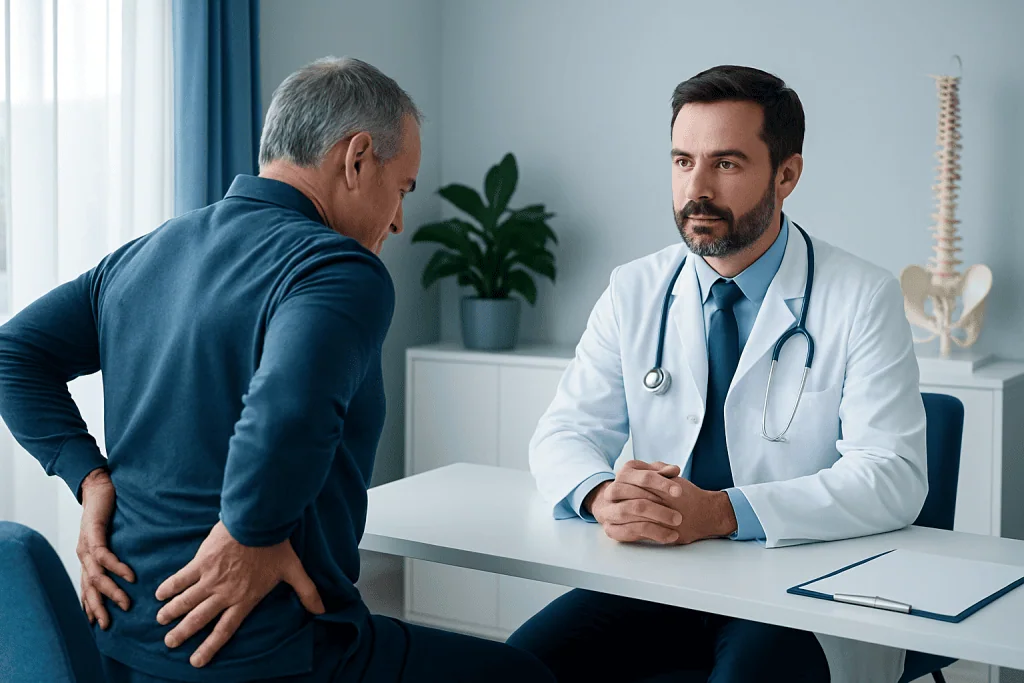
The most common cause of sciatica is a lumbar disc herniation. This happens when part of a spinal disc pushes outward and irritates a nearby nerve root. Other causes include spinal stenosis, which is narrowing of the spaces in the spine; degenerative disc disease; bone spurs; spondylolisthesis, where one vertebra slips over another; and, less commonly, infection, tumor, or trauma.
Pregnancy, prolonged sitting, repetitive lifting, and jobs or sports that strain the lower back can contribute to symptoms in some people. Age also plays a role because discs and joints in the spine naturally change over time. Smoking, obesity, low physical fitness, and poorly controlled diabetes may increase the risk of spine problems or nerve irritation.
Sometimes symptoms come from inflammation around the nerve rather than strong compression alone. This helps explain why pain can be significant even when imaging findings seem modest. It also explains why treatment often combines movement, anti-inflammatory strategies, and rehabilitation rather than relying on one approach only.
In a smaller number of patients, doctors may look for related spinal conditions such as a herniated disc or narrowing around the spinal canal. Identifying the underlying cause helps determine whether treatment should focus on rehabilitation, pain procedures, or, in selected cases, surgery.
How doctors diagnose sciatica
Diagnosis begins with a conversation about symptoms: when they started, where the pain travels, what makes it better or worse, and whether there is any weakness, numbness, fever, weight loss, or recent injury. The physical examination often includes checking strength, reflexes, sensation, posture, walking, and how certain leg movements reproduce symptoms.
Doctors do not always need imaging right away. If symptoms are typical and there are no warning signs, early treatment may start without scans. This approach is based on evidence that many cases improve within weeks and that imaging can show age-related spine changes that are not necessarily the source of pain.
Imaging may be recommended if symptoms are severe, persistent, worsening, or associated with neurological deficits or other red flags. MRI is commonly used because it shows discs, nerves, and soft tissues well. In some situations, CT, X-rays, or nerve studies such as electromyography may be helpful to clarify the cause or rule out other conditions.
When a more detailed spinal assessment is needed, evaluation may include MRI imaging to look for disc herniation, stenosis, or other structural causes. The goal is not simply to “find something” on a scan, but to match imaging findings with the person’s actual symptoms and examination results.
Treatment options based on medical evidence
The best treatment for sciatica depends on severity, duration, and cause. For many people, first-line care includes staying as active as possible, avoiding movements that sharply worsen pain, and using short-term pain relief strategies recommended by a doctor. Walking, position changes, and guided stretching may help more than prolonged bed rest.
Physical therapy is often an important part of recovery. A therapist may focus on posture, mobility, core strength, nerve-friendly movement patterns, and a gradual return to normal activities. A structured rehabilitation plan can also reduce fear of movement, which often becomes part of ongoing pain.
Medication may be used for symptom control, but the choice should be individualized. Depending on the person and the cause, a clinician may consider over-the-counter pain relievers, anti-inflammatory medicines, or other options. If pain remains significant, some patients may benefit from image-guided procedures such as epidural steroid injection to reduce inflammation around the affected nerve root.
Surgery is usually reserved for selected cases, such as persistent disabling pain that does not improve with conservative care, progressive neurological weakness, or emergencies like cauda equina syndrome. When a disc herniation is clearly responsible and symptoms are severe or prolonged, procedures such as microdiscectomy may be considered. For patients with spinal canal narrowing, specialists may also evaluate whether spine surgery is appropriate. Decisions about procedures should be made with a spine specialist after careful review of symptoms, examination, and imaging.
Self-care, recovery, and prevention
Recovery from sciatica often happens gradually rather than all at once. During recovery, it can help to pace activities, change position regularly, and use supportive body mechanics for lifting, bending, and sitting. Long periods of sitting may aggravate symptoms, so brief movement breaks are often useful.
General prevention focuses on spine health and overall conditioning rather than one “perfect” exercise. Helpful habits may include regular physical activity, strengthening the core and hip muscles, maintaining a healthy weight, and using safe lifting techniques. For people who work at a desk, attention to chair support, screen height, and posture can reduce strain.
Smoking cessation is also relevant because smoking can affect disc health and circulation. Good sleep habits, stress management, and gradual return to routine activity can support recovery as well. While home remedies may ease symptoms, self-treatment should not replace medical evaluation when pain is severe, lasts more than expected, or includes weakness or sensory loss.
If symptoms keep returning, doctors may look more closely for an underlying mechanical spine issue, recurrent disc disease, or patterns related to work, sport, or daily posture. Near the end of the care pathway, some international patients choose evaluation at centers such as Acibadem International, where multidisciplinary specialists in JCI-accredited hospitals diagnose and treat spine and nerve-related conditions.
When to seek medical care
Many cases of sciatica can be assessed in a routine medical visit, especially if the pain is bothersome, recurrent, or not improving after a short period of self-care. A doctor should also evaluate symptoms if they interfere with sleep, walking, work, or daily life, or if there is increasing numbness or weakness in the leg.
Urgent medical care is important if sciatica is accompanied by any warning signs. These include new bladder or bowel control problems, numbness in the groin or saddle area, rapidly worsening leg weakness, severe symptoms after a fall or accident, fever, unexplained weight loss, or a history that raises concern for infection or cancer. These signs do not always mean a serious emergency, but they should be checked promptly.
Prompt evaluation is also sensible when pain affects both legs, when there is significant foot drop, or when symptoms continue despite appropriate treatment. Early review can help prevent unnecessary suffering and identify the small number of people who may need targeted procedures or surgical care.
Frequently asked questions
Does sciatica go away on its own?
In many people, sciatica improves over time with conservative care such as staying active, modifying painful activities, and following a guided exercise plan. Recovery may take days to weeks, and some cases last longer depending on the cause.
Is sciatica the same as lower back pain?
No. Sciatica is a specific type of nerve-related pain that radiates from the lower back or buttock into the leg. Lower back pain can happen without sciatic nerve involvement.
Should a person with sciatica stay in bed?
Prolonged bed rest is usually not recommended. Gentle movement and a gradual return to normal activity are generally more helpful, unless a doctor advises temporary rest for a specific reason.
When is imaging needed for sciatica?
Imaging is often considered if symptoms are severe, persistent, worsening, or associated with weakness or other warning signs. MRI is commonly used because it shows the spinal discs and nerves in detail.
Can exercise make sciatica worse?
Some movements can temporarily aggravate symptoms, especially early on, but appropriate exercise is usually part of recovery. A clinician or physical therapist can suggest safer activities based on the cause and severity of symptoms.
When might surgery be considered for sciatica?
Surgery may be considered when there is progressive weakness, severe ongoing pain that does not respond to conservative care, or an urgent condition such as cauda equina syndrome. The decision depends on symptoms, examination findings, and imaging results together.
References
- National Institute of Neurological Disorders and Stroke
- National Institute for Health and Care Excellence
- American Academy of Orthopaedic Surgeons
- North American Spine Society
- MedlinePlus
This article is for general information only and is not a substitute for professional medical advice. Please consult a qualified doctor about your individual situation.
Joint and spine care in Turkey — expert assessment & treatment
JCI-accredited · board-certified surgeons · reply within 24h
Add us as a Preferred Source to see more of our trusted health content across Google Search, AI Overviews and Discover.

More from the Health Library



Related Specialists

Dr. Funda Tekkeşin
Pediatric Hematology
Dt. Akif Aydın Şen
Oral & Dental Health
Dr. Fatma Erbay Apaydın
Infectious Diseases & Clinical Microbiology
Dr. Ayten Güner Akbıyık
Thoracic Surgery