Stroke Symptoms: Possible Causes and When to Seek Care
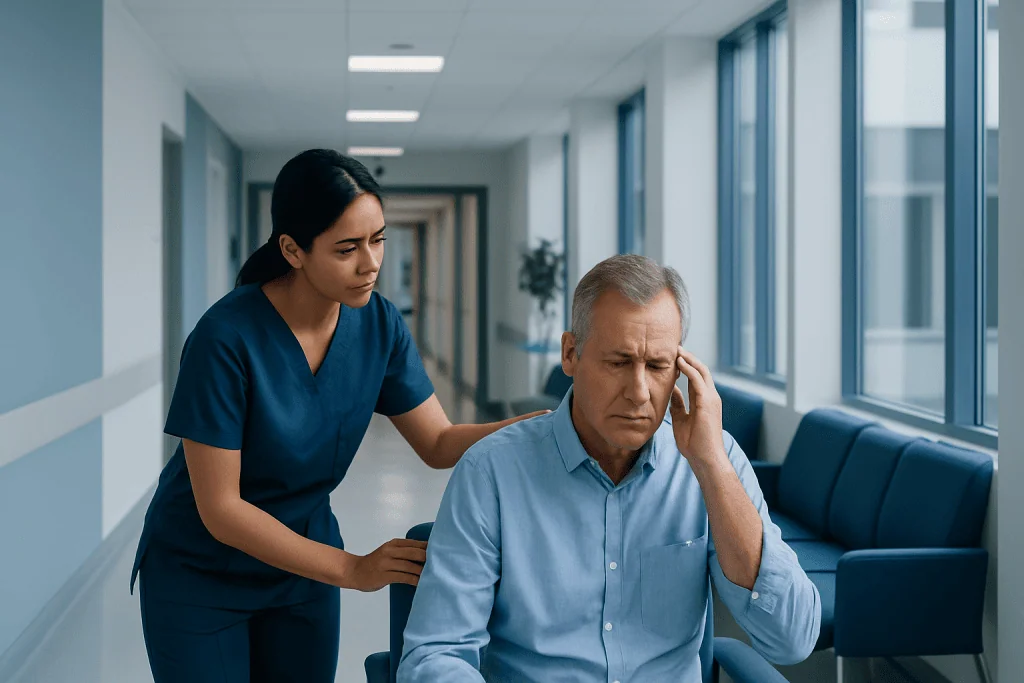
Stroke symptoms often appear suddenly and should always be treated as a medical emergency. Face drooping, arm weakness, and speech trouble are key warning signs to recognize quickly.
Key Takeaways
- Stroke symptoms often appear suddenly and should always be treated as a medical emergency.
- Face drooping, arm weakness, and speech trouble are key warning signs to recognize quickly.
- Some symptoms may be brief, but even short-lived symptoms can signal a transient ischemic attack or stroke risk.
- Fast diagnosis and treatment can help limit brain injury and improve recovery.
- Anyone with sudden neurological symptoms should seek emergency care immediately rather than waiting to see if they pass.
Stroke symptoms usually begin suddenly and need emergency medical care right away. Common warning signs include face drooping, arm weakness, speech difficulty, sudden vision changes, severe dizziness, or a sudden severe headache.
Overview: what stroke symptoms can mean
Stroke symptoms are sudden changes in brain function caused by a problem with blood flow to part of the brain. In most cases, this happens when a blood vessel is blocked by a clot (ischemic stroke) or when a blood vessel ruptures and bleeds (hemorrhagic stroke). Because brain cells can be injured within minutes, any possible stroke symptom should be treated as an emergency.
The most important clue is how quickly symptoms start. A person may seem well one moment and then suddenly develop weakness, numbness, trouble speaking, confusion, vision loss, imbalance, or a severe headache. Symptoms may affect one side of the body more than the other, but this is not always the case.
Some stroke symptoms last only a few minutes and then improve. This can happen with a transient ischemic attack, sometimes called a mini stroke. Even when symptoms go away, urgent medical assessment is still necessary because a transient ischemic attack can be an early warning of a future stroke. Readers looking for background on stroke or transient ischemic attack should know that both require prompt evaluation.
Common stroke symptoms to recognize quickly
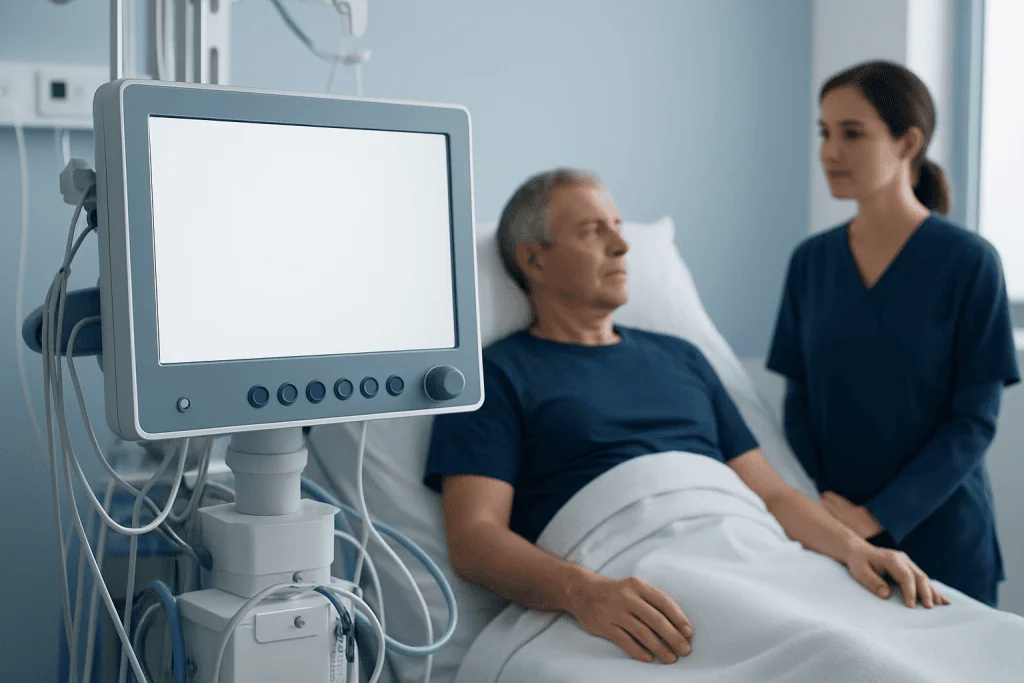
The easiest stroke check to remember is FAST: Face drooping, Arm weakness, Speech difficulty, Time to call emergency services. A smile that looks uneven, one arm that drifts downward, or slurred or hard-to-understand speech can all be important warning signs. These symptoms may come on abruptly and may or may not be painful.
Stroke symptoms are not limited to FAST signs. A person may also have sudden numbness or weakness in the face, arm, or leg, often on one side of the body. Others develop sudden confusion, difficulty understanding language, or trouble finding words. Family members may notice that the person sounds different, appears disoriented, or cannot follow simple instructions.
Vision and balance changes are also common. Sudden blurred vision, double vision, or loss of vision in one or both eyes can occur. Some people experience sudden trouble walking, dizziness, loss of coordination, or a sense that the room is spinning. A sudden severe headache, especially when unlike previous headaches, can be a symptom of bleeding in or around the brain.
- Face drooping or uneven smile
- Weakness or numbness in an arm or leg
- Slurred speech or trouble understanding speech
- Sudden confusion
- Vision loss, double vision, or blurred vision
- Loss of balance, dizziness, or difficulty walking
- Sudden severe headache
Why symptoms can look different from person to person
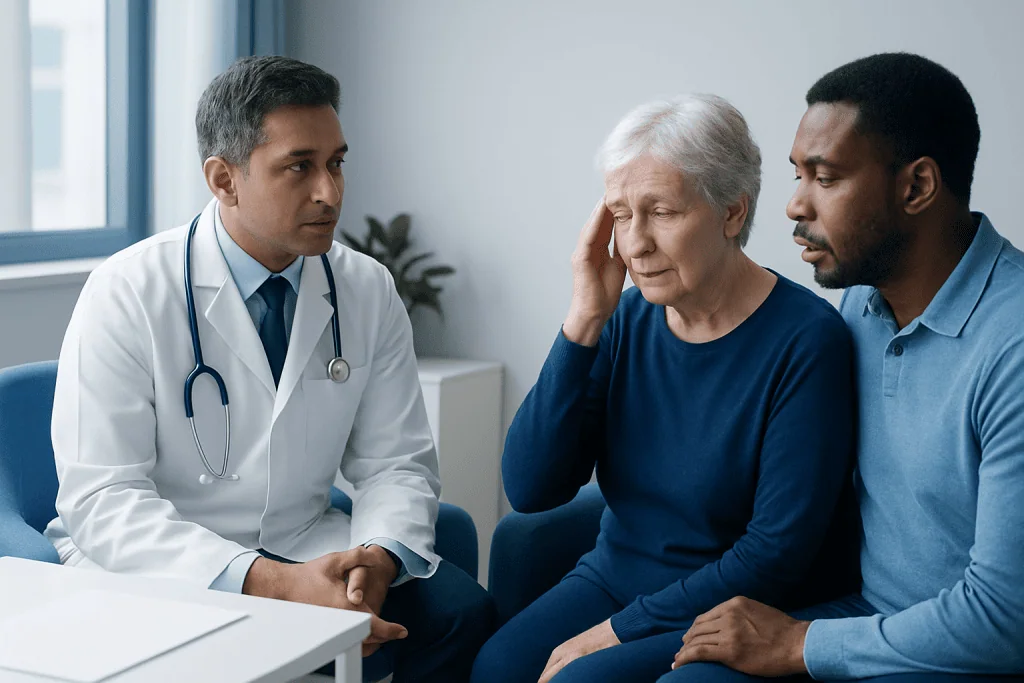
Stroke symptoms vary because different areas of the brain control different functions. If the stroke affects language centers, speech and understanding may be most noticeable. If it affects the back of the brain, visual symptoms may be more prominent. If it affects the cerebellum or brainstem, dizziness, imbalance, swallowing difficulty, or double vision may be the first signs.
Symptoms may also differ depending on whether the stroke is ischemic or hemorrhagic, although this distinction cannot be made reliably at home. Hemorrhagic strokes are more likely to cause a sudden severe headache, vomiting, or reduced consciousness, but ischemic strokes can also be serious without causing pain. For this reason, people should not try to judge the stroke type based on symptoms alone.
Age and other medical conditions can make recognition harder. Older adults may present with confusion or sudden decline in function. In some cases, symptoms are subtle at first, such as clumsiness in one hand, mild facial asymmetry, or a brief episode of speech trouble. Any sudden neurological change deserves attention, even if it seems mild.
Possible causes and risk factors behind stroke symptoms
Stroke symptoms happen when the brain is deprived of normal blood supply or when bleeding disrupts brain tissue. Ischemic strokes are often linked to blood clots that form in narrowed arteries or travel from the heart. Hemorrhagic strokes can occur when a weakened blood vessel ruptures. A transient ischemic attack causes temporary symptoms because blood flow is briefly reduced and then restored.
Several health conditions raise stroke risk. High blood pressure is one of the most important because it can damage blood vessels over time and increase the chance of both clotting and bleeding. Other risk factors include atrial fibrillation and other heart rhythm problems, diabetes, high cholesterol, smoking, obesity, kidney disease, and prior stroke or transient ischemic attack.
Lifestyle and family history can also play a role. Physical inactivity, excess alcohol use, and an unhealthy diet may contribute to vascular disease. Some people have inherited tendencies toward cardiovascular disease or blood vessel problems. In selected cases, doctors may investigate structural blood vessel abnormalities and discuss procedures such as carotid endarterectomy or cerebral angiography if a specialist believes they are appropriate.
How doctors diagnose the cause of stroke symptoms
When stroke symptoms are suspected, doctors first focus on time, safety, and brain imaging. The person is asked when symptoms started or when they were last seen well. This timing matters because some treatments are only possible within specific time windows. Medical teams also check breathing, blood pressure, blood sugar, and neurological function right away.
Brain imaging helps distinguish a blocked vessel from bleeding. A CT scan is commonly used in the emergency setting because it is fast and widely available. MRI may provide more detail in some cases. Blood tests, heart rhythm monitoring, and vascular imaging may be used to identify what caused the event and how best to prevent another one.
Further evaluation may include imaging of the neck and brain blood vessels, heart ultrasound, and monitoring for rhythm disturbances such as atrial fibrillation. In certain situations, specialist teams in interventional neuroradiology may evaluate whether minimally invasive treatment is needed. The goal is not only to confirm stroke but also to find the underlying cause so long-term prevention can be tailored.
Treatment options and why fast action matters
Stroke treatment depends on the cause, the part of the brain involved, the severity of symptoms, and how much time has passed since onset. For ischemic stroke, treatment may include medicines that dissolve a clot in carefully selected patients, or catheter-based procedures to remove a clot from a large artery. For hemorrhagic stroke, treatment focuses on controlling bleeding, managing pressure in the brain, and addressing the damaged blood vessel when needed.
Early treatment can limit brain injury, improve the chances of recovery, and reduce disability. Even if symptoms begin to improve on their own, evaluation should not be delayed. Some people feel tempted to rest, wait, or drive themselves to care, but emergency services are the safest option because symptoms can worsen quickly and treatment decisions may be time-sensitive.
After emergency treatment, recovery planning becomes important. This may involve medicines to reduce future stroke risk, management of blood pressure and cholesterol, and support from physiotherapy, speech therapy, or occupational therapy. Depending on the cause, teams specializing in stroke rehabilitation may help patients regain function and adapt to any lasting effects.
Prevention and self-care after warning signs or diagnosis
The best way to reduce the chance of future stroke symptoms is to address controllable risk factors. Blood pressure control is especially important. Doctors may also advise treatment for diabetes, cholesterol disorders, heart rhythm problems, or sleep-related breathing disorders. Stopping smoking and limiting alcohol are key prevention steps.
Daily habits matter over time. Regular physical activity, a balanced eating pattern rich in vegetables, fruits, whole grains, and healthy fats, and maintaining a healthy weight can support vascular health. Medicines should be taken exactly as prescribed, especially those used to prevent clotting or manage blood pressure. Patients should not stop these medicines without medical advice.
People who have already had a transient ischemic attack or stroke benefit from a clear action plan. That may include knowing which symptoms require emergency care, attending follow-up visits, and asking about rehabilitation or specialist review if weakness, speech difficulty, or memory changes continue. Near the end of the care pathway, Acibadem International’s multidisciplinary specialists and JCI-accredited hospitals diagnose and treat stroke-related conditions for international patients when advanced evaluation is needed.
When to seek medical care
Emergency medical care is needed immediately for any sudden possible stroke symptom, even if the symptom is mild or goes away. This includes sudden face drooping, arm or leg weakness, numbness, slurred speech, confusion, vision loss, severe dizziness, trouble walking, or a sudden severe headache. It is safer to assume it could be a stroke than to wait for certainty.
People should call emergency services rather than drive themselves if possible. It can help to note the exact time symptoms began or the last time the person was known to be normal. That information may affect treatment options in the emergency department.
Non-emergency follow-up is still important after any brief neurological episode that has already resolved, because transient symptoms can be a warning sign of a future stroke. A doctor should also review ongoing risk factors such as high blood pressure, diabetes, atrial fibrillation, or recurrent episodes of dizziness or weakness. Prompt assessment can help prevent another event.
Frequently asked questions
What are the first signs of a stroke?
The first signs are often sudden face drooping, arm weakness, and speech difficulty. Other early symptoms can include sudden confusion, vision changes, dizziness, or a severe headache. Any of these symptoms should be treated as an emergency.
Can stroke symptoms go away on their own?
Yes, some symptoms may improve or disappear, especially during a transient ischemic attack. Even so, urgent medical care is still needed because this can be a warning sign of a more serious stroke to come. Symptoms that resolve should never be ignored.
How can someone tell the difference between a stroke and something less serious?
It is not always possible to tell at home. Sudden neurological symptoms such as one-sided weakness, speech trouble, or sudden vision loss should be treated as stroke until a doctor proves otherwise. Emergency evaluation is the safest approach.
Do all strokes cause a headache?
No. Many strokes, especially ischemic strokes, do not cause a headache. However, a sudden severe headache can occur, particularly with bleeding in the brain, and should be assessed urgently.
Are mini stroke symptoms different from regular stroke symptoms?
Mini stroke symptoms are usually similar to stroke symptoms, such as weakness, numbness, or speech difficulty. The main difference is that they are temporary and may fully resolve within a short time. Even if symptoms disappear, the person still needs urgent medical evaluation.
What should someone do if they think another person is having a stroke?
They should call emergency services immediately and note when symptoms started. The person should not be given food, drink, or medication unless a medical professional advises it. Staying calm and getting urgent help quickly is the most important step.
References
- American Stroke Association
- National Institute of Neurological Disorders and Stroke
- Centers for Disease Control and Prevention
- World Stroke Organization
- National Health Service
This article is for general information only and is not a substitute for professional medical advice. Please consult a qualified doctor about your individual situation.
Explore treatments in Turkey — costs, top hospitals & a free quote
JCI-accredited · board-certified surgeons · reply within 24h
Add us as a Preferred Source to see more of our trusted health content across Google Search, AI Overviews and Discover.
Check your numbers in seconds
BMI, calories, due date, blood pressure and 30+ more clinical calculators — free, instant, doctor-reviewed ranges.