Blood in Stool: A Complete Medical Overview

Blood in stool may appear bright red, dark red, maroon, or black depending on where the bleeding starts. Common causes include hemorrhoids, anal fissures, diverticular disease, infection, inflammatory bowel disease, and ulcers.
Key Takeaways
- Blood in stool may appear bright red, dark red, maroon, or black depending on where the bleeding starts.
- Common causes include hemorrhoids, anal fissures, diverticular disease, infection, inflammatory bowel disease, and ulcers.
- A doctor may recommend stool tests, blood tests, endoscopy, colonoscopy, or imaging to find the source.
- Urgent care is needed if blood in stool is heavy, recurrent, accompanied by dizziness, fainting, severe pain, or black tarry stools.
- Treatment depends on the cause and may range from dietary changes to medicines, endoscopic therapy, or surgery.
Blood in stool is a symptom, not a diagnosis. It may result from a minor problem such as hemorrhoids, but it can also signal inflammation, infection, bleeding in the digestive tract, or, less commonly, colorectal cancer, so medical assessment is important.
Overview: What Blood in Stool Means
Blood in stool means there is bleeding somewhere in the digestive tract, from the esophagus and stomach down to the colon, rectum, or anus. The blood may be seen on toilet paper, mixed with stool, coating the stool, or making stool look black and tarry. Although some causes are mild and temporary, blood in stool should not be ignored because the appearance alone cannot reliably identify the source.
The color can offer clues. Bright red blood often comes from the lower bowel, rectum, or anus. Dark red or maroon blood may suggest bleeding higher in the colon or small intestine. Black, sticky, tar-like stool can point to bleeding from the stomach or upper digestive tract, where blood has been partly digested before passing out of the body.
Blood in stool is a symptom rather than a disease itself. A careful medical evaluation helps determine whether the cause is local irritation, infection, inflammation, a structural problem such as polyps, or a condition needing prompt treatment. The same symptom can occur in both younger and older adults, but the likely causes may differ depending on age, medical history, medicines, and associated symptoms.
How It Can Look and What Symptoms May Happen Alongside It
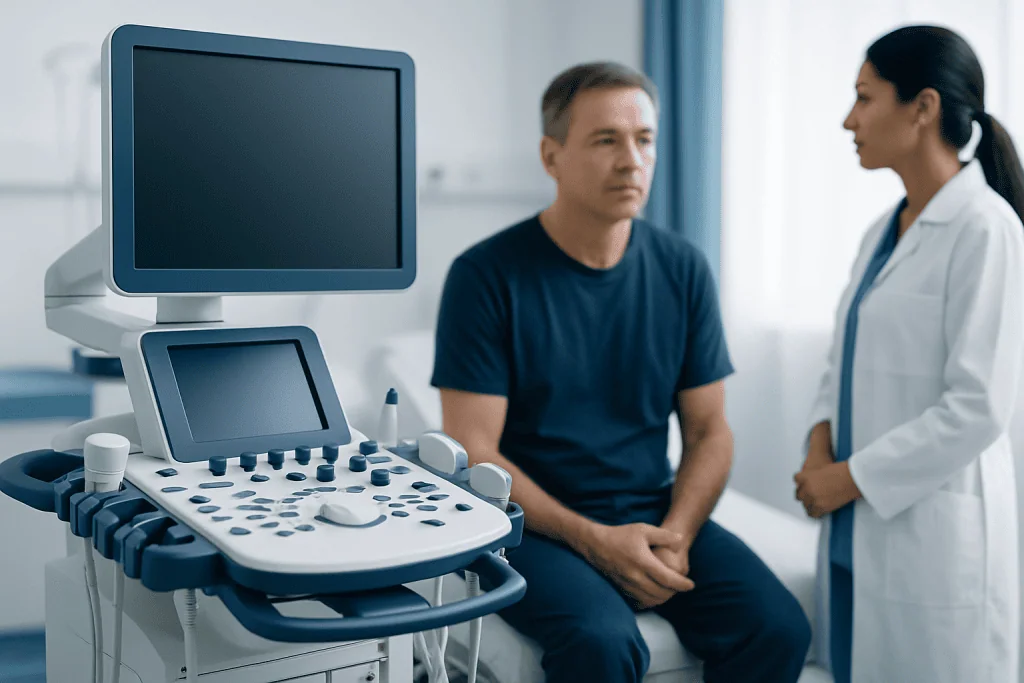
People describe blood in stool in different ways. Some notice a few drops of bright red blood in the toilet bowl or on wiping. Others see red streaks on the stool, a darker maroon color, or black stools with a shiny, sticky appearance. In some cases, bleeding is not visible and is only found through a stool test that checks for hidden blood.
Other symptoms can help guide the evaluation. Rectal pain or itching may suggest hemorrhoids or an anal fissure. Diarrhea, fever, mucus in stool, or abdominal cramping may point toward infection or inflammatory bowel disease. Unintended weight loss, fatigue, or a change in bowel habits that lasts more than a few weeks can raise concern for more serious conditions and should be assessed by a doctor.
Large-volume bleeding may cause weakness, dizziness, rapid heartbeat, shortness of breath, or fainting because of blood loss. Some people also develop anemia over time if bleeding is slow but persistent. Even when symptoms seem mild, recurrent blood in stool deserves medical attention so that important causes are not missed.
Common Causes and Risk Factors

Several common conditions can cause blood in stool. Hemorrhoids are swollen veins in the rectum or anus and often cause bright red bleeding, especially during bowel movements. Anal fissures are small tears in the lining of the anus that can cause sharp pain and streaks of red blood. Constipation and straining may contribute to both of these problems.
Bleeding may also come from conditions inside the bowel. These include diverticular disease, colorectal polyps, inflammatory bowel disease, infectious colitis, ischemic colitis, and bleeding from abnormal blood vessels. Stomach ulcers, gastritis, and esophageal problems can lead to black stool if the source is higher up in the digestive system. In some people, blood thinners, aspirin, and nonsteroidal anti-inflammatory drugs can increase the chance of gastrointestinal bleeding.
Less commonly, blood in stool can be a sign of cancer, especially in older adults or in people with risk factors such as a family history of colorectal cancer, a personal history of polyps, smoking, heavy alcohol use, long-standing inflammatory bowel disease, or inherited cancer syndromes. A doctor may consider conditions such as colon cancer in the right clinical setting, while also remembering that many cases have non-cancerous explanations.
- Common lower-tract causes: hemorrhoids, anal fissures, diverticulosis, colitis, polyps
- Common upper-tract causes: ulcers, gastritis, esophageal irritation or tears
- Risk factors: age over routine screening thresholds, blood-thinning medicines, chronic constipation, family history, inflammatory bowel disease
How Doctors Diagnose the Source
Diagnosis begins with a detailed history and physical examination. A doctor will ask about the color and amount of blood, how often it happens, bowel habit changes, abdominal pain, fever, weight loss, medicine use, and family history. The pattern matters: for example, bright red blood on tissue may suggest a local anorectal cause, while black stool often needs evaluation for upper gastrointestinal bleeding.
Tests depend on the situation. Blood tests may check for anemia or infection. Stool tests may look for hidden blood, infection, or inflammatory markers. A rectal examination can help identify hemorrhoids, fissures, or other local findings. If the source is not clear, direct visualization is often the most useful next step.
Procedures such as colonoscopy can examine the colon and rectum, detect polyps, inflammation, diverticular bleeding, or tumors, and sometimes treat bleeding at the same time. When bleeding may come from the upper digestive tract, a doctor may recommend endoscopy to inspect the esophagus, stomach, and first part of the small intestine. Imaging studies can also be used in selected cases, especially if bleeding is ongoing or difficult to localize.
Treatment Options Depend on the Cause
Treatment for blood in stool is guided by the source of bleeding, its severity, and the person’s overall health. Minor bleeding from hemorrhoids or fissures may improve with softer stools, increased fiber, hydration, and local care. Infections may need specific treatment depending on the organism involved, while inflammatory conditions often require medicines to reduce irritation and control symptoms.
If tests identify polyps, a doctor may remove them during colonoscopy. Ulcers may be treated with acid-reducing medicines and, when appropriate, treatment for Helicobacter pylori infection. Some bleeding points can be controlled during endoscopy or colonoscopy using clips, heat, injections, or other techniques. When a structural problem is found, management may include consultation with specialists in gastroenterology.
Surgery is not needed for most people, but it may be considered for persistent, severe, or recurrent bleeding, large polyps, complications of diverticular disease, or cancer. If hemorrhoids are the cause and symptoms do not improve with conservative care, office-based procedures or surgery may be discussed. Near the end of the care pathway, some patients may benefit from multidisciplinary evaluation; Acibadem International’s specialists in JCI-accredited hospitals diagnose and treat digestive conditions for international patients when advanced assessment is needed.
Self-Care, Prevention, and Daily Habits That Help
Not every cause of blood in stool can be prevented, but everyday habits can reduce the risk of some common triggers. A fiber-rich eating pattern can help support regular bowel movements and reduce straining. Drinking enough fluids and staying physically active may also lower the chance of constipation, which can worsen hemorrhoids and fissures.
It is sensible to use pain relievers carefully, especially nonsteroidal anti-inflammatory drugs, because they may irritate the stomach and increase bleeding risk in some people. Anyone taking blood thinners should not stop them without medical advice, but should tell a doctor promptly if blood in stool occurs. Limiting smoking and heavy alcohol use can also support digestive health.
Routine colorectal cancer screening is an important preventive step for many adults, even when there are no symptoms. Screening can identify polyps before they become cancerous and can detect cancer earlier, when treatment is more effective. A doctor can advise which test is most appropriate based on age, symptoms, personal history, and family history.
When to Seek Medical Care
Any new, unexplained blood in stool should be discussed with a doctor, especially if it happens more than once. Prompt assessment is particularly important if there is abdominal pain, diarrhea lasting several days, fever, unexplained weight loss, fatigue, or a lasting change in bowel habits. Even a small amount of bleeding can be significant if it recurs.
Urgent medical care is needed if bleeding is heavy, if stool is black and tarry, or if the person feels faint, weak, dizzy, short of breath, or has chest pain. These symptoms may suggest significant blood loss or bleeding from higher in the digestive tract. Severe abdominal pain, vomiting blood, or signs of dehydration also need immediate attention.
People at higher risk should be especially careful not to delay evaluation. This includes older adults, those with a personal or family history of polyps or colorectal cancer, people with inflammatory bowel disease, and anyone taking blood-thinning medicines. Early assessment helps identify the cause, guide treatment, and reduce the chance of complications.
Frequently asked questions
Is blood in stool always serious?
Not always. Blood in stool can come from common problems such as hemorrhoids or an anal fissure, but it can also be a sign of infection, inflammation, ulcers, polyps, or cancer. Because the cause cannot be known from appearance alone, medical assessment is recommended.
What does bright red blood in stool usually mean?
Bright red blood often suggests bleeding near the end of the digestive tract, such as the rectum or anus. Hemorrhoids and anal fissures are common causes, but other lower bowel conditions can also lead to bright red bleeding. A doctor can help confirm the source.
What if the stool looks black instead of red?
Black, tarry stool can mean bleeding from the upper digestive tract, such as the stomach or esophagus, because blood changes color as it is digested. Certain foods, iron supplements, and some medicines can also darken stool. If stool is black and sticky or accompanied by weakness or dizziness, urgent medical care is important.
Can blood in stool be caused by constipation?
Yes. Constipation can lead to straining, which may cause hemorrhoids or small tears called anal fissures that bleed during bowel movements. Even so, recurring or unexplained bleeding should still be assessed to rule out other causes.
How is blood in stool tested?
Doctors may use blood tests, stool tests, a physical exam, and procedures such as colonoscopy or endoscopy. The choice depends on the color of the blood, the amount, associated symptoms, age, medical history, and how long the problem has been present.
Can blood in stool go away on its own?
Sometimes it can, especially if the cause is minor irritation, hemorrhoids, or a fissure. However, the bleeding may return if the underlying problem is not addressed. It is safest to speak with a doctor if the symptom is new, recurrent, or accompanied by other digestive or general symptoms.
References
- National Institute of Diabetes and Digestive and Kidney Diseases
- American College of Gastroenterology
- Mayo Clinic
- National Health Service
- American Cancer Society
This article is for general information only and is not a substitute for professional medical advice. Please consult a qualified doctor about your individual situation.
Persistent digestive symptoms? Get evaluated in Turkey
JCI-accredited · board-certified surgeons · reply within 24h
Add us as a Preferred Source to see more of our trusted health content across Google Search, AI Overviews and Discover.