Understanding Fatty Liver Disease: A Complete Patient Guide
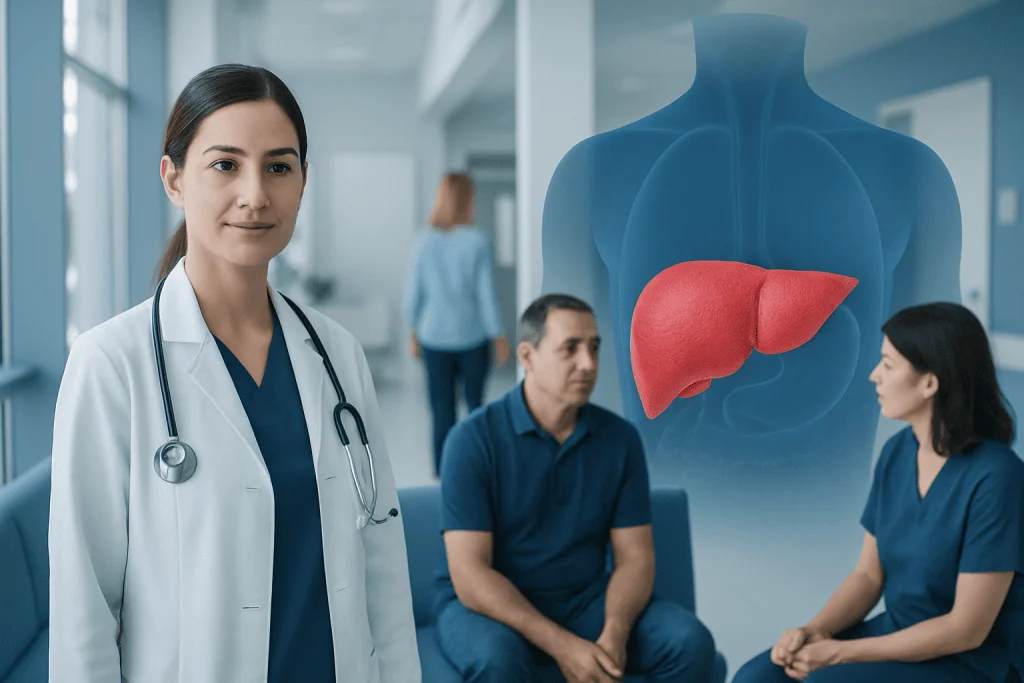
Fatty liver disease often develops silently and may be found on blood tests or imaging done for another reason. There are two main forms: alcohol-related fatty liver disease and nonalcoholic fatty liver disease.
Key Takeaways
- Fatty liver disease often develops silently and may be found on blood tests or imaging done for another reason.
- There are two main forms: alcohol-related fatty liver disease and nonalcoholic fatty liver disease.
- Healthy weight loss, regular activity, and control of blood sugar and cholesterol are central parts of care.
- Some people develop liver inflammation and scarring, so regular medical follow-up is important.
- A doctor may use blood tests, ultrasound, and sometimes specialized scans or biopsy to assess liver damage.
Fatty liver disease means excess fat has collected in the liver. It is common, often causes no symptoms at first, and can sometimes be reversed or controlled through lifestyle changes and treatment of related conditions such as obesity, diabetes, and high cholesterol.
Overview: what fatty liver disease means
Fatty liver disease is a condition in which too much fat builds up inside liver cells. A small amount of fat in the liver can be normal, but when the amount increases beyond healthy levels, the liver may become stressed, inflamed, or scarred over time. Many people learn they have fatty liver disease during a routine checkup because it often causes no early symptoms.
The condition is usually grouped into two broad types. Alcohol-related fatty liver disease is linked to heavy alcohol use. Nonalcoholic fatty liver disease, often called NAFLD, happens in people who drink little or no alcohol and is commonly associated with excess body weight, insulin resistance, type 2 diabetes, high cholesterol, and metabolic syndrome. Some patients may also hear the newer term metabolic dysfunction-associated steatotic liver disease.
Not everyone with fatty liver disease develops serious liver damage. In many cases, the condition remains mild and can improve with lifestyle changes. However, some people develop inflammation, a more advanced form sometimes called steatohepatitis, which can lead to fibrosis, cirrhosis, and rarely liver failure or liver cancer if not managed. This is why timely diagnosis and follow-up matter.
How fatty liver disease affects the body
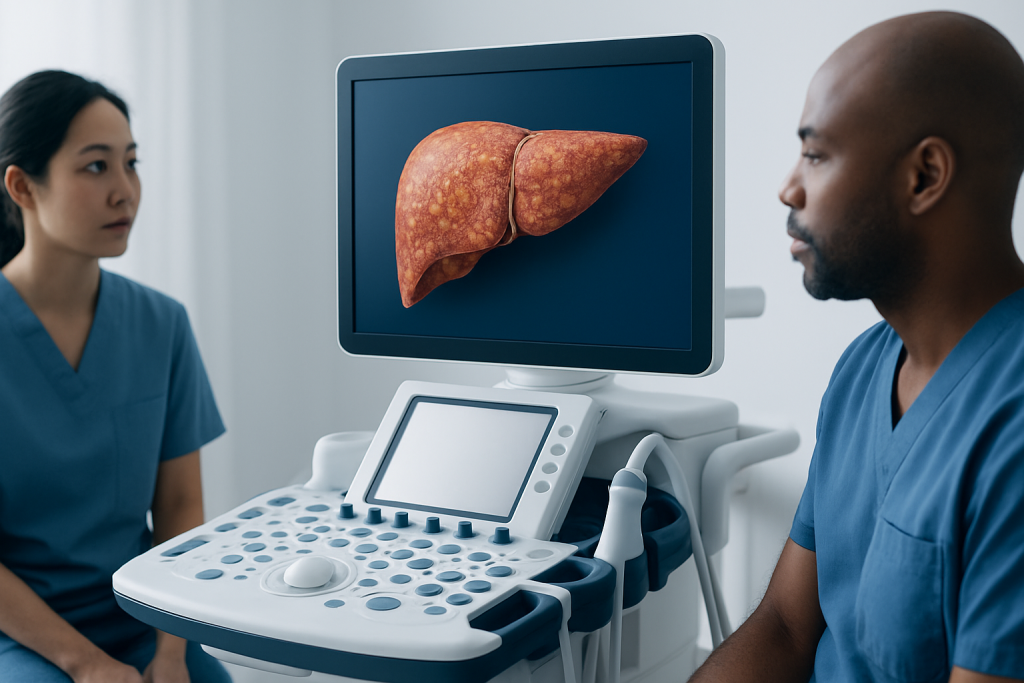
The liver helps process nutrients, regulate blood sugar, remove toxins, and make important proteins. When fat accumulates in the liver, these functions may still continue normally for a long time. Over months or years, however, excess fat can trigger inflammation and cell injury. The body’s healing response may then create scar tissue, called fibrosis.
Early fibrosis may not cause symptoms and can sometimes improve if the underlying cause is treated. More advanced scarring, known as cirrhosis, can interfere with blood flow through the liver and reduce liver function. This stage is less common but much more serious and usually requires specialist care.
Fatty liver disease is also connected to overall metabolic health. People with the condition often have increased risk of type 2 diabetes, high blood pressure, abnormal cholesterol levels, and cardiovascular disease. For many patients, the diagnosis is not only about the liver itself but also about protecting long-term whole-body health.
Symptoms and possible warning signs

Most people with fatty liver disease have no clear symptoms, especially in the early stages. The condition may be discovered after a routine blood test shows mildly elevated liver enzymes or after an ultrasound is performed for another reason. This silent pattern is one reason regular health checks can be helpful for people with metabolic risk factors.
When symptoms do occur, they are often vague. A person may feel tired, low in energy, or notice a sense of fullness or discomfort in the upper right side of the abdomen. These symptoms are not specific and can have many causes, so medical evaluation is important.
Signs of advanced liver disease need prompt attention. These may include jaundice, swelling in the legs or abdomen, easy bruising, confusion, severe weakness, or unintended weight loss. Although these problems are not common in early fatty liver disease, they can signal significant liver damage or another serious liver condition such as liver cancer.
Causes and risk factors
Fatty liver disease develops when the liver stores more fat than it can process effectively. In nonalcoholic fatty liver disease, this is often driven by insulin resistance and metabolic dysfunction. The liver receives and produces more fatty acids, and fat gradually accumulates in liver cells. Over time, oxidative stress and inflammation may contribute to liver injury.
Common risk factors include overweight or obesity, especially excess abdominal weight, type 2 diabetes, prediabetes, high triglycerides, high cholesterol, high blood pressure, and sleep apnea. A family history of liver disease or metabolic disease may also increase risk. Some people with a body weight in the usual range can still develop fatty liver disease, particularly if they have diabetes or inherited susceptibility.
Alcohol use is an important separate cause of fatty liver disease and can worsen liver damage in people who already have metabolic risk factors. Less commonly, certain medicines, rapid weight loss, malnutrition, or specific inherited disorders can also contribute. Because different liver diseases may overlap, doctors may evaluate for viral hepatitis, autoimmune liver conditions, and other causes before confirming the diagnosis. In selected cases, related digestive or metabolic conditions may also need attention, including obesity.
How doctors diagnose fatty liver disease
Diagnosis usually begins with a medical history, medication review, alcohol history, and physical examination. A doctor may ask about weight changes, diabetes, cholesterol, family history, and symptoms that could suggest liver inflammation or scarring. Blood tests may include liver enzymes, blood sugar, cholesterol, and tests to exclude other liver diseases.
Imaging often plays an important role. An abdominal ultrasound may show fat in the liver, while more advanced tests can help estimate stiffness or scarring. In some situations, doctors use specialized liver imaging or elastography to understand whether simple fat buildup has progressed to fibrosis. If imaging is needed, it may be part of a broader MRI evaluation or other liver-focused assessment.
Not every patient needs a biopsy. However, a liver biopsy may be recommended when the diagnosis is uncertain or when the medical team needs to determine how much inflammation and scarring are present. The goal of testing is not only to confirm fatty liver disease but also to identify which patients are at greater risk of progression and need closer follow-up, sometimes with support from gastroenterology care.
Treatment options and long-term management
The main treatment for fatty liver disease is addressing the cause. For many patients, this means gradual weight loss, healthier eating, regular physical activity, and better control of diabetes, cholesterol, and blood pressure. Even modest weight reduction can improve fat buildup in the liver, and larger sustained changes may reduce inflammation and fibrosis risk. Rapid crash diets are generally avoided because they can stress the liver.
Doctors may also review medicines and alcohol use. People with alcohol-related fatty liver disease are usually advised to stop drinking entirely. In nonalcoholic fatty liver disease, reducing or avoiding alcohol may still be recommended because alcohol can worsen liver stress. Some patients benefit from treatment plans that involve endocrinology, nutrition, and liver specialists working together.
There is no single medicine that cures all forms of fatty liver disease. However, certain medications may be used in selected patients to manage diabetes, obesity, cholesterol, or liver inflammation risk. If severe obesity is contributing to progressive disease, a clinician may discuss structured weight-management programs or bariatric surgery when appropriate. Patients with advanced fibrosis or cirrhosis may require ongoing surveillance and specialist monitoring for complications.
Prevention and self-care
Prevention focuses on metabolic health. A balanced eating pattern that emphasizes vegetables, fruits, whole grains, legumes, lean protein, and healthy fats can support the liver. Many doctors encourage limiting sugary drinks, highly processed foods, and excess saturated fat. Portion awareness and steady, sustainable habits are usually more helpful than short-term restrictive diets.
Regular physical activity helps the liver even before major weight loss occurs. Walking, cycling, swimming, resistance training, or other enjoyable exercise can improve insulin sensitivity and reduce liver fat. For people who are new to exercise or who have other health conditions, a doctor can advise on a safe starting plan.
Managing related health conditions is equally important. Good blood sugar control, treatment of high cholesterol, blood pressure management, adequate sleep, and avoiding unnecessary alcohol all support liver health. Vaccination against hepatitis A or B may be recommended for some people with liver disease. Self-care does not replace medical follow-up, especially if liver tests remain abnormal.
When to seek medical care
A person should consider medical evaluation if blood tests show abnormal liver enzymes, if imaging suggests fatty liver, or if risk factors such as obesity, type 2 diabetes, high triglycerides, or heavy alcohol use are present. Early review can help confirm the diagnosis and identify whether the liver is inflamed or scarred.
Prompt medical care is important for symptoms such as yellowing of the skin or eyes, swelling of the abdomen or legs, vomiting blood, black stools, confusion, persistent severe abdominal pain, or marked fatigue. These symptoms do not always mean advanced fatty liver disease, but they should not be ignored.
For ongoing care, patients may benefit from coordinated input from hepatology, internal medicine, nutrition, and metabolic specialists. Acibadem International’s multidisciplinary teams in JCI-accredited hospitals diagnose and treat fatty liver disease for international patients, including advanced assessment and liver transplant care when severe liver failure is present.
Frequently asked questions
Can fatty liver disease be reversed?
In many people, especially in the early stages, fatty liver disease can improve and sometimes reverse with sustained lifestyle changes. Weight loss, exercise, better blood sugar control, and reducing alcohol use can lower liver fat and inflammation. The degree of reversibility depends on how much scarring has already developed.
Is fatty liver disease serious?
It can be mild and stable for years, but it should not be dismissed. Some people develop liver inflammation and scarring that can progress to cirrhosis. The condition is also linked to diabetes and heart disease, so regular medical follow-up is important.
Does fatty liver disease always cause symptoms?
No. Most people have no symptoms at first, which is why the condition is often found during routine blood tests or imaging. When symptoms happen, they may be nonspecific, such as tiredness or discomfort on the upper right side of the abdomen.
What is the difference between alcoholic and nonalcoholic fatty liver disease?
Alcoholic fatty liver disease is related to significant alcohol use. Nonalcoholic fatty liver disease occurs in people who drink little or no alcohol and is more often linked to obesity, insulin resistance, type 2 diabetes, and abnormal cholesterol. Both forms can lead to inflammation and scarring if not addressed.
Which foods are helpful for fatty liver disease?
A balanced eating pattern with vegetables, fruits, whole grains, legumes, lean proteins, and healthy fats is generally recommended. Limiting sugary drinks, refined carbohydrates, and heavily processed foods may help reduce liver fat. A doctor or dietitian can tailor advice to the person's health needs.
Will everyone with fatty liver disease need a liver biopsy?
No. Many people are assessed with blood tests, ultrasound, and specialized imaging that estimates liver stiffness or fibrosis. A biopsy is usually reserved for cases where the diagnosis is unclear or when doctors need more detail about inflammation and scarring.
References
- World Health Organization
- National Institute of Diabetes and Digestive and Kidney Diseases
- American Association for the Study of Liver Diseases
- Centers for Disease Control and Prevention
- European Association for the Study of the Liver
This article is for general information only and is not a substitute for professional medical advice. Please consult a qualified doctor about your individual situation.
Liver Disease in Turkey — costs, top hospitals & a free quote
JCI-accredited · board-certified surgeons · reply within 24h
Add us as a Preferred Source to see more of our trusted health content across Google Search, AI Overviews and Discover.
Check your numbers in seconds
BMI, calories, due date, blood pressure and 30+ more clinical calculators — free, instant, doctor-reviewed ranges.

Gastroenterology
Diagnosis and treatment of the digestive system and liver, with advanced endoscopy.
46 specialists in this unit