Cpap Machine — Explained by Medical Evidence, Not Myths
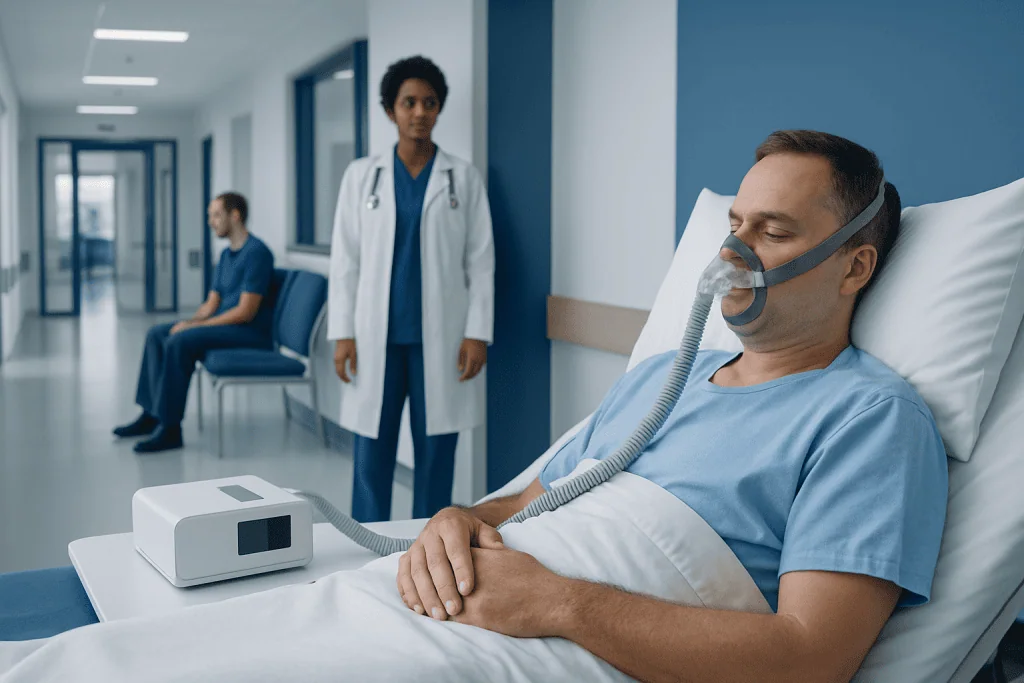
A cpap machine helps prevent the airway from collapsing during sleep. It is most often prescribed for obstructive sleep apnea after a sleep evaluation.
Key Takeaways
- A cpap machine helps prevent the airway from collapsing during sleep.
- It is most often prescribed for obstructive sleep apnea after a sleep evaluation.
- Comfort problems are common at first, but mask fitting and pressure adjustments often help.
- Regular cleaning and follow-up are important for safe, effective use.
- Persistent symptoms, severe discomfort, or signs of worsening sleep apnea should be reviewed by a doctor.
A cpap machine is a medical device that delivers gentle air pressure through a mask to keep the airway open during sleep. It is most commonly used for obstructive sleep apnea and can improve snoring, sleep quality, and daytime tiredness when used consistently.
Overview: what a CPAP machine does
A cpap machine is a device that sends a steady flow of air through a tube and mask while a person sleeps. This gentle air pressure helps keep the upper airway open, which can reduce pauses in breathing, lower snoring, and improve sleep quality. It is most commonly used to treat obstructive sleep apnea, a condition in which the throat repeatedly narrows or closes during sleep.
Medical evidence supports CPAP as a standard treatment for many people with sleep apnea. Rather than acting like oxygen therapy, the machine works by splinting the airway open with air pressure. When used regularly and fitted properly, it may help reduce fragmented sleep, morning headaches, poor concentration, and excessive daytime sleepiness.
CPAP stands for continuous positive airway pressure. There are also related devices, such as auto-adjusting PAP and bilevel PAP, which may be recommended in specific situations. The right device and settings depend on the sleep diagnosis, symptoms, and the person’s comfort and breathing needs.
Who may need a CPAP machine
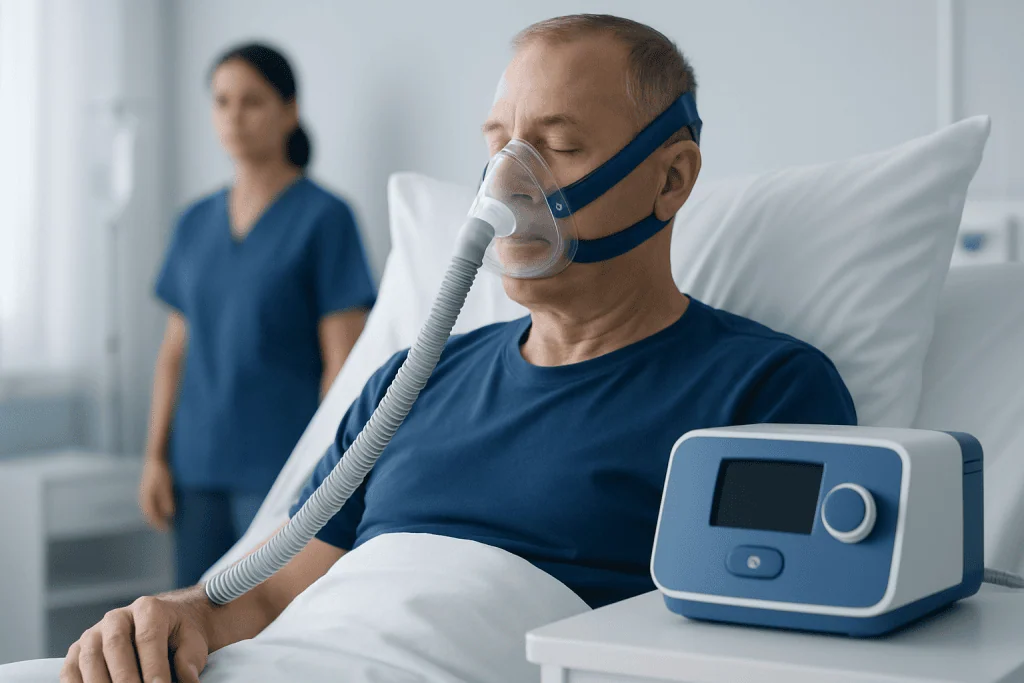
A cpap machine is most often prescribed for people with sleep apnea, especially obstructive sleep apnea. In this condition, the muscles and tissues in the throat relax during sleep and block airflow. Common clues include loud snoring, witnessed pauses in breathing, choking or gasping during sleep, waking unrefreshed, and feeling very sleepy during the day.
Not everyone who snores needs CPAP, and not everyone with tiredness has sleep apnea. A proper medical assessment is important because sleep problems can have different causes, including insomnia, restless legs syndrome, nasal blockage, medication effects, or other health conditions. A sleep study helps confirm whether breathing pauses are present and how severe they are.
Doctors may be more likely to consider CPAP when sleep apnea is moderate to severe, when symptoms significantly affect daily life, or when there are related health concerns such as high blood pressure or heart strain. Some people are also evaluated for CPAP before or after surgery, or if they have obesity, chronic snoring, or persistent low-quality sleep.
How a CPAP machine works and the types available
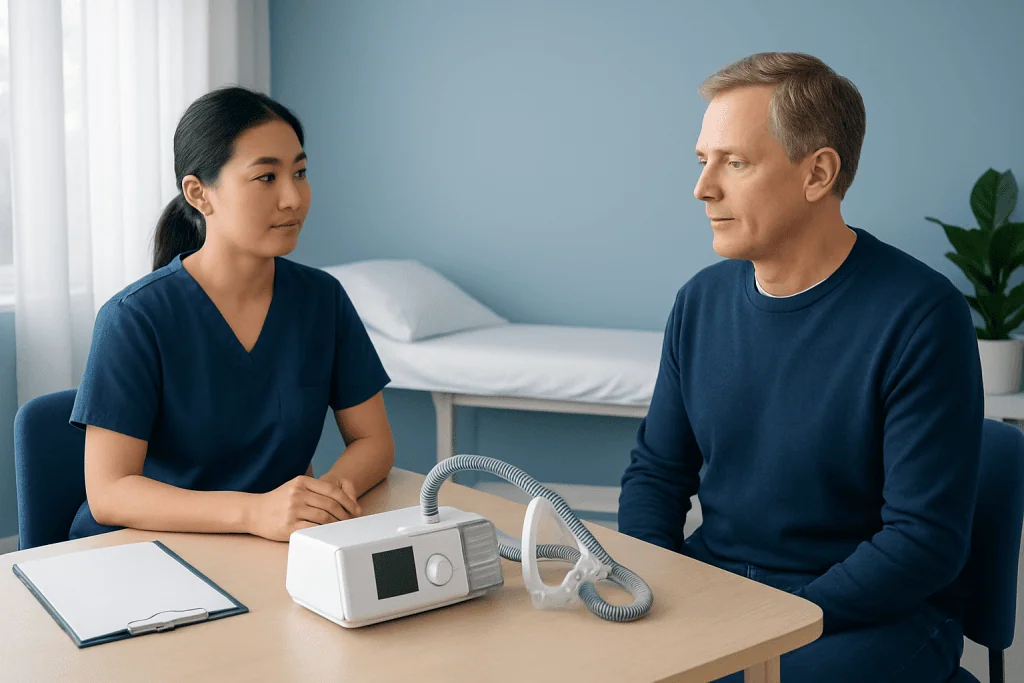
The machine pulls in room air, pressurizes it, and delivers it through tubing to a mask worn over the nose or nose and mouth. This pressure does not breathe for the person; instead, it prevents airway collapse so normal breathing can continue through the night. Humidifiers are often built in to reduce dryness and improve comfort.
Several mask styles are available, and the best option depends on facial structure, sleeping position, and whether the person tends to breathe through the mouth. Common choices include:
- Nasal masks, which cover the nose
- Nasal pillow masks, which seal at the nostrils
- Full-face masks, which cover the nose and mouth
Some people use standard CPAP with a fixed pressure, while others use auto-adjusting PAP that changes pressure in response to breathing patterns. In selected cases, specialists may recommend a different approach, including sleep study testing to refine the diagnosis or other sleep apnea treatment options if CPAP is not tolerated.
Benefits, limits, and common myths
When a cpap machine is used as prescribed, many people notice better sleep quality, less daytime sleepiness, reduced morning headaches, and improved concentration. Bed partners may also observe less snoring and fewer breathing pauses. Over time, better sleep can support mood, daily functioning, and overall quality of life.
Still, CPAP is not a cure for the underlying tendency of the airway to narrow during sleep. Its benefits depend on regular use. If the machine is worn only occasionally, symptoms can return quickly. Weight changes, nasal congestion, alcohol use, and sleeping position may also affect symptoms and comfort.
Several myths can make people hesitant. One common myth is that CPAP is addictive; it is not. Another is that it provides oxygen to everyone who snores; in fact, it mainly provides air pressure and is prescribed after evaluation. It is also not true that everyone must use the same mask or pressure setting. Treatment is individualized, and many early problems can be improved with follow-up adjustments.
Diagnosis, fitting, and getting started
Before starting CPAP, a doctor usually reviews symptoms, medical history, sleep habits, and possible risk factors. Diagnosis often involves a formal sleep assessment, such as a home sleep apnea test or an in-laboratory sleep study. These tests help determine whether sleep apnea is present and guide the choice of treatment.
Once CPAP is recommended, fitting matters as much as the machine itself. A mask that is too loose may leak air and make noise, while a mask that is too tight may leave marks or cause discomfort. Pressure settings may be determined during a sleep study or adjusted over time based on symptoms and device data.
The first days or weeks can involve a learning period. Many people do better when they practice wearing the mask while awake, start with short sessions, and use humidification if dryness occurs. If someone continues to struggle despite trying different masks or settings, a specialist may assess whether other approaches, such as treatment for nasal or airway problems, might improve tolerance.
Side effects, troubleshooting, and self-care
Most CPAP side effects are manageable and related to fit or airflow rather than harm from the treatment itself. Common issues include a dry nose or mouth, nasal congestion, skin irritation, claustrophobic feelings, air leaks, and bloating from swallowed air. These problems are important to mention during follow-up because small changes can make a big difference.
Helpful self-care steps include cleaning the mask, tubing, and humidifier chamber regularly according to manufacturer guidance; replacing worn parts when needed; and using the machine every night, including naps when possible. Keeping the nose clear, adjusting sleeping position, and avoiding alcohol close to bedtime may also improve comfort and effectiveness.
People should not change medical settings on their own without professional advice. If the machine feels uncomfortable, the answer is usually not to stop completely but to seek help with fit, pressure, humidity, or mask style. Near the end of the care pathway, some international patients may choose evaluation at centers such as Acibadem International, where multidisciplinary specialists in JCI-accredited hospitals diagnose and treat sleep-related breathing disorders.
When to seek medical care
Medical review is important if symptoms continue despite using a cpap machine, especially ongoing loud snoring, witnessed breathing pauses, severe daytime sleepiness, or morning headaches. A person should also seek advice if they cannot tolerate the mask, feel short of breath while using the device, or repeatedly remove it during sleep without realizing it.
Urgent medical care is needed for warning signs such as chest pain, severe trouble breathing, new confusion, or bluish lips or fingertips. These symptoms are not typical adjustment issues and should not be ignored. People with significant heart or lung disease should also maintain regular follow-up when using PAP therapy.
It is also sensible to contact a doctor if there are signs of infection around the face from mask irritation, frequent nosebleeds, persistent insomnia, or major weight change. Changes in health status can affect CPAP needs, and treatment may need to be reviewed over time.
Frequently asked questions
What is a cpap machine used for?
A cpap machine is mainly used to treat obstructive sleep apnea. It delivers steady air pressure through a mask to help keep the airway open during sleep.
Is a CPAP machine the same as oxygen therapy?
No. A CPAP machine usually delivers pressurized room air, not oxygen. Some people may need oxygen for separate medical reasons, but CPAP and oxygen therapy are different treatments.
How long does it take to get used to CPAP?
Adjustment time varies from person to person. Some people feel comfortable within days, while others need a few weeks of mask changes, humidity adjustments, and practice before it feels routine.
Can a CPAP machine stop snoring?
It often reduces or stops snoring when snoring is caused by obstructive sleep apnea or airway narrowing during sleep. However, snoring can have other causes, so evaluation is important if symptoms persist.
Do people need to use CPAP every night?
For the best results, CPAP should usually be used every night and during naps if recommended. Inconsistent use may allow symptoms such as breathing pauses and daytime sleepiness to return.
What if a CPAP mask feels uncomfortable?
Discomfort is common at first and often improves with a different mask style, better fitting, or humidity changes. A doctor or sleep specialist can help troubleshoot rather than stopping treatment completely.
References
- American Academy of Sleep Medicine
- National Heart, Lung, and Blood Institute
- National Institute of Neurological Disorders and Stroke
- American Thoracic Society
This article is for general information only and is not a substitute for professional medical advice. Please consult a qualified doctor about your individual situation.
Explore treatments in Turkey — costs, top hospitals & a free quote
JCI-accredited · board-certified surgeons · reply within 24h
Add us as a Preferred Source to see more of our trusted health content across Google Search, AI Overviews and Discover.
Check your numbers in seconds
BMI, calories, due date, blood pressure and 30+ more clinical calculators — free, instant, doctor-reviewed ranges.