Poison Ivy — Explained by Medical Evidence, Not Myths

Poison ivy rash is caused by an allergic reaction to urushiol oil, not by the rash fluid spreading. Washing the skin, clothes, shoes, and pets soon after exposure may reduce the reaction.
Key Takeaways
- Poison ivy rash is caused by an allergic reaction to urushiol oil, not by the rash fluid spreading.
- Washing the skin, clothes, shoes, and pets soon after exposure may reduce the reaction.
- Symptoms often include itching, redness, swelling, and blisters in streaks or patches where the plant touched the skin.
- Most cases can be managed at home, but severe swelling, facial involvement, breathing symptoms, or widespread rash need medical care.
- Prevention focuses on learning to recognize the plant and using protective clothing and careful skin cleansing after outdoor exposure.
Poison ivy is a plant that can cause an itchy, red rash when its oil, called urushiol, touches the skin. The rash is uncomfortable but usually not dangerous, and most people improve with prompt washing, symptom relief, and avoiding further exposure.
Overview: What poison ivy really is
Poison ivy is a plant that triggers an allergic skin reaction in many people. The problem is not the leaf itself but an oily substance called urushiol found in the plant’s leaves, stems, roots, and even on contaminated objects. When urushiol touches the skin, the immune system may react, causing a rash known medically as allergic contact dermatitis.
A common myth is that poison ivy rash spreads because the blisters leak fluid. In fact, the rash does not spread from blister fluid. What often seems like spreading is delayed absorption or repeated contact with urushiol left on clothing, tools, gloves, shoes, or pet fur.
Poison ivy is related to poison oak and poison sumac, which can cause a very similar reaction. The severity varies from person to person. Some people develop only mild itching, while others may have marked redness, swelling, and blistering after a small exposure.
Symptoms and what the rash looks like
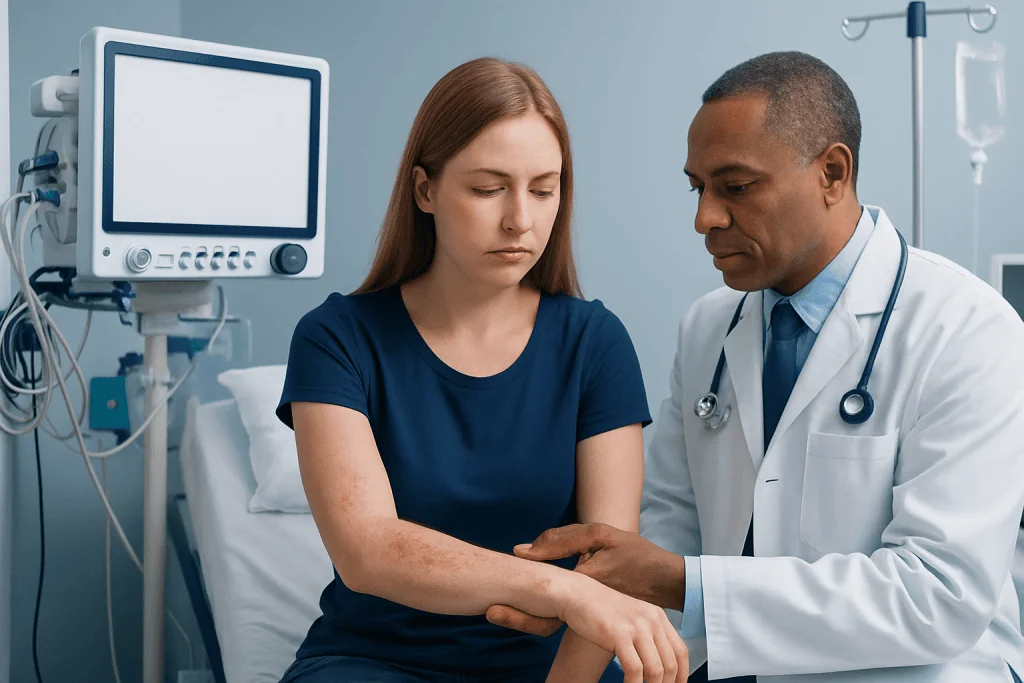
Poison ivy usually causes itching, redness, swelling, and a rash that may develop into small or large blisters. The rash often appears in lines or streaks where the plant brushed across the skin, but it can also appear in patches if the oil was transferred by hands or contaminated objects.
Symptoms do not always start immediately. In some people, the rash appears within hours, while in others it takes a day or two. The reaction can continue to evolve over several days, which is one reason many people think it is actively spreading.
The rash commonly affects exposed areas such as the hands, arms, legs, and face. Scratching can break the skin and increase irritation, and it may also raise the risk of a secondary skin infection. Symptoms that suggest a more serious issue include severe swelling around the eyes, extensive blistering, or signs of infection such as increasing pain, warmth, pus, or fever.
- Intense itching
- Red or darker inflamed patches
- Swelling
- Blisters that may ooze briefly and then crust
- Streak-like rash after direct plant contact
Causes, exposure sources, and risk factors

The cause of poison ivy rash is contact with urushiol oil. This can happen during gardening, hiking, camping, yard work, landscaping, or handling firewood. Exposure is not limited to touching the plant directly. Urushiol can stay active on clothing, tools, sports equipment, and other surfaces for a long time if they are not cleaned.
Pets usually do not develop the rash because of their fur, but they can carry the oil on their coat and transfer it to people. Smoke from burning poison ivy is especially concerning because inhaled particles can irritate the airways and may require urgent medical evaluation.
Anyone can be exposed, but risk is higher in people who spend time outdoors in wooded or overgrown areas. Sensitivity also differs between individuals. Some may not react during one exposure but can become sensitized over time. People with a history of eczema or other forms of dermatitis may find any skin inflammation harder to tolerate, even though poison ivy itself is a separate allergic reaction.
How poison ivy is diagnosed
Poison ivy is usually diagnosed based on the appearance of the rash and a history of recent outdoor exposure. A doctor will often ask where the person has been, whether they handled plants or yard tools, and how quickly symptoms developed. The linear or patchy pattern of the rash can also provide useful clues.
Tests are not usually needed. However, a clinician may consider other causes if the diagnosis is unclear, such as eczema, insect bites, fungal infection, medication-related rash, or another type of skin condition. If the skin is very inflamed, infected, or not improving as expected, further assessment may be appropriate.
It is helpful for patients to mention all possible exposures, including contact with pets, garden gloves, backpacks, or smoke from outdoor burning. This can make the diagnosis more straightforward and reduce the chance of repeat exposure.
Treatment options and what helps
The first step after suspected exposure is to wash the skin promptly with lukewarm water and soap. Gentle cleansing may remove some urushiol before the body fully reacts. Fingernails should also be cleaned, because oil trapped under the nails can be transferred to other areas of skin.
For mild cases, treatment focuses on relieving symptoms. Cool compresses, soothing baths, fragrance-free moisturizers, and anti-itch products may help reduce discomfort. Doctors sometimes recommend topical corticosteroids for localized inflammation, and in more extensive or severe cases they may prescribe oral medications. When symptoms are significant or the diagnosis is uncertain, assessment by a skin specialist may be useful through dermatology care.
If the rash is severe, covers a large area, affects the face or genitals, or is associated with marked swelling, medical treatment may be needed to control inflammation and protect the skin barrier. A physician may also evaluate whether there is a bacterial skin infection that needs different treatment. In selected situations, broader support from allergy evaluation or immunology assessment may help clarify recurrent allergic skin reactions, although most poison ivy cases do not require specialized testing.
People should avoid home remedies that further irritate the skin, such as harsh scrubbing, strong solvents, or products not designed for skin use. Treatment is generally aimed at comfort, reducing inflammation, and preventing complications while the reaction settles.
Prevention and self-care after exposure
Prevention starts with recognizing poison ivy and avoiding skin contact. In many regions it grows as a vine or shrub and is remembered by the phrase “leaves of three,” though plant appearance can vary by season and environment. Wearing long sleeves, long pants, gloves, and closed shoes can lower the chance of exposure during outdoor work.
After possible contact, wash the skin as soon as practical. Clothes, gloves, shoes, tools, and pet fur should also be cleaned because urushiol can remain on surfaces and cause repeat reactions later. Laundry should be handled carefully so oil is not spread to other fabrics or skin.
Self-care during recovery includes keeping the skin cool, avoiding scratching, and using gentle skin products. Trimmed nails can reduce skin damage if scratching happens during sleep. If a person often spends time outdoors, discussing recurring rashes with a clinician can help confirm the cause and review practical prevention strategies.
When to seek medical care
Most poison ivy rashes improve gradually with home care, but some situations need medical attention. A person should seek care if the rash is widespread, extremely painful, or keeps getting worse instead of better. Medical review is also important if the eyes swell shut, the face or genitals are involved, or symptoms interfere with sleep and daily activities.
Urgent care is needed for trouble breathing, wheezing, difficulty swallowing, or suspected inhalation of smoke from burning poison ivy. These symptoms may point to airway irritation or a more serious allergic response. Signs of infection, such as fever, increasing redness, warmth, pus, or tenderness, also deserve prompt assessment.
People with underlying skin conditions, a weakened immune system, or uncertain diagnosis may benefit from a professional examination. Near the end of the care pathway, it can be reassuring to know that Acibadem International’s multidisciplinary specialists in JCI-accredited hospitals diagnose and treat skin and allergy-related conditions for international patients when more advanced evaluation is needed.
Frequently asked questions
How long does poison ivy rash last?
Poison ivy rash often lasts about one to three weeks, depending on how strong the reaction is and how much skin was exposed. Mild cases may improve sooner, while more severe inflammation can take longer to settle.
Can poison ivy spread from one person to another?
The rash itself does not spread from person to person, and blister fluid does not contain the plant oil. What causes new spots is usually delayed reaction in the skin or repeated contact with urushiol left on objects, clothing, or pets.
What should someone do right after touching poison ivy?
The skin should be washed promptly with soap and lukewarm water, and contaminated clothing should be removed and cleaned. Shoes, tools, gloves, and pet fur may also need cleaning to prevent re-exposure.
Is poison ivy dangerous?
Most cases are uncomfortable rather than dangerous and improve with supportive care. It becomes more concerning if there is severe swelling, extensive rash, facial involvement, breathing symptoms, or signs of infection.
Can a person get poison ivy from a dog or cat?
Yes, indirectly. Pets can carry urushiol on their fur after moving through plants, even if they do not develop a rash themselves.
Should blisters from poison ivy be popped?
No, blisters should generally be left intact. Opening them can irritate the skin further and increase the risk of infection.
References
- American Academy of Dermatology
- American Academy of Allergy, Asthma & Immunology
- Mayo Clinic
- National Institute for Occupational Safety and Health
- MedlinePlus
This article is for general information only and is not a substitute for professional medical advice. Please consult a qualified doctor about your individual situation.
Explore treatments in Turkey — costs, top hospitals & a free quote
JCI-accredited · board-certified surgeons · reply within 24h
Add us as a Preferred Source to see more of our trusted health content across Google Search, AI Overviews and Discover.