Salmonella: A Complete Medical Overview

Salmonella is usually spread through contaminated food, water, or contact with infected animals. Typical symptoms include diarrhea, fever, stomach cramps, nausea, and sometimes vomiting.
Key Takeaways
- Salmonella is usually spread through contaminated food, water, or contact with infected animals.
- Typical symptoms include diarrhea, fever, stomach cramps, nausea, and sometimes vomiting.
- Most people recover without antibiotics, but hydration is essential.
- Infants, older adults, and people with weakened immune systems have a higher risk of complications.
- Good food safety and hand hygiene are important ways to prevent salmonella infection.
Salmonella is a bacterial infection that most often affects the intestines and commonly causes diarrhea, fever, and abdominal cramps. Many cases improve with rest and fluids, but some people need medical care, especially if dehydration or severe illness develops.
Overview
Salmonella is an infection caused by bacteria from the Salmonella group. It most often leads to intestinal illness, with diarrhea, fever, and abdominal cramps developing after exposure to contaminated food, water, or infected animals. In many people, the illness is self-limited and improves within several days, but some cases can become more serious.
People often use the term “salmonella” to describe a form of food poisoning, but the infection can affect the body in different ways. The most common type is non-typhoidal salmonellosis, which usually causes gastroenteritis. Less commonly, salmonella bacteria can spread beyond the intestines into the bloodstream or other organs, especially in people with a weaker immune system.
The severity of salmonella infection varies. A healthy adult may recover with fluids, rest, and careful self-care, while a young child, older adult, pregnant person, or someone with chronic illness may need closer medical attention. Understanding how salmonella spreads, what symptoms to watch for, and when treatment is needed can help support a safe recovery.
How Salmonella Spreads

Salmonella spreads mainly through the fecal-oral route. This means the bacteria are shed in stool and can reach another person through contaminated food, water, hands, or surfaces. Infection can happen when food is prepared in unsanitary conditions, when raw foods contaminate ready-to-eat foods, or when a person does not wash their hands well after using the bathroom or handling animals.
Common sources include undercooked poultry, eggs, meat, unpasteurized milk or juice, and raw produce exposed to contaminated water or surfaces. Reptiles, amphibians, chicks, ducks, and some farm animals can also carry salmonella even when they appear healthy. Direct contact with these animals or their environment may lead to infection if hand hygiene is poor.
Salmonella can also spread in households, childcare settings, care facilities, and during travel. Outbreaks sometimes involve a single food product, but infection may also result from everyday kitchen cross-contamination, such as using the same cutting board for raw chicken and salad ingredients without proper cleaning.
Symptoms and What Illness Feels Like
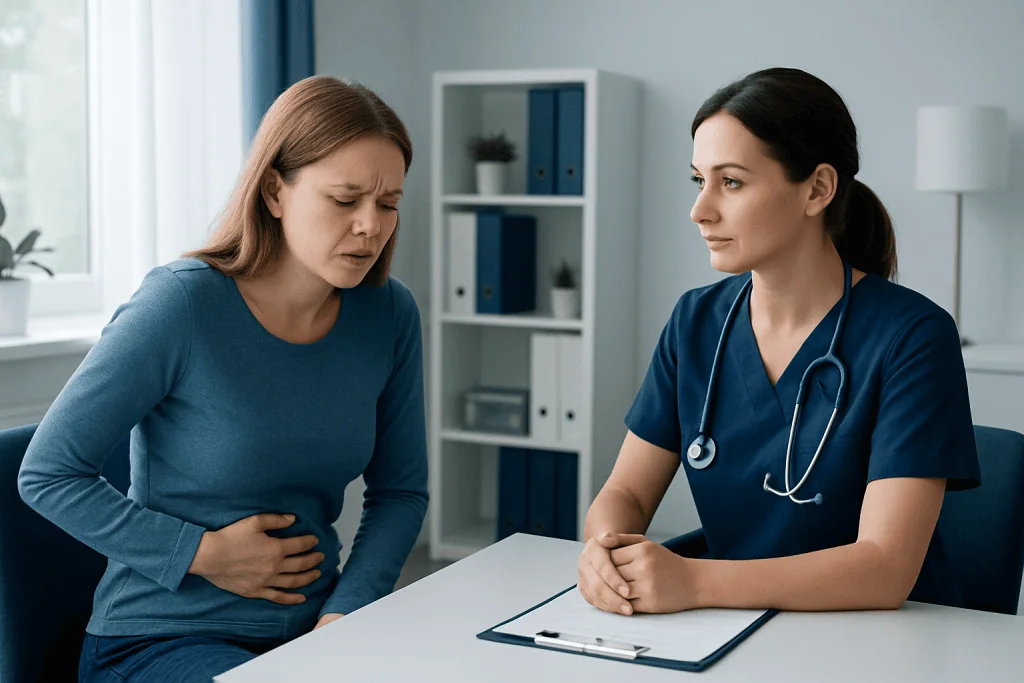
Symptoms of salmonella usually begin between 6 hours and 6 days after exposure. The most common signs are diarrhea, fever, stomach cramps, nausea, and sometimes vomiting. Some people also feel tired, weak, have a headache, or notice reduced appetite while they are ill.
Diarrhea may be mild or more frequent and intense. Stools can occasionally contain mucus or blood, although not every person has these features. Fever and cramping often occur together and can make the illness feel sudden and exhausting, especially during the first one to three days.
Many people improve within 4 to 7 days, but bowel habits do not always return to normal immediately. It is common for energy levels to remain low for a short period after the main symptoms settle. In some people, especially those at higher risk, dehydration or spread of the infection beyond the intestines can make the illness more serious.
- Common symptoms: diarrhea, fever, abdominal cramps, nausea
- Possible symptoms: vomiting, headache, fatigue, chills
- Warning features: blood in stool, inability to keep fluids down, signs of dehydration, persistent high fever
Causes, Risk Factors, and Possible Complications
The direct cause of salmonella infection is swallowing salmonella bacteria. This may happen through contaminated food or water, contact with infected animals, or touching contaminated surfaces and then touching the mouth. The risk rises when food is undercooked, stored improperly, or prepared without careful handwashing and kitchen hygiene.
Some people are more likely to become seriously ill. Higher-risk groups include infants, adults over 65, people with inflammatory bowel disease, those taking medicines that reduce stomach acid, and anyone with a weakened immune system due to illness or treatment. International travel can also increase exposure risk in certain settings, particularly where food and water safety is inconsistent.
Complications are not common in otherwise healthy people, but they can occur. The main short-term concern is dehydration from diarrhea and vomiting. In some cases, the bacteria can enter the bloodstream and lead to infection in other parts of the body, which requires urgent medical treatment. Rarely, salmonella infection may be followed by reactive arthritis, causing joint pain, eye irritation, or urinary symptoms after the bowel illness has improved.
Because symptoms can overlap with other gastrointestinal infections, a doctor may also consider conditions such as food poisoning from other bacteria or viruses when assessing a patient.
Diagnosis
Doctors often suspect salmonella based on symptoms, recent meals, travel, outbreaks, or exposure to animals. A patient’s description of the illness, including when symptoms started and whether there is fever or blood in the stool, helps guide evaluation. In mild cases, testing may not always be necessary if symptoms are improving and there are no concerning signs.
When confirmation is needed, a stool test is the most common way to identify salmonella bacteria. In people who appear severely unwell, have prolonged fever, signs of dehydration, or are in a high-risk group, blood tests or blood cultures may also be recommended to check for complications or spread beyond the intestines.
Diagnosis is important when symptoms are severe, long-lasting, or unusual, or when public health authorities need to investigate a possible outbreak. In some cases, doctors may evaluate other digestive conditions if symptoms are not fully explained by an infection, including digestive disorders evaluated in gastroenterology.
Treatment Options
The main treatment for most salmonella infections is supportive care. This usually means drinking enough fluids, replacing electrolytes if needed, eating light foods as tolerated, and resting. Many otherwise healthy people recover without antibiotics, and unnecessary antibiotic use may not speed recovery in uncomplicated cases.
Medical treatment becomes more important when dehydration develops, symptoms are severe, or the patient is in a high-risk group. A doctor may recommend oral rehydration solutions, anti-nausea support in selected cases, or intravenous fluids if a person cannot keep liquids down. Hospital care may be needed if there is significant weakness, persistent vomiting, confusion, or concern that the infection has spread.
Antibiotics are generally reserved for specific situations, such as severe disease, bloodstream infection, or higher-risk patients. The choice depends on the patient’s age, health status, travel history, and test results. If imaging or a broader internal medicine evaluation is needed because of complications, clinicians may use services such as check-up and screening or specialist assessment in gastroenterology care.
Recovery also includes avoiding dehydration triggers and slowly returning to a normal diet. If symptoms are prolonged or there is concern about another condition affecting the digestive tract, doctors may recommend additional review through internal medicine or related specialty care.
Prevention and Self-care
Preventing salmonella begins with food safety. Poultry, meat, and eggs should be cooked thoroughly, and raw foods should be kept separate from ready-to-eat items. Handwashing with soap and water before food preparation, after handling raw meat, and after using the bathroom is one of the most effective ways to reduce spread.
Kitchen hygiene matters as much as cooking. Cutting boards, knives, countertops, and storage containers should be cleaned carefully after contact with raw animal products. Perishable foods should be refrigerated promptly, and unpasteurized milk or juice should be avoided unless safety is certain.
At home, self-care focuses on rest and hydration. Small, frequent sips of water or oral rehydration solutions may be easier than large amounts at once. Many people tolerate bland foods as nausea settles, while greasy, spicy, or very sugary foods may worsen symptoms for a short time.
People should also wash their hands after touching reptiles, birds, or farm animals and supervise young children around these animals. If someone in the household has diarrhea, shared bathroom and kitchen surfaces should be cleaned regularly, and food preparation for others should be avoided until recovery.
When to Seek Medical Care
Medical attention is important if diarrhea is severe, lasts more than a few days without improvement, or is accompanied by high fever, blood in the stool, fainting, confusion, or signs of dehydration. Warning signs of dehydration include very dry mouth, reduced urination, dizziness, unusual sleepiness, or inability to drink enough fluids.
Infants, older adults, pregnant people, and individuals with weakened immune systems should contact a doctor earlier, even if symptoms seem moderate. These groups may become dehydrated faster or have a greater risk of complications from infection.
Anyone with severe abdominal pain, persistent vomiting, or symptoms that return after initial improvement should also be assessed. For international patients who need evaluation, Acibadem International’s multidisciplinary specialists and JCI-accredited hospitals diagnose and treat salmonella and related gastrointestinal infections with individualized care.
Frequently asked questions
What is salmonella?
Salmonella is a bacterial infection that most often affects the intestines. It usually causes diarrhea, fever, and stomach cramps after contaminated food, water, or animal contact.
How long does salmonella last?
Many people start to feel better within 4 to 7 days. Fatigue or temporary changes in bowel habits can last a little longer, even after the main symptoms improve.
Does salmonella always need antibiotics?
No. Most uncomplicated cases in otherwise healthy people improve without antibiotics. Doctors usually reserve antibiotics for severe illness, high-risk patients, or infection that spreads beyond the intestines.
Can salmonella go away on its own?
Yes, many cases resolve with rest, fluids, and supportive care. The most important part of home management is preventing dehydration and monitoring for warning signs.
How do people get salmonella?
People usually get salmonella from contaminated food or water, especially undercooked poultry, eggs, or unpasteurized products. It can also spread through poor hand hygiene or contact with reptiles, birds, and farm animals.
When should someone worry about salmonella symptoms?
Medical care is important if there is high fever, blood in the stool, severe weakness, confusion, dehydration, or symptoms that do not improve. Infants, older adults, pregnant people, and those with weakened immune systems should seek advice sooner.
References
- World Health Organization
- Centers for Disease Control and Prevention
- National Institute of Diabetes and Digestive and Kidney Diseases
- MedlinePlus
- Mayo Clinic
This article is for general information only and is not a substitute for professional medical advice. Please consult a qualified doctor about your individual situation.
Persistent digestive symptoms? Get evaluated in Turkey
JCI-accredited · board-certified surgeons · reply within 24h
Add us as a Preferred Source to see more of our trusted health content across Google Search, AI Overviews and Discover.