Psychiatrist: What Patients Need to Know

A psychiatrist is a physician trained in mental health diagnosis and treatment. Psychiatrists can prescribe medications and may also provide psychotherapy.
Key Takeaways
- A psychiatrist is a physician trained in mental health diagnosis and treatment.
- Psychiatrists can prescribe medications and may also provide psychotherapy.
- They help manage conditions such as depression, anxiety, bipolar disorder, psychosis, and sleep-related mental health concerns.
- A psychiatric evaluation usually includes symptoms, medical history, medications, and daily functioning.
- Seeking help early can improve quality of life and support safer, more effective treatment.
A psychiatrist is a medical doctor who evaluates, diagnoses, and treats mental health conditions. They can recommend therapy, prescribe medication when needed, and work with other specialists to support a person’s overall wellbeing.
Overview: what a psychiatrist does
A psychiatrist is a medical doctor who specializes in mental health. This means they are trained to assess emotional, behavioral, and thinking-related symptoms in the context of the whole person, including physical health, medications, sleep, stress, and family history. For patients, the simplest way to think about a psychiatrist is that they help identify whether symptoms reflect a mental health condition, a medical issue, or a combination of both.
Unlike many other mental health professionals, psychiatrists can prescribe medications and monitor how those treatments interact with other health conditions. Some also provide psychotherapy, while others focus mainly on diagnosis, medication management, and coordination with psychologists, therapists, neurologists, primary care doctors, and other specialists.
People may see a psychiatrist for many reasons. Common concerns include low mood, anxiety, panic attacks, intrusive thoughts, changes in sleep, difficulty concentrating, severe stress, trauma-related symptoms, mood swings, hallucinations, or changes in behavior. A psychiatrist’s role is not only to treat illness, but also to help patients understand what is happening and create a practical plan for recovery and stability.
Psychiatrist vs psychologist vs therapist
Many patients are unsure which type of professional they need. A psychiatrist is a physician, so they attend medical school and complete specialist training in mental health. Because of this medical background, they are qualified to diagnose psychiatric disorders, consider physical causes of symptoms, order or review relevant tests, and prescribe medicines when appropriate.
A psychologist usually has advanced training in psychological assessment and psychotherapy but is not a medical doctor in most settings. A therapist or counselor may come from different professional backgrounds and often focuses on talk therapy, coping skills, relationship issues, or behavioral strategies. These professionals can be very important parts of care, and many patients benefit from seeing both a psychiatrist and a therapist.
The choice depends on the situation. If symptoms are severe, involve major changes in mood or reality testing, or may require medication, a psychiatrist is often the best first step. If the main goal is ongoing talk therapy for stress, grief, or coping skills, a psychologist or therapist may be appropriate, sometimes together with psychiatric care.
Signs that it may be time to see a psychiatrist

It can be helpful to see a psychiatrist when emotional or behavioral symptoms are persistent, distressing, or interfering with daily life. This includes changes that affect work, school, relationships, sleep, self-care, or physical health. People do not need to wait until symptoms become severe; early evaluation can clarify what support is needed and may prevent problems from becoming harder to manage.
Symptoms that commonly lead people to psychiatric care include prolonged sadness, loss of interest, excessive worry, panic attacks, irritability, major shifts in energy, racing thoughts, poor concentration, suspiciousness, hearing or seeing things others do not, or thoughts of self-harm. Difficulty sleeping may also be part of a mental health condition, especially when accompanied by mood or anxiety symptoms, and some patients may need assessment for insomnia.
In children, adolescents, and older adults, warning signs can look different. A younger person may show school refusal, sudden behavior changes, social withdrawal, or self-harm. An older adult may present with confusion, apathy, anxiety, sleep disturbance, or depression that overlaps with medical illness. A psychiatrist can help sort out these differences and advise on the next steps.
- Symptoms lasting more than a few weeks
- Repeated panic attacks or overwhelming anxiety
- Noticeable mood swings or impulsive behavior
- Persistent sleep problems linked to mood or stress
- Concerns about memory, concentration, or unusual thoughts
What happens during a psychiatric evaluation
A psychiatric evaluation is usually a detailed conversation rather than a single test. The psychiatrist asks about current symptoms, when they began, what makes them better or worse, and how they affect everyday life. They will also ask about sleep, appetite, energy, past medical problems, medications, alcohol or substance use, family history, and previous mental health treatment.
The goal is to understand the full picture. Mental health symptoms can be influenced by thyroid disease, neurological conditions, chronic pain, sleep disorders, medication side effects, or substance use. For that reason, a psychiatrist may recommend blood tests, a physical assessment, brain-related evaluation, or collaboration with another specialist if needed. In some cases, symptoms such as severe anxiety may overlap with depression or other conditions, so careful diagnosis matters.
Patients are often concerned that they will be judged during the assessment. In practice, psychiatric evaluation is meant to be structured, confidential, and supportive. Honest answers help the doctor choose the safest and most suitable treatment plan. Family input can sometimes be helpful, especially if the patient agrees and there are concerns about memory, behavior changes, or safety.
Conditions a psychiatrist can treat
Psychiatrists treat a wide range of conditions, from common problems to more complex disorders. These include depressive disorders, anxiety disorders, panic disorder, obsessive-compulsive disorder, trauma-related disorders, bipolar disorder, psychotic disorders, attention-related conditions, eating disorders, substance use disorders, and some sleep-related mental health problems.
They also assess symptoms that may not fit neatly into one category at first. For example, irritability may be linked to anxiety, depression, trauma, sleep deprivation, medication effects, or bipolar spectrum illness. Problems with attention may reflect stress, poor sleep, mood symptoms, or a neurodevelopmental condition. A psychiatrist’s medical training helps them look for these overlaps and avoid overly simple explanations.
Some psychiatrists focus on specific age groups or areas of practice, such as child and adolescent psychiatry, geriatric psychiatry, addiction psychiatry, consultation-liaison psychiatry for medically ill patients, or neuropsychiatry. This can be especially useful when mental health symptoms occur together with complex medical or neurological concerns.
Treatment options a psychiatrist may recommend
Treatment depends on the diagnosis, symptom severity, safety concerns, patient preferences, and overall health. Many care plans involve a combination of education, psychotherapy, lifestyle support, and medication. For mild to moderate symptoms, psychotherapy alone may sometimes be appropriate. For more severe, persistent, or disabling conditions, medication may be an important part of treatment.
Psychiatrists may prescribe antidepressants, anti-anxiety medicines, mood stabilizers, antipsychotic medications, or other treatments when clinically indicated. They also monitor benefits, side effects, timing, and interactions with other medicines. Follow-up appointments are important because treatment often needs adjustment over time rather than a one-time decision.
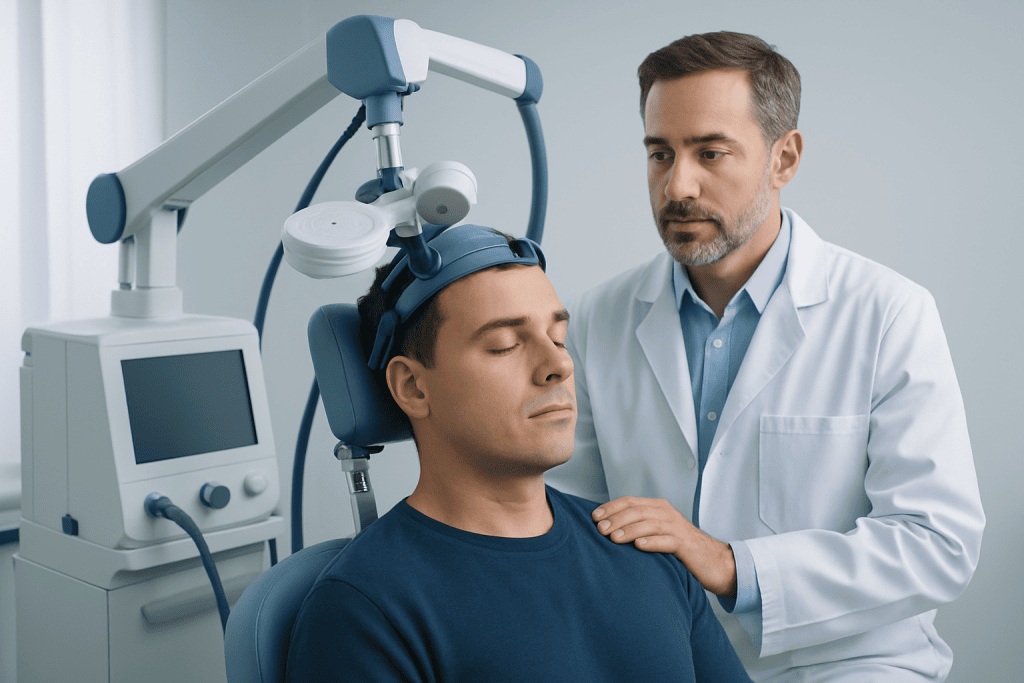
Psychotherapy may include cognitive behavioral therapy, supportive therapy, trauma-focused approaches, family-based care, or other evidence-based methods. When symptoms are complex, patients may benefit from coordinated care that includes psychiatric treatment together with psychological support and medical follow-up. In selected cases of severe or treatment-resistant illness, a psychiatrist may discuss advanced options such as transcranial magnetic stimulation or, when appropriate, electroconvulsive therapy.
Treatment is usually most effective when patients feel able to report changes openly, including improvement, side effects, missed doses, substance use, or new stressors. A good psychiatric plan is collaborative, realistic, and reviewed regularly.
How patients can prepare and support their care
Patients do not need to prepare perfectly for a psychiatry appointment, but a few simple steps can make the visit more productive. It helps to write down symptoms, when they started, major life stresses, past treatments, and any medications or supplements currently being used. If possible, patients can note patterns in sleep, appetite, mood, concentration, and functioning at home or work.
Self-care is not a substitute for medical treatment, but it can support recovery. Regular sleep, balanced nutrition, physical activity, social connection, and limiting alcohol or non-prescribed substances can improve overall mental wellbeing. Stress management techniques such as breathing exercises, structured routines, and therapy homework may also help between appointments.
It is also useful to understand that improvement may take time. Some therapies work gradually, and some medications may need several weeks before their full benefit becomes clear. If treatment does not seem to help, that does not necessarily mean the condition cannot improve; it may mean the diagnosis, dose, type of therapy, or care plan needs to be reviewed.
For international patients who need coordinated evaluation, Acibadem International’s multidisciplinary specialists and JCI-accredited hospitals provide diagnosis and treatment for mental health conditions, with referrals when medical or neurological assessment is also needed.
When to seek medical care
Medical care should be sought when mental health symptoms are persistent, worsening, or affecting safety and daily functioning. This includes symptoms that interfere with sleep, work, school, relationships, or the ability to manage routine responsibilities. It is also appropriate to seek help if previous treatment is no longer working or side effects are difficult to manage.
Urgent evaluation is important if a person has thoughts of self-harm or suicide, expresses hopelessness with a plan to act, becomes unable to care for themselves, shows extreme agitation, or seems disconnected from reality. Sudden confusion, severe behavioral change, or psychiatric symptoms together with fever, head injury, substance use, or new neurological signs should also be assessed promptly because a medical cause may be involved.
If there is an immediate risk of harm, emergency services should be contacted right away. For non-emergency concerns, a psychiatrist, primary care physician, or mental health clinic can guide the next step and help arrange timely support.
Frequently asked questions
What is the difference between a psychiatrist and a psychologist?
A psychiatrist is a medical doctor who can diagnose mental health conditions, prescribe medication, and consider physical causes of symptoms. A psychologist usually focuses on psychological testing and psychotherapy and is not a medical doctor in most settings.
Do all psychiatrists prescribe medication?
Psychiatrists are qualified to prescribe medication, but not every appointment results in a prescription. Treatment depends on the diagnosis, severity of symptoms, medical history, and the patient’s preferences, and may include therapy or monitoring without medication.
Can a psychiatrist provide therapy too?
Yes, some psychiatrists provide psychotherapy as part of care. Others focus more on diagnosis and medication management and work closely with psychologists or therapists to ensure patients receive the right combination of support.
How do patients know if they should see a psychiatrist?
It may be time to see a psychiatrist when symptoms such as anxiety, depression, mood swings, panic attacks, sleep disturbance, or unusual thoughts are persistent or interfering with daily life. A psychiatrist is especially helpful when symptoms are severe, complex, or may require medication.
What should a patient bring to the first appointment?
It is helpful to bring a list of symptoms, current medications, past treatments, and relevant medical history. Notes about sleep, mood changes, substance use, and family history can also support a more accurate evaluation.
How long does psychiatric treatment usually take?
The length of treatment varies widely depending on the condition, symptom severity, and response to care. Some people need short-term support for a specific problem, while others benefit from longer-term follow-up to maintain stability and prevent relapse.
References
- American Psychiatric Association
- National Institute of Mental Health
- World Health Organization
- National Alliance on Mental Illness
- Substance Abuse and Mental Health Services Administration
This article is for general information only and is not a substitute for professional medical advice. Please consult a qualified doctor about your individual situation.
Explore treatments in Turkey — costs, top hospitals & a free quote
JCI-accredited · board-certified surgeons · reply within 24h
Add us as a Preferred Source to see more of our trusted health content across Google Search, AI Overviews and Discover.

More from the Health Library



Related Specialists

Prof. Dr. Demet Etit
Pathology
Prof. Dr. Nur Dilek Bakan
Pulmonary Medicine
Prof. Dr. Bülent Değertekin
Internal Medicine
Fzt. Gizem Erbil
Physical Medicine & Rehabilitation