Tachycardia: What Patients Need to Know

Tachycardia refers to a resting heart rate that is faster than normal for age and situation. Some causes are temporary, such as exercise, fever, anxiety, caffeine, or dehydration.
Key Takeaways
- Tachycardia refers to a resting heart rate that is faster than normal for age and situation.
- Some causes are temporary, such as exercise, fever, anxiety, caffeine, or dehydration.
- Certain forms of tachycardia are arrhythmias that may require tests, monitoring, and treatment.
- Symptoms can include palpitations, dizziness, shortness of breath, chest discomfort, or fainting.
- Urgent care is important if a fast heart rate occurs with chest pain, fainting, severe breathlessness, or ongoing symptoms.
Tachycardia means the heart is beating faster than normal, usually over 100 beats per minute in adults at rest. It can happen for harmless reasons such as exercise or stress, but it can also reflect an underlying heart rhythm problem that should be assessed by a doctor.
Overview: what tachycardia means
Tachycardia is the medical term for a heart rate that is faster than expected, most often defined in adults as more than 100 beats per minute at rest. On its own, a fast pulse is not always dangerous. The heart normally speeds up during exercise, emotional stress, pain, fever, or excitement, and then slows again when the trigger passes.
What matters is the setting, the pattern, and whether symptoms are present. In some people, tachycardia is a short-lived response to everyday factors such as dehydration or too much caffeine. In others, it is caused by an abnormal electrical rhythm in the heart, also called an arrhythmia.
Tachycardia can begin in the upper chambers of the heart, called the atria, or in the lower chambers, called the ventricles. Common rhythm-related types include sinus tachycardia, supraventricular tachycardia, atrial fibrillation with a rapid rate, atrial flutter, and ventricular tachycardia. Some are mainly uncomfortable, while others need prompt medical attention because they can affect blood flow and heart function.
Common signs and how it may feel

Some people notice tachycardia right away, while others only learn about it during a routine examination or wearable device reading. A fast heart rate may feel like pounding, fluttering, racing, or skipped beats in the chest. This sensation is often described as palpitations.
Symptoms vary depending on the cause, how fast the heart is beating, how long the episode lasts, and whether there is an underlying heart condition. A brief increase in heart rate after climbing stairs is usually normal. A sudden fast rhythm at rest that causes discomfort may need medical review.
- Palpitations or a racing heartbeat
- Dizziness or lightheadedness
- Shortness of breath
- Chest discomfort
- Fatigue or weakness
- Feeling anxious or shaky
- Fainting or near-fainting in more serious cases
Symptoms that come on suddenly, last several minutes or longer, or keep recurring should not be ignored. Even when symptoms seem mild, a doctor can help determine whether the rhythm is harmless or needs treatment.
Why tachycardia happens

The heart beats through electrical signals that travel in an organized pattern. Tachycardia can happen when this system speeds up appropriately, such as during exertion, or when the heart’s electrical pathways fire abnormally. Distinguishing between these possibilities is an important part of care.
Temporary or non-cardiac triggers are common. These include exercise, stress, anxiety, pain, fever, anemia, dehydration, pregnancy, smoking, alcohol, stimulant drugs, high caffeine intake, and some medications such as decongestants or certain asthma treatments. Thyroid overactivity, low blood pressure, infection, and poor sleep may also contribute.
Heart-related causes include coronary artery disease, prior heart attack, heart failure, inflammation of the heart, congenital heart disease, or structural problems affecting the valves or heart muscle. Some people have specific rhythm disorders, such as arrhythmia, in which extra or disorganized signals lead to repeated episodes.
Risk factors depend on the type of tachycardia but often include older age, high blood pressure, diabetes, sleep apnea, obesity, smoking, and a family history of heart rhythm problems or sudden cardiac events. In younger people, episodes may still occur even without known heart disease, especially in supraventricular tachycardia.
How doctors diagnose tachycardia
Diagnosis starts with a careful history and physical examination. A doctor will ask when the fast heart rate happens, how long it lasts, what it feels like, and whether it is linked to exercise, stress, illness, medications, or caffeine. Details such as fainting, chest pain, or a family history of rhythm disorders can help guide testing.
An electrocardiogram, or ECG, is often the first test because it records the heart’s electrical activity. If the fast rhythm is not happening during the visit, the doctor may recommend portable monitoring, such as a Holter monitor or event recorder, to capture episodes at home. Wearable devices can be helpful clues, but they do not replace medical interpretation.
Additional tests may include blood work to check for anemia, infection, electrolyte imbalances, or thyroid disease. An echocardiogram can assess heart structure and pumping function. In selected cases, specialists may recommend exercise testing, advanced rhythm monitoring, or an electrophysiology study to map the heart’s electrical pathways. Evaluation may also explore related conditions such as atrial fibrillation if the pulse is fast and irregular.
Treatment options and what they aim to do
Tachycardia treatment depends on the cause. If the fast heart rate is a normal response to exercise, fever, or emotional stress, treatment may simply focus on removing the trigger and supporting recovery. For example, hydration, rest, treating an infection, or adjusting a medication can be enough when the rhythm itself is not abnormal.
When tachycardia is caused by an arrhythmia, treatment aims to slow the heart, restore a normal rhythm, prevent episodes from returning, and reduce complications such as fainting or stroke in selected conditions. Doctors may use medicines that affect the heart’s electrical system, but the choice depends on the exact rhythm and the person’s overall health. Because some rhythm medicines are not suitable for everyone, they should only be used under medical supervision.
For certain recurrent or symptomatic rhythm disorders, procedures may be considered. These can include cardioversion to reset the rhythm or cardiac ablation to target abnormal electrical pathways. If a structural heart problem is contributing, treatment may also involve managing valve disease, coronary artery disease, or heart failure. In more serious cases, specialists may consider devices or hospital-based monitoring.
Care is often individualized, especially when symptoms are frequent, the diagnosis is uncertain, or there are coexisting heart conditions. At the end of the care pathway, some patients benefit from review by a cardiologist or electrophysiology team. Acibadem International’s multidisciplinary specialists and JCI-accredited hospitals diagnose and treat tachycardia for international patients, including evaluation with electrocardiography (ECG) and other heart rhythm tests when clinically appropriate.
Daily self-care and prevention steps
Not every episode of tachycardia can be prevented, but practical lifestyle measures can reduce triggers and support heart health. These steps are especially helpful for people whose fast heart rate is linked to dehydration, stress, stimulants, or poor sleep.
- Stay well hydrated, especially during hot weather or exercise
- Limit excessive caffeine and avoid illicit stimulants
- Stop smoking and moderate alcohol intake
- Manage stress with relaxation techniques, movement, or counseling if needed
- Get enough sleep and ask about possible sleep apnea if snoring or daytime fatigue is present
- Take prescribed medicines exactly as directed and review over-the-counter products with a doctor
It also helps to notice patterns. Keeping a simple record of symptoms, pulse readings, recent food or drink, stress, exercise, and medicines can make it easier for a doctor to identify triggers. People with known heart disease should continue routine follow-up and treatment for blood pressure, cholesterol, diabetes, and other related conditions.
If a doctor has advised specific maneuvers for certain rhythm episodes, these should only be used as instructed. Self-treatment should never replace urgent medical care when symptoms are severe or unfamiliar.
When to seek medical care
A fast heart rate should be assessed promptly if it happens at rest without a clear reason, keeps returning, or causes symptoms such as dizziness, unusual fatigue, or breathlessness. Even if the episode passes, repeated tachycardia deserves medical attention because the underlying cause may be treatable.
Emergency care is important if tachycardia occurs with chest pain, fainting, severe shortness of breath, confusion, bluish lips, or a feeling that the person may collapse. These symptoms may suggest that the heart is not pumping effectively or that another urgent condition is present.
People with known heart disease, a previous arrhythmia diagnosis, or a family history of sudden cardiac problems should be especially cautious about new or worsening symptoms. A doctor can decide whether monitoring, medication changes, or referral for cardiology care is needed.
Frequently asked questions
Is tachycardia always dangerous?
No. Tachycardia can be a normal response to exercise, stress, fever, or dehydration. It becomes more concerning when it happens at rest without a clear reason, causes symptoms, or is linked to an abnormal heart rhythm.
What heart rate is considered tachycardia?
In adults, tachycardia usually means a resting heart rate above 100 beats per minute. However, context matters because a higher rate during physical activity or emotional stress can be normal. Children normally have faster heart rates than adults, so age must be considered.
Can anxiety cause tachycardia?
Yes. Anxiety and panic can activate the body's stress response and temporarily raise the heart rate. Still, a fast heartbeat should not automatically be blamed on anxiety, especially if it is new, severe, recurrent, or associated with fainting or chest symptoms.
How is tachycardia different from palpitations?
Tachycardia describes an actual fast heart rate. Palpitations describe the sensation of noticing the heartbeat, such as pounding, fluttering, or racing, and they may occur with or without tachycardia. A doctor may use tests to see whether the feeling matches a rhythm change.
Can caffeine trigger tachycardia?
For some people, yes. Large amounts of caffeine or sensitivity to stimulants can contribute to a faster heart rate or palpitations. Reducing intake and observing whether symptoms improve can be useful, but persistent symptoms still need medical evaluation.
What tests are usually done for tachycardia?
Common tests include an ECG, blood tests, and sometimes a Holter monitor or event recorder to capture episodes over time. Depending on the situation, a doctor may also order an echocardiogram or other heart rhythm studies to look for the cause.
This article is for general information only and is not a substitute for professional medical advice. Please consult a qualified doctor about your individual situation.
Explore treatments in Turkey — costs, top hospitals & a free quote
JCI-accredited · board-certified surgeons · reply within 24h
Add us as a Preferred Source to see more of our trusted health content across Google Search, AI Overviews and Discover.
Check your numbers in seconds
BMI, calories, due date, blood pressure and 30+ more clinical calculators — free, instant, doctor-reviewed ranges.

More from the Health Library

Neonatologist: Symptoms, Causes, and Treatment — Complete Patient Guide

Zafemy — Explained by Medical Evidence, Not Myths

Jawline Exercises — Explained by Medical Evidence, Not Myths

Hyoscyamine: What Patients Need to Know

Local Anesthesia: An Evidence-Based Guide for Patients

Vagina Hurts: An Evidence-Based Guide for Patients
Cardiology Specialists at Acibadem

Dr. Fikret Mert Acar
Cardiology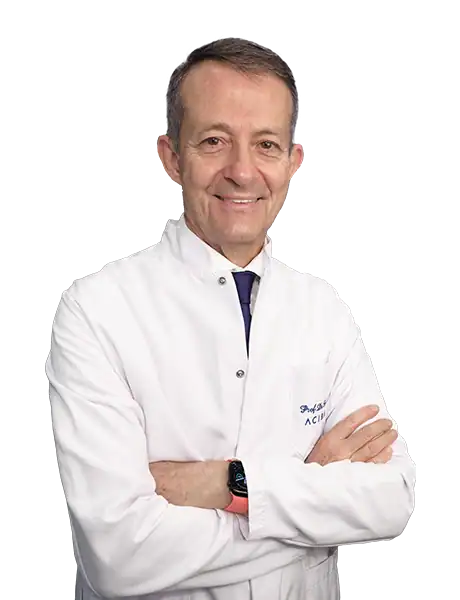
Prof. Dr. Fuat Bilgen
Cardiovascular Surgery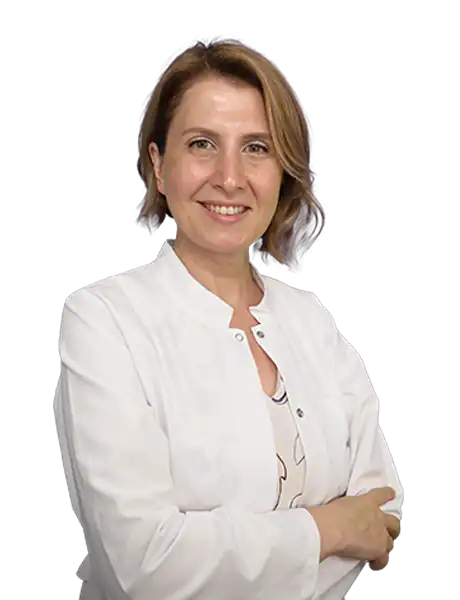
Asst. Prof. Dr. Funda Helvacıoğlu
Cardiology
Asst. Prof. Dr. Gökhan Arslanhan
Cardiovascular Surgery