Cholecystectomy: How It Works, Recovery, and What to Expect

Cholecystectomy removes the gallbladder, usually to treat gallstones and related complications. Most procedures are done laparoscopically through small incisions, which often means a shorter recovery.
Key Takeaways
- Cholecystectomy removes the gallbladder, usually to treat gallstones and related complications.
- Most procedures are done laparoscopically through small incisions, which often means a shorter recovery.
- A person can live without a gallbladder because bile continues to flow from the liver into the intestine.
- Recovery time varies, but many people resume light daily activities within days to weeks depending on the surgical approach.
- Like any surgery, cholecystectomy has risks, but it is a common and generally safe procedure when performed for the right reasons.
- Ongoing severe pain, fever, jaundice, or vomiting before or after surgery should be assessed by a doctor promptly.
Cholecystectomy is surgery to remove the gallbladder, most often because gallstones are causing pain, inflammation, or other complications. It is commonly performed with minimally invasive techniques, and most people can return to usual activities after a period of guided recovery.
Overview: what cholecystectomy is and how it works
Cholecystectomy is an operation to remove the gallbladder, a small organ located under the liver. The gallbladder stores bile, a digestive fluid made by the liver that helps break down fats. When the gallbladder causes repeated symptoms or complications, removing it can relieve pain and prevent further problems.
In most cases, cholecystectomy is performed because of gallstones. These stones can block the normal flow of bile and lead to episodes of pain, infection, or inflammation. Gallbladder removal does not stop the liver from making bile. Instead, bile flows directly from the liver into the small intestine.
There are two main surgical approaches. Laparoscopic cholecystectomy uses several small incisions and a camera to guide the operation, while open cholecystectomy uses a larger incision in the abdomen. For many patients, the minimally invasive approach is preferred because it often leads to less postoperative pain and a faster return to normal activities. When appropriate, the procedure may be planned as cholecystectomy surgery.
Who may need a cholecystectomy
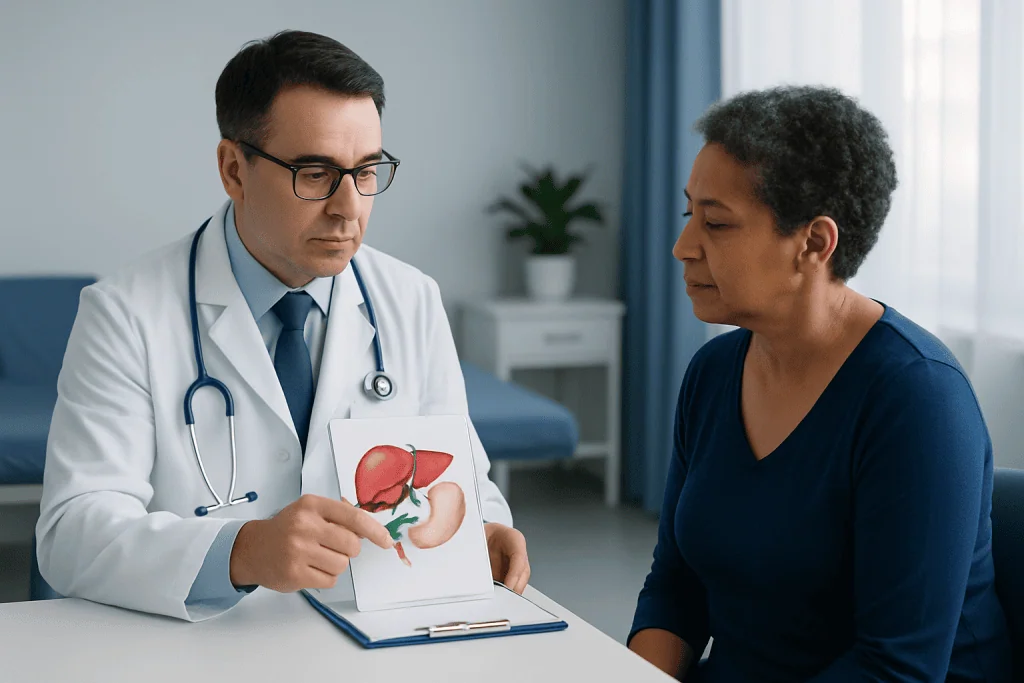
A doctor may recommend cholecystectomy when the gallbladder is causing symptoms or creating a risk of complications. The most common reason is symptomatic gallstones, especially when a person has repeated attacks of pain after meals or discomfort in the upper right abdomen. Gallstones may also trigger nausea, bloating, or pain that radiates to the back or right shoulder.
Cholecystectomy may also be advised for gallbladder inflammation, called cholecystitis, for stones in the bile ducts, or after complications such as pancreatitis caused by gallstones. Some people need surgery urgently if there is infection, severe inflammation, or a blockage affecting the liver or pancreas.
Not everyone with gallstones needs surgery. Gallstones found incidentally on imaging may not require treatment if they are not causing symptoms. A surgeon considers the person’s symptoms, overall health, imaging results, and whether non-surgical management is likely to be effective before recommending an operation.
How the procedure is done: step by step
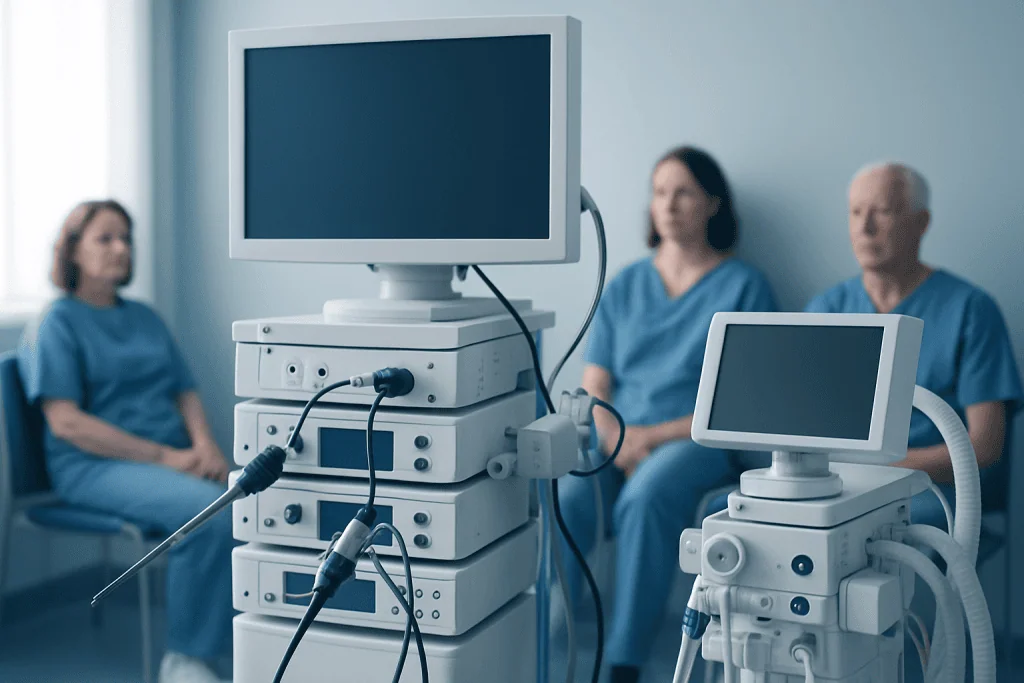
Before surgery, the medical team reviews the person’s symptoms, medications, allergies, and test results. Blood tests and imaging, often an abdominal ultrasound, help confirm the diagnosis and guide treatment planning. The patient is usually asked not to eat or drink for a period before the procedure, and anesthesia is given so the person sleeps during surgery.
In laparoscopic cholecystectomy, the surgeon makes a few small incisions in the abdomen. Carbon dioxide gas is used to gently expand the area so the organs can be seen clearly. A camera and slender instruments are inserted, the gallbladder is carefully separated from nearby structures, and then it is removed through one of the small incisions.
If the anatomy is unclear, there is extensive inflammation, or complications arise, the surgeon may decide to switch to an open procedure for safety. In open cholecystectomy, a larger incision provides direct access to the gallbladder. In some cases, doctors may also evaluate the bile ducts during surgery if there is concern about stones outside the gallbladder, especially when there are signs of gallstones affecting bile flow.
After the gallbladder is removed, the incisions are closed and the patient is monitored in recovery. Many people who have laparoscopic surgery go home the same day or after a short hospital stay, while open surgery usually requires a longer stay and a slower early recovery.
Benefits, risks, and possible side effects
The main benefit of cholecystectomy is relief from recurring gallbladder-related pain and a lower chance of future complications. For people who have repeated attacks, inflammation, or gallstone-related pancreatitis, surgery can improve quality of life and reduce the need for emergency care. It also prevents the diseased gallbladder from causing repeated obstruction or infection.
Cholecystectomy is a common procedure, but like all operations it carries some risks. These include bleeding, infection, reactions to anesthesia, blood clots, and injury to nearby structures such as the bile ducts, liver, or intestine. Leakage of bile can also occur, though this is uncommon and may require additional treatment.
Some patients notice temporary digestive changes after surgery, such as loose stools, bloating, or sensitivity to fatty meals. These symptoms often improve over time as the body adjusts. A doctor may suggest dietary changes during recovery, and if symptoms continue, further evaluation may be needed to rule out bile duct stones or other digestive conditions.
Recovery timeline and what to expect afterward
Recovery after cholecystectomy depends on the surgical approach, the person’s overall health, and whether surgery was planned or done urgently. After laparoscopic surgery, many people are up and walking on the same day and can resume gentle daily tasks within several days. Open surgery usually requires more time for wound healing and regaining strength.
Mild pain around the incisions, shoulder-tip discomfort from the gas used during laparoscopy, and tiredness are common in the early recovery period. The care team usually advises walking, drinking fluids, and gradually returning to regular meals as tolerated. Heavy lifting and strenuous exercise are generally limited for a period recommended by the surgeon.
Digestive function is usually adequate without a gallbladder. Most people eventually eat a normal diet, although smaller meals and lower-fat foods may feel easier at first. If nausea, diarrhea, or abdominal discomfort continues, the patient should discuss this with a doctor because follow-up care may help identify treatable causes.
Follow-up visits are important to review healing, pathology results if relevant, and any persistent symptoms. In centers with advanced digestive and surgical services, related biliary problems may also be assessed with tools such as ERCP or imaging when needed.
Preparation, self-care, and lifestyle after gallbladder removal
Good preparation can make recovery smoother. Before surgery, patients should tell the care team about all medications, supplements, and any blood-thinning drugs, since some may need adjustment. Arranging transport home and help with daily tasks for the first day or two can also be useful.
After surgery, incision care, hydration, and gradual movement are key parts of self-care. Patients are usually advised to keep wounds clean and dry, watch for redness or drainage, and follow instructions about bathing and activity. Short walks may reduce stiffness and support circulation during recovery.
Diet changes do not need to be extreme, but many people feel more comfortable starting with light meals and limiting very fatty or fried foods at first. Over time, most can broaden their diet. If a person has ongoing bile duct symptoms or unexplained jaundice, further digestive evaluation such as gastroenterology care may be appropriate.
For international patients who need evaluation or treatment, Acibadem International’s multidisciplinary specialists and JCI-accredited hospitals diagnose and treat gallbladder conditions, including surgical and endoscopic care, with individualized planning.
When to seek medical care
Medical review is important when symptoms suggest gallbladder disease rather than simple indigestion. A person should contact a doctor if there is repeated upper abdominal pain, especially after meals, pain that lasts several hours, fever, nausea, vomiting, or yellowing of the skin or eyes. These symptoms may point to inflammation, infection, or blockage that should not be ignored.
Urgent assessment is needed if abdominal pain is severe, there is high fever, shaking chills, persistent vomiting, confusion, chest pain, or trouble breathing. These symptoms can signal a more serious problem and should be evaluated promptly.
After cholecystectomy, a patient should seek medical advice for increasing redness or discharge from the incision, worsening abdominal swelling, jaundice, severe diarrhea, or pain that is getting worse rather than better. New or persistent symptoms may be unrelated to the gallbladder itself, so professional evaluation helps guide safe next steps.
Frequently asked questions
What is a cholecystectomy?
A cholecystectomy is surgery to remove the gallbladder. It is most often done when gallstones cause pain, inflammation, or complications such as infection or pancreatitis.
Can a person live normally without a gallbladder?
Yes. The liver still produces bile after the gallbladder is removed, and bile flows directly into the intestine. Most people digest food normally, although some notice temporary changes such as bloating or loose stools.
How long does recovery from cholecystectomy take?
Recovery depends on whether the surgery is laparoscopic or open. Many people recover from laparoscopic surgery within days to a couple of weeks for routine activities, while open surgery often takes longer.
Is cholecystectomy a major surgery?
It is a real abdominal operation and should be taken seriously, but it is also a common and well-established procedure. When done laparoscopically, it is considered minimally invasive and often involves a shorter recovery than open surgery.
What foods should be avoided after gallbladder removal?
In the early recovery period, many people feel better avoiding very fatty, greasy, or heavy meals. Smaller, simpler meals are often easier at first, and most patients gradually return to a regular diet over time.
What are the warning signs after gallbladder surgery?
A doctor should be contacted for fever, worsening abdominal pain, vomiting, jaundice, or increasing redness or drainage from the incision. These symptoms can suggest infection, bile leakage, or another complication that needs assessment.
References
- National Institute of Diabetes and Digestive and Kidney Diseases
- American College of Surgeons
- Society of American Gastrointestinal and Endoscopic Surgeons
- National Health Service
- Mayo Clinic
This article is for general information only and is not a substitute for professional medical advice. Please consult a qualified doctor about your individual situation.
Explore treatments in Turkey — costs, top hospitals & a free quote
JCI-accredited · board-certified surgeons · reply within 24h
Add us as a Preferred Source to see more of our trusted health content across Google Search, AI Overviews and Discover.