Pumpkin — Explained by Medical Evidence, Not Myths
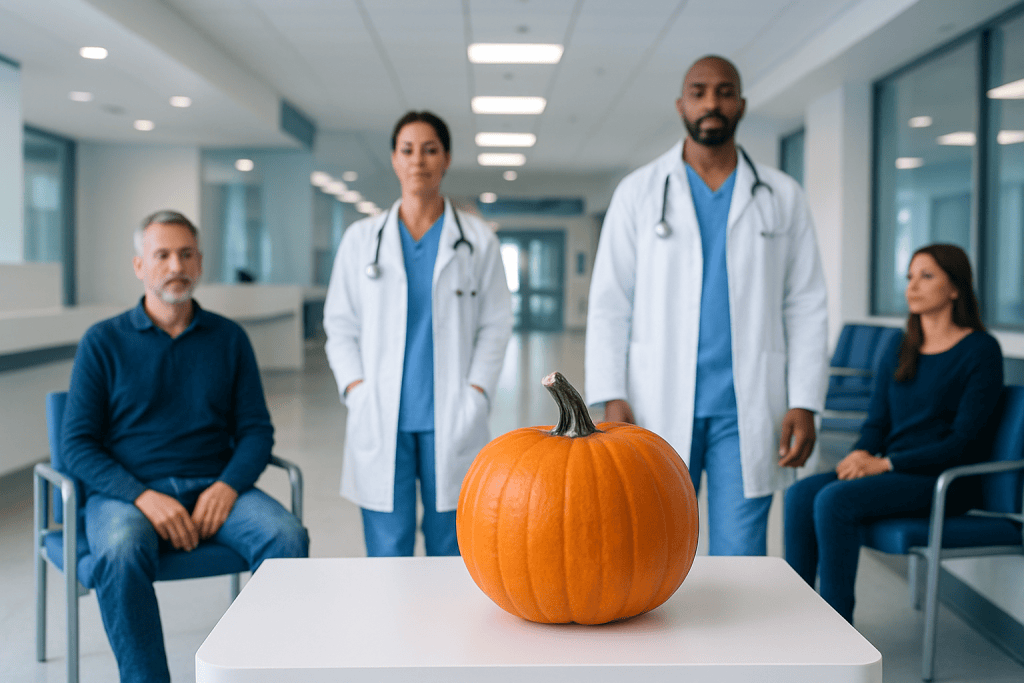
Pumpkin provides fiber, beta-carotene, potassium, and other helpful nutrients. It may support eye, heart, immune, and digestive health as part of a balanced diet.
Key Takeaways
- Pumpkin provides fiber, beta-carotene, potassium, and other helpful nutrients.
- It may support eye, heart, immune, and digestive health as part of a balanced diet.
- Plain pumpkin is generally healthy, but sweetened pumpkin products can be high in sugar and calories.
- People with allergies, digestive sensitivity, or certain dietary needs may need individualized advice.
- Pumpkin seeds are also nutritious and provide protein, healthy fats, and minerals.
Pumpkin is a nutrient-dense food, not a miracle cure. Medical evidence suggests it can support general health through fiber, vitamins, minerals, and antioxidants, while still fitting best into an overall balanced eating pattern.
Overview: what pumpkin is and what the evidence says
Pumpkin is a type of winter squash used in both savory and sweet foods. From a medical nutrition perspective, it is best understood as a whole plant food that provides vitamins, minerals, fiber, and natural antioxidant compounds. It is healthy for most people, but it is not a detox, cure, or special “superfood” that can replace medical care or a balanced eating pattern.
The strongest evidence around pumpkin relates to its nutrient profile. Its orange color reflects carotenoids, especially beta-carotene, which the body can convert to vitamin A. Pumpkin also contains fiber, potassium, vitamin C, and smaller amounts of vitamin E and B vitamins. These nutrients are associated with normal immune function, eye health, digestion, and cardiovascular health.
Evidence also supports a practical distinction that is often missed in popular articles: plain pumpkin is different from pumpkin-flavored desserts and drinks. Fresh or canned plain pumpkin can be a nutritious ingredient. In contrast, pumpkin pie filling, pastries, flavored coffees, and many processed snacks may contain substantial added sugar, refined starch, salt, or saturated fat.
For people trying to make evidence-based food choices, the most helpful question is not whether pumpkin is “good” or “bad.” It is how pumpkin is prepared, how often it is eaten, and how it fits into a person’s wider diet, health goals, allergies, and medical conditions.
Pumpkin nutrition and why it matters

Pumpkin is relatively low in calories and rich in water, which can make it filling without being heavy. It contains dietary fiber, which supports bowel regularity and may help people feel satisfied after meals. Fiber also plays a role in heart and metabolic health by supporting healthy cholesterol patterns and slowing digestion.
One of pumpkin’s best-known nutrients is beta-carotene. The body uses this compound to make vitamin A, which is important for vision, immune defense, skin integrity, and normal cell function. Pumpkin also contributes vitamin C, which supports collagen formation and immune function, and potassium, a mineral involved in blood pressure regulation, muscle function, and fluid balance.
Pumpkin seeds have a somewhat different nutritional profile from the flesh. They provide protein, unsaturated fats, magnesium, zinc, iron, and other minerals. These nutrients can support overall health, although portion size still matters because seeds are more energy-dense than cooked pumpkin.
Nutrition can be especially relevant for people managing weight, blood sugar, or digestive symptoms. Whole-food choices such as pumpkin may be useful within a structured eating plan, but anyone with ongoing concerns about diet-related conditions may benefit from assessment for issues such as obesity or other metabolic risk factors by a qualified clinician.
Potential health benefits of pumpkin

Pumpkin may support eye health because of its beta-carotene content. Vitamin A is essential for normal vision, especially in low light, and carotenoid-rich foods are widely recommended as part of a balanced diet. Pumpkin should not be seen as a treatment for eye disease, but it can be one useful food in an overall dietary pattern that supports visual health.
Its fiber and potassium content may also support cardiovascular health. Fiber can contribute to healthy cholesterol management, while potassium helps the body regulate blood pressure. These benefits are most meaningful when pumpkin is part of a broader heart-healthy eating pattern that includes vegetables, fruits, legumes, whole grains, and appropriate protein sources.
Pumpkin may aid digestive health by promoting regular bowel movements and helping some people feel fuller after eating. This can be helpful for people trying to improve meal quality or avoid overly processed foods. If a person is considering a more structured approach to weight management, options may range from nutrition counseling to weight loss treatment depending on clinical need.
Laboratory research also suggests that pumpkin contains antioxidant compounds that help protect cells from oxidative stress. However, this does not mean pumpkin alone prevents chronic disease. The most evidence-based interpretation is modest: regular intake of vegetables like pumpkin contributes to a healthy dietary pattern associated with better long-term health.
Possible downsides, myths, and who should be cautious
Pumpkin is safe for most people when eaten as a food, but a few cautions are reasonable. Some people may experience bloating, gas, or loose stools if they suddenly increase fiber intake. This is more likely when large amounts are eaten quickly or when overall fluid intake is low.
Allergy is uncommon but possible. A person who develops itching in the mouth, rash, vomiting, swelling, or trouble breathing after eating pumpkin or pumpkin seeds should stop eating the food and seek medical advice. Severe allergic symptoms need urgent care.
Another important point is that “pumpkin” in commercial products does not always mean healthy. Pumpkin pies, syrups, sweet spreads, snack bars, and seasonal drinks may be high in sugar and calories. For people with diabetes, prediabetes, or insulin resistance, these products may affect blood glucose differently from plain cooked pumpkin. Some individuals may need personalized guidance, especially if they are being treated for diabetes.
It is also a myth that pumpkin can cleanse the liver, melt body fat, cure infections, or replace medications. No strong medical evidence supports these claims. Pumpkin can be part of health-supporting nutrition, but it should not delay evaluation of persistent symptoms or substitute for recommended medical treatment.
How to include pumpkin in a healthy diet
The healthiest ways to eat pumpkin are usually the simplest. Roasted pumpkin, pumpkin soup made with moderate salt and fat, mashed pumpkin, and plain canned pumpkin added to oatmeal, yogurt, or sauces are practical options. These preparations preserve the food’s nutritional value without relying on excess sugar.
Pairing pumpkin with protein and healthy fats can make meals more balanced. For example, pumpkin can be served with beans, fish, poultry, olive oil, or yogurt. Pumpkin seeds can be sprinkled onto salads or soups for added texture, protein, and minerals, though portions should still be moderate because seeds are calorie-dense.
People trying to improve digestion or support regularity should increase fiber gradually and drink enough fluids. This can reduce the risk of abdominal discomfort. If digestive complaints such as ongoing bloating, pain, reflux, or altered bowel habits continue despite dietary changes, a doctor may consider evaluation through services such as gastroenterology care.
For those with swallowing problems, digestive disorders, or recovery needs, texture and preparation may matter. Soft cooked pumpkin can be easier to tolerate than raw vegetables or heavily seasoned dishes. Individual tolerances vary, especially in people with irritable bowel symptoms or after gastrointestinal illness.
Pumpkin for children, older adults, and special diets
Pumpkin can fit into many stages of life. For children, plain cooked pumpkin can be part of a varied diet when introduced in age-appropriate textures. It offers nutrients that support growth and immune function, but it should be one of many vegetables rather than the only one offered repeatedly.
Older adults may find pumpkin helpful because it is soft when cooked and can be easier to chew than some raw vegetables. Its nutrient density can be useful when appetite is reduced, although protein intake remains equally important in healthy aging. Combining pumpkin with protein-rich foods may make meals more complete.
People following vegetarian or plant-forward diets can use pumpkin in soups, curries, grain bowls, and purees. Pumpkin seeds can help add plant protein and minerals. However, anyone on a medically restricted diet, such as a low-potassium plan for advanced kidney disease, should ask a clinician or dietitian whether portion limits are needed.
Those with complex medical conditions sometimes benefit from coordinated care across nutrition, internal medicine, and specialty services. Near the end of the care journey, some international patients choose centers such as Acibadem International, where multidisciplinary specialists in JCI-accredited hospitals evaluate diet-related concerns alongside digestive and metabolic health needs.
When to seek medical care
Pumpkin itself rarely causes serious problems, but medical attention is appropriate when symptoms suggest more than a food preference or mild intolerance. A person should speak with a doctor if they develop repeated abdominal pain, persistent bloating, ongoing diarrhea or constipation, unexplained weight loss, blood in the stool, or frequent vomiting. These symptoms should not be attributed to a single food without proper evaluation.
Urgent care is needed for signs of a severe allergic reaction, including trouble breathing, swelling of the lips or throat, severe hives, fainting, or rapid worsening after eating pumpkin or pumpkin seeds. Immediate assessment is also important for severe dehydration, intense abdominal pain, or sudden worsening in someone with a known chronic condition.
People with diabetes, kidney disease, inflammatory bowel disease, or a history of digestive surgery may need more individualized dietary advice. If pumpkin-containing foods seem to trigger recurrent symptoms, a clinician can help determine whether the issue is the food itself, the portion size, the way it was prepared, or an underlying condition.
When medically indicated, treatment may involve nutrition assessment, digestive testing, or support from specialists in fields such as endocrinology or gastroenterology. The goal is not to avoid healthy foods unnecessarily, but to identify the safest and most suitable diet for the individual.
Frequently asked questions
Is pumpkin healthy?
Yes. Plain pumpkin is generally a healthy food that provides fiber, beta-carotene, potassium, and other nutrients. Its benefits are most meaningful when it is part of an overall balanced diet rather than used as a cure or special health product.
Is canned pumpkin as healthy as fresh pumpkin?
Plain canned pumpkin can be a nutritious choice and is often comparable to fresh cooked pumpkin. The key is to choose plain pumpkin puree rather than pumpkin pie filling, which usually contains added sugar and spices and may be much higher in calories.
Can pumpkin help with digestion?
Pumpkin may support digestion because it contains fiber and water. For some people, this can help with regular bowel movements and satiety. However, increasing fiber too quickly may cause gas or bloating, so gradual changes are usually better.
Are pumpkin seeds healthy too?
Yes. Pumpkin seeds provide protein, healthy fats, magnesium, zinc, and iron. They can be a nutritious snack or topping, but they are more calorie-dense than pumpkin flesh, so portion size still matters.
Can people with diabetes eat pumpkin?
Many people with diabetes can include plain pumpkin in balanced meals. The bigger concern is often sweetened pumpkin foods, such as desserts and flavored drinks, which may raise blood sugar more significantly. Individual advice from a clinician or dietitian may be helpful.
Can pumpkin cause allergies or side effects?
Most people tolerate pumpkin well, but allergy is possible. Mild digestive symptoms such as bloating can also occur, especially if someone suddenly eats more fiber than usual. Any severe reaction, particularly breathing difficulty or swelling, needs urgent medical care.
References
- World Health Organization
- U.S. Department of Agriculture
- National Institutes of Health
- Academy of Nutrition and Dietetics
- Centers for Disease Control and Prevention
This article is for general information only and is not a substitute for professional medical advice. Please consult a qualified doctor about your individual situation.
Explore treatments in Turkey — costs, top hospitals & a free quote
JCI-accredited · board-certified surgeons · reply within 24h
Add us as a Preferred Source to see more of our trusted health content across Google Search, AI Overviews and Discover.
Check your numbers in seconds
BMI, calories, due date, blood pressure and 30+ more clinical calculators — free, instant, doctor-reviewed ranges.