Aba Therapy: Symptoms, Causes, and Treatment Options

ABA therapy is a personalized behavioral treatment that teaches communication, social, learning, and daily living skills. It is commonly used for children with autism spectrum disorder, but goals and methods vary from person to person.
Key Takeaways
- ABA therapy is a personalized behavioral treatment that teaches communication, social, learning, and daily living skills.
- It is commonly used for children with autism spectrum disorder, but goals and methods vary from person to person.
- Treatment starts with a detailed assessment and is adjusted over time based on progress data.
- Modern ABA therapy aims to support independence, participation, and meaningful quality of life in everyday settings.
- Families, schools, and therapists often work together to help skills carry over into real-life situations.
ABA therapy, or applied behavior analysis, is a structured, evidence-based approach used to teach helpful skills and reduce behaviors that interfere with learning or daily life. It is most often associated with autism spectrum disorder, but treatment is individualized and focuses on practical goals that matter to the child and family.
What ABA Therapy Is
ABA therapy, short for applied behavior analysis, is a structured treatment approach that uses learning principles to help people build useful skills and reduce behaviors that may affect safety, communication, or participation in daily life. It is most commonly used for children with autism spectrum disorder, but the treatment plan is not one-size-fits-all. Instead, goals are chosen based on the person’s strengths, needs, age, and everyday routines.
In practical terms, aba therapy breaks larger skills into smaller, teachable steps. A therapist may work on communication, play, attention, dressing, feeding, toileting, transitions, or social interaction. Desired behaviors are encouraged through positive reinforcement, which means rewarding progress in a way that is meaningful to the child, such as praise, a preferred activity, or access to a toy.
Modern ABA has moved away from rigid expectations and increasingly focuses on functional outcomes, comfort, autonomy, and family priorities. The aim is not to make a child appear “typical,” but to support learning, independence, and participation in home, school, and community life. For many families, this means setting realistic goals that improve everyday experiences rather than trying to change every difference in behavior.
Why ABA Therapy May Be Recommended
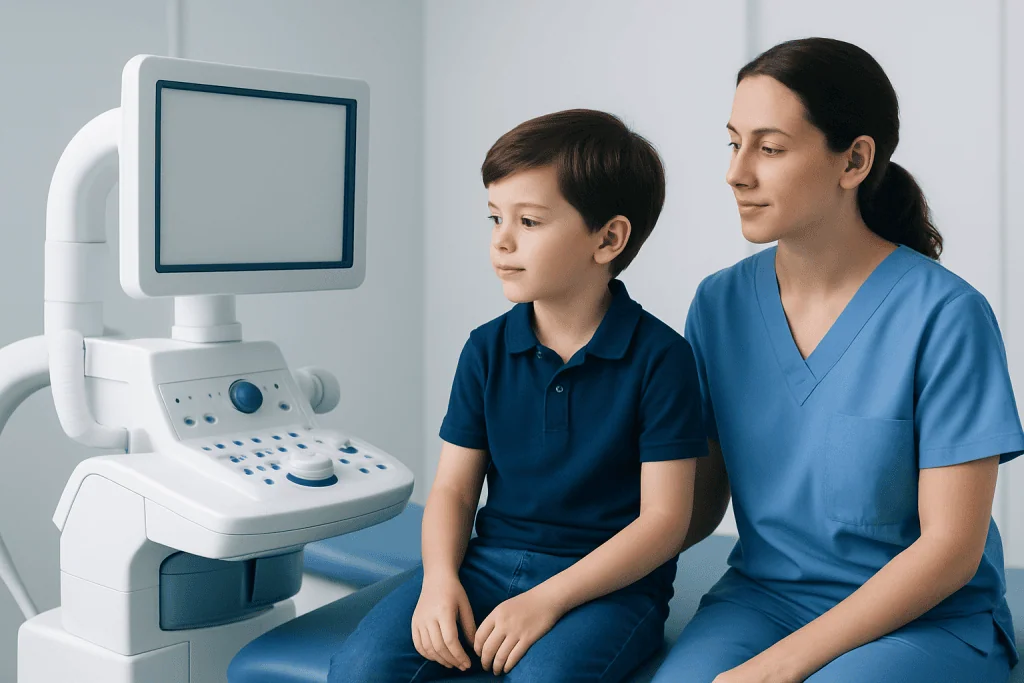
ABA therapy is usually recommended when a child has developmental or behavioral challenges that interfere with communication, learning, social interaction, or daily routines. It is especially common after an evaluation suggests autism spectrum disorder or related developmental concerns. In some cases, it may also be considered when a child shows significant delays in adaptive skills, such as eating, following instructions, or self-care.
Parents often seek help because they notice signs rather than “symptoms” of therapy itself. These concerns may include limited eye contact, delayed speech, difficulty with changes in routine, frequent meltdowns, repetitive behaviors, self-injury, or trouble interacting with peers. A care team may suggest behavioral support alongside developmental, speech, occupational, or educational services to address these areas in a coordinated way.
ABA therapy can also help when a child has specific behavior patterns that make learning difficult, such as aggression, elopement, severe frustration, or refusal of everyday tasks. In these situations, the therapy is not simply about stopping a behavior. The therapist first looks at why the behavior happens and then teaches safer, more effective ways for the child to communicate needs and cope with demands.
How ABA Therapy Works in Daily Practice

ABA therapy starts with careful observation and assessment. A behavior analyst or trained specialist identifies the child’s current skills, the situations that trigger certain behaviors, and the goals that matter most to the family. These may include asking for help, tolerating new foods, playing with others, following routines, or using words or alternative communication. The treatment plan is then broken into measurable targets.
Sessions may take place at home, in a clinic, at school, or in a combination of settings. Some children learn best in short, highly structured activities, while others benefit from naturalistic teaching during play and everyday routines. A therapist may model a skill, prompt the child, reward successful attempts, and gradually reduce support as the child becomes more independent.
Progress is tracked using regular data collection. This helps the care team see whether a strategy is working or whether the plan should be changed. Many families are also taught how to use the same techniques at home, which can make new skills more consistent and easier to generalize across different settings and people.
Depending on a child’s needs, ABA may be part of a broader care plan that includes developmental assessment, autism treatment, speech-language therapy, occupational therapy, and school-based support. A multidisciplinary approach is often helpful when challenges affect several areas of development at the same time.
Common Goals, Benefits, and Limitations
The goals of aba therapy vary widely. For one child, the focus may be learning to request food, tolerate toothbrushing, or sit safely during meals. For another, it may involve building conversation skills, emotional regulation, or independence with dressing and school routines. Therapy can also support play, sharing attention, waiting, and understanding social cues.
Potential benefits include better communication, fewer behaviors that disrupt learning, stronger daily living skills, and improved participation at home or school. When treatment is tailored to the child and family, progress may also reduce stress for caregivers and help the child express needs more effectively. These benefits are often gradual, and realistic expectations are important.
It is equally important to understand limitations. ABA therapy is not a quick fix, and it does not “cure” autism. Response to treatment can differ from one child to another based on developmental profile, communication level, coexisting conditions, therapy quality, and consistency across environments. Some children may need a blend of approaches rather than intensive ABA alone.
Families should feel comfortable discussing goals, methods, and boundaries with the treatment team. A good plan respects the child’s sensory needs, emotional state, and individuality. If a strategy causes distress or does not seem meaningful, it should be reviewed and adjusted rather than continued automatically.
Assessment, Diagnosis, and Choosing the Right Program
ABA therapy itself is a treatment, not a diagnosis. Before therapy begins, many children have a developmental evaluation to understand whether concerns are related to autism, language delay, attention difficulties, intellectual disability, or another condition. This evaluation may include interviews with parents, direct observation, developmental testing, and hearing or speech assessment when needed.
Because challenges can overlap, an accurate diagnosis is important. For example, some children with speech delay may benefit more from language-focused care, while others need a broader behavioral and developmental plan. It may be helpful to ask whether the child has been assessed for ADHD or other neurodevelopmental conditions if attention, impulse control, or activity level are major concerns.
When choosing a program, families may ask who supervises therapy, how goals are selected, how progress is measured, and how parents are involved. It is reasonable to ask whether sessions are play-based, how reinforcement is used, how difficult behaviors are handled, and how the team supports communication and emotional regulation. The best program is usually the one that is evidence-based, transparent, respectful, and clearly connected to the child’s real-life needs.
Treatment Options Alongside ABA Therapy
ABA therapy is often most effective when combined with other supports. Many children benefit from speech therapy and rehabilitation to improve understanding, verbal skills, and alternative communication methods. Others may need occupational therapy to address sensory processing, fine motor skills, feeding challenges, or self-care tasks.
Medical treatment may also be considered if there are associated issues such as sleep problems, seizures, severe anxiety, gastrointestinal discomfort, or significant attention difficulties. These conditions do not replace ABA goals, but managing them can make learning easier and improve comfort. When concerns involve broader development, a pediatric neurologist, developmental pediatrician, child psychiatrist, or psychologist may be involved in care.
Educational support is another key part of treatment. Classroom accommodations, individualized education planning, visual schedules, and teacher collaboration can reinforce the same skills being taught in therapy. For children with major sensory or motor difficulties, pediatric rehabilitation services may also play an important role in helping them function more comfortably and independently.
Near the end of the evaluation and treatment journey, some families seek coordinated care in specialized centers. Acibadem International’s multidisciplinary specialists and JCI-accredited hospitals diagnose and treat developmental and behavioral conditions for international patients when a more comprehensive assessment is needed.
What Families Can Do at Home
Family involvement can make aba therapy more meaningful and practical. Parents and caregivers do not need to become therapists, but learning a few consistent strategies can help a child use new skills in everyday life. This may include giving simple instructions, using visual supports, praising attempts, offering clear routines, and practicing communication during meals, play, dressing, or bedtime.
Consistency matters, but flexibility matters too. Children often learn best when practice is brief, predictable, and linked to real situations rather than repeated drills all day. For example, a child who is learning to request help can practice during snack time, getting dressed, or opening containers. Small, repeated opportunities are often more helpful than long sessions that lead to frustration.
It can also help to track patterns. Families may notice that difficult behaviors happen more often when a child is tired, hungry, overstimulated, or unsure what is expected. Sharing these observations with the therapy team can lead to more effective strategies. Caregivers should also look after their own wellbeing, since stress and exhaustion can affect the whole family’s ability to maintain routines.
Progress is rarely perfectly linear. Some skills improve quickly, while others take more time or temporarily regress during illness, schedule changes, or developmental transitions. Patience, regular review, and realistic goals are important parts of a healthy long-term plan.
When to Seek Medical Care
Families should consider medical or developmental evaluation if a child shows delays in speech, social interaction, play, or daily living skills, or if behaviors begin to interfere with safety, learning, or family routines. Early assessment is useful when concerns include loss of previously gained skills, little response to name, repeated self-injury, extreme distress with change, or inability to communicate basic needs.
More urgent medical attention may be needed if a child has seizures, major sleep disruption, sudden behavioral regression, severe aggression, self-harm, feeding refusal, weight loss, or signs of pain that may be contributing to behavior. These issues are not explained by behavior alone and may need prompt evaluation by a qualified clinician.
If a child is already receiving ABA therapy but progress is limited, it may be time to review the diagnosis, goals, therapy intensity, and possible coexisting conditions. A doctor or specialist can help determine whether additional services, different strategies, or further testing are needed.
Frequently asked questions
What does ABA therapy stand for?
ABA therapy stands for applied behavior analysis. It is a treatment approach that uses learning principles to teach helpful skills and reduce behaviors that interfere with daily life, safety, or learning.
Is ABA therapy only for autism?
ABA therapy is most commonly used for autism spectrum disorder, but its strategies may also be used for other developmental or behavioral needs. Whether it is appropriate depends on the child’s specific challenges, goals, and overall evaluation.
At what age can a child start ABA therapy?
Children can begin ABA therapy as soon as developmental concerns are identified and an appropriate assessment has been completed. Early support can be helpful, but older children and adolescents may also benefit when goals are individualized.
How long does ABA therapy take to work?
Progress varies from child to child. Some families notice improvement in specific routines or communication skills within months, while broader changes may take longer and depend on consistency, treatment quality, and coexisting conditions.
Is ABA therapy the same as speech therapy?
No. ABA therapy focuses on behavior and learning strategies, while speech therapy focuses on communication, language, and speech-related skills. Many children benefit from both as part of a coordinated treatment plan.
Can parents be involved in ABA therapy?
Yes. Parent involvement is often encouraged because it helps children practice new skills in real-life situations at home and in the community. Families may be taught simple strategies to support communication, routines, and positive behavior.
References
- American Academy of Pediatrics
- Centers for Disease Control and Prevention
- National Institute of Mental Health
- National Institute of Child Health and Human Development
- World Health Organization
This article is for general information only and is not a substitute for professional medical advice. Please consult a qualified doctor about your individual situation.
Explore treatments in Turkey — costs, top hospitals & a free quote
JCI-accredited · board-certified surgeons · reply within 24h
Add us as a Preferred Source to see more of our trusted health content across Google Search, AI Overviews and Discover.