Major Depressive Disorder: Early Signs, Risk Factors, and How It Is Treated

Major depressive disorder is more than temporary sadness; it is a medical condition that can affect emotions, thoughts, sleep, appetite, and concentration. Common early signs include persistent low mood, loss of interest, fatigue, changes in sleep or appetite, and feelings of hopelessness or guilt.
Key Takeaways
- Major depressive disorder is more than temporary sadness; it is a medical condition that can affect emotions, thoughts, sleep, appetite, and concentration.
- Common early signs include persistent low mood, loss of interest, fatigue, changes in sleep or appetite, and feelings of hopelessness or guilt.
- Diagnosis is based on a clinical assessment of symptoms, their duration, and their impact on daily life.
- Treatment may include psychotherapy, medication, lifestyle support, or a combination of approaches.
- Urgent medical help is needed if a person has thoughts of self-harm, suicide, or is unable to care for basic needs.
Major depressive disorder is a common mental health condition that affects mood, thinking, energy, sleep, and daily functioning for at least two weeks or longer. Early recognition and evidence-based treatment can help symptoms improve and support recovery.
Overview: what major depressive disorder is
Major depressive disorder is a mental health condition that causes a persistently low mood or loss of interest in usual activities, along with other symptoms that interfere with work, school, relationships, sleep, appetite, and overall well-being. It is not a sign of personal weakness and it is not simply a normal reaction to stress. It is a recognized medical disorder that can affect people of any age, although symptoms may look somewhat different from one person to another.
For a diagnosis, symptoms typically last at least two weeks and are present most of the day, nearly every day. Some people experience one episode, while others have recurring episodes over time. Severity can range from mild to severe, and symptoms may begin gradually, making them easy to overlook in the early stages.
Major depressive disorder can affect the body as well as the mind. A person may notice slowed thinking, low energy, body aches, poor concentration, or changes in appetite and sleep. Because these symptoms can overlap with other medical conditions, careful evaluation is important.
Depression is treatable. Many people improve with timely support, structured psychotherapy, medication when appropriate, and attention to lifestyle and underlying health conditions. Early recognition often makes it easier to reduce the impact on daily life and relationships.
Early signs and symptoms to recognize
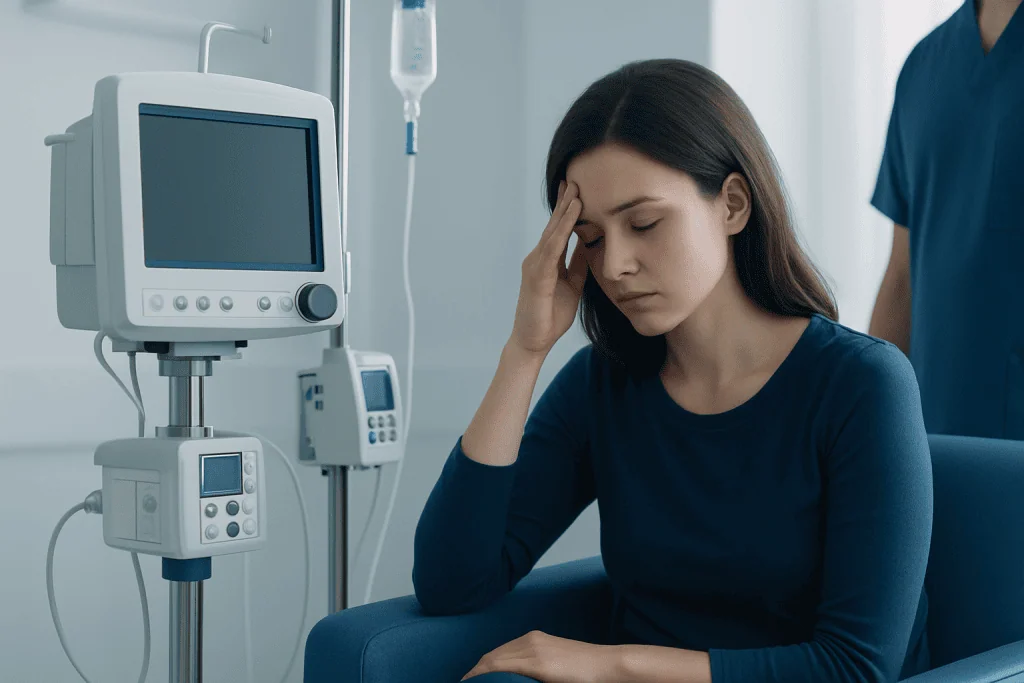
The early signs of major depressive disorder often extend beyond feeling sad. A person may lose interest in hobbies, social activities, or routines that previously felt enjoyable. Everyday tasks can begin to feel unusually difficult, and motivation may drop even when there is a clear reason to stay engaged.
Symptoms vary, but common features include ongoing sadness, emptiness, irritability, fatigue, poor concentration, and changes in sleep or appetite. Some people sleep far more than usual, while others develop insomnia. Appetite may decrease or increase, and weight can change without trying. Thoughts may become more negative, self-critical, or hopeless.
Emotional symptoms are only part of the picture. Depression can also present with physical complaints such as headaches, digestive discomfort, low energy, slowed movement, or a sense of heaviness in the body. In children and teenagers, irritability may be more noticeable than sadness. In older adults, memory concerns or withdrawal may be prominent.
- Persistent low mood or frequent tearfulness
- Loss of interest or pleasure in usual activities
- Low energy or unusual fatigue
- Sleep changes, including insomnia or oversleeping
- Appetite or weight changes
- Feelings of guilt, worthlessness, or hopelessness
- Trouble thinking, concentrating, or making decisions
- Thoughts of death or self-harm
Why major depressive disorder happens

There is no single cause of major depressive disorder. It usually develops through a combination of biological, psychological, and environmental factors. Brain chemistry, stress-response systems, family history, personality traits, and life experiences may all contribute. Depression can begin after a major life event, but it can also appear without an obvious trigger.
Risk factors include a personal or family history of depression, anxiety, trauma, chronic stress, grief, social isolation, substance misuse, and certain medical conditions. Hormonal changes, chronic pain, thyroid problems, neurological disorders, and some medications can also play a role. Because these factors can overlap, treatment often works best when the whole person is considered rather than one symptom alone.
Depression may occur alongside other mental health conditions such as anxiety disorders, sleep problems, or post-traumatic stress. It can also be part of a broader mood disorder, so clinicians may ask detailed questions about past mood changes, periods of unusually high energy, and family history. This helps distinguish major depressive disorder from conditions that require a different treatment approach, such as bipolar disorder.
Importantly, having risk factors does not mean a person will definitely develop depression. In the same way, people without clear risk factors can still experience it. Recognizing patterns early and seeking assessment when symptoms persist can reduce the chance of prolonged suffering.
How doctors diagnose it
Major depressive disorder is diagnosed through a clinical evaluation rather than a single blood test or scan. A doctor or mental health professional asks about mood, sleep, appetite, energy, concentration, daily functioning, personal history, and family history. The timing and pattern of symptoms matter, especially whether they have lasted at least two weeks and are causing meaningful distress or impairment.
During the assessment, the clinician also looks for other explanations for symptoms. Medical conditions such as thyroid disease, vitamin deficiencies, chronic pain, neurological illness, or medication side effects can contribute to low mood and fatigue. In some cases, blood tests or other evaluations may be recommended to check for underlying causes.
Screening questionnaires can support diagnosis, but they do not replace a full medical assessment. An important part of the evaluation is understanding safety, including whether the person has thoughts of self-harm or suicide, psychotic symptoms, or severe loss of function. These findings help determine how urgently care is needed.
Because symptoms can overlap with other conditions, a thorough evaluation helps guide the right treatment. In some situations, doctors may also assess related concerns such as persistent anxiety or sleep disorders, since treating coexisting problems can improve overall recovery.
Treatment options and what recovery may involve
Treatment for major depressive disorder depends on symptom severity, duration, medical history, and personal preferences. Many people benefit from a combination of psychotherapy and medication. For mild depression, structured psychotherapy may be the first step. For moderate to severe depression, medication, therapy, or both are commonly recommended.
Psychotherapy can help people identify unhelpful thought patterns, build coping skills, improve routines, and address stress, grief, trauma, or relationship difficulties. Approaches such as cognitive behavioral therapy and interpersonal therapy are commonly used. When specialist support is needed, a doctor may recommend psychiatric evaluation and treatment as part of a broader care plan.
Antidepressant medicines can reduce symptoms for many people, but they usually take time to work and should be monitored by a qualified clinician. Finding the right medicine may require follow-up and adjustment. In severe, resistant, or urgent cases, doctors may consider other evidence-based treatments, including transcranial magnetic stimulation (TMS) or electroconvulsive therapy (ECT), when appropriate.
Recovery is often gradual rather than immediate. Regular follow-up helps track improvement, side effects, sleep, appetite, energy, and safety. Treatment may also include family education, management of coexisting conditions, and practical support with work, school, or daily structure. Near the end of the care journey, some international patients may choose assessment and treatment at Acibadem International, where multidisciplinary specialists in JCI-accredited hospitals provide care for mental health conditions.
Self-care, prevention, and long-term support
Self-care alone does not replace treatment for major depressive disorder, but it can play a valuable supporting role. Small, consistent steps often help more than trying to make major changes all at once. A predictable daily routine, regular sleep schedule, balanced meals, physical activity, and gentle social contact can support treatment and improve resilience.
Alcohol and recreational drugs can worsen depressive symptoms, interfere with sleep, and make treatment less effective. It may also help to reduce isolation by staying in touch with trusted friends or family, even when motivation is low. Some people find it useful to set one or two achievable goals each day, such as taking a short walk, showering, or completing a simple household task.
Prevention is not always possible, but relapse risk may be lowered by continuing treatment as advised, attending follow-up appointments, and recognizing early warning signs. These signs can include sleep disruption, withdrawing from others, loss of motivation, increased irritability, or returning negative thought patterns.
If depression has recurred before, a personalized plan can be helpful. This may include knowing who to contact, which symptoms to watch for, how to maintain routines during stressful times, and when to return to therapy or medication review. Ongoing support is a normal part of care, not a setback.
When to seek medical care
Medical care should be sought if symptoms of major depressive disorder last more than two weeks, keep returning, or begin to interfere with work, school, relationships, sleep, eating, or self-care. A prompt evaluation is also important when depression appears alongside severe anxiety, panic, substance misuse, or major changes in behavior.
Urgent help is needed if a person talks about wanting to die, has thoughts of self-harm, feels unable to stay safe, becomes confused, hears or sees things that others do not, or is unable to manage basic needs such as eating, drinking, or personal hygiene. In these situations, immediate emergency care or local crisis support should be used without delay.
It is also wise to arrange medical review when symptoms begin after childbirth, after starting a new medicine, or together with significant weight change, chronic pain, memory problems, or thyroid-related symptoms. These situations may point to overlapping medical causes that need attention.
Reaching out early can shorten the time to diagnosis and treatment. If someone is unsure whether symptoms are serious enough, speaking with a primary care doctor, psychiatrist, or qualified mental health professional is a safe and appropriate next step.
Frequently asked questions
What is the difference between major depressive disorder and normal sadness?
Normal sadness usually relates to a specific situation and gradually improves with time or support. Major depressive disorder lasts longer, affects many areas of life, and often includes changes in sleep, energy, concentration, appetite, and interest in usual activities.
How long do symptoms need to last for major depressive disorder to be diagnosed?
Symptoms typically need to be present most of the day, nearly every day, for at least two weeks. A clinician also considers how much the symptoms interfere with daily functioning and whether another medical or psychiatric condition could explain them.
Can major depressive disorder cause physical symptoms?
Yes. Depression may be linked with fatigue, headaches, digestive complaints, body aches, slowed movement, and changes in sleep or appetite. These physical symptoms are real and can be part of the condition, although they should still be medically evaluated when needed.
Is major depressive disorder treatable?
Yes, effective treatment is available. Many people improve with psychotherapy, medication, lifestyle support, or a combination of these approaches, although the best plan depends on individual needs and symptom severity.
Do antidepressants work तुरंत or right away?
Antidepressants do not usually work immediately. Some people notice early changes in sleep or appetite first, but mood improvement often takes several weeks, so regular follow-up with a doctor is important.
Can major depressive disorder come back after treatment?
Yes, some people have recurring episodes. Continuing treatment as advised, keeping follow-up appointments, and noticing early warning signs can help reduce relapse risk and support earlier intervention if symptoms return.
When is depression an emergency?
Depression is an emergency if there are thoughts of suicide or self-harm, inability to stay safe, psychotic symptoms, or inability to care for basic needs. In those situations, urgent emergency care or local crisis services should be contacted immediately.
References
- World Health Organization
- National Institute of Mental Health
- American Psychiatric Association
- National Health Service
- Mayo Clinic
This article is for general information only and is not a substitute for professional medical advice. Please consult a qualified doctor about your individual situation.
Explore treatments in Turkey — costs, top hospitals & a free quote
JCI-accredited · board-certified surgeons · reply within 24h
Add us as a Preferred Source to see more of our trusted health content across Google Search, AI Overviews and Discover.