

Understanding Inflammatory Bowel Disease: A Complete Patient Guide

Inflammatory bowel disease includes Crohn’s disease and ulcerative colitis. Common symptoms include diarrhea, abdominal pain, urgency, fatigue, and weight loss.
Key Takeaways
- Inflammatory bowel disease includes Crohn’s disease and ulcerative colitis.
- Common symptoms include diarrhea, abdominal pain, urgency, fatigue, and weight loss.
- Diagnosis usually involves lab tests, stool tests, imaging, and endoscopy.
- Treatment aims to reduce inflammation, control flares, and maintain remission.
- Ongoing medical care helps prevent complications and supports daily quality of life.
Inflammatory bowel disease is a long-term condition that causes inflammation in the digestive tract, most often as Crohn’s disease or ulcerative colitis. While it can be disruptive, many people manage symptoms well with the right diagnosis, treatment plan, and regular follow-up.
Overview: what inflammatory bowel disease means
Inflammatory bowel disease is a term for chronic conditions that cause ongoing inflammation in the digestive tract. The two main forms are Crohn’s disease and ulcerative colitis. Although the names are sometimes confused with irritable bowel syndrome, they are not the same. Irritable bowel syndrome affects bowel function, while inflammatory bowel disease involves visible inflammation and can damage the lining of the gut.
Crohn’s disease can affect any part of the digestive tract, from the mouth to the anus, and inflammation may involve deeper layers of the bowel wall. Ulcerative colitis affects the colon and rectum and usually involves the inner lining. These differences matter because they can affect symptoms, complications, and treatment choices.
Inflammatory bowel disease often follows a pattern of flare-ups and quieter periods called remission. Some people have mild disease with occasional symptoms, while others need long-term treatment to control inflammation and protect the bowel. With careful monitoring and a personalized plan, many patients continue work, school, travel, and family life.
Symptoms and how IBD can affect daily life
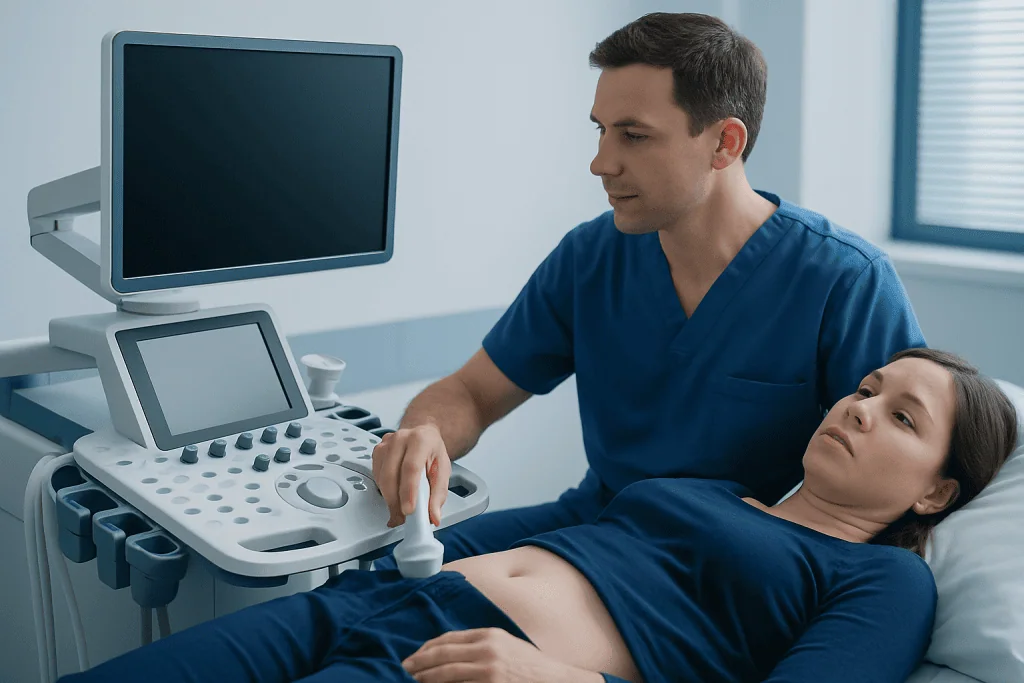
Symptoms of inflammatory bowel disease vary from person to person, and they may change over time. Common symptoms include diarrhea, abdominal pain or cramping, urgent bowel movements, rectal bleeding, fatigue, reduced appetite, and unintended weight loss. Some people notice symptoms gradually, while others develop a more sudden flare.
The condition can also affect areas outside the digestive system. Joint pain, mouth sores, skin changes, and eye inflammation can occur in some patients. Children and teenagers may have slower growth or delayed puberty if inflammation interferes with nutrition.
Daily life can be affected in practical ways. People may need frequent access to a bathroom, avoid certain foods during flares, or feel tired because of inflammation, poor sleep, or anemia. Emotional stress does not cause inflammatory bowel disease, but living with unpredictable symptoms can understandably affect mood, social plans, and confidence.
- Diarrhea or loose stools
- Blood or mucus in the stool
- Abdominal pain, bloating, or cramping
- Urgency or feeling that the bowel is not fully empty
- Fatigue and low energy
- Weight loss or poor growth in children
Causes, triggers, and risk factors
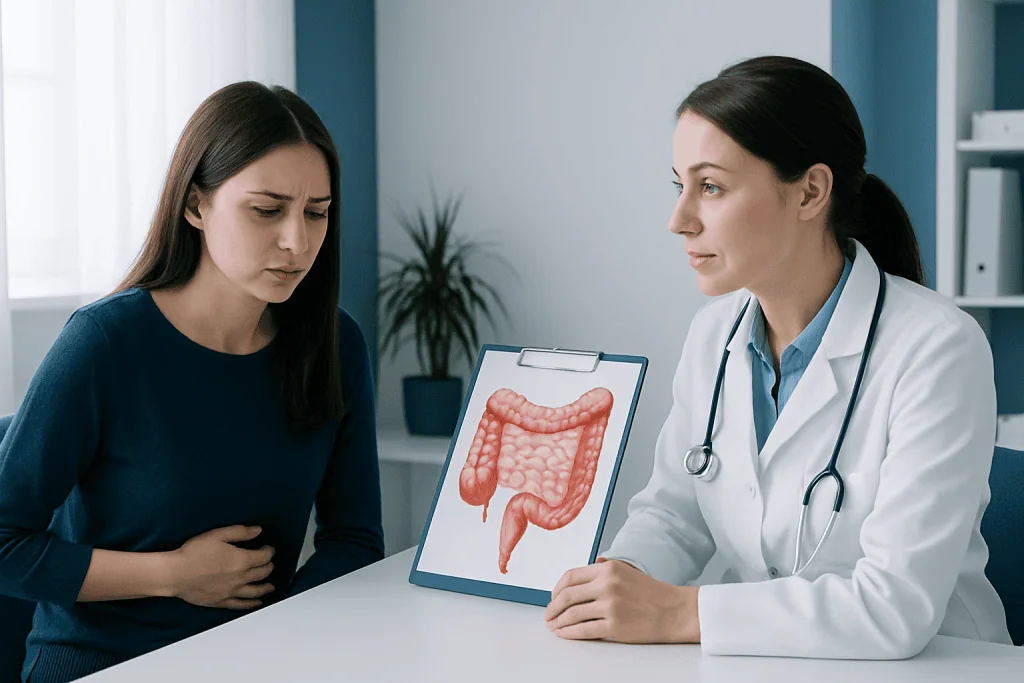
The exact cause of inflammatory bowel disease is not fully understood. Current evidence suggests that it develops when the immune system reacts abnormally in the digestive tract in a person with genetic susceptibility. This leads to inflammation that does not switch off as it should. The gut microbiome, environmental exposures, and the immune response all appear to play a role.
Inflammatory bowel disease is not caused by a single food, an infection, or stress alone. However, certain factors may make symptoms worse or increase the chance of a flare. These can include smoking, some medications such as nonsteroidal anti-inflammatory drugs in certain individuals, infections, and inconsistent use of prescribed treatment.
Risk factors include a family history of inflammatory bowel disease and younger age at diagnosis, although the condition can begin at any age. Smoking is especially important because it increases the risk and severity of Crohn’s disease. Diet may affect symptoms, but diet itself is not considered the sole cause. A gastroenterologist can help patients distinguish between true disease activity and common symptom triggers.
How inflammatory bowel disease is diagnosed
Diagnosing inflammatory bowel disease usually takes more than one test. A doctor begins with a medical history and physical examination, asking about bowel habits, bleeding, pain, weight changes, family history, and symptoms outside the gut. Blood tests may check for anemia, signs of inflammation, dehydration, and nutritional deficiencies. Stool tests can help look for intestinal inflammation and rule out infection.
Endoscopy is often central to diagnosis. A colonoscopy allows the doctor to look directly at the lining of the colon and terminal ileum, take tissue samples, and assess the pattern of inflammation. Biopsies are important because they help confirm the diagnosis and distinguish between Crohn’s disease, ulcerative colitis, infection, and other causes of colitis.
Imaging tests may also be used when deeper bowel layers or the small intestine need evaluation. This can include MRI, CT, or specialized intestinal imaging. In patients with complex disease, imaging may help detect narrowing, fistulas, or abscesses. Depending on symptoms and findings, the care team may combine colonoscopy with specialist gastroenterology evaluation to build a clear treatment plan.
Treatment options and long-term management
Treatment for inflammatory bowel disease is designed to reduce inflammation, relieve symptoms, heal the bowel when possible, and prevent future flares. The best treatment depends on whether the person has Crohn’s disease or ulcerative colitis, where the inflammation is located, how severe it is, and whether there are complications. Many patients need long-term follow-up, even when symptoms improve.
Medicines may include anti-inflammatory drugs, immune-modifying therapies, biologic medicines, and short-term corticosteroids during selected flares. Doctors also address problems linked to the disease, such as iron deficiency, anemia, dehydration, or poor nutrition. Because treatments affect the immune system in different ways, regular monitoring is important to balance benefits and risks safely.
Some people may need surgery if medication is not enough or if complications develop. Surgery can be especially important for bowel narrowing, fistulas, abscesses, severe bleeding, or disease that cannot be controlled medically. In ulcerative colitis, surgery to remove the colon can be curative for the colitis itself, though it is a major decision and requires specialist counseling. Depending on the situation, patients may be evaluated by teams offering surgical treatment and advanced endoscopic assessment.
Care often works best when it is shared between specialties. Gastroenterologists, surgeons, radiologists, dietitians, and nurses may all be involved. Near the end of the care journey, some international patients may choose centers such as Acibadem International, where multidisciplinary specialists in JCI-accredited hospitals diagnose and treat inflammatory bowel disease.
Nutrition, prevention, and self-care during remission and flares
There is no single diet that prevents inflammatory bowel disease, but food choices can help manage symptoms and support recovery. During a flare, some people tolerate smaller meals, simple foods, and good hydration better than large or high-fiber meals. During remission, the goal is a balanced diet that supports energy, weight, bone health, and vitamin and mineral needs.
Because IBD can affect nutrient absorption and appetite, patients may need monitoring for iron, vitamin B12, vitamin D, calcium, folate, and protein intake. A dietitian can help tailor food choices if dairy, fiber, spicy foods, or fatty foods seem to worsen symptoms. Restrictive diets should be used carefully to avoid malnutrition, especially in children and adolescents.
Self-care also includes taking medicines exactly as prescribed, keeping follow-up appointments, avoiding smoking, and staying physically active as tolerated. Vaccination review, stress management, and sleep support are also part of long-term care. Stress does not cause inflammatory bowel disease, but reducing stress can help many people cope better with symptoms and maintain routines.
When to seek medical care
Medical review is important if someone has persistent diarrhea, blood in the stool, abdominal pain that keeps returning, unexplained weight loss, or ongoing fatigue. These symptoms do not always mean inflammatory bowel disease, but they should not be ignored. Early assessment can help identify the cause and start appropriate treatment sooner.
People already diagnosed with IBD should contact their doctor if symptoms suddenly worsen, medicines no longer seem to help, or they cannot eat or drink enough. Signs of possible dehydration, fever, severe abdominal pain, repeated vomiting, or significant rectal bleeding need prompt medical attention. A doctor can also advise when symptoms suggest a flare versus infection or another condition.
Children, older adults, pregnant patients, and people taking immune-suppressing medicines may need closer monitoring. If symptoms are severe or the person feels faint, weak, or unable to manage at home, urgent medical evaluation is the safest step.
Frequently asked questions
Is inflammatory bowel disease the same as IBS?
No. Inflammatory bowel disease involves real inflammation in the digestive tract and can lead to tissue damage. IBS, or irritable bowel syndrome, affects bowel function and does not cause the same type of intestinal inflammation.
What is the difference between Crohn’s disease and ulcerative colitis?
Crohn’s disease can affect any part of the digestive tract and may involve deeper layers of the bowel wall. Ulcerative colitis affects the colon and rectum and usually involves the inner lining of the bowel.
Can inflammatory bowel disease be cured?
IBD is usually a lifelong condition, but many people achieve long periods of remission with treatment. Surgery can cure ulcerative colitis in the sense that removing the colon removes the diseased organ, but it is still a major treatment decision and not needed for everyone.
Does diet cause inflammatory bowel disease?
Diet alone is not considered the cause of inflammatory bowel disease. However, certain foods may make symptoms worse during flares, and nutrition plays an important role in maintaining strength, hydration, and overall health.
Can stress make IBD worse?
Stress does not directly cause inflammatory bowel disease. Still, stress can affect sleep, appetite, pain perception, and coping, so symptom management often improves when stress is addressed alongside medical treatment.
Will everyone with inflammatory bowel disease need surgery?
No. Many people manage IBD with medicines and monitoring alone. Surgery is considered when there are complications, when symptoms remain uncontrolled, or when the disease significantly affects safety or quality of life.
References
- National Institute of Diabetes and Digestive and Kidney Diseases
- Crohn's & Colitis Foundation
- American College of Gastroenterology
- National Health Service
- World Gastroenterology Organisation
This article is for general information only and is not a substitute for professional medical advice. Please consult a qualified doctor about your individual situation.
Inflammatory Bowel in Turkey — costs, top hospitals & a free quote
JCI-accredited · board-certified surgeons · reply within 24h
Add us as a Preferred Source to see more of our trusted health content across Google Search, AI Overviews and Discover.

Gastroenterology
Diagnosis and treatment of the digestive system and liver, with advanced endoscopy.
46 specialists in this unitMore from the Health Library



Related Specialists

Dt. İrem Coşar Tüfekçi
Oral & Dental Health
Dr. İlke Karagöz
Aesthetic Plastic & Reconstructive Surgery
Assoc. Prof. Dr. Fatma Ölmez
Gynecology & Obstetrics
Prof. Dr. Ayşe Korkmaz Toygar
Neonatal Intensive Care Unit