Pansexual: An Evidence-Based Guide for Patients

Pansexuality is a sexual orientation, not a medical condition. A pansexual person may be attracted to people of any gender, though attraction patterns vary from person to person.
Key Takeaways
- Pansexuality is a sexual orientation, not a medical condition.
- A pansexual person may be attracted to people of any gender, though attraction patterns vary from person to person.
- Pansexuality does not by itself cause mental health problems; stress usually comes from stigma, discrimination, or lack of support.
- Healthcare should focus on respectful communication, sexual health needs, mental well-being, and individual goals.
- Medical care may be helpful if someone is experiencing distress, relationship concerns, anxiety, depression, or questions about sexual health.
Pansexual describes a sexual orientation in which a person may feel romantic or sexual attraction to people regardless of gender. It is a valid identity, not a disease or mental disorder, and understanding it can help people make informed decisions about health, relationships, and support.
Overview: what pansexual means
Pansexual is a term for a sexual orientation. In simple terms, it means a person may feel romantic or sexual attraction to people regardless of gender. For some people, gender is not the main factor in attraction; for others, attraction is shaped more by personality, emotional connection, or other qualities.
Pansexuality is not an illness, diagnosis, or symptom. Major medical and mental health organizations do not classify sexual orientations such as pansexual, gay, lesbian, or bisexual as disorders. In healthcare settings, the topic matters because respectful, informed care can support mental well-being, healthy relationships, and appropriate sexual health screening.
People use identity labels in different ways. One person may strongly identify as pansexual, while another may prefer a different term or no label at all. A person’s identity can also become clearer over time. This variation is normal and does not mean the person’s experience is less real.
How pansexuality differs from other orientations
Pansexuality is sometimes compared with bisexuality, but the terms are not identical for everyone. Broadly, bisexual can mean attraction to more than one gender, while pansexual often emphasizes that attraction is not limited by gender. However, many people define these terms in personal ways, and there can be overlap. No outside person or clinician should force a label on someone.
It is also helpful to separate sexual orientation from gender identity. Sexual orientation describes who a person may be attracted to. Gender identity describes a person’s internal sense of being male, female, both, neither, or another gender. These are related aspects of identity, but they are not the same.
Some people may ask whether pansexuality is “just a phase” or confusion. Current evidence does not support treating pansexual identity as a pathology. Like other orientations, it can be a stable part of who someone is, even though language and self-understanding may evolve over time.
- Sexual orientation: who a person is attracted to
- Gender identity: a person’s internal sense of gender
- Romantic orientation: who a person tends to form romantic bonds with
What pansexuality means for health
Being pansexual does not create a specific disease risk on its own. Health needs depend on behavior, anatomy, relationships, age, medical history, and access to care. For example, sexual health screening should be based on the kinds of sexual contact a person has, not assumptions based on identity alone.
In practice, a pansexual person may benefit from the same preventive healthcare as anyone else: routine checkups, vaccination, mental health support when needed, and evidence-based sexual health advice. Clinicians should ask open, nonjudgmental questions about partners, practices, contraception needs, and protection from sexually transmitted infections.
Emotional health is also important. Research shows that LGBTQ+ people may experience higher levels of stress when facing rejection, bullying, stigma, or barriers to care. This is often called minority stress. The stress comes from social experiences, not from pansexuality itself. If someone is struggling with anxiety, low mood, or related concerns, support from a qualified mental health professional can be helpful, including evaluation for depression when symptoms persist.
Common challenges and sources of distress
Many pansexual people feel comfortable and well supported. Others may face misunderstanding from family, friends, schools, workplaces, or healthcare settings. Some may hear inaccurate myths, such as the idea that pansexuality means promiscuity or indecision. These stereotypes are not medically valid and can be harmful.
Distress may appear in several ways: feeling isolated, hiding one’s identity, experiencing relationship strain, or delaying medical care because of fear of judgment. A person may also feel stress if others question whether their orientation is “real.” These reactions can affect sleep, concentration, mood, and self-esteem.
Supportive care focuses on the person’s actual concerns rather than trying to change orientation. Depending on the situation, this may include counseling, family support, couples counseling, sexual health advice, or treatment for symptoms such as panic, persistent sadness, or insomnia. In some cases, structured support with psychotherapy can help people cope with stress, improve communication, and build resilience.
Diagnosis, assessment, and talking with a healthcare professional
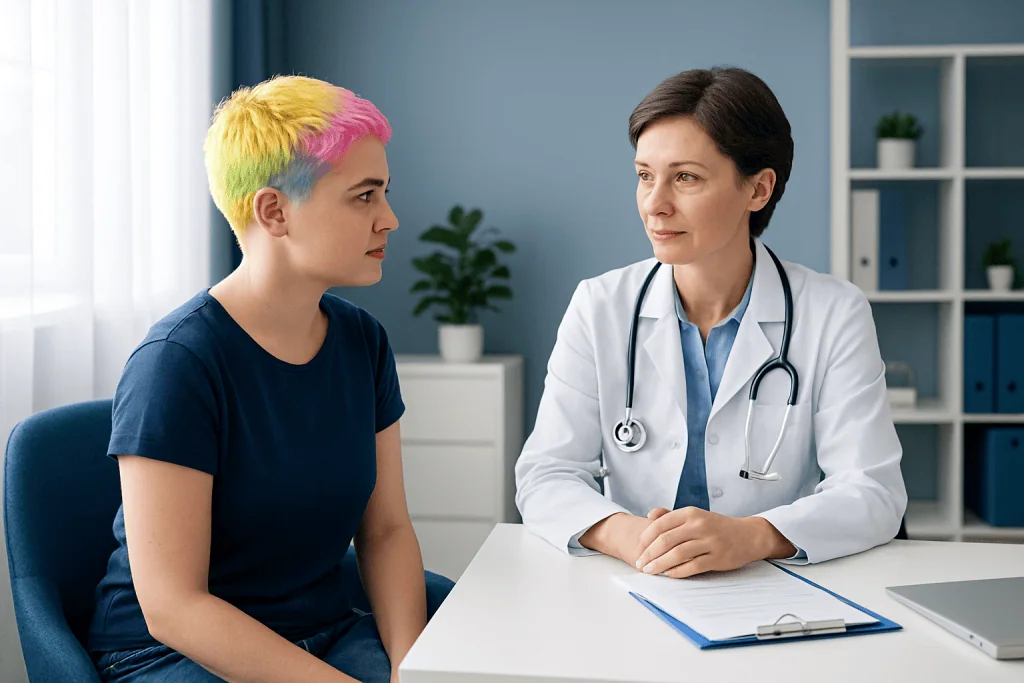
Pansexuality is not diagnosed because it is not a disorder. However, healthcare professionals may discuss sexual orientation as part of a routine social history, sexual health assessment, or mental health evaluation. The goal is not to label a problem but to understand the person’s needs and provide appropriate care.
A respectful assessment may include questions about preferred name and pronouns, relationship status, types of sexual contact, contraception needs, previous sexually transmitted infection testing, and emotional well-being. People should feel free to answer only what is relevant to their care. Confidentiality is an important part of clinical practice, within local laws and safeguarding standards.
If someone is unsure about identity, a clinician can provide a calm, nonjudgmental space to talk. Mental health support can be appropriate when there is confusion causing distress, but the focus should be on exploration and well-being, not changing orientation. If symptoms such as constant worry, panic, or physical tension are present, assessment for anxiety may also be useful.
Support, treatment options, and sexual health care
Because pansexuality is not an illness, there is no medical treatment for it. Care is directed toward a person’s goals and any related health needs. This may include mental health support, safer sex counseling, routine screening, relationship counseling, and general preventive care.
Sexual health guidance should be individualized. Healthcare professionals may discuss barrier methods, contraception where pregnancy is possible, vaccination such as HPV and hepatitis B when appropriate, and testing for sexually transmitted infections based on exposure. If a patient has symptoms, concerns about fertility, or questions about sexual function, targeted evaluation may be recommended.
For people experiencing significant distress, talk therapy can be helpful. Some may benefit from psychiatric assessment if mood, anxiety, trauma-related symptoms, or sleep problems are interfering with daily life. Care should always be affirming and evidence-based. Practices that claim to change a person’s sexual orientation are not supported by evidence and are considered harmful by major professional organizations.
Near the end of the care pathway, some people value coordinated support from multiple specialists. Acibadem International’s multidisciplinary specialists and JCI-accredited hospitals provide diagnosis and treatment for international patients who need help with mental health, sexual health, or related medical concerns.
Self-care, communication, and building support
Self-care often begins with accurate information and self-acceptance. Reading reliable resources, speaking with trusted friends, or joining supportive communities can reduce isolation. Some people find it useful to journal about feelings, relationships, and boundaries while they explore identity at their own pace.
Clear communication can improve both emotional and physical well-being. In relationships, it helps to talk openly about boundaries, expectations, consent, protection from sexually transmitted infections, and contraception if relevant. Respectful conversations can make healthcare visits easier too, especially when discussing sexual practices or concerns with a clinician.
General wellness habits remain important: regular sleep, physical activity, balanced nutrition, and stress management. If social stress is affecting mood or functioning, early support is better than waiting for symptoms to worsen. Seeking help is a sign of good self-care, not weakness.
When to seek medical care
Medical care may be helpful if a person has emotional distress related to identity, relationships, discrimination, or family conflict. Signs that deserve attention include persistent sadness, loss of interest, anxiety, panic attacks, changes in sleep or appetite, trouble functioning at work or school, or thoughts of self-harm. Urgent help is important if there is any immediate risk to safety.
A doctor or mental health professional should also be consulted for sexual health concerns such as genital symptoms, pain during sex, possible exposure to a sexually transmitted infection, questions about contraception, or concerns about fertility. Care should be tailored to the person’s body, behaviors, and goals rather than assumptions based on identity.
People who have had negative healthcare experiences may delay appointments, but respectful support is available. Bringing written questions, asking about confidentiality, and choosing a clinician experienced in inclusive care can help make the visit more comfortable and productive.
Frequently asked questions
Is pansexuality a mental disorder?
No. Pansexuality is a sexual orientation, not a mental illness or medical diagnosis. Distress, when it occurs, is more often related to stigma, rejection, or other life stressors rather than the orientation itself.
What is the difference between pansexual and bisexual?
These terms can overlap, and many people define them in personal ways. In general, bisexual may mean attraction to more than one gender, while pansexual often means attraction is not limited by gender. Neither label is more valid than the other.
Can someone know they are pansexual at any age?
Yes. Some people understand their orientation early, while others recognize it later in adolescence or adulthood. A person's understanding of identity may become clearer over time, and that is a normal part of human development.
Does being pansexual affect sexual health risks?
Not by itself. Sexual health risks depend on specific behaviors, types of sexual contact, anatomy, and protection methods used. Screening and prevention should be based on individual exposure rather than identity labels alone.
Should a person tell their doctor they are pansexual?
If it feels safe and relevant, sharing this information can help a clinician provide more personalized and respectful care. It may guide discussions about relationships, mental well-being, and sexual health. Patients should also feel entitled to confidentiality and clear communication.
What kind of support can help if someone feels distressed?
Support may include trusted friends or family, peer groups, school or workplace resources, and counseling with an affirming clinician. If symptoms of anxiety or depression are significant or persistent, professional mental health care is appropriate.
References
- World Health Organization
- American Psychological Association
- American Academy of Pediatrics
- Centers for Disease Control and Prevention
- The Trevor Project
This article is for general information only and is not a substitute for professional medical advice. Please consult a qualified doctor about your individual situation.
Explore treatments in Turkey — costs, top hospitals & a free quote
JCI-accredited · board-certified surgeons · reply within 24h
Add us as a Preferred Source to see more of our trusted health content across Google Search, AI Overviews and Discover.

More from the Health Library

Loperamide 2mg: A Complete Medical Overview

E. Coli Meat UTI Study — Explained by Medical Evidence, Not Myths

Syrup Malt: A Complete Medical Overview

Post Menopausal: What Patients Need to Know

Obstructive Shock — Explained by Medical Evidence, Not Myths