

Hypothalamus: An Evidence-Based Guide for Patients

The hypothalamus links the brain and hormone system and helps keep the body in balance. Problems affecting the hypothalamus may cause changes in sleep, appetite, thirst, temperature control, weight, mood, puberty, or fertility.
Key Takeaways
- The hypothalamus links the brain and hormone system and helps keep the body in balance.
- Problems affecting the hypothalamus may cause changes in sleep, appetite, thirst, temperature control, weight, mood, puberty, or fertility.
- Hypothalamus symptoms can be caused by several different conditions, so careful evaluation is important.
- Diagnosis often includes blood tests, hormone assessment, and MRI of the brain.
- Treatment depends on the underlying cause and may involve endocrinology, neurology, neurosurgery, or oncology care.
- Persistent or worsening symptoms should be assessed by a qualified doctor.
The hypothalamus is a small but essential part of the brain that helps regulate hormones, body temperature, hunger, thirst, sleep, stress responses, and many automatic body functions. When it is affected by illness, injury, inflammation, or a tumor, symptoms can involve multiple body systems, so diagnosis usually combines medical history, hormone testing, and brain imaging.
Overview: what the hypothalamus does
The hypothalamus is a small structure deep within the brain, located near the pituitary gland. Even though it is small, it plays a central role in keeping the body stable and balanced. It acts as a control center that receives signals from the brain, blood, and nervous system, then helps coordinate responses that affect hormones, metabolism, temperature, sleep, and many automatic functions.
In simple terms, the hypothalamus helps maintain homeostasis, which means the body’s internal balance. It helps regulate hunger and fullness, thirst, body temperature, stress responses, heart rate patterns, sleep-wake cycles, sexual function, and growth-related signals. It does this partly by sending nerve signals and partly by controlling the pituitary gland, which then influences other hormone-producing glands throughout the body.
Because the hypothalamus affects several body systems at once, symptoms of a hypothalamic problem may seem unrelated at first. A person may notice unusual fatigue, disturbed sleep, unexplained weight change, menstrual irregularities, excessive thirst, problems with puberty, or difficulty tolerating heat or cold. These symptoms do not always mean there is a hypothalamus disorder, but they can be clues that the body’s regulatory system needs medical evaluation.
How the hypothalamus affects the body
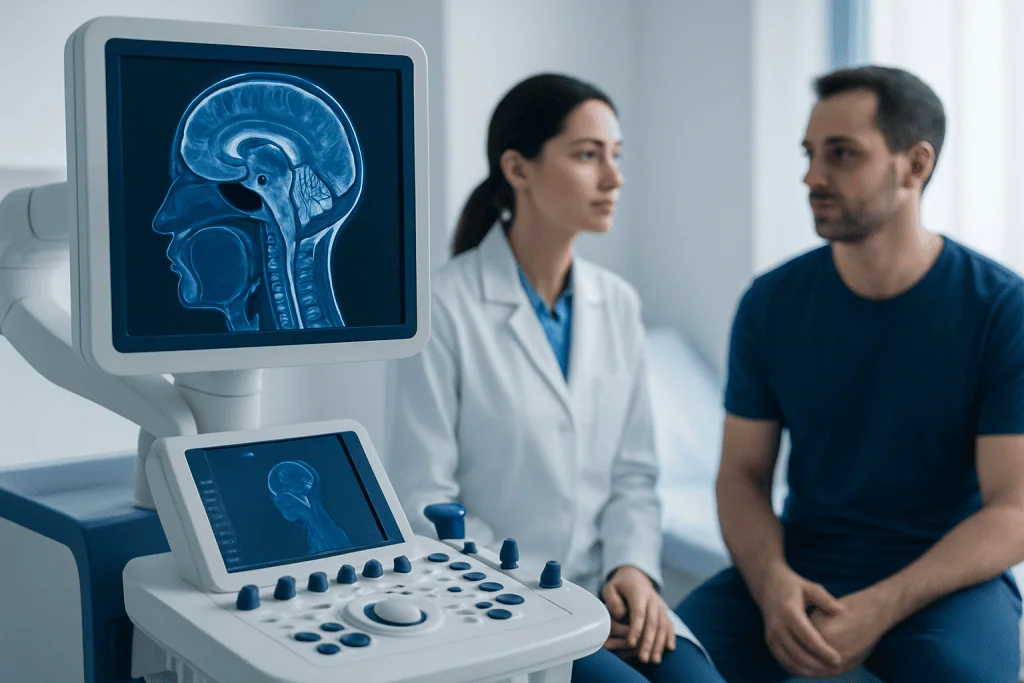
The hypothalamus works closely with the endocrine system, especially the pituitary gland. It releases signaling hormones that tell the pituitary when to stimulate the thyroid, adrenal glands, ovaries, testes, and growth processes. This is why hypothalamic disorders can lead to broad hormonal effects rather than a single isolated symptom.
It also helps regulate body temperature, water balance, and circadian rhythm. If the hypothalamus is not working normally, the body may have trouble recognizing thirst, controlling sweating, maintaining a stable temperature, or producing a regular sleep pattern. Some people develop changes in appetite that lead to weight gain or weight loss, while others notice altered stress tolerance or emotional changes.
Important functions of the hypothalamus include:
- Controlling the release of hormones through the pituitary gland
- Regulating hunger, satiety, and energy balance
- Helping manage thirst and fluid balance
- Maintaining body temperature
- Supporting sleep and daily biological rhythms
- Influencing puberty, fertility, and sexual health
- Coordinating part of the body’s stress response
Because these functions overlap with many other conditions, hypothalamic problems can sometimes be mistaken for a primary endocrine disorder, a sleep disorder, or another neurological condition. A structured evaluation helps distinguish among these possibilities.
Symptoms that may suggest a hypothalamus problem

Symptoms vary depending on which part of the hypothalamus is affected and how severe the dysfunction is. Some people develop symptoms gradually, while others notice a clear change after a head injury, infection, surgery, or diagnosis of a brain lesion. In children and adolescents, growth and puberty changes may be especially important clues.
Common possible symptoms include persistent fatigue, disturbed sleep, increased or decreased appetite, unexplained weight change, excessive thirst, frequent urination, sensitivity to heat or cold, headaches, mood changes, and difficulty concentrating. Hormonal effects can lead to irregular menstrual cycles, fertility problems, reduced libido, delayed puberty, or problems with growth.
In some cases, hypothalamic dysfunction may occur alongside pituitary problems because the two structures are closely connected. People may then develop symptoms related to broader hormonal imbalance, such as weakness, low blood pressure, changes in skin or hair, or reduced ability to cope with physical stress. In selected cases, doctors may also evaluate related conditions such as pituitary tumors if symptoms and imaging findings suggest involvement of the pituitary region.
Not every symptom points directly to the hypothalamus. For example, sleep problems may have many causes, and weight change may relate to diet, medications, thyroid disease, or other medical conditions. This is why a doctor usually considers the whole pattern of symptoms rather than relying on one sign alone.
Causes and risk factors
Hypothalamic dysfunction is not a single disease. It is a result of an underlying problem affecting this part of the brain. Causes can include benign or malignant tumors, inflammation, infections, congenital conditions, autoimmune disease, vascular problems, radiation effects, surgery near the pituitary-hypothalamic region, and traumatic brain injury. In some people, the cause is temporary and reversible; in others, it may be chronic and require long-term follow-up.
Lesions in the sellar or suprasellar region of the brain can interfere with normal hypothalamic signaling. These may include cysts, tumors, and other structural abnormalities. Depending on the findings, treatment may involve close monitoring, endocrine therapy, or procedures such as brain tumor surgery when a mass is causing pressure or hormonal disruption.
Other recognized contributors include significant head trauma, rare genetic syndromes, and diseases that affect inflammation or infiltration of brain tissue. Children may present with growth failure, obesity, or puberty disorders. Adults may present with sleep disruption, temperature instability, infertility, or symptoms related to hormone deficiency.
Risk factors depend on the cause but may include a history of brain surgery, cranial radiation, serious head injury, known endocrine disease, or a diagnosed brain tumor. A person with these risk factors does not necessarily develop hypothalamic dysfunction, but they may need closer medical follow-up if symptoms appear.
How doctors diagnose hypothalamus disorders
Diagnosis begins with a careful medical history and physical examination. Doctors ask about sleep, appetite, thirst, weight changes, menstrual history, sexual health, growth, medications, and any prior neurological or endocrine conditions. Because symptoms can overlap with many disorders, the pattern and timeline of symptoms are often very helpful.
Blood tests commonly assess hormone levels and related body functions. Depending on the symptoms, this may include thyroid hormones, cortisol-related testing, reproductive hormones, growth-related markers, sodium balance, and glucose metabolism. If there is concern about excessive thirst and urination, doctors may also evaluate water balance disorders. In many patients, care is coordinated with endocrinology and metabolic diseases specialists.
Imaging is often an important part of diagnosis. MRI of the brain can help identify structural causes near the hypothalamus and pituitary region, such as masses, inflammation, or congenital changes. When neurological symptoms, visual changes, or headaches are present, clinicians may also assess nearby brain structures and visual pathways.
Additional tests may include visual field testing, sleep evaluation, or referral to neurology, endocrinology, ophthalmology, or neurosurgery, depending on the suspected cause. The goal is not only to identify hypothalamic dysfunction but also to understand what is causing it, because treatment depends on that answer.
Treatment options and long-term management
There is no single treatment for all hypothalamus disorders. Care is based on the underlying cause and the specific body systems affected. In many cases, treatment aims to manage the root problem and replace or support any hormones or functions that have been disrupted.
For example, if a tumor or cyst is present, treatment may include observation, medication, radiation, or surgery, depending on the diagnosis. If the problem involves hormone deficiency or imbalance, doctors may recommend hormone replacement or other endocrine therapies. People with sleep problems, appetite changes, or fluid-balance issues may also need targeted symptom management and regular follow-up.
Because the hypothalamus is closely linked to several specialties, treatment is often multidisciplinary. This may include endocrinologists, neurologists, neurosurgeons, neuro-ophthalmologists, oncologists, pediatric specialists, or rehabilitation professionals. If a structural lesion is identified, doctors may also evaluate conditions such as brain tumors to guide treatment planning.
Long-term monitoring is often important, especially if the cause is chronic or if treatment affects pituitary or hypothalamic function over time. Follow-up may include repeated hormone testing, imaging, assessment of growth or puberty in children, fertility evaluation, and support for nutrition, sleep, and quality of life. Near the end of the care pathway, some patients may seek assessment at centers such as Acibadem International, where multidisciplinary specialists in JCI-accredited hospitals diagnose and treat hypothalamic and related brain-endocrine conditions for international patients.
Prevention, self-care, and living with symptoms
Not all hypothalamus disorders can be prevented, especially those caused by congenital conditions or tumors. However, general brain and hormonal health can be supported by managing chronic conditions, attending follow-up appointments after head injury or brain treatment, and seeking evaluation for persistent unexplained symptoms rather than ignoring them.
Self-care does not replace medical treatment, but it can help people cope with symptoms. Useful measures may include keeping a sleep routine, tracking appetite and weight changes, noting fluid intake and urination patterns, recording menstrual changes, and following the treatment plan provided by a doctor. These observations can help the care team identify patterns and adjust treatment.
Healthy lifestyle habits may also support overall well-being:
- Maintain regular sleep and wake times when possible
- Eat balanced meals and monitor significant weight changes
- Stay hydrated, especially if thirst or fluid balance is affected
- Take prescribed medications consistently
- Attend scheduled blood tests and imaging appointments
- Report new symptoms such as headaches, visual changes, or severe fatigue promptly
People living with chronic hypothalamic dysfunction may benefit from coordinated care over time. Education about the condition, realistic expectations, and regular communication with clinicians can make symptom management more effective and less stressful.
When to seek medical care
Medical care is appropriate if symptoms suggest the body’s normal regulation is changing in a persistent or unexplained way. Examples include unusual weight gain or loss, major appetite changes, excessive thirst, frequent urination, long-lasting sleep disruption, menstrual irregularities, delayed or early puberty, fertility concerns, or unexplained temperature intolerance. These symptoms are not always caused by the hypothalamus, but they should be evaluated.
Urgent medical attention is needed if symptoms are severe or sudden, especially when they include intense headache, vomiting, confusion, fainting, major vision changes, seizures, or symptoms after a significant head injury. These can indicate a serious neurological or hormonal problem that requires prompt assessment.
If a person already has a diagnosed pituitary or brain condition, new endocrine or neurological symptoms should also be reported without delay. Early evaluation can help identify whether the hypothalamus, pituitary gland, or nearby structures are involved and whether treatment needs to change.
Frequently asked questions
What is the hypothalamus in simple terms?
The hypothalamus is a small area deep in the brain that helps control many automatic body functions. It helps regulate hormones, temperature, hunger, thirst, sleep, stress responses, and reproductive signals.
Can hypothalamus problems cause weight changes?
Yes. Because the hypothalamus helps regulate appetite, metabolism, and energy balance, problems affecting it can contribute to weight gain or weight loss. Weight change alone is not enough to diagnose a hypothalamic disorder, so doctors look at the full symptom pattern.
How do doctors test for a hypothalamus disorder?
Doctors usually combine a medical history, physical examination, hormone-related blood tests, and brain imaging such as MRI. Additional testing may be needed depending on symptoms, including visual assessment or specialist endocrine evaluation.
Is the hypothalamus the same as the pituitary gland?
No, but they work very closely together. The hypothalamus sends signals that help control the pituitary gland, and the pituitary then influences many other hormone-producing glands in the body.
Can a head injury affect the hypothalamus?
Yes, in some cases traumatic brain injury can disrupt hypothalamic or pituitary function. If symptoms such as excessive thirst, fatigue, sleep disruption, or hormone-related changes appear after a head injury, medical assessment is important.
Are hypothalamus disorders treatable?
Many causes are treatable or manageable, but treatment depends on the underlying problem. Care may involve hormone therapy, treatment of a tumor or inflammation, symptom management, and long-term follow-up with specialists.
References
- National Institute of Neurological Disorders and Stroke
- National Institute of Diabetes and Digestive and Kidney Diseases
- Endocrine Society
- Merck Manual Professional Edition
- Mayo Clinic
This article is for general information only and is not a substitute for professional medical advice. Please consult a qualified doctor about your individual situation.
Medical weight-loss options in Turkey — costs & eligibility
JCI-accredited · board-certified surgeons · reply within 24h
Add us as a Preferred Source to see more of our trusted health content across Google Search, AI Overviews and Discover.
Check your numbers in seconds
BMI, calories, due date, blood pressure and 30+ more clinical calculators — free, instant, doctor-reviewed ranges.

More from the Health Library



Related Specialists

Assoc. Prof. Dr. Taner Arpacı
Radiology
Dr. İdris Berke Ceylan
Emergency Service
Pedagog Seren Öztoprak Kılıç
Pedagogy
Prof. Dr. Murat Saruç
Gastroenterology