Fungal Acne: What Patients Need to Know

Fungal acne is usually Malassezia folliculitis, a yeast-related follicle infection rather than classic acne. A clue is intense itchiness and many small bumps that look very similar to each other.
Key Takeaways
- Fungal acne is usually Malassezia folliculitis, a yeast-related follicle infection rather than classic acne.
- A clue is intense itchiness and many small bumps that look very similar to each other.
- It often worsens with heat, sweat, tight clothing, oily products, or antibiotics.
- Treatment usually involves antifungal skin care or prescribed antifungal medicines, not standard acne treatment alone.
- A dermatologist can help confirm the diagnosis because fungal acne can resemble acne vulgaris or bacterial folliculitis.
Fungal acne is not true acne. It is an inflammation of hair follicles caused by an overgrowth of yeast, most often Malassezia, and it usually causes small, similar-looking itchy bumps on the chest, back, shoulders, or face.
Overview: what fungal acne really is
Fungal acne is a common name for Malassezia folliculitis, a condition in which yeast that normally lives on the skin grows too much inside hair follicles. This causes an acne-like eruption of small bumps or pustules. Even though the name is widely used, fungal acne is not the same as ordinary acne.
The difference matters because the treatment is different. Standard acne products may help some people if they also have true acne, but they often do not fully clear fungal acne and in some cases may irritate the skin. Because this condition is driven by yeast overgrowth rather than clogged pores alone, antifungal treatment is often needed.
Fungal acne most often affects areas where sweat and oil collect, such as the forehead, hairline, chest, upper back, and shoulders. It can happen in teenagers and adults, especially in warm, humid environments or after factors that disturb the skin’s normal balance.
How to recognize symptoms
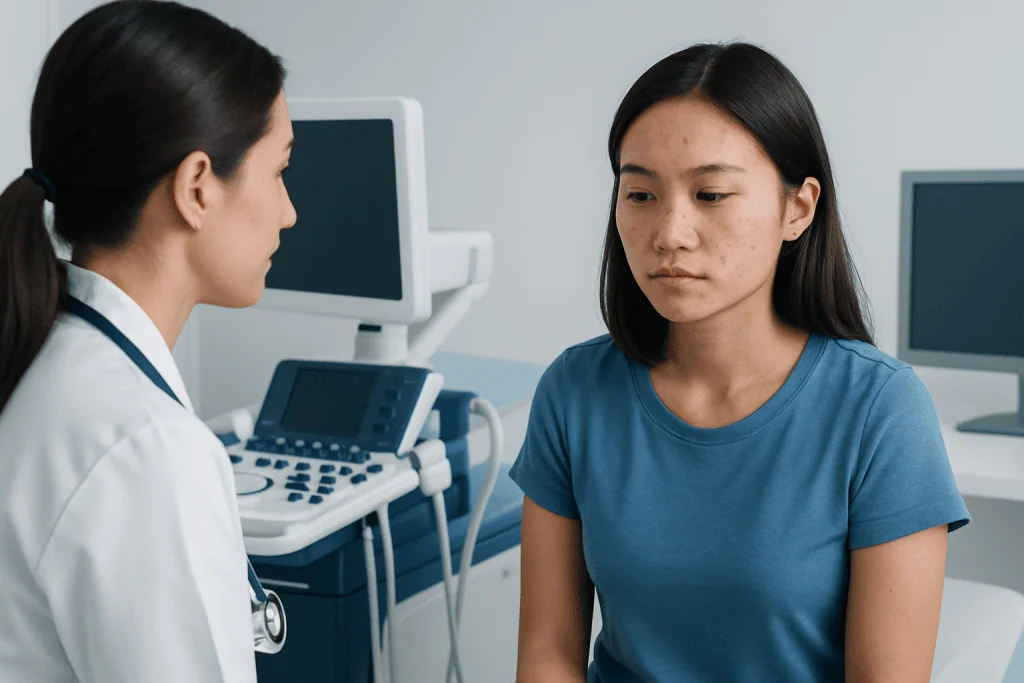
Fungal acne usually appears as many small bumps that look very similar to each other. Doctors sometimes describe this as a “monomorphic” eruption, meaning the spots tend to be about the same size and shape. The bumps may be skin-colored, red, or pus-filled, and they often appear in clusters.
One of the most helpful clues is itching. While classic acne can be tender, fungal acne is often noticeably itchy, especially with heat or sweating. The rash may flare after exercise, in hot weather, or when the skin stays damp under tight clothing.
Areas commonly affected include:
- Forehead and hairline
- Chest and upper back
- Shoulders and upper arms
- Sometimes the jawline or sides of the face
Because fungal acne can look like ordinary pimples, many people treat it as acne for weeks or months before getting the right diagnosis. Some patients also have regular acne at the same time, which can make the picture more confusing. If blackheads and whiteheads are prominent, acne may also be part of the problem.
What causes fungal acne and who is more likely to get it
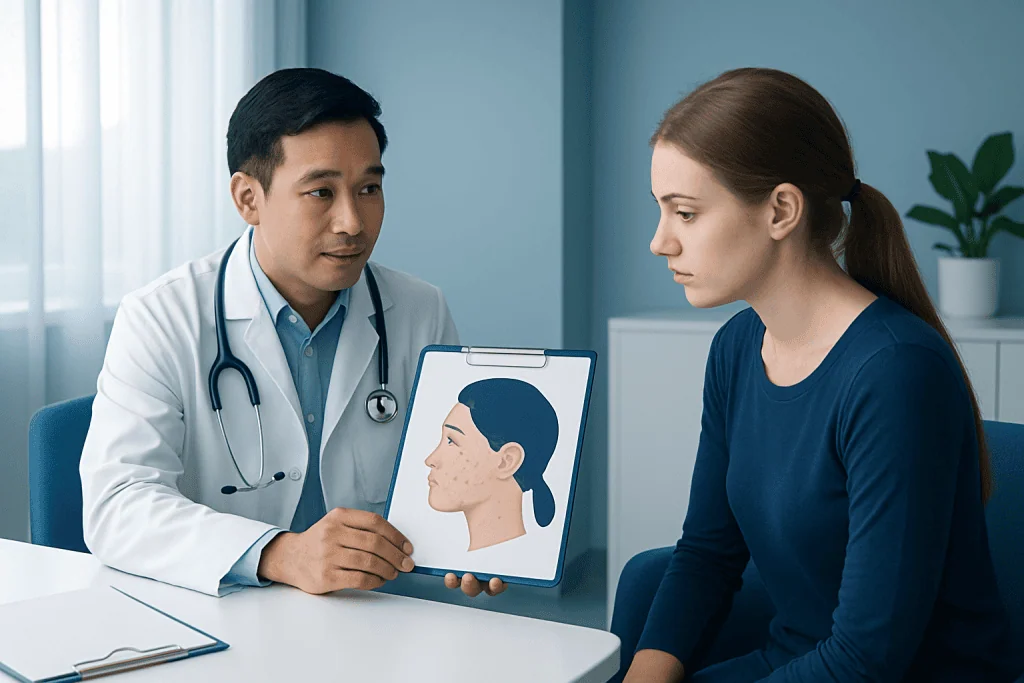
The yeast involved in fungal acne is usually Malassezia, which normally lives on healthy skin. Problems start when this yeast grows too much within hair follicles. This can happen when the skin environment becomes warm, oily, humid, or disrupted by medications or illness.
Several factors can increase risk. Broad-spectrum antibiotics may reduce the skin’s usual bacteria and allow yeast to overgrow. Heavy sweating, humid weather, tight sportswear, oily sunscreens or body products, and not changing out of damp clothes promptly can all contribute. People with naturally oily skin may be more prone to repeated flares.
Other possible risk factors include a weakened immune system, diabetes that is not well controlled, and use of corticosteroids in some situations. Fungal acne is not a sign of poor hygiene, and it is not usually considered dangerous. It is, however, uncomfortable and frustrating when it keeps coming back.
Some skin conditions may resemble or overlap with fungal acne. For example, inflamed follicles can occur for other reasons, including bacterial infection or irritation, and a specialist may also consider conditions such as folliculitis when the rash does not follow a typical pattern.
How doctors diagnose fungal acne
Diagnosis usually begins with a careful skin examination and a review of symptoms. A dermatologist often looks for the pattern of very uniform, itchy bumps in typical locations, especially when standard acne treatments have not helped. A history of recent antibiotic use, heavy sweating, or frequent flares in hot weather can also support the diagnosis.
In some cases, the diagnosis is clinical, meaning it is made based on the appearance and history. If the case is unclear, the doctor may use additional tests. These can include a skin scraping, microscopic examination, or occasionally a culture or biopsy to rule out other conditions.
The doctor may also consider whether the patient has ordinary acne at the same time. This matters because treatment may need to target both problems. A clear diagnosis helps avoid unnecessary treatments and can reduce the risk of ongoing irritation from products that are not addressing the real cause.
Treatment options and what usually helps
Treatment for fungal acne aims to reduce yeast overgrowth and calm follicle inflammation. Mild cases may improve with antifungal washes or shampoos used on the affected skin, while more persistent cases may require prescription antifungal creams or oral antifungal medicines. A doctor chooses treatment based on the extent of the rash, the body area involved, and whether there are repeated recurrences.
Skin care changes also matter. Patients are often advised to avoid very oily or occlusive products, to shower after sweating, and to switch out of damp workout clothing promptly. If recent antibiotic use appears to be a trigger, a clinician may review whether it is still necessary or whether another approach is better.
Some people have both fungal acne and ordinary acne, so treatment plans may combine antifungal therapy with carefully selected acne care. This should be guided by a clinician because some products can irritate the skin barrier if used too aggressively. For patients with stubborn or recurrent symptoms, review by a specialist in dermatology care can be especially helpful.
If the diagnosis is uncertain or the rash is severe, a doctor may use further evaluation before prescribing treatment. In some cases, additional assessment through specialist dermatology assessment or related laboratory review is appropriate, especially when other skin disorders are possible.
Self-care, prevention, and reducing flare-ups
Good daily habits can lower the chance of repeat flares. Because fungal acne thrives in warm, moist, oily conditions, it helps to keep the skin as cool and dry as possible after exercise or sweating. Breathable fabrics and looser clothing can reduce friction and trapped moisture on the chest, back, and shoulders.
Useful self-care steps may include:
- Showering soon after sweating
- Changing out of damp clothes promptly
- Using non-comedogenic, lighter skin-care products when possible
- Avoiding heavy oils or greasy hair products that run onto the forehead or back
- Following the treatment plan exactly as prescribed, even if the rash starts to improve
It is also wise to avoid over-scrubbing or using too many strong acne products at once. Irritated skin does not heal faster and may become more inflamed. If frequent flares continue despite these steps, a doctor can reassess for another diagnosis or discuss a maintenance strategy.
When to seek medical care
Medical advice is a good idea if an acne-like rash is very itchy, keeps returning, or is not improving with standard acne products. A clinician should also assess the skin if there is widespread involvement of the chest or back, marked redness, pain, or uncertainty about whether the rash is fungal acne, bacterial folliculitis, eczema, or another condition.
Patients should seek prompt care if they develop fever, rapidly spreading redness, drainage, or significant tenderness, because these features can suggest another type of skin infection that needs different treatment. People with diabetes, immune system problems, or frequent infections should not delay evaluation.
Near the end of the care pathway, some patients benefit from coordinated specialist review if symptoms are persistent or overlapping conditions are suspected. Acibadem International’s multidisciplinary specialists in JCI-accredited hospitals diagnose and treat skin conditions for international patients, including evaluation through dermatology services when appropriate.
Frequently asked questions
Is fungal acne actually acne?
Not exactly. Fungal acne is the common name for Malassezia folliculitis, which is caused by yeast overgrowth in hair follicles rather than the usual processes behind acne vulgaris. It can look similar to acne, but it often needs different treatment.
What does fungal acne look and feel like?
It usually causes many small, similar-looking bumps or pustules, often on the forehead, chest, back, or shoulders. A common feature is itching, especially after sweating or in hot, humid conditions. The bumps often appear in clusters rather than as a mix of blackheads, whiteheads, and larger nodules.
Why does fungal acne happen after antibiotics?
Antibiotics can change the normal balance of microorganisms on the skin. When certain bacteria are reduced, yeast may have a better chance to overgrow in the follicles. This is one reason an acne-like rash that starts after antibiotics may need medical review.
Can regular acne treatments make fungal acne worse?
Sometimes they can, especially if they are very irritating or if they delay the right diagnosis. Standard acne products do not target yeast, so they may not solve the problem on their own. Some people also have both fungal acne and regular acne, which is why individualized treatment is important.
Is fungal acne contagious?
Fungal acne is generally not considered contagious in the way many people think of infections spreading from person to person. The yeast involved usually already lives on the skin naturally. The problem is overgrowth within follicles under favorable conditions, not simply contact with another person.
How long does fungal acne take to clear?
The timeline varies depending on how severe it is, whether the diagnosis is correct, and whether triggers are still present. Some people improve within a few weeks of appropriate antifungal treatment, while others need longer management and prevention steps. Ongoing or repeated symptoms should be reviewed by a doctor.
This article is for general information only and is not a substitute for professional medical advice. Please consult a qualified doctor about your individual situation.
Acne in Turkey — costs, top hospitals & a free quote
JCI-accredited · board-certified surgeons · reply within 24h
Add us as a Preferred Source to see more of our trusted health content across Google Search, AI Overviews and Discover.

More from the Health Library

Manic: An Evidence-Based Guide for Patients
Tomosynthesis — Explained by Medical Evidence, Not Myths

Vitex — Explained by Medical Evidence, Not Myths

Somatic Tinnitus: An Evidence-Based Guide for Patients

Degenerative: Symptoms, Causes, and Treatment — Complete Patient Guide