Cerebral Palsy: An Evidence-Based Guide for Patients
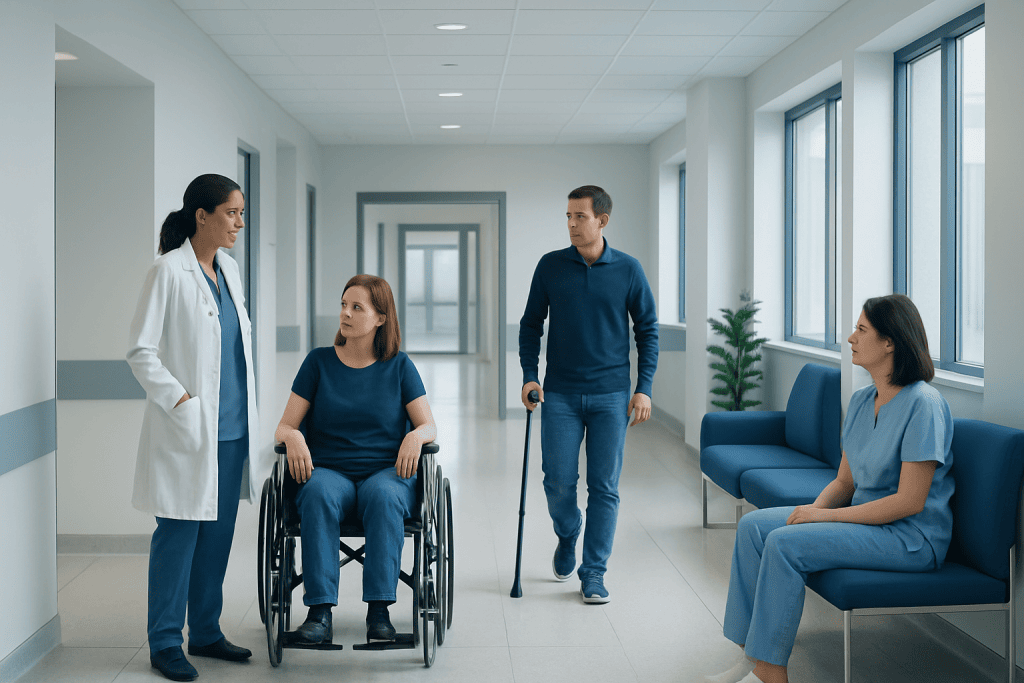
Cerebral palsy affects movement and posture, but symptoms and severity vary widely from person to person. It is caused by injury to or abnormal development of the brain before, during, or shortly after birth.
Key Takeaways
- Cerebral palsy affects movement and posture, but symptoms and severity vary widely from person to person.
- It is caused by injury to or abnormal development of the brain before, during, or shortly after birth.
- Diagnosis is based on medical history, developmental assessment, physical examination, and sometimes brain imaging.
- Treatment focuses on function and quality of life through therapy, medications, assistive devices, and selected procedures.
- Early intervention and regular follow-up can help prevent complications and support development.
- A doctor should assess delayed milestones, unusual muscle tone, feeding problems, or loss of skills.
Cerebral palsy is a group of lifelong conditions that affect movement, posture, and muscle coordination because of damage to the developing brain or differences in brain development. Although it cannot be cured, early diagnosis, rehabilitation, and supportive medical care can improve function, comfort, communication, and independence.
Overview
Cerebral palsy is a broad term for a group of disorders that affect movement, posture, and muscle coordination. It happens when the developing brain is injured or does not form in the usual way, most often before birth but sometimes during delivery or in early infancy. The brain injury does not worsen over time, but its effects can change as a child grows.
The condition is lifelong, yet it does not look the same in every person. Some people have mild stiffness or coordination problems and walk independently, while others need significant support for mobility, communication, feeding, or daily activities. Many individuals with cerebral palsy have typical intelligence, while others may also have learning, vision, hearing, or seizure-related concerns.
Cerebral palsy is often described by the type of movement difficulty present. Spastic cerebral palsy involves muscle stiffness and is the most common type. Dyskinetic cerebral palsy causes involuntary movements, ataxic cerebral palsy affects balance and coordination, and some people have a mixed pattern. Understanding the pattern helps guide treatment and rehabilitation planning.
Symptoms and how cerebral palsy can affect daily life
Symptoms of cerebral palsy usually appear in infancy or early childhood, often when developmental milestones are delayed or movement seems unusual. A baby may feel very floppy or unusually stiff, have persistent fisting of the hands, arch the back, or show difficulty with head control. As a child grows, parents may notice delayed rolling, sitting, crawling, standing, or walking.
Movement symptoms can include stiff muscles, tight joints, unusual posture, involuntary movements, tremor, poor balance, toe walking, or weakness on one side of the body. Fine motor tasks such as holding a spoon, writing, or buttoning clothing may be difficult. Some children tire easily because moving takes more effort.
Cerebral palsy can also affect areas beyond movement. Depending on the child, associated problems may include feeding or swallowing difficulty, excessive drooling, speech or communication challenges, vision or hearing problems, seizures, pain, constipation, or sleep issues. These are not present in everyone, but they are important because they can strongly influence comfort, nutrition, learning, and participation.
Daily life is shaped not only by symptoms but also by support systems and the environment. Physical therapy, adaptive equipment, school accommodations, and family education can make a major difference in independence. Many children and adults with cerebral palsy attend school, build relationships, work, and take part in sports or creative activities with the right support.
Causes and risk factors
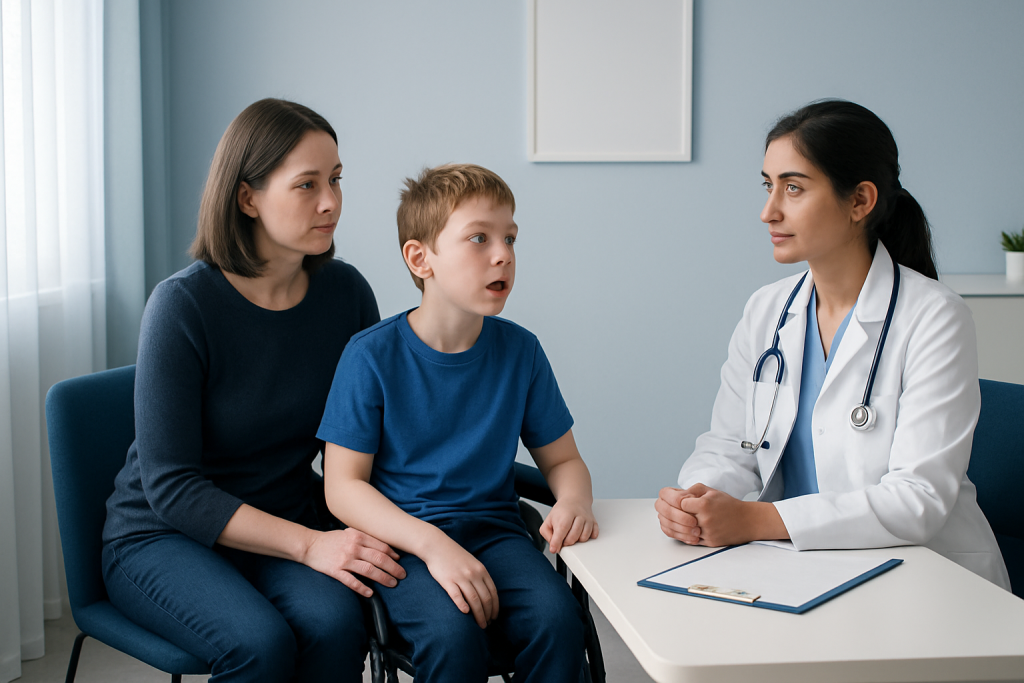
Cerebral palsy is caused by damage to the developing brain or by abnormal brain development. In many cases, the exact moment or event that led to the brain injury cannot be identified with certainty. What is known is that the condition is usually linked to events before birth rather than something a parent did or did not do.
Possible causes before birth include reduced blood flow or oxygen delivery to the fetal brain, maternal infections, inflammation, bleeding in the brain, genetic changes that affect brain development, or structural differences in the brain. During or after birth, causes can include premature birth, very low birth weight, severe jaundice, stroke, serious infection such as meningitis or encephalitis, or significant head injury in early infancy.
Several factors increase risk without directly causing cerebral palsy in every case. These include being born prematurely, multiple pregnancy, restricted fetal growth, maternal health problems, and complications that affect the baby’s oxygen supply. Some children also have findings that overlap with other neurological conditions, so clinicians may evaluate for related concerns such as epilepsy if seizures are present.
Because causes are diverse, families often have understandable questions about prevention and future pregnancies. A careful review by pediatricians, neurologists, rehabilitation specialists, and when needed genetic experts can help clarify likely contributors and guide long-term care.
Diagnosis and evaluation
There is no single blood test that confirms cerebral palsy. Diagnosis is usually made by combining a child’s medical history with developmental monitoring and a detailed neurological and physical examination. Doctors look at muscle tone, reflexes, posture, coordination, asymmetry between sides of the body, and whether motor milestones are being reached as expected.
If cerebral palsy is suspected, brain imaging is often recommended to look for signs of injury or differences in brain development. Magnetic resonance imaging is commonly used because it provides detailed pictures of brain structures. Depending on the child’s symptoms, clinicians may also request hearing tests, vision assessment, swallowing evaluation, or laboratory and genetic testing to exclude other conditions.
Diagnosis may take time, especially in mild cases or in very young infants. Rather than waiting for a label, many teams begin early intervention as soon as developmental concerns are recognized. This is important because therapy started early can support movement, communication, and feeding skills during a period of rapid brain development.
Some children need additional assessment if there are concerns about seizures, structural brain differences, or muscle and joint complications. In selected cases, clinicians may recommend MRI imaging as part of the workup, and rehabilitation-focused evaluations may be combined with orthopedic or speech-language assessments to build a practical care plan.
Treatment options and long-term management
There is no cure that reverses cerebral palsy, so treatment focuses on maximizing function, reducing discomfort, and supporting participation in daily life. Care is often multidisciplinary and may include pediatrics, neurology, rehabilitation medicine, orthopedics, physical and occupational therapy, speech-language therapy, nutrition, and psychology. The plan should reflect the person’s symptoms, goals, age, and family priorities.
Therapy is a cornerstone of care. Physical therapy can improve mobility, strength, balance, and stretching routines. Occupational therapy helps with hand use, self-care, seating, and adaptive strategies for school or work. Speech and language therapy may support communication, speech clarity, and safe swallowing. Some children benefit from braces, walkers, wheelchairs, communication devices, or customized seating systems.
Medications may be used to reduce muscle stiffness, painful spasms, or involuntary movements in selected patients. In some cases, focal treatments such as botulinum toxin injections may help specific tight muscle groups. When spasticity is severe or causes contractures, orthopedic procedures or other interventions can be considered alongside rehabilitation; some patients may also be evaluated in services that treat spasticity more broadly.
Management also includes prevention and treatment of complications. Doctors monitor growth, nutrition, bone health, hip alignment, scoliosis, pain, constipation, sleep, and emotional wellbeing. For children with major mobility limitations, coordinated rehabilitation such as physical therapy and rehabilitation can be especially important to preserve comfort and function over time.
Prevention, self-care, and family support
Not every case of cerebral palsy can be prevented, but good prenatal and newborn care can reduce some risks. Regular pregnancy care, management of maternal infections or chronic conditions, attention to fetal growth, and high-quality care for premature or medically fragile newborns are all important. Preventing serious head injury and ensuring routine childhood vaccination also help reduce some causes of acquired brain injury.
For people living with cerebral palsy, self-care is less about curing the condition and more about maintaining health and function. Daily stretching, positioning, home exercise programs, skin care, healthy nutrition, hydration, and bowel routines can make a meaningful difference. Families are often taught safe feeding, transfers, mobility support, and ways to encourage communication and play.
School support and social participation are also part of good care. Children may need individualized educational accommodations, accessible transportation, or communication tools. Emotional support matters for both the person with cerebral palsy and caregivers, especially because long-term care can be physically and mentally demanding.
Near the end of a care journey, families often benefit from a center that brings several specialties together. Acibadem International’s multidisciplinary specialists and JCI-accredited hospitals diagnose and treat cerebral palsy for international patients, with rehabilitation, neurology, imaging, and orthopedic expertise coordinated as needed.
When to seek medical care
Medical evaluation is important if a baby or child shows delayed motor milestones, persistent stiffness or floppiness, unusual posture, hand preference before 12 months of age, difficulty feeding, choking, repeated falls, or walking problems. Parents should also seek advice if a child seems to lose previously learned skills, as regression is not typical of cerebral palsy and may suggest another condition.
Urgent care is needed for seizures, sudden weakness, breathing difficulty, dehydration, severe swallowing problems, or a major injury. Ongoing medical follow-up is also important if pain, sleep problems, worsening joint stiffness, pressure sores, constipation, or changes in mobility are affecting daily life. Adults with cerebral palsy should continue to seek care, since pain, fatigue, arthritis, and mobility changes can become more noticeable over time.
Even when symptoms are mild, an assessment can be helpful. Early referral can open access to therapy, assistive devices, and developmental support that may improve long-term outcomes and reduce stress for families.
Frequently asked questions
What is cerebral palsy?
Cerebral palsy is a group of conditions that affect movement, posture, and muscle coordination because of injury to the developing brain or differences in brain development. It begins early in life and is lifelong, but symptoms can range from mild to severe.
Is cerebral palsy progressive?
The brain injury that causes cerebral palsy is generally not progressive, meaning it does not keep damaging the brain over time. However, the physical effects can change as a person grows, and joint stiffness, pain, or fatigue may become more noticeable without ongoing care.
Can cerebral palsy be cured?
There is no cure that reverses cerebral palsy. Treatment focuses on improving movement, communication, comfort, and independence through therapy, supportive devices, medications, and selected procedures when needed.
How is cerebral palsy diagnosed?
Doctors diagnose cerebral palsy by reviewing developmental history and performing a neurological and physical examination. Brain imaging, especially MRI, and tests for hearing, vision, swallowing, or other conditions may also be used to understand the cause and plan treatment.
What are the early signs of cerebral palsy in babies?
Possible early signs include poor head control, unusual stiffness or floppiness, delayed rolling or sitting, persistent fisting, feeding difficulties, and asymmetrical movement. These signs do not always mean cerebral palsy, but they should be assessed by a qualified doctor.
Can adults live independently with cerebral palsy?
Many adults with cerebral palsy live independently or with limited support, especially when symptoms are mild and assistive tools are available. Independence depends on mobility, communication, home accessibility, health needs, and the support network around the person.
References
- World Health Organization
- Centers for Disease Control and Prevention
- National Institute of Neurological Disorders and Stroke
- American Academy of Pediatrics
- National Health Service
This article is for general information only and is not a substitute for professional medical advice. Please consult a qualified doctor about your individual situation.
Cerebral Palsy in Turkey — costs, top hospitals & a free quote
JCI-accredited · board-certified surgeons · reply within 24h
Add us as a Preferred Source to see more of our trusted health content across Google Search, AI Overviews and Discover.

Physical Medicine & Rehabilitation
Restoring movement and function after injury, surgery or neurological conditions.
152 specialists in this unit