Saffron: A Complete Medical Overview

Saffron is a spice and supplement studied mainly for mood, antioxidant effects, and some symptom relief. Evidence is promising in selected areas, but saffron does not replace standard diagnosis or treatment.
Key Takeaways
- Saffron is a spice and supplement studied mainly for mood, antioxidant effects, and some symptom relief.
- Evidence is promising in selected areas, but saffron does not replace standard diagnosis or treatment.
- Possible side effects include digestive upset, dizziness, headache, and allergic reactions in sensitive people.
- Saffron supplements may interact with medicines, especially antidepressants and blood-thinning drugs.
- Pregnant people, people with chronic illness, and anyone taking regular medication should ask a doctor before using saffron supplements.
Saffron is a culinary spice derived from the Crocus sativus flower that is also used in supplements and traditional health practices. Research suggests it may support mood, appetite regulation, and antioxidant activity in some people, but it is not a substitute for medical care and should be used with attention to safety, product quality, and possible drug interactions.
Overview: what saffron is and what it may do
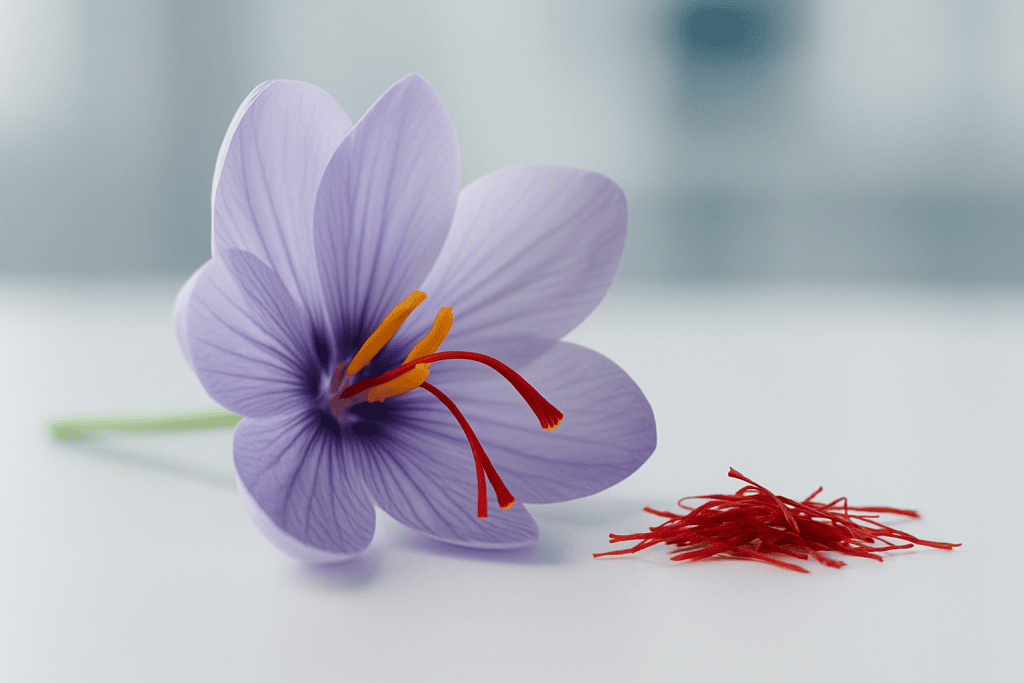
Saffron is the deep red stigma of the Crocus sativus flower. It is widely used as a culinary spice for color, aroma, and flavor, and it also appears in teas, extracts, and dietary supplements. From a medical perspective, saffron is best understood as a plant product with biologically active compounds rather than as a cure-all or a replacement for established treatment.
The compounds most often discussed in research include crocin, crocetin, safranal, and picrocrocin. These substances may have antioxidant and anti-inflammatory effects and may influence brain signaling pathways linked to mood and appetite. Because of this, saffron has attracted clinical interest in areas such as mild depressive symptoms, premenstrual symptoms, and some aspects of eye health and metabolic health.
At the same time, it is important to separate culinary use from concentrated supplement use. Small amounts used in food are generally considered safe for most healthy adults. Supplements can contain far larger amounts, and their effects, purity, and strength may vary between products.
A balanced medical view is that saffron may offer supportive benefits for some people, but the quality of evidence differs by condition. Anyone considering it for a health reason should use it thoughtfully and discuss it with a qualified clinician, especially if symptoms are persistent or if prescription medicines are involved.
Potential health uses of saffron
Research on saffron is growing, but not all claims are equally supported. The strongest interest has been in mood-related symptoms. Some studies suggest saffron extracts may help reduce mild to moderate depressive symptoms in certain adults, although it should not be seen as a stand-alone treatment for significant depression, suicidal thoughts, or other urgent mental health concerns. People with ongoing low mood may need formal assessment for conditions such as depression.
Saffron has also been studied for premenstrual symptoms, appetite and snacking behavior, sexual side effects linked to some antidepressants, and age-related eye conditions. Findings are mixed but promising in selected settings. For example, some small studies suggest improvement in symptom scores, but larger and longer trials are still needed to confirm who benefits most and what doses are both effective and safe.
Another area of interest is saffron’s antioxidant activity. Oxidative stress is involved in many chronic diseases, so antioxidants are often discussed as protective. However, this does not mean saffron can prevent or treat major diseases on its own. A supplement should never delay proper evaluation for symptoms such as vision changes, chest pain, severe anxiety, persistent fatigue, or unexplained weight change.
People sometimes use saffron for general wellness, stress, or sleep support. While some individuals report subjective benefits, these uses are less clearly established. A practical approach is to treat saffron as one possible supportive measure within a broader care plan that may also include nutrition, sleep hygiene, exercise, and, when needed, evidence-based medical treatment.
How saffron works in the body

Saffron’s effects are thought to come from several active molecules. Crocin and crocetin are carotenoid compounds associated with antioxidant actions, while safranal contributes much of the aroma and may influence the nervous system. Researchers believe these compounds may affect oxidative stress, inflammation, and certain neurotransmitters, including serotonin, dopamine, and norepinephrine pathways.
These proposed mechanisms help explain why saffron is being studied for mood symptoms, appetite control, and eye health. Even so, mechanisms seen in laboratory studies do not always translate into meaningful clinical benefit for patients. Human studies vary in quality, and results can differ depending on the preparation used, the dose, the length of treatment, and the health status of participants.
Another important point is that supplements are not all the same. A capsule labeled as saffron may differ in concentration and purity from culinary saffron threads or from a standardized extract used in a study. This matters because product consistency affects both potential benefit and risk.
For patients, the most useful message is that saffron may have real biological effects. That is exactly why it deserves the same caution given to other health products: careful use, attention to interactions, and realistic expectations about what it can and cannot do.
Possible side effects, risks, and who should be careful
In food amounts, saffron is generally well tolerated. In supplement form, some people may experience side effects such as nausea, stomach discomfort, diarrhea, dry mouth, dizziness, headache, anxiety, sleep changes, or changes in appetite. Allergic reactions are possible, especially in people sensitive to certain plants or spices.
Saffron may also affect how some medicines work. Caution is especially important for people taking antidepressants, sedatives, stimulant medications, or drugs that affect bleeding risk, including anticoagulants and antiplatelet medicines. Because saffron may influence mood-related pathways, anyone already being treated for anxiety, bipolar disorder, or depression should speak with a doctor before adding it. In some situations, a specialist in psychiatric care may help review supplement use alongside prescription treatment.
Pregnant people should be particularly careful with saffron supplements unless a clinician advises otherwise. High supplemental amounts are not the same as normal culinary use, and pregnancy safety has not been established for concentrated products. Breastfeeding individuals, children, and people with liver, kidney, or heart conditions should also seek medical guidance before use.
Quality is another safety issue. As with many supplements, contamination, adulteration, or inaccurate labeling can occur. Choosing reputable products and discussing use with a healthcare professional can reduce these risks, especially for people with chronic health conditions or those preparing for surgery.
How saffron is evaluated in medical care
There is no routine medical test to determine whether someone ‘needs’ saffron. Instead, a doctor evaluates the symptoms or condition a person hopes to address. For example, if saffron is being considered for low mood, fatigue, or poor concentration, the more important step is assessing whether there is an underlying medical or psychological condition that needs attention.
This evaluation may include a medical history, medication review, mental health screening, and basic laboratory testing when appropriate. Symptoms such as ongoing sadness, anxiety, sleep disturbance, or loss of interest in daily life should not be attributed to stress alone without a proper assessment. In some cases, structured support such as psychological counseling may be more appropriate than self-treating with supplements.
If the reason for considering saffron is appetite change, weight concerns, or digestive symptoms, clinicians may also evaluate sleep, activity, thyroid function, blood sugar, and eating patterns. Similarly, if a person is interested in saffron for memory changes, concentration problems, or neurological symptoms, medical review is important because supplements can mask delays in diagnosis rather than solve the cause.
When patients bring supplements to appointments, it helps clinicians provide safer advice. The product name, ingredient list, amount per dose, and how long it has been used can all affect recommendations. This is especially important when there is a possibility of overlapping effects with prescription medicines or other herbal products.
Using saffron safely: practical self-care guidance
For most people, using saffron in cooking is a reasonable way to enjoy its flavor and color without the uncertainties of high-dose supplementation. A healthy eating pattern remains the foundation of wellness, and no spice can replace balanced nutrition, physical activity, stress management, and adequate sleep. If a person is considering saffron for a specific symptom, it is sensible to define the goal clearly and avoid taking multiple new supplements at the same time.
When choosing a supplement, it is wise to look for products from reputable manufacturers that provide clear labeling and standardized ingredients where possible. Patients should follow the product instructions unless their clinician advises otherwise, and they should stop use and seek advice if side effects occur. Keeping a symptom diary can help distinguish real changes from day-to-day variation.
People already receiving treatment for depression, anxiety, chronic pain, eye disease, or metabolic conditions should not stop prescribed therapy in favor of saffron. For mood-related concerns, comprehensive care may include lifestyle measures, counseling, and, when necessary, formal evaluation and management through check-up and diagnostics. Supplements can sometimes fit into this plan, but only after safety and expectations are discussed.
Near the end of a care pathway, some patients also seek coordinated international care for complex or persistent symptoms. Acibadem International’s multidisciplinary specialists and JCI-accredited hospitals diagnose and treat a wide range of related conditions for international patients, helping integrate supplement questions into a broader medical evaluation when needed.
When to seek medical care
Saffron should not delay medical care when symptoms are significant, worsening, or unexplained. A person should seek professional advice if they are considering saffron for persistent low mood, anxiety, appetite changes, sleep problems, or pain that lasts more than a few weeks. Medical review is also important if symptoms interfere with work, school, relationships, or daily functioning.
Urgent care is needed for suicidal thoughts, severe agitation, fainting, chest pain, shortness of breath, seizures, sudden vision changes, severe allergic symptoms, or heavy bleeding. These symptoms require prompt assessment and should never be managed with home remedies or supplements alone.
People should also contact a doctor if they develop side effects after starting saffron, especially if they take antidepressants, blood thinners, or multiple supplements. In rare cases, unexpected reactions may reflect an interaction or a product-quality problem rather than saffron itself.
Finally, anyone who is pregnant, breastfeeding, scheduled for surgery, or living with a chronic condition should ask a healthcare professional before using saffron supplements. Early guidance can prevent avoidable complications and help ensure that more effective treatment is not missed.
Frequently asked questions
What is saffron used for in health and medicine?
Saffron is used in food and is also studied as a supplement for mood symptoms, premenstrual symptoms, appetite-related concerns, and antioxidant support. The evidence is promising in some areas, but it is not strong enough to consider saffron a cure or a replacement for standard medical care.
Is saffron safe to take every day?
Culinary saffron used in normal food amounts is generally considered safe for most healthy adults. Daily use of saffron supplements is a different question because concentrated products vary in strength and can cause side effects or interact with medicines, so regular use should be discussed with a clinician.
Can saffron help with depression or anxiety?
Some studies suggest saffron may help reduce mild to moderate depressive symptoms in certain adults. However, it should not replace professional assessment or treatment, especially if symptoms are severe, long-lasting, or include suicidal thoughts, panic, or major changes in sleep and functioning.
What are the side effects of saffron?
Possible side effects include nausea, stomach upset, diarrhea, dry mouth, dizziness, headache, and changes in sleep or appetite. Allergic reactions can occur, and the risk may be higher with concentrated supplements or poor-quality products.
Who should avoid saffron supplements?
Pregnant people, breastfeeding individuals, children, and people taking prescription medicines should be especially cautious. Extra care is also needed for those with mood disorders, bleeding risk, or chronic heart, liver, or kidney conditions.
Can saffron interact with medications?
Yes. Saffron may interact with antidepressants, medicines that affect bleeding, and other products that influence mood or alertness. Anyone taking regular medication should ask a doctor or pharmacist before starting a saffron supplement.
References
- National Center for Complementary and Integrative Health
- World Health Organization
- U.S. Food and Drug Administration
- National Institutes of Health
- Mayo Clinic
This article is for general information only and is not a substitute for professional medical advice. Please consult a qualified doctor about your individual situation.
Explore treatments in Turkey — costs, top hospitals & a free quote
JCI-accredited · board-certified surgeons · reply within 24h
Add us as a Preferred Source to see more of our trusted health content across Google Search, AI Overviews and Discover.

More from the Health Library

Best Sweetener for Diabetics: What Patients Need to Know

Hay Fever: An Evidence-Based Guide for Patients

Pcl Ligament Injuries: What Patients Need to Know

Life Alert Devices: An Evidence-Based Guide for Patients

Scar Tape for Wrinkles — Explained by Medical Evidence, Not Myths