Spina Bifida: An Evidence-Based Guide for Patients
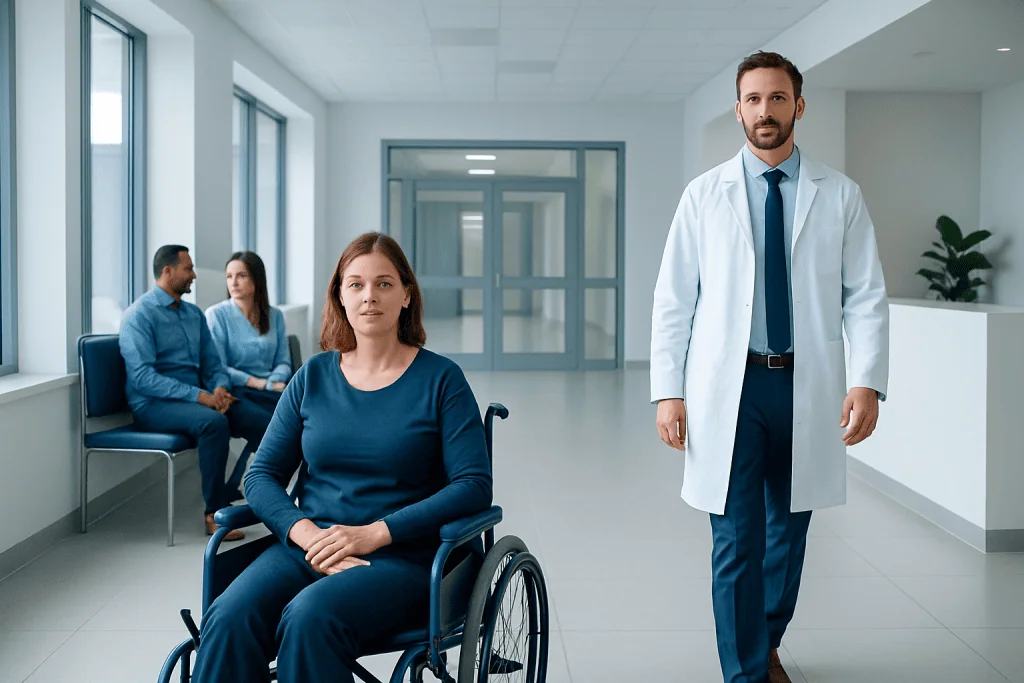
Spina bifida is a neural tube defect that develops early in pregnancy. There are several forms of spina bifida, ranging from mild to more severe.
Key Takeaways
- Spina bifida is a neural tube defect that develops early in pregnancy.
- There are several forms of spina bifida, ranging from mild to more severe.
- Symptoms may involve mobility, bladder or bowel control, and orthopedic or neurologic complications.
- Care often involves a multidisciplinary team, including pediatrics, neurosurgery, rehabilitation, and urology.
- Folic acid before and during early pregnancy helps lower the risk of neural tube defects.
- Regular follow-up is important because needs can change over time.
Spina bifida is a congenital condition in which the spine and tissues around the spinal cord do not develop completely before birth. Its effects vary widely, but timely diagnosis, supportive care, and individualized treatment can help many children and adults live active, fulfilling lives.
Overview
Spina bifida is a birth defect in which the neural tube, the structure that develops into the brain and spinal cord, does not close completely during early fetal development. This can leave part of the spinal cord, nerves, or surrounding tissues exposed or incompletely protected by the spine. The condition is present at birth, but its impact can range from very mild to more complex depending on the type and location of the spinal opening.
Rather than being a single disease with one predictable course, spina bifida is best understood as a spectrum. Some people have few or no symptoms and learn about it incidentally later in life. Others need surgery soon after birth and long-term support for movement, bladder and bowel function, skin care, learning needs, or related conditions such as hydrocephalus.
The main forms include spina bifida occulta, meningocele, and myelomeningocele. Spina bifida occulta is the mildest form and often causes no symptoms. Meningocele involves a sac of fluid protruding through an opening in the spine. Myelomeningocele, the most serious form, occurs when both the protective sac and part of the spinal cord or nerves protrude, which can affect nerve function below the level of the defect.
How spina bifida may affect daily life
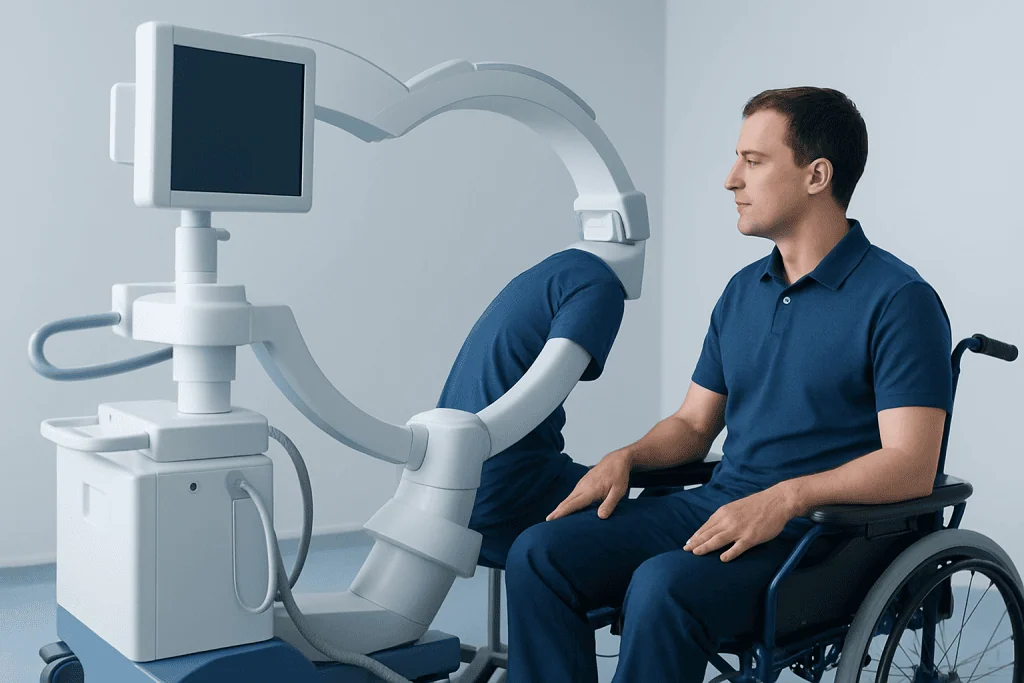
The effects of spina bifida depend on which nerves are involved and how much they are affected. Some children walk independently, while others use braces, crutches, or a wheelchair. Mobility may also change over time, especially during growth, which is why regular orthopedic and rehabilitation follow-up is important.
Bladder and bowel function are commonly affected because the nerves that control these systems may not work normally. This can lead to urinary retention, urinary leakage, constipation, or stool leakage. With appropriate routines, medications, catheterization when needed, and specialist support, many families are able to manage these issues effectively and protect long-term kidney health.
Spina bifida can also influence skin care, learning, and social participation. Reduced sensation in the legs or feet can increase the risk of unnoticed pressure injuries. Some children have attention, planning, or learning difficulties, particularly if they also have hydrocephalus. Early developmental support, school accommodations, and family education can make a meaningful difference.
Symptoms and related complications

Symptoms vary by type and severity. In mild cases, there may be no obvious signs other than a small dimple, tuft of hair, birthmark, or patch of skin change over the lower spine. In more significant forms, a visible sac may be present on the baby’s back at birth, and weakness or loss of sensation in the legs may occur.
Possible symptoms and complications include:
- Leg weakness, tightness, or paralysis
- Changes in sensation in the legs or feet
- Foot, hip, or spine deformities
- Bladder control problems or repeated urinary tract infections
- Bowel dysfunction, including constipation or incontinence
- Hydrocephalus and symptoms related to increased pressure in the brain
- Skin breakdown from pressure or decreased sensation
- Learning or attention difficulties in some children
Some people also develop tethered cord syndrome, in which the spinal cord is abnormally attached and stretched as the child grows. This may lead to new pain, worsening walking ability, changes in bladder function, or increasing leg weakness. Because symptoms can evolve, ongoing observation is an important part of care even after early treatment.
Causes and risk factors
Spina bifida develops very early in pregnancy, often before a person realizes they are pregnant. The exact cause is not always clear. It is thought to result from a combination of genetic susceptibility and environmental factors that affect closure of the neural tube.
Risk factors can include low folate intake before conception and in early pregnancy, a previous pregnancy affected by a neural tube defect, certain anti-seizure medicines, poorly controlled diabetes, obesity, and exposure to high body temperature early in pregnancy, such as prolonged fever or some hot tub use. Having a risk factor does not mean a baby will definitely be affected, and some pregnancies affected by spina bifida occur without any known risk factors.
Folic acid plays an important preventive role because it supports healthy neural tube development. Public health guidance commonly recommends folic acid supplementation before conception and during early pregnancy. People planning pregnancy, especially those with higher risk, should discuss the appropriate approach with a qualified clinician.
Diagnosis before and after birth
Many cases of spina bifida are detected during pregnancy. Screening may include maternal blood tests and detailed prenatal ultrasound. In some situations, fetal MRI helps clarify the anatomy and guide delivery planning. Prenatal diagnosis allows families and medical teams to prepare for the baby’s immediate needs after birth and discuss all available treatment options.
After birth, diagnosis is based on physical examination and imaging. Ultrasound, X-ray, MRI, or CT may be used depending on the age of the child and the specific questions the team needs to answer. Imaging helps define the type of spina bifida, whether the spinal cord is involved, and whether complications such as hydrocephalus are present.
Evaluation usually goes beyond confirming the diagnosis. Doctors also assess leg strength, sensation, feeding, head growth, bladder function, kidneys, hips, feet, and skin integrity. Because spina bifida can affect several body systems, coordinated assessment by pediatrics, neurosurgery, orthopedics, rehabilitation, and urology is often helpful.
Treatment options and long-term care
Treatment depends on the type of spina bifida and the person’s symptoms. For myelomeningocele, surgery is often performed soon after birth to protect exposed nerves and reduce infection risk. Some pregnancies may be evaluated for fetal surgery in selected centers, though this requires careful assessment of benefits and risks. In complex cases, families may discuss neurosurgery options with a specialist team.
If hydrocephalus develops, treatment may involve a shunt or other procedure to relieve pressure and protect brain function. Mobility support can include physical therapy, braces, walkers, wheelchairs, and sometimes spine surgery or orthopedic procedures to address deformities. Rehabilitation is not only about walking; it also supports strength, transfers, independence, and participation in school and daily life.
Bladder and bowel management is a major part of treatment for many patients. This may include scheduled toileting, medications, catheterization, and close follow-up with kidney and urinary specialists. Some patients benefit from physical therapy and rehabilitation as part of a long-term plan that adapts with growth and changing functional goals.
Care usually continues into adolescence and adulthood. Monitoring focuses on mobility, skin protection, scoliosis, pain, mental health, sexual health, fertility questions, and independence. Near the end of the care journey, some international families seek coordinated follow-up at centers such as Acibadem International, where multidisciplinary specialists in JCI-accredited hospitals diagnose and treat spina bifida and related complications.
Prevention and self-care
Not all cases of spina bifida can be prevented, but risk can be reduced. The most important preventive step is taking folic acid before pregnancy and during early pregnancy, because the neural tube closes in the first weeks of development. People who may become pregnant should speak with a clinician about folic acid, especially if there is a personal or family history of neural tube defects or if certain medicines are being used.
Managing chronic health conditions before conception also matters. Good diabetes control, medication review, healthy weight planning, and early prenatal care can all support a healthier pregnancy. Anyone taking anti-seizure medicines or other long-term prescriptions should not stop treatment on their own, but should ask their doctor about safer planning before pregnancy.
For people living with spina bifida, self-care focuses on preventing complications and supporting independence. Helpful habits may include daily skin checks, regular bladder and bowel routines, staying physically active within personal ability, using prescribed braces or mobility aids correctly, and keeping scheduled follow-up appointments. Families often benefit from clear care plans for school, travel, sports, and transitions into adult care.
When to seek medical care
Urgent medical assessment is needed for a newborn with a visible sac, opening, or unusual swelling on the back. Prompt care is also important if a child or adult with spina bifida develops fever, redness or drainage over the spine or shunt area, severe headache, vomiting, increasing sleepiness, seizures, or sudden changes in walking, leg strength, or bladder function.
Medical review should also be arranged if there are repeated urinary tract infections, worsening constipation, new back or leg pain, skin sores, or concern that braces or mobility aids no longer fit well. These changes can signal treatable complications such as tethered cord syndrome, shunt problems, pressure injury, or orthopedic changes.
Families often do best when they seek care early rather than waiting for symptoms to worsen. If prenatal testing suggests a spinal abnormality, referral to a specialist center can help with counseling, delivery planning, and early postnatal management. If related neurologic concerns are present, doctors may also evaluate for conditions such as hydrocephalus or discuss pediatric neurosurgical care where appropriate.
Frequently asked questions
Is spina bifida curable?
Spina bifida is a lifelong congenital condition, so there is no single cure that reverses it completely. However, surgery, rehabilitation, bladder and bowel management, and regular follow-up can greatly improve function, comfort, and independence.
Can a person with spina bifida walk?
Many people with spina bifida can walk, but this depends on the type of spina bifida and which nerves are affected. Some walk independently, some use braces or walking aids, and others use wheelchairs for part or all of their mobility.
What is the difference between spina bifida occulta and myelomeningocele?
Spina bifida occulta is the mildest form and often causes no symptoms, because the spinal cord usually remains in place. Myelomeningocele is more severe and involves protrusion of the sac and spinal cord or nerves through an opening in the spine, often causing neurologic symptoms.
Can spina bifida be detected during pregnancy?
Yes. Many cases are identified through prenatal screening, especially ultrasound and certain maternal blood tests. When needed, fetal MRI may provide more detail and help doctors plan delivery and early treatment.
Does taking folic acid prevent spina bifida?
Folic acid lowers the risk of neural tube defects, including spina bifida, but it cannot prevent every case. Because the neural tube closes very early in pregnancy, folic acid is most helpful when taken before conception and in the first weeks of pregnancy.
What specialists are involved in spina bifida care?
Care often involves a team that may include pediatricians, neurosurgeons, orthopedic specialists, urologists, rehabilitation physicians, physical therapists, and nurses. This team approach helps address movement, bladder and bowel function, skin care, learning needs, and long-term follow-up.
References
- World Health Organization
- Centers for Disease Control and Prevention
- National Institute of Neurological Disorders and Stroke
- American Academy of Pediatrics
- Spina Bifida Association
This article is for general information only and is not a substitute for professional medical advice. Please consult a qualified doctor about your individual situation.
Joint and spine care in Turkey — expert assessment & treatment
JCI-accredited · board-certified surgeons · reply within 24h
Add us as a Preferred Source to see more of our trusted health content across Google Search, AI Overviews and Discover.

More from the Health Library

Fresh Cranberries: A Complete Medical Overview

Gentian Root: A Complete Medical Overview

Dislocation: What Patients Need to Know

David Shaffer: What Patients Need to Know

Steam Burn: What Patients Need to Know

Dilostic: An Evidence-Based Guide for Patients
Physical Medicine & Rehabilitation Specialists at Acibadem

Dr. Atiye Ayral
Physical Medicine & Rehabilitation
Prof. Dr. Ayhan Aşkın
Physical Medicine & Rehabilitation
Dr. Ayhan Ulusoy
Orthopedic Surgery & Traumatology
Dr. Aykut Türken
Orthopedic Surgery & Traumatology