Thighs: An Evidence-Based Guide for Patients

Thigh symptoms may come from muscles, bones, joints, nerves, blood vessels, or skin. Common causes include overuse injuries, muscle strain, hip or knee conditions, and nerve compression.
Key Takeaways
- Thigh symptoms may come from muscles, bones, joints, nerves, blood vessels, or skin.
- Common causes include overuse injuries, muscle strain, hip or knee conditions, and nerve compression.
- Red flags include sudden severe swelling, warmth, redness, shortness of breath, inability to bear weight, or new weakness.
- Diagnosis often depends on the pattern of symptoms, physical examination, and sometimes imaging or blood tests.
- Treatment varies by cause and may include rest, physiotherapy, medicines, or specialist care.
Thighs are large, hard-working parts of the body that can be affected by muscle strain, nerve irritation, hip or knee problems, circulation issues, and skin conditions. Most thigh symptoms are not emergencies, but persistent pain, swelling, weakness, numbness, or sudden changes should be assessed by a qualified doctor.
Overview: what thigh symptoms can mean
Thighs are the upper parts of the legs, extending from the hips to the knees. They contain large muscles, important nerves, blood vessels, connective tissues, and skin. Because they do so much work during walking, standing, climbing, and exercise, thigh symptoms are common and can arise from many different structures.
People often use the word “thighs” when they mean pain, heaviness, weakness, swelling, cramps, numbness, or visible skin changes in the upper leg. In many cases, the cause is relatively straightforward, such as a muscle strain after activity or soreness related to overuse. In other situations, thigh symptoms may reflect problems in nearby areas such as the hip, lower back, pelvis, or knee.
An evidence-based approach starts by looking at the exact location, timing, and type of symptoms. Front-of-thigh pain may suggest muscle overuse or nerve involvement. Inner-thigh pain may be linked to adductor strain. Outer-thigh burning or numbness may point to irritation of a skin nerve. Deep aching, swelling, or pain that starts suddenly may require a more urgent evaluation.
Understanding the possible sources of thigh symptoms helps patients know when simple self-care is reasonable and when medical assessment is important. The goal is not to assume the worst, but to identify patterns that guide safe next steps.
Common symptoms affecting the thighs
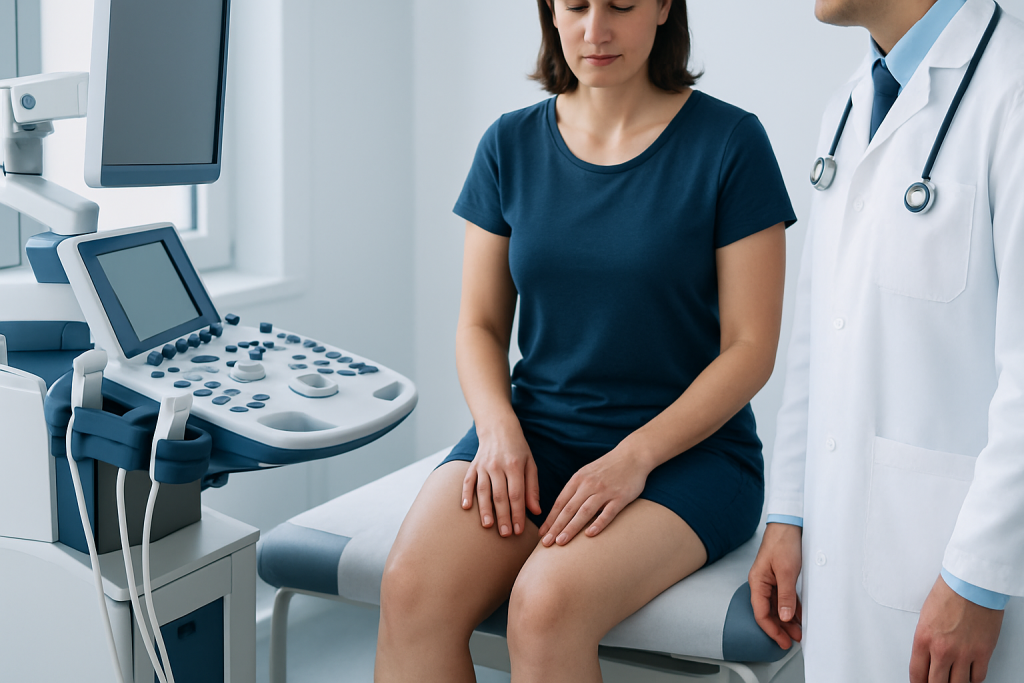
Thigh symptoms vary widely. Some people notice a sharp pain after sports or lifting, while others describe a dull ache that builds gradually with walking or standing. The feeling may be localized to one point or spread across the front, side, back, or inner thigh. Symptoms may affect one thigh or both.
Common complaints include pain, tenderness, stiffness, cramping, weakness, numbness, tingling, and swelling. Some people also notice bruising, redness, warmth, a rash, or changes in skin texture. Symptoms can occur at rest, during movement, at night, or only after exercise.
- Muscle-related symptoms: soreness, tightness, tenderness, pain with movement, bruising, or reduced strength
- Nerve-related symptoms: burning, tingling, numbness, shooting pain, or altered skin sensation
- Joint-related referred pain: pain from the hip or knee that is felt in the thigh
- Circulation-related symptoms: swelling, heaviness, warmth, color change, or cramping with walking
- Skin-related symptoms: rash, irritation, itching, redness, or infections of the skin and soft tissue
How long symptoms last also matters. A short-lived problem after unusual exercise is often different from symptoms that continue for weeks, wake a person at night, or steadily worsen. Any symptom that limits normal walking or daily activities deserves attention.
Causes and risk factors

The most common causes of thigh symptoms are musculoskeletal. These include muscle strain, tendon irritation, delayed onset muscle soreness after exercise, and overuse injuries. Athletes and physically active people may develop quadriceps strain in the front thigh, hamstring strain in the back thigh, or adductor strain in the inner thigh. However, thigh problems are not limited to sports. Long periods of standing, sudden changes in activity, poor conditioning, and repetitive work can also contribute.
Some thigh symptoms begin outside the thigh itself. Hip disorders can cause referred pain into the upper leg, especially the groin and front thigh. Knee conditions can change the way a person walks and lead to compensatory pain higher up. Lower back problems may irritate nerves that travel into the thigh, causing numbness, weakness, or shooting pain. In some people, outer thigh tingling or burning is caused by compression of a superficial nerve, a condition often called meralgia paresthetica.
Less commonly, circulation problems can affect the thighs. Poor arterial blood flow may lead to cramping with walking, while venous problems can cause swelling or heaviness. A blood clot in a deep leg vein is uncommon but important to recognize because sudden thigh or calf swelling, pain, and warmth need urgent evaluation. This is related to deep vein thrombosis.
Risk factors depend on the cause but often include recent injury, intense exercise, dehydration, obesity, prolonged sitting or immobility, pregnancy, diabetes, poor posture, back disease, arthritis, and previous leg problems. Skin friction, sweating, or infection can also affect the inner thighs and surrounding skin folds, especially in hot weather or when there is repetitive rubbing.
How doctors evaluate thigh problems
Diagnosis begins with a careful history. A doctor will usually ask where the symptom is felt, when it started, whether there was an injury, what makes it better or worse, and whether there are associated symptoms such as fever, swelling, weakness, or back pain. The pattern often gives important clues. For example, pain after a sprint is different from pain that appears while walking and improves with rest.
A physical examination may assess posture, gait, swelling, bruising, skin changes, tenderness, range of motion, strength, reflexes, and sensation. The doctor may also examine the hip, knee, and lower back because these areas commonly refer pain into the thighs. If circulation is a concern, pulse checks and comparison of both legs may be part of the exam.
Many mild thigh problems can be diagnosed clinically without extensive tests. When symptoms are severe, persistent, unexplained, or associated with red flags, further evaluation may be needed. This can include blood tests, ultrasound for swelling or suspected clot, X-rays for bone or joint concerns, and MRI for soft tissue or nerve-related conditions. In some cases, MRI helps clarify muscle tears, tendon problems, or referred pain from the spine or hip.
Doctors generally try to match testing to the most likely cause rather than ordering every possible investigation. This helps avoid unnecessary procedures while still identifying conditions that need prompt treatment.
Treatment options for thigh symptoms
Treatment depends on the cause. For many muscle strains and overuse injuries, first-line care includes temporary activity modification, relative rest, ice in the early phase, gradual return to movement, and guided stretching or strengthening. Pain relief may include medicines recommended by a doctor, depending on a person’s age, medical history, and other medications. A sudden return to full activity too early can delay recovery.
When symptoms are related to biomechanics, weakness, posture, or repetitive loading, physiotherapy is often useful. A tailored rehabilitation plan may focus on hip and core strength, flexibility, gait, and movement patterns. This is particularly helpful for persistent muscle injuries, referred pain, and recovery after sports-related problems. For suitable patients, physical therapy and rehabilitation can support mobility and function.
If the source is a joint problem, nerve compression, circulation issue, or inflammatory condition, treatment targets the underlying diagnosis. Depending on findings, this may involve specialist input in orthopedics, neurology, vascular medicine, dermatology, or rehabilitation. Hip-related thigh pain, for example, may need further assessment of hip pain or associated structural issues. Persistent numbness or radiating pain can sometimes be linked to sciatica.
Urgent treatment is needed when there is suspected fracture, severe infection, compartment syndrome, or a blood clot. Some patients with complex or persistent symptoms benefit from coordinated multidisciplinary care. Near the end of the treatment pathway, patients seeking international care may consider Acibadem International, where multidisciplinary specialists in JCI-accredited hospitals diagnose and treat a wide range of musculoskeletal, neurologic, and vascular conditions.
Prevention and self-care
Not every thigh problem can be prevented, but many common causes are linked to load, conditioning, and daily habits. A sensible prevention plan includes gradual increases in exercise intensity, adequate warm-up, strength training, flexibility work, and enough recovery between demanding sessions. Proper footwear and attention to training surfaces may also reduce strain on the hips, knees, and thighs.
For people whose symptoms are triggered by sitting, posture, or work routines, regular movement breaks can help. Changing position, avoiding prolonged pressure at the front of the hip, and maintaining general fitness may reduce nerve irritation and stiffness. Hydration and balanced nutrition also support normal muscle function, especially in hot conditions or during endurance exercise.
When symptoms are mild, self-care may be reasonable for a short time. This can include rest from aggravating activity, gentle walking if comfortable, cold packs early after a strain, and later progression to mobility and strengthening exercises. Tight clothing may worsen some outer-thigh nerve symptoms, so looser clothing can help in selected cases.
It is usually best to avoid self-diagnosing persistent swelling, repeated cramping, or ongoing numbness. Massage, stretching, or exercise may be helpful in some situations but can be inappropriate in others, especially if there is an undiagnosed clot, serious tear, or fracture. A clinician can help determine what is safe.
When to seek medical care
Medical advice is appropriate if thigh symptoms last more than a few days without improvement, keep returning, interfere with walking or sleep, or are associated with weakness, numbness, or reduced range of motion. It is also sensible to seek care after a fall, sports injury with a popping sensation, or any symptom that is difficult to explain.
Urgent evaluation is needed for sudden one-sided leg swelling, warmth, redness, severe tenderness, chest pain, or shortness of breath, as these symptoms may suggest a vascular emergency. Immediate care is also important for inability to bear weight, obvious deformity, rapidly worsening pain, high fever, spreading skin redness, or loss of bladder or bowel control with leg symptoms.
Children, older adults, pregnant people, and anyone with diabetes, cancer, recent surgery, or a history of blood clots should be especially cautious about new or unexplained thigh symptoms. These groups may have higher risks for some underlying causes or different recovery needs.
Early evaluation does not always mean something serious is wrong. In many cases, it provides reassurance, a clear diagnosis, and a treatment plan that helps recovery happen more safely and efficiently.
Frequently asked questions
Why do thighs hurt without an obvious injury?
Thighs can hurt even without a clear injury because pain may come from overuse, muscle imbalance, nerve irritation, hip or knee problems, or circulation issues. The exact location and pattern of the pain often help identify the cause. If symptoms persist or worsen, a medical assessment is helpful.
Can hip or back problems cause thigh pain?
Yes. Pain felt in the thigh may actually come from the hip joint or from nerves in the lower back. This is called referred or radiating pain, and it is a common reason why thigh symptoms can be confusing.
When is thigh swelling a concern?
Thigh swelling should be evaluated if it appears suddenly, affects only one leg, or is accompanied by warmth, redness, tenderness, or shortness of breath. These features can suggest a blood clot or another urgent problem. Gradual swelling can also deserve attention if it is persistent or unexplained.
What does numbness or tingling in the outer thigh mean?
Outer-thigh numbness or tingling can occur when a superficial nerve is compressed, often near the hip or groin. Tight clothing, weight changes, pregnancy, or prolonged pressure may contribute. A doctor can help confirm whether the symptoms are nerve-related or due to another cause.
How long does a thigh muscle strain usually take to improve?
Mild strains may begin improving within days, while more significant injuries can take weeks or longer. Recovery depends on the severity of the injury, the muscle involved, and whether activity is resumed too soon. Persistent pain, marked bruising, or weakness should be medically reviewed.
Should people exercise through thigh pain?
That depends on the cause. Gentle movement may help some conditions, but pushing through sharp pain, swelling, weakness, or significant limping can make an injury worse. If the cause is unclear, it is safer to reduce aggravating activity and seek professional advice.
References
- National Institute of Arthritis and Musculoskeletal and Skin Diseases
- American Academy of Orthopaedic Surgeons
- National Institute of Neurological Disorders and Stroke
- Centers for Disease Control and Prevention
- World Health Organization
This article is for general information only and is not a substitute for professional medical advice. Please consult a qualified doctor about your individual situation.
Joint and spine care in Turkey — expert assessment & treatment
JCI-accredited · board-certified surgeons · reply within 24h
Add us as a Preferred Source to see more of our trusted health content across Google Search, AI Overviews and Discover.

More from the Health Library



Related Specialists

Dr. Serkan Selvi
Internal Medicine
Prof. Dr. Zehra Serpil Ustalar
Anesthesiology
Dr. Hasan Yeşilkaya
Internal Medicine
Assoc. Prof. Dr. Yeliz Çavuşoğlu Yüce
Oral & Dental Health