Supraventricular Tachycardia: A Complete Medical Overview

Supraventricular tachycardia, or SVT, is a fast heart rhythm that starts above the heart’s lower chambers. Episodes often begin and end suddenly and may cause palpitations, chest discomfort, dizziness, or breathlessness.
Key Takeaways
- Supraventricular tachycardia, or SVT, is a fast heart rhythm that starts above the heart’s lower chambers.
- Episodes often begin and end suddenly and may cause palpitations, chest discomfort, dizziness, or breathlessness.
- Common forms include AVNRT, AVRT, and atrial tachycardia; triggers can include stress, caffeine, illness, or certain medications.
- Diagnosis usually relies on an ECG and sometimes longer rhythm monitoring to capture intermittent episodes.
- Treatment may include vagal maneuvers, medication, and in selected cases catheter ablation.
Supraventricular tachycardia is a group of fast heart rhythms that begin in the upper chambers of the heart or the electrical pathways connected to them. It can cause sudden episodes of pounding, fluttering, dizziness, or shortness of breath, and many cases can be diagnosed accurately and managed effectively.
Overview
Supraventricular tachycardia is a broad term for a fast heart rhythm that starts in the atria, which are the upper chambers of the heart, or in nearby electrical circuits above the ventricles. In many people, it appears as sudden episodes of very rapid heartbeat that start and stop abruptly. Although the sensation can feel unsettling, many forms of supraventricular tachycardia are not life-threatening and can be treated successfully.
The heart normally beats through an organized electrical signal that begins in the sinus node and travels through the atria to the ventricles. In supraventricular tachycardia, this signal follows an abnormal pattern, often looping through extra pathways or small re-entry circuits. This makes the heart beat faster than normal and can reduce how efficiently it pumps blood during an episode.
SVT is not a single disease but a family of rhythm disorders. Common types include atrioventricular nodal reentrant tachycardia, atrioventricular reentrant tachycardia, and atrial tachycardia. Some people also have related rhythm disorders such as atrial fibrillation or atrial flutter, but these are usually discussed separately because their pattern and treatment approach may differ.
How SVT Feels and Common Symptoms
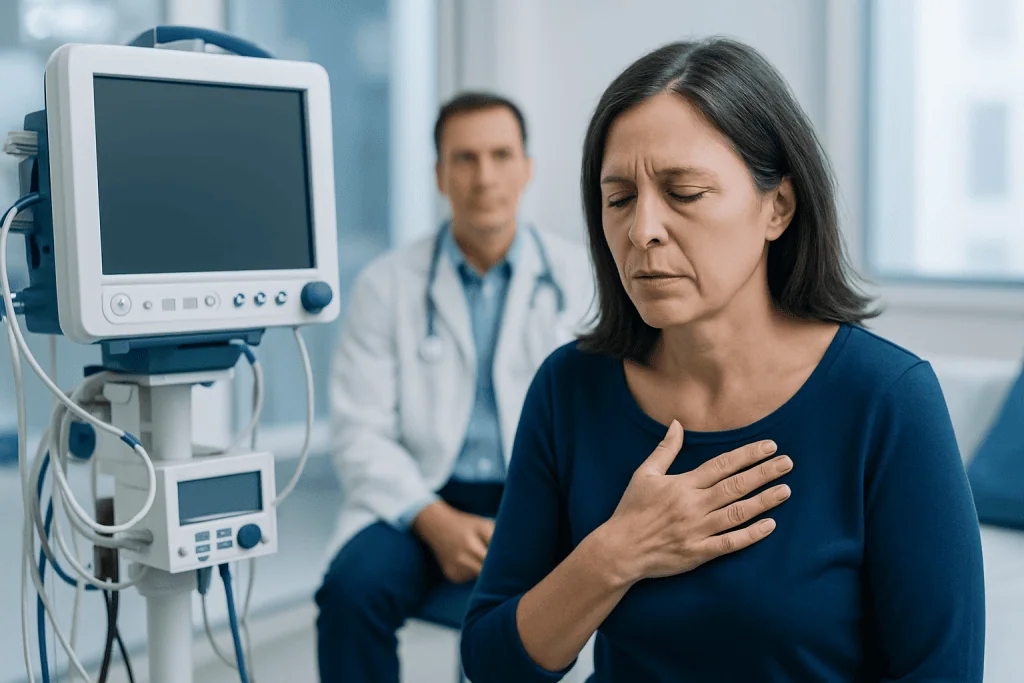
The most typical symptom is a sudden awareness of a very fast heartbeat, often described as pounding, racing, fluttering, or thumping in the chest. Episodes may last for seconds, minutes, or longer, and they often begin and end without warning. Some people experience only occasional brief spells, while others have repeated episodes that interfere with daily life.
Beyond palpitations, SVT can cause lightheadedness, shortness of breath, fatigue, anxiety, sweating, or mild chest discomfort. A person may notice reduced exercise tolerance during an episode because the heart is beating too quickly to fill and pump as effectively. In some cases, the rapid rhythm may also cause neck pulsations or an urgent need to sit down and rest.
Symptoms can vary by age, overall health, and the specific rhythm involved. Older adults, people with heart disease, and those with prolonged episodes may feel more unwell than younger otherwise healthy people. Rarely, fainting or near-fainting can occur, which deserves prompt medical assessment.
- Sudden racing heartbeat
- Palpitations or chest fluttering
- Dizziness or feeling faint
- Shortness of breath
- Chest pressure or discomfort
- Weakness or unusual tiredness
Why It Happens: Causes, Types, and Risk Factors

Supraventricular tachycardia develops when the heart’s electrical system uses an abnormal circuit or creates rapid impulses from an unexpected location. In AVNRT, the signal loops through pathways near the AV node. In AVRT, the loop involves an extra electrical connection between the atria and ventricles. In atrial tachycardia, a small area in the atrium fires rapidly on its own.
Some people are born with the tendency to develop SVT, while others notice symptoms only later in life. Episodes may be triggered by emotional stress, poor sleep, dehydration, fever, nicotine, alcohol, caffeine, stimulant drugs, or strenuous activity. Some over-the-counter cold medicines, asthma inhalers, and prescription medications can also affect heart rhythm in susceptible individuals.
Risk may be higher in people with underlying heart disease, thyroid disorders, electrolyte imbalance, pregnancy, or a family history of arrhythmia. SVT can also occur in otherwise healthy hearts. Because symptoms may overlap with other rhythm problems, a clinician may also consider related conditions such as arrhythmia when deciding what tests are needed.
How Doctors Diagnose Supraventricular Tachycardia
Diagnosis begins with a careful description of symptoms: how fast the heartbeat feels, how long episodes last, whether they start and stop suddenly, and what seems to trigger them. A doctor will review medical history, medications, stimulant use, and any history of heart or thyroid disease. A physical examination may be normal if the person is not having an episode during the visit.
The key test is an electrocardiogram, or ECG, which records the heart’s electrical activity. If an episode is captured on ECG, it can often identify the specific type of SVT. Because many episodes are intermittent, doctors commonly use ambulatory monitoring such as a Holter monitor, event recorder, or wearable patch to record the rhythm over time.
Additional tests may help look for causes or complications. Blood tests can check thyroid function or electrolyte levels. An echocardiogram may be used to assess heart structure and pumping function, especially if symptoms are frequent or there is concern about another cardiac condition. In selected cases, an electrophysiology study can map the electrical pathways in detail and may lead directly to treatment through an electrophysiology study and ablation.
Treatment Options and Long-Term Management
Treatment depends on how often episodes happen, how severe symptoms are, the type of SVT, and the person’s overall health. If the episode is active and the person is stable, doctors may first recommend vagal maneuvers, such as bearing down in a controlled way or using other techniques that stimulate the vagus nerve. These can sometimes interrupt the abnormal circuit and restore a normal rhythm.
If maneuvers do not work or symptoms are more significant, medication may be used to slow or stop the rhythm. Some people need treatment only during episodes, while others benefit from a daily medicine to reduce recurrence. The choice depends on the rhythm type, frequency of attacks, side effects, and any other heart or medical conditions. When urgent care is needed, treatment may be given in a monitored setting.
For people with recurrent SVT, bothersome symptoms, or a wish to avoid long-term medicines, catheter ablation is often considered. In this procedure, specialists guide thin catheters into the heart to identify and treat the tiny area or pathway causing the rapid rhythm. In many cases, this can provide durable control and may reduce or eliminate future episodes. People being evaluated may also need broader cardiology care if another heart problem is suspected.
Follow-up matters even when symptoms improve. A doctor may review episode frequency, monitor response to treatment, and help the person recognize triggers. If another rhythm disorder or structural problem is found, management may include additional tests or therapies, including evaluation in an arrhythmia treatment program tailored to the rhythm diagnosis.
Prevention, Self-Care, and Living With SVT
Many people can reduce episodes by learning their personal triggers and making practical lifestyle adjustments. Keeping a simple symptom diary may help connect attacks to caffeine, alcohol, dehydration, poor sleep, emotional stress, illness, or certain medicines. This information can be very useful during medical visits, especially when episodes are brief and not easily captured on an ECG.
General heart-healthy habits can support rhythm stability. These include staying hydrated, getting regular sleep, limiting stimulant substances, avoiding smoking, and managing stress in realistic ways. If a person has thyroid disease, high blood pressure, or another ongoing condition, following treatment plans carefully may lower the chance of rhythm disturbances.
People who have been taught vagal maneuvers by a clinician may use them at home when appropriate, but they should not delay emergency care if symptoms are severe. It is also wise to review medications and supplements with a healthcare professional, since some products can affect heart rate or interact with prescribed therapy. For patients traveling internationally for evaluation, Acibadem International’s multidisciplinary specialists at JCI-accredited hospitals diagnose and treat rhythm disorders with individualized planning.
When to Seek Medical Care
A new episode of sudden rapid heartbeat should be discussed with a doctor, especially if it is recurring, prolonged, or accompanied by dizziness, breathlessness, or chest discomfort. Even if the episode stops on its own, formal assessment is important because the exact rhythm usually cannot be identified by symptoms alone. Proper diagnosis helps guide safe treatment and rule out other causes.
Urgent medical attention is needed if a fast heartbeat comes with fainting, severe shortness of breath, significant chest pain, confusion, or persistent weakness. These symptoms may mean the body is not tolerating the rhythm well or that another heart problem is present. People with known heart disease, pregnancy, or major chronic illness should be especially cautious about new or worsening symptoms.
If SVT has already been diagnosed, medical review is still important when episodes become more frequent, last longer than usual, or stop responding to previously effective strategies. Ongoing communication with a qualified clinician can help keep treatment current and reduce the impact of symptoms on work, exercise, sleep, and quality of life.
Frequently asked questions
Is supraventricular tachycardia dangerous?
Supraventricular tachycardia is often treatable and many people do well with proper evaluation and care. However, the impact depends on the exact rhythm, how long episodes last, symptoms, and whether another heart condition is present.
What triggers supraventricular tachycardia episodes?
Common triggers include stress, fatigue, dehydration, caffeine, alcohol, nicotine, fever, and some medications or stimulant products. In some people, episodes happen without an obvious trigger.
Can supraventricular tachycardia go away on its own?
Yes, many SVT episodes stop on their own after seconds or minutes. Even so, recurrent or unexplained episodes should be assessed by a doctor so the rhythm can be identified and managed safely.
How is SVT different from a normal fast heartbeat?
A normal fast heartbeat, such as during exercise or anxiety, usually builds up gradually and slows when the trigger passes. SVT often starts and stops suddenly and follows an abnormal electrical circuit rather than a normal body response.
Can children and young adults get supraventricular tachycardia?
Yes, SVT can occur in children, teenagers, and adults, including people with otherwise healthy hearts. In younger people, it may be related to electrical pathways present from birth.
Will everyone with SVT need ablation?
No. Some people have rare, brief episodes and do well with observation, trigger control, or medication. Ablation is usually considered when episodes are frequent, bothersome, hard to control, or when a long-term procedural solution is preferred.
References
- American Heart Association
- National Heart, Lung, and Blood Institute
- European Society of Cardiology
- Mayo Clinic
- National Institute for Health and Care Excellence
This article is for general information only and is not a substitute for professional medical advice. Please consult a qualified doctor about your individual situation.
Explore treatments in Turkey — costs, top hospitals & a free quote
JCI-accredited · board-certified surgeons · reply within 24h
Add us as a Preferred Source to see more of our trusted health content across Google Search, AI Overviews and Discover.

More from the Health Library



Related Specialists
Dr. Afssane Nikain
Pediatrics
Prof. Dr. Güralp Onur Ceyhan
General Surgery
Dr. Özlem Karaahmet
Gynecology & Obstetrics
Assoc. Prof. Dr. Bahar Temur
Cardiovascular Surgery